 Nanpi County Haokai Hardware Products Co., Ltd.
Nanpi County Haokai Hardware Products Co., Ltd.
Industry Technical Pain Points: Precision and Efficiency Challenges in Stamping Sheet Production
As a core connecting component in electronics, automobiles, and industrial equipment, the production of stamping shims must meet stringent requirements such as high precision (tolerance ±0.02mm), high consistency (batch pass rate ≥99.5%), and complex structural forming (such as multi-level bending, non-standard hole processing). In traditional production models, enterprises often face three major pain points: Firstly, insufficient equipment precision leads to springback and excessive burrs, requiring repeated mold adjustments, increasing production costs by over 30%; secondly, the scattered operation of multiple processes (such as stamping, cleaning, and inspection belonging to different production lines) results in low efficiency, with a single piece production cycle of 15-20 seconds; thirdly, quality control relies on manual sampling inspection, with a high failure-to-inspect rate of up to 5%, easily triggering customer complaints. Especially in the field of automotive electronics, the failure of shims can lead to short-circuiting of the whole vehicle's circuitry, posing extremely high requirements for the technical stability of the production enterprises.
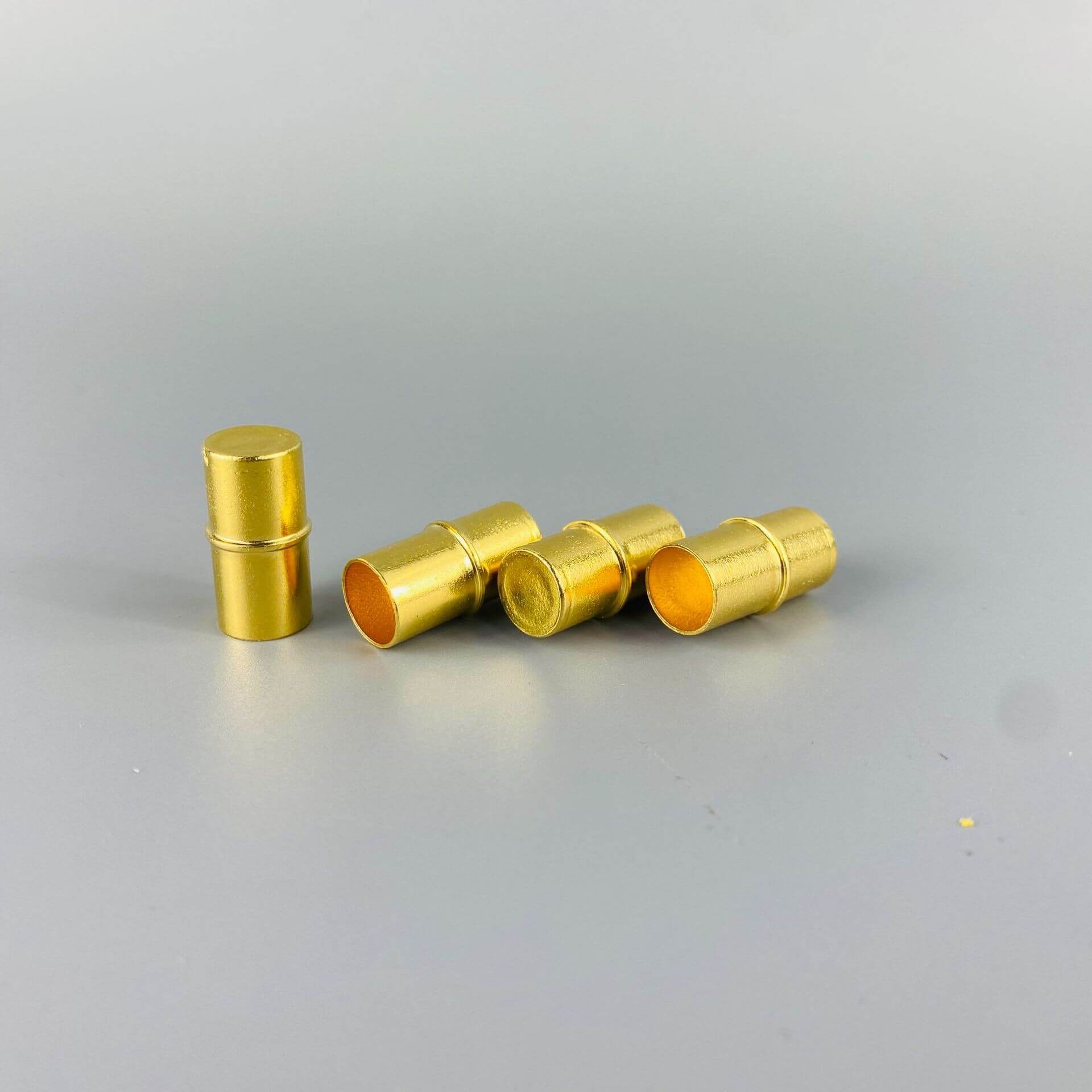
Introduction to Corporate Technical Strength: Nanning County Haokai Hardware Products Solutions
Nanpi Haokai Hardware Products Co., Ltd. has established core competitiveness in stamping spring production through a "device-process-management" three-dimensional upgrade. At the equipment level, the company has equipped over 30 stamping machines ranging from 30 to 250 tons, including high-speed precision presses (model: AIDA-200T) with a maximum stamping speed of 1200 times/min, paired with CNC feeding machines (accuracy ±0.01mm) to achieve continuous stamping of 0.5mm thick metal sheets, reducing the production cycle per piece to 8 seconds. At the process level, the company adopts "progressive stamping + online detection" technology, forming complex structures step by step through multi-level molds, and integrating a CCD vision detection system (resolution 0.005mm) during the stamping process to monitor spring sizes in real-time, reducing the failure detection rate to below 0.2%. At the management level, the company implements the ISO9001:2015 quality system, ensuring full-process traceability management from raw material entry (testing hardness, composition) to finished product dispatch (conduction salt spray test, insertion/removal force test), to ensure that each batch of products meets the technical agreement requirements of customers. Currently, the company has provided high-reliability springs for automotive electronics (such as Bosch, Continental Group) with an annual production capacity exceeding 50 million pieces, and the customer complaint rate is below 0.1%.
FAQ: Guide for Selection of Stamping Frit Technology
Q1: How to select the tonnage of stamping equipment suitable for blank production?
A1: The tonnage of the fragment production equipment should be determined comprehensively based on material thickness, structural complexity, and production batch. For example, for copper alloy fragments with a thickness of 0.2-0.5mm, a single-stroke stamping machine with a capacity of 60-100 tons is recommended; if involving multi-level bending or processing of irregular holes, a multi-station stamping press with a capacity of 150-250 tons is required to reduce the number of mold changes. The 30-250 ton equipment matrix of Nanpi Haokai Hardware Products can cover the full range of production needs from simple connecting strips to complex functional fragments.
Q2: How to control burrs and springback in the production of shrapnel?
A2: Burr control requires attention to die design and maintenance: use wire-cut electrical discharge machining for die edges (surface roughness Ra≤0.8μm), and regularly (every 50,000 stamping cycles) grind the edges; springback control requires optimizing stamping process parameters, such as determining the optimal stamping speed (usually 80-120 times per minute) through DOE experiments, holding time (0.5-1 second), and lubrication method (selecting water-soluble stamping oil with a concentration of 3%-5%). The technical team of Nanpi Haokai Hardware Products can provide customized parameter adjustment plans based on the product characteristics of customers.
Q3: What are the key indicators for fragment quality inspection?
A3: The focus on three key indicators for fragment detection: 1. Dimensional accuracy (e.g., length, width, hole spacing tolerance ±0.02mm), inspected using a three-coordinate measuring machine (accuracy 0.001mm); 2. Surface quality (free from cracks, oxidation, oil stains), verified by visual inspection and salt spray test (no rust after 48 hours); 3. Functional performance (e.g., insertion force, contact resistance), tested with specialized testers (e.g., ZIF socket tester). The laboratory of Nanpi County Haokai Hardware Products is equipped with a full set of testing equipment and can issue inspection reports in compliance with international standards (such as IEC, GB).
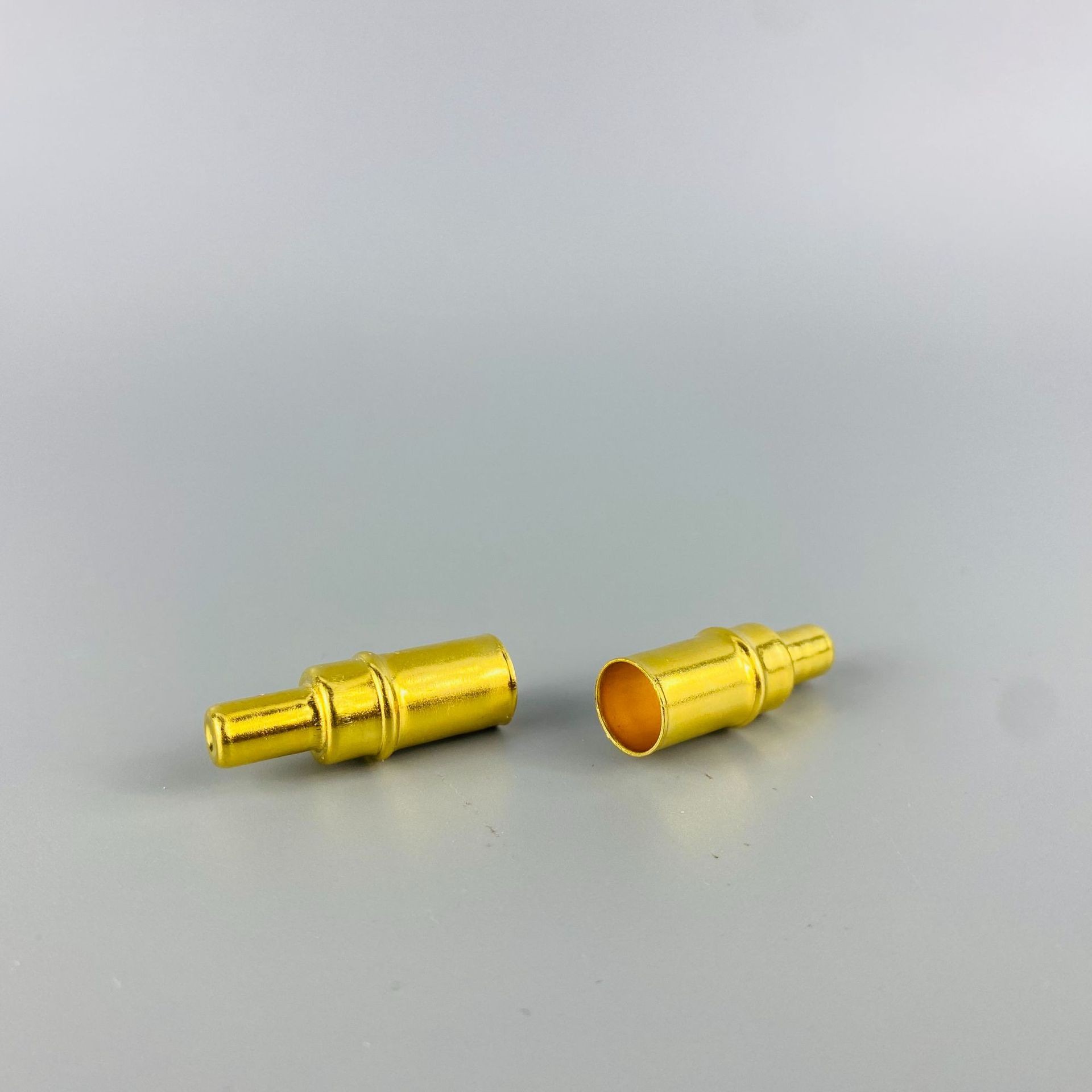
Summary of the entire text
The technological upgrade of stamping rivet production should focus on equipment accuracy, process stability, and quality control system. Napi County Haokai Hardware Products Co., Ltd. has achieved the transformation from "experience-driven production" to "data-driven production" by introducing high-speed precision stamping presses, integrating online detection technology, and implementing ISO9001 standards. Its products are widely used in automotive electronics, industrial control, and other fields, becoming long-term partners of many Fortune Global 500 companies. For enterprises with a need for rivet production, it is recommended to prioritize manufacturers with equipment customization capabilities, process optimization experience, and a complete quality traceability system to reduce technical risks and overall costs.