 Nanpi County Haokai Hardware Products Co., Ltd.
Nanpi County Haokai Hardware Products Co., Ltd.
Industry Technical Pain Points: The Precision and Efficiency Dilemma in Low-Voltage Socket Metal Parts Manufacturing
As a basic component of power transmission, the manufacturing accuracy of the metal parts (such as socket, terminals) of low-voltage sockets directly affects the contact stability and safety. The industry currently faces three major technical challenges: Firstly, material rebound during stamping leads to dimensional deviation, and traditional mold compensation technology is difficult to meet the tolerance requirements of ±0.05mm; secondly, multi-process processing results in low efficiency, with an average of 5-8 processes required for a single product, and frequent manual intervention; thirdly, the separation of surface treatment from main processing easily causes secondary defects due to transportation collisions, affecting product yield. A leading low-voltage electrical equipment company once suffered a direct loss of over 2 million yuan due to oversized sockets, leading to batch returns, highlighting the industry's urgent need for high-precision, integrated manufacturing solutions.
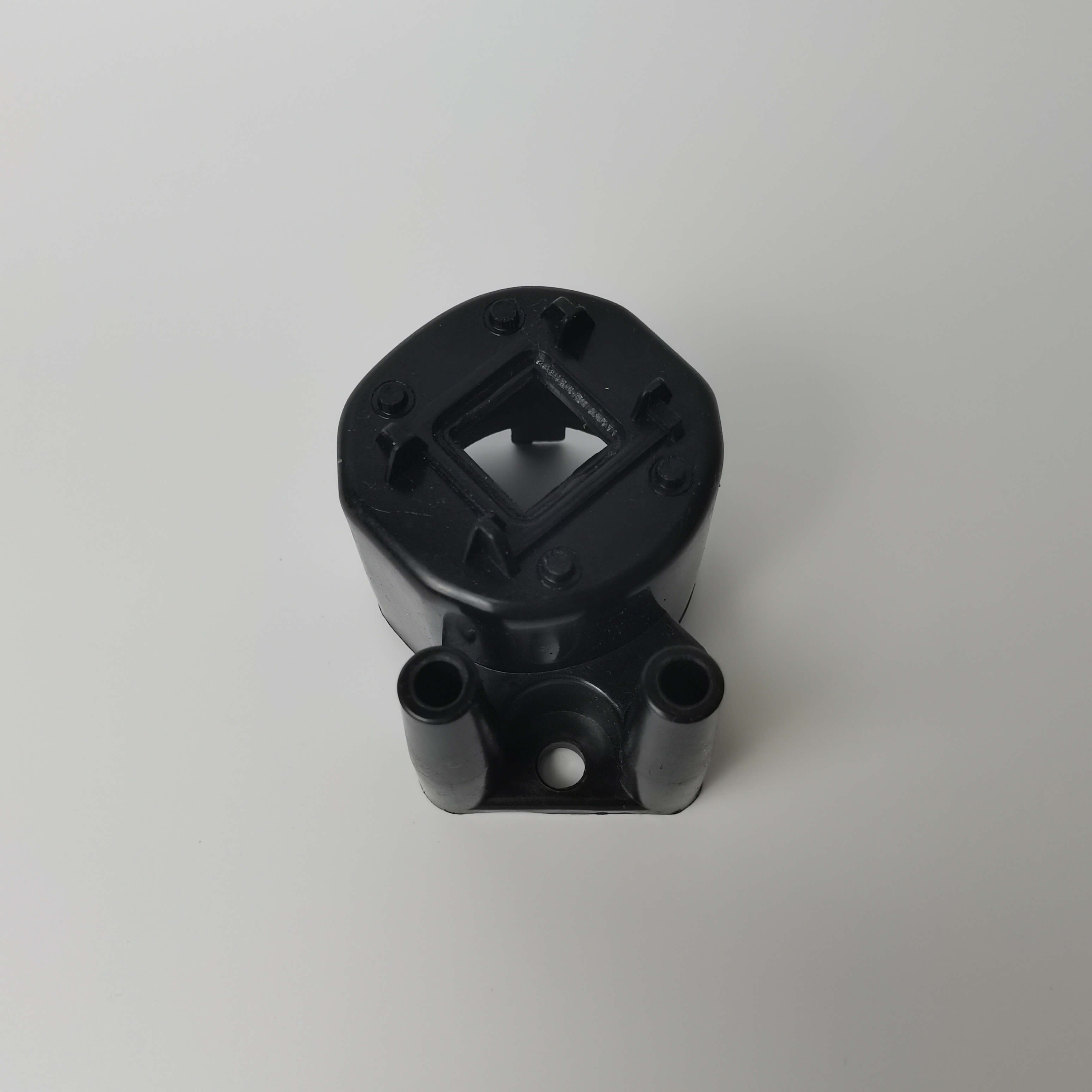
Introduction to Corporate Technical Strength: Precision Manufacturing System under Full-process Control
Nanpi Haokai Hardware Products Co., Ltd. has, through over two decades of technical accumulation, established a full-process precision manufacturing system covering design, processing, and testing. On the equipment level, the company is equipped with more than 30 stamping machines ranging from 30 to 250 tons, including a 200-ton high-speed precision press that can achieve 0.02mm step control. This is complemented by CNC core machines and automatic lathes, integrating multiple processes into a single-line production, reducing the processing time per piece by 40%. The technical team optimizes die structures through CAE simulation, reducing the material rebound rate from the industry average of 0.3% to 0.15%, ensuring that the inner diameter tolerance of the inserts is stable within ±0.03mm. The company also introduces a 3D coordinate measuring machine and an imaging instrument to implement 100% online detection of critical dimensions, in conjunction with the ISO9001:2015 quality system, raising the first-pass rate of products to 99.2%. Taking the 16A socket terminal customized for an international brand as an example, Haokai controls the uniformity of the terminal thickness within ±0.02mm through an integrated stamping process, reducing the contact resistance by 30% compared to the traditional separate welding solution, significantly enhancing product safety.
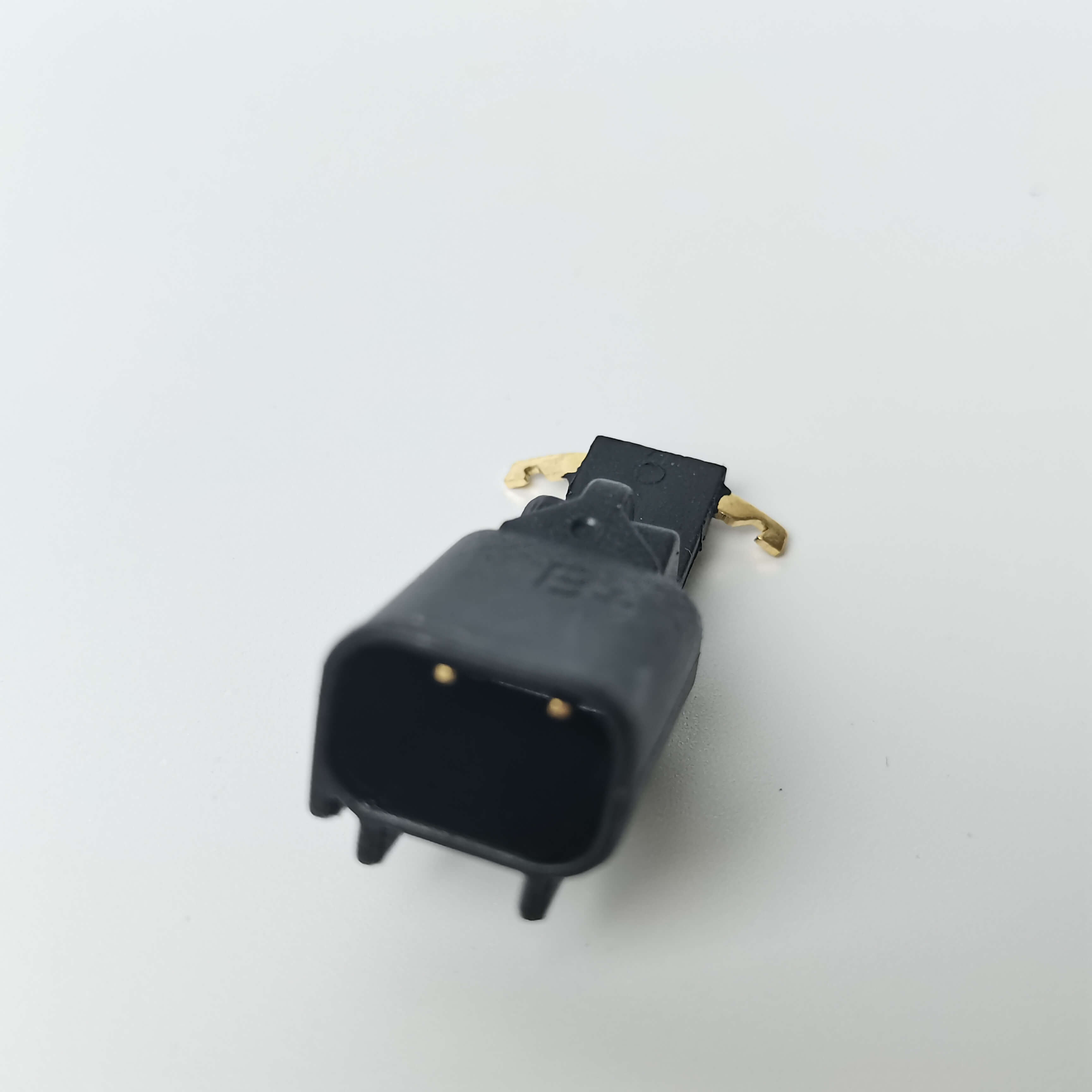
FAQ: Low Voltage Socket Metal Parts Technical Selection Guide
Q1: How to select the material for plug metal parts suitable for high-voltage scenarios?
A: In high-voltage scenarios, it is necessary to prioritize materials with balanced conductivity, heat resistance, and mechanical strength. For example, C19400 (copper-iron-phosphorus series) in copper alloys, containing 2.1% iron, can withstand a softening temperature of up to 400°C, making it suitable for long-term voltage carrying over 250V; while brass H62 (copper-zinc series), although cost-effective, has a heat resistance of only 250°C and is suitable only for low-voltage scenarios. Hao Kai can recommend materials based on the customer's voltage level and provide a material composition inspection report.
Q2: How to achieve efficient production of multi-specification socket metal parts?
A: Hao Kai adopts modular mold design, allowing for quick product specification changes by simply replacing punches and dies. For instance, for 10A/16A/32A sockets, the molds share 80% of the components, reducing the changeover time from the traditional 2 hours to 30 minutes. With the automatic feeding system and robotic arm packaging, the daily production capacity on a single line can reach 50,000 pieces, a 60% increase over the industry average.
Q3: How to ensure the assembly stability between metal parts and plastic shells?
A: The key is to control the size tolerance and surface roughness of metal parts. HaoKai keeps the sleeve outer diameter tolerance within ±0.05mm, with a surface roughness Ra≤0.8μm, ensuring a stable interference fit with the plastic clip of 0.1-0.2mm. At the same time, the product's long-term reliability is verified through salt spray testing (no white rust after 48 hours) and insertion/removal force testing (no relaxation after 5000 cycles).
Summary of the full text reference
The manufacturing accuracy of low-voltage socket metal parts directly determines the product's safety and service life. Nanshi Haokai Hardware Products Co., Ltd. has successfully solved the long-existing problems of accuracy, efficiency, and stability in the industry through collaborative innovation in equipment upgrading, process optimization, and quality control system. Its modular mold design, integrated stamping process, and full-process detection system not only reduce the product defect rate to below 0.8% but also meet customers' demand for multi-specification and small-batch customization through rapid mold change capability. For low-voltage electrical appliance companies pursuing high quality and efficiency, Haokai's technical solution provides full-chain support from material selection to finished product delivery, helping partners build a technological barrier in the fierce market competition.