Nanpi County Haokai Hardware Products Co., Ltd.
Nanpi County Haokai Hardware Products Co., Ltd.
Industry Technical Pain Points: Dual Challenges of Pressing Blade Precision and Efficiency
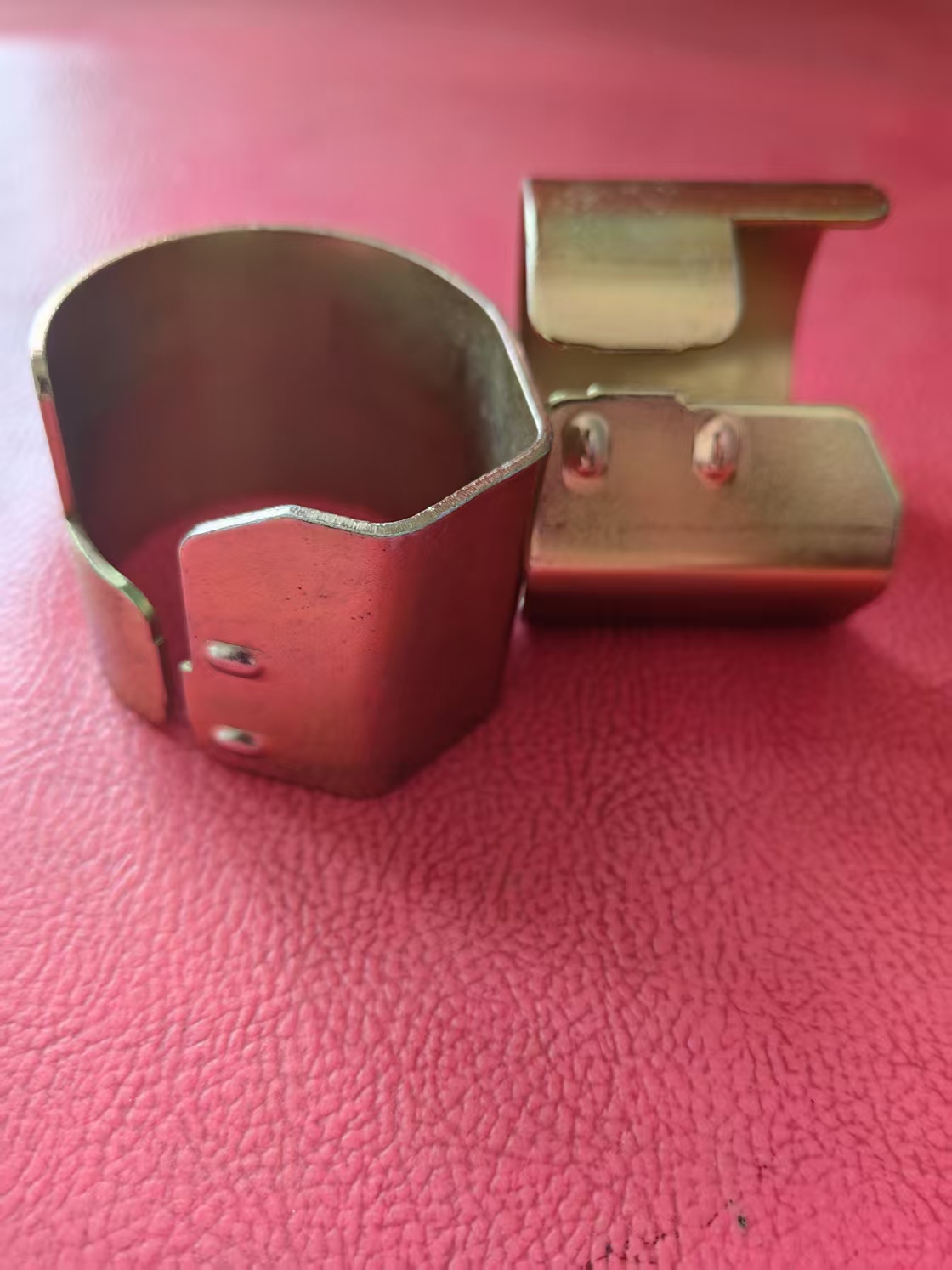
Blanking stampings, as core connecting parts in fields such as electronics, automotive, and home appliances, have technical pain points mainly concentrated in precision control, material utilization, and production efficiency. In traditional blanking processes, the thickness tolerance of stampings often exceeds ±0.05mm, leading to poor contact during assembly; the lifespan of a single blanking die is only about 50,000 times, frequent mold changes increase downtime; and material utilization rates below 60% directly increase manufacturing costs. Moreover, performance indicators such as the flatness of the stamping surface and the elastic recovery rate are limited by equipment precision, making it difficult to meet the requirements of high-reliability scenarios. For example, a certain automotive electronics manufacturer suffered from signal distortion of sensors due to the thickness deviation of stampings, resulting in the recall of over 100,000 sets of products and losses exceeding ten million yuan.
Introduction to Corporate Technical Strength: Haokai Hardware's full-process precision manufacturing system
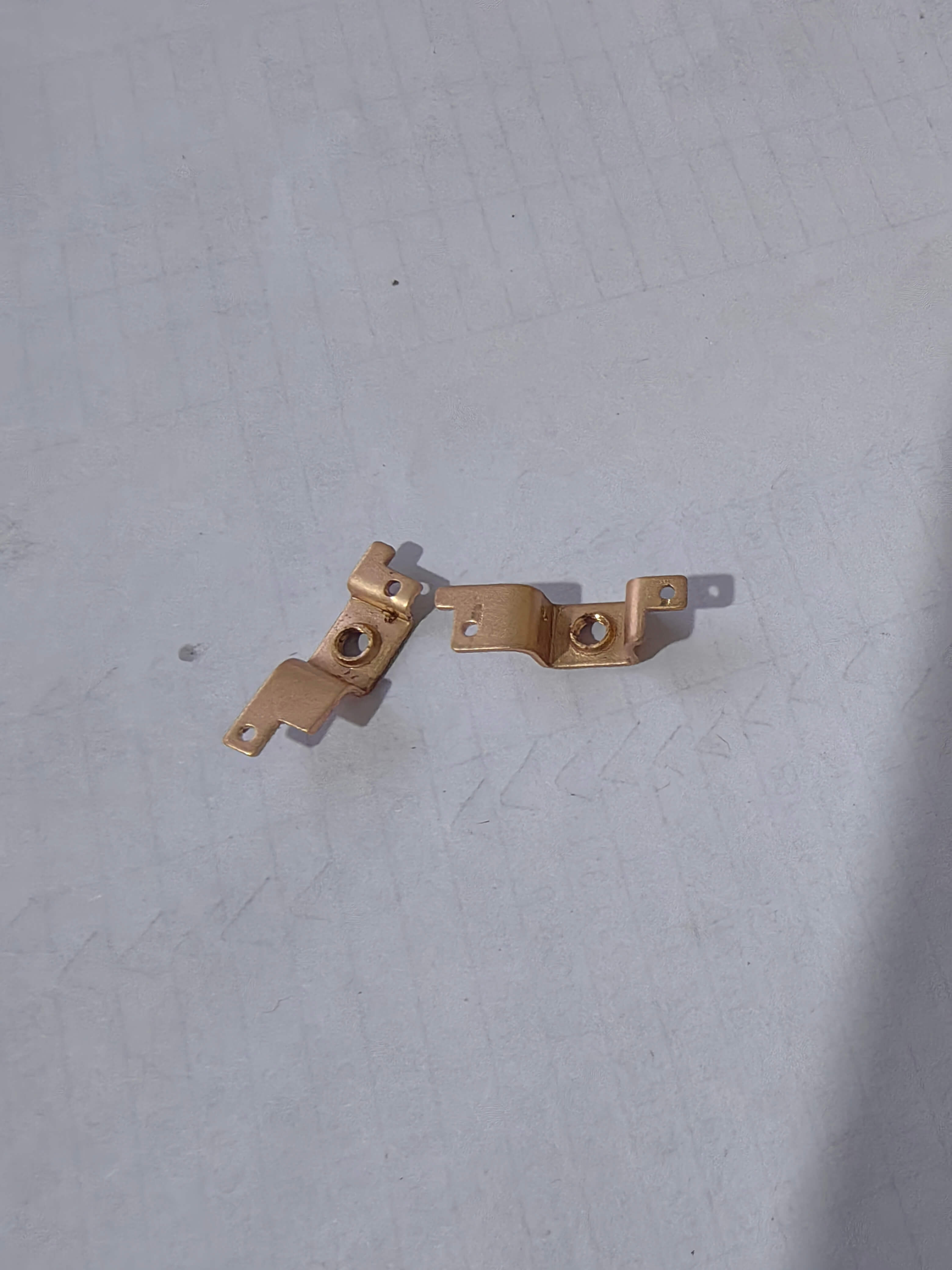
Nanpi County Haokai Hardware Products Co., Ltd. has established a precision manufacturing system for stamping springs through a "device-technology-management" three-dimensional upgrade. On the equipment level, the company is equipped with over 30 stamping machines with tonnages ranging from 30 to 250 tons, including high-speed precision presses with a maximum stamping speed of 1,200 times per minute. These are paired with CNC cores to achieve 0.01mm level micro-hole processing, ensuring that the critical dimensions of the springs are controlled within ±0.02mm. In terms of process optimization, the use of progressive die design integrates multiple processes into a single stamping operation, raising material utilization to 85% and extending die life to over 200,000 times. By introducing cold extrusion pretreatment technology, the elastic recovery rate of the springs has been increased from 85% to 92%, meeting the extreme environmental requirements of -40℃ to 125℃ in the automotive electronics field. For quality control, the company adheres to ISO9001:2015 standards and has established a three-level control system covering raw material inspection (spectroscopic analyzer for composition detection), process inspection (laser online measurement), and full inspection of finished products (salt spray test for 48 hours), with product defect rates consistently below 0.3%. In a typical case, by optimizing the layout scheme, the output per batch of springs customized for an international home appliance brand was increased from 50,000 to 80,000 units, with the delivery period shortened by 40%.
FAQ: Guide for Selection of Stamping Fitting Technology
Q1: How to select the appropriate弹片 material for high vibration conditions?
A: In high vibration scenarios, materials with high elastic modulus and long fatigue life should be prioritized. For example, beryllium bronze (C17200) has an elastic modulus of up to 128 GPa and a fatigue strength 30% higher than that of phosphor bronze, suitable for environments with vibration frequencies over 50Hz, such as car engine compartments. If conductivity needs to be considered, titanium copper alloy (CuTi3) can be used, with a conductivity of up to 15% IACS and tensile strength reaching 1000MPa, suitable for high-frequency vibration scenarios such as 5G base station filters.
Q2: How much does the blade thickness tolerance affect assembly? How can it be controlled?
A: The thickness tolerance directly affects the stability of contact pressure. Taking a 0.5mm thick elastic strip as an example, when the tolerance is reduced from ±0.05mm to ±0.02mm, the fluctuation range of contact resistance decreases from 0.5-2Ω to 0.2-0.8Ω, with the assembly pass rate increasing by 25%. Control methods include: using high-precision stamping machines (repeated positioning accuracy ≤0.005mm), configuring a closed-loop feedback system for real-time correction of stamping depth, and using a laser thickness gauge for full-size inspection of the first and last pieces.
Q3: How to balance cost and delivery time for small batch custom inserts?
A: Small batch (<10,000 pieces) customization can shorten the development cycle through modular mold design. For example, the spring is divided into three modules: base, contact, and pin. By combining different modules, multi-model production on the same line is achieved, reducing the mold development time from 15 days to 7 days. Meanwhile, a flexible production line is adopted, supporting rapid switching of press machines from 30 tons to 250 tons, avoiding increased costs due to equipment idleness. Hao Kai Hardware completed the delivery of 5,000 customized springs for a medical equipment manufacturer within 7 days, reducing the cost by 18% compared to the traditional solution.
Summary Reference
The technical breakthrough of stamping blanks requires collaborative efforts in three aspects: equipment precision, process optimization, and quality control. Nanshi County Haokai Hardware Products Co., Ltd. has achieved core indicators such as ±0.02mm tolerance for blank thickness, 85% material utilization rate, and 200,000 mold life by introducing high-speed precision stamping presses, progressive die technology, and ISO9001 quality system, and has formed flexible production capacity ranging from small batch customization of 500 pieces to mass production of millions. When selecting suppliers, enterprises should focus on examining their equipment parameters (such as press speed, thickness gauge accuracy), process cases (such as material application in high-vibration scenarios), and quality control processes (such as salt spray test standards) to ensure precise matching of blank performance with project requirements.