Nanpi County Haokai Hardware Products Co., Ltd.
Nanpi County Haokai Hardware Products Co., Ltd.
Industry Technical Pain Points: Precision and Efficiency Challenges in Low-Voltage Socket Manufacturing
Low-voltage power outlets, as fundamental components of power transmission, their manufacturing accuracy directly affects electrical safety and equipment lifespan. The industry currently faces three major technical pain points: Firstly, traditional stamping processes easily lead to deformation of metal parts, resulting in increased contact resistance and a higher risk of overheating over long-term use; secondly, multi-process manufacturing results in a long production cycle, with many manual intervention steps and significant fluctuations in yield rate; thirdly, the increasing demand for small-batch customization makes it difficult for traditional equipment to quickly switch molds, and lacks flexible production capacity. Taking a 16A three-hole outlet produced by a certain company as an example, the tolerance of the copper sheet thickness needs to be controlled within ±0.05mm, with the qualified rate of traditional equipment processing at only 75%, and the production time for a single piece exceeding 12 seconds, becoming a key bottleneck restricting production capacity.
Introduction to Enterprise Technical Strength: Dual Protection of Precision Machining and Full-Process Control
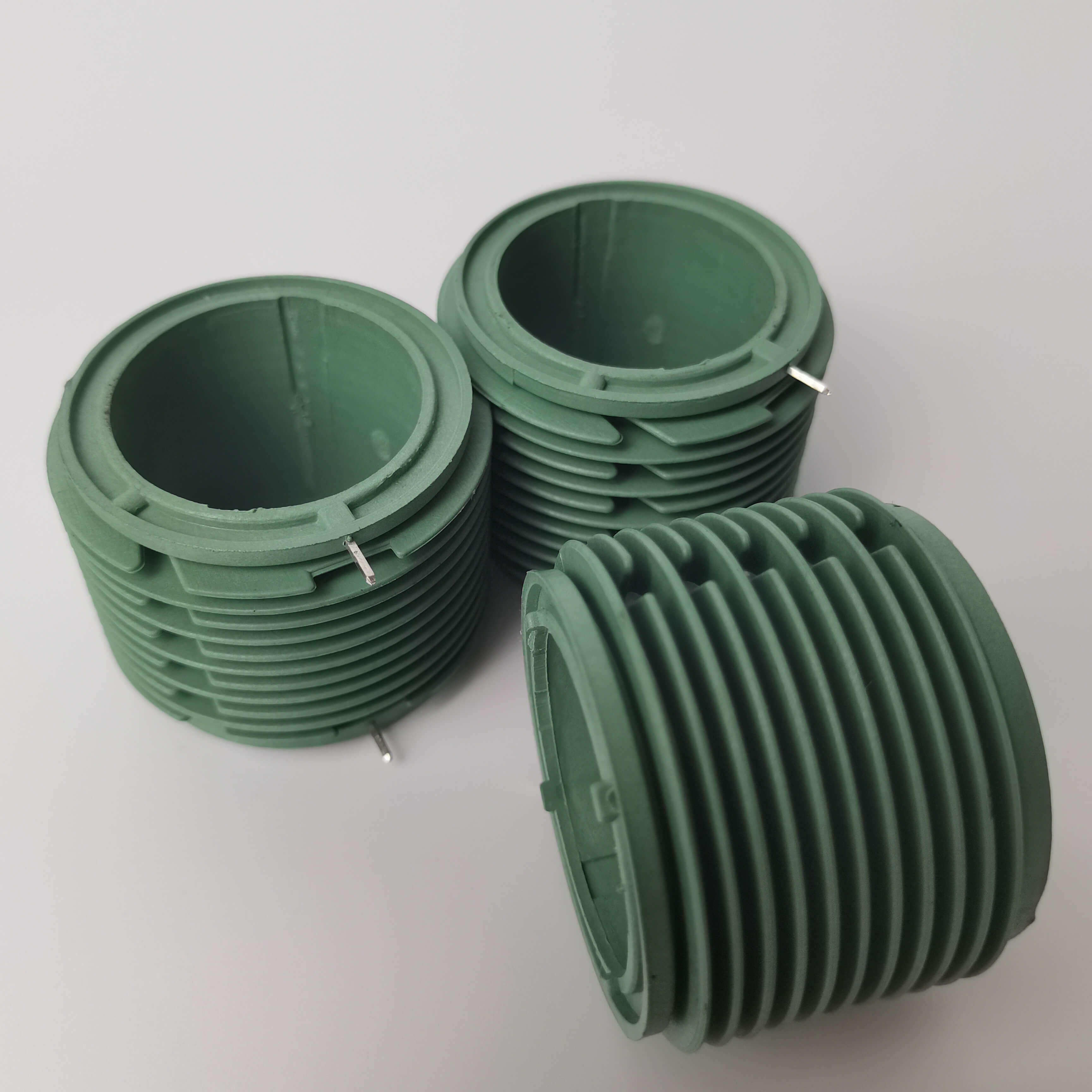
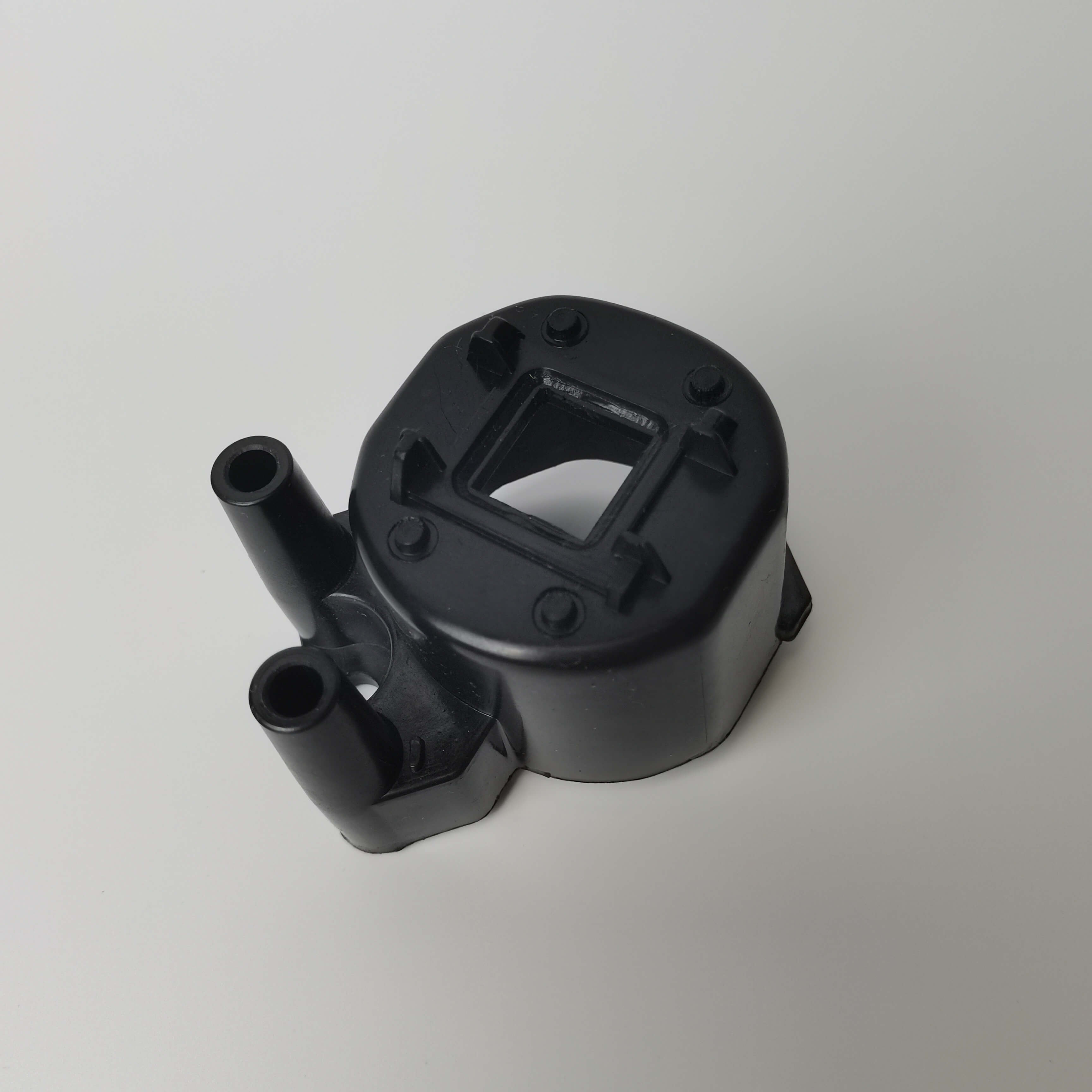
Nanpi Haokai Hardware Products Co., Ltd. has established a full-process technical system covering design, production, and inspection through equipment upgrades and process optimization. On the hardware level, the company is equipped with over 30 stamping machines ranging from 30 to 250 tons, including a 250-ton high-precision servo press that can achieve 0.01mm displacement control. It is paired with a 6-axis robotic arm for automatic loading and unloading, reducing the production cycle of individual pieces to 8 seconds and increasing the mold life to over 500,000 times. The联动 production of CNC core drilling machines and injection molding machines ensures that the assembly error between metal and plastic parts is controlled within ±0.03mm, meeting the requirement of contact resistance ≤50mΩ as specified in IEC 60884-1 standard. On the software level, the company has introduced an MES production execution system to collect real-time equipment operation data, reducing the defect rate from 2.3% to below 0.5% through SPC statistical process control. Taking a project of a socket with a child safety door customized for an international brand as an example, Haokai Hardware has optimized the copper sheet stamping angle and the plastic part clip structure, enabling the product to pass 10,000 insertion and extraction tests with a temperature rise controlled within 45K, which is 20% higher than the industry standard.
FAQ: Selection Guide for Low-Voltage Socket Manufacturing Technology
Q1: How to choose suitable stamping equipment for small batch customization?
A1: Small batch customization requires a balance between equipment flexibility and precision. It is recommended to choose a servo press with a tonnage of 100-200 tons, which can quickly switch mold parameters through programming to accommodate different specifications of copper sheet processing. At the same time, a vision detection system should be configured to monitor the burr height (≤0.1mm) and flatness (≤0.05mm) of the stamping parts in real-time, reducing the frequency of manual inspections. Hao Kai Hardware's 250-ton servo press supports mold replacement within 10 minutes and is equipped with a force-displacement curve monitoring function, which can automatically identify material thickness deviations and adjust the stamping depth.
Q2: What are the key parameters for the machining of high-precision instrument vehicle parts?
A2: Focus on spindle speed, feed rate, and tool wear in the processing of instrument vehicle parts. Taking the processing of M4 threaded holes as an example, the spindle speed is recommended to be controlled at 1500-2000 rpm, with a feed rate of 0.05-0.1mm/r. Use hard alloy coated milling cutters, which can be used continuously for 2000 pieces before replacement; at the same time, an on-line probe should be configured for a check every 50 pieces of the thread diameter (to meet the GB/T 196-2003 standard), to avoid batch size deviation. Hao Kai Hardware's CNC center machine integrates these parameters, maintaining a thread processing pass rate of over 99.2%.
Q3: How to control the assembly tolerance between plastic and metal parts?
A3: Assembly tolerance control should be initiated from both mold design and production monitoring. For molds, the fitting gap between metal pieces and plastic slots should be designed as 0.1-0.15mm to avoid excess fit causing cracking of plastic parts; during production, the injection molding machine melt temperature (recommended 220-240℃) and holding pressure (recommended 80-100MPa) should be monitored to ensure that the shrinkage rate of plastic parts remains within 0.5%. Haokai Hardware has reduced the assembly defect rate from 1.8% to 0.3% by installing infrared temperature sensors and pressure sensors on the injection molding machine.
Summary Reference: Low-voltage Socket Manufacturing Upgrade Path Driven by Technology
The technological upgrade of low-voltage socket manufacturing should focus on the three core aspects of precision, efficiency, and flexible production. The practice of Nanpi Haokai Hardware Products Co., Ltd. shows that by introducing high-precision servo press brakes, CNC core machines, and other equipment, combined with MES systems and online detection technology, the precision of key processes such as copper sheet stamping, threaded processing, and plastic-metal assembly can be improved, and the cycle can be shortened. For industry enterprises, when selecting technology, it is necessary to prioritize the evaluation of the adaptability of equipment to multi-specification products, the real-time feedback capability of the detection system, and the traceability of production data. In the future, with the integration of industrial internet and AI quality inspection technology, the manufacturing of low-voltage sockets will continuously evolve towards zero defects and intelligence.