 Nanpi County Haokai Hardware Products Co., Ltd.
Nanpi County Haokai Hardware Products Co., Ltd.
Industry Technical Pain Points: Precision and Reliability Challenges in Low-Voltage Socket Manufacturing
Low-voltage power outlets, as fundamental components of power transmission, their processing accuracy directly affects electrical safety and equipment lifespan. The industry currently faces three major technical challenges: Firstly, during the metal stamping process, burrs and deformation are prone to occur, leading to poor contact or risk of short circuits; secondly, when multi-station composite processing is involved, it is difficult to control dimensional tolerances, and the consistency of mass production is insufficient; thirdly, traditional quality inspection relies on manual visual inspection, with a high failure-to-inspect rate of up to 5%-8%, which is difficult to meet the requirements of high reliability scenarios. For example, a home appliance company once suffered a loss of over a million yuan due to a 0.1mm thickness deviation of the contact pad of the outlet, resulting in the entire batch of products being reworked. These pain points urgently require a collaborative upgrade of processing equipment, process flow, and quality control.
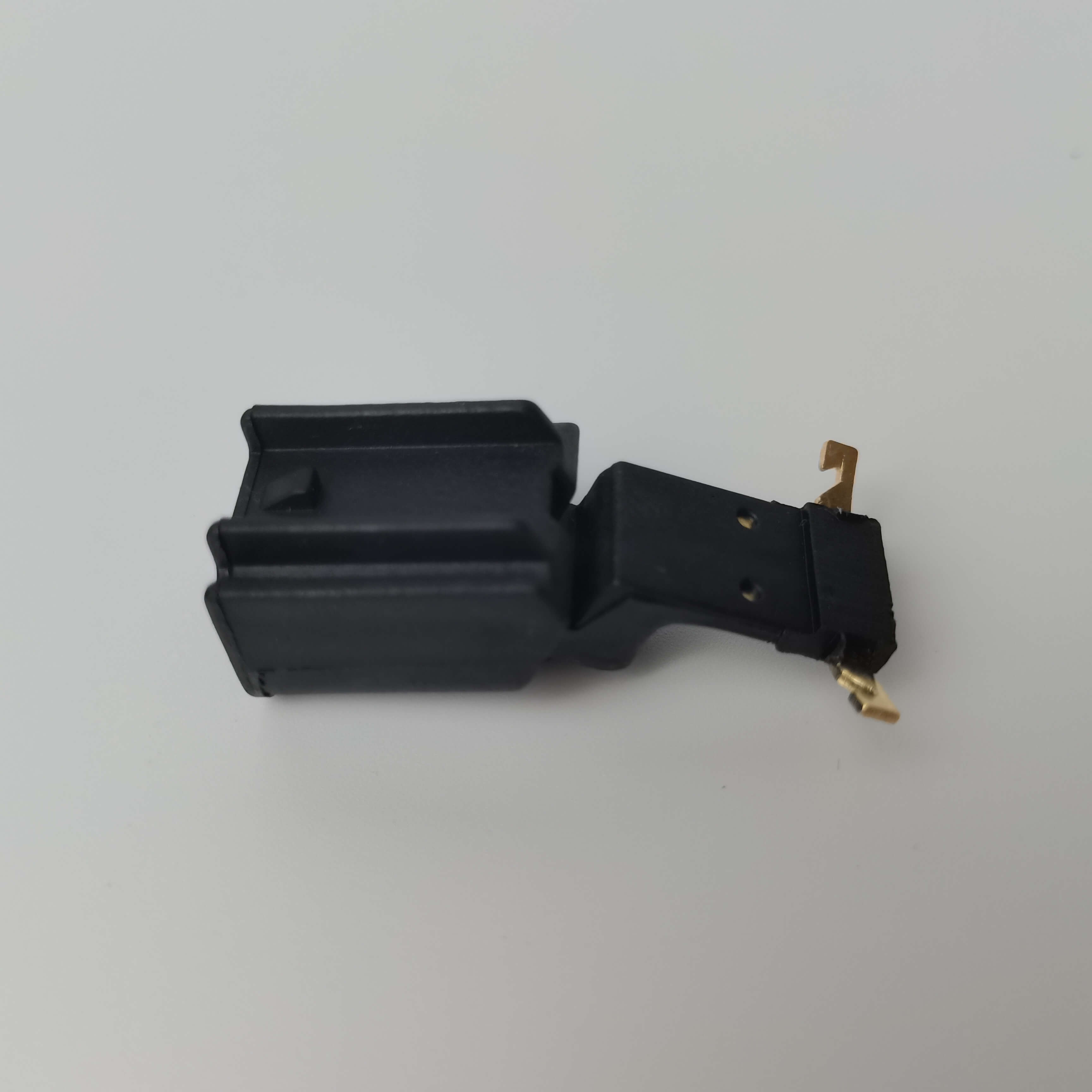
Introduction to the Company's Technical Strength: Comprehensive Breakthroughs in Equipment, Technology, and Systems
Nanpi Haokai Hardware Products Co., Ltd. has built a full-chain technology system covering design, processing, and testing through over two decades of technical accumulation. On the equipment level, the company is equipped with more than 30 stamping machines ranging from 30 to 250 tons, with the highest pressing frequency of high-speed precision presses reaching 1200 times per minute, capable of processing ultra-fine structures at the 0.05mm level. The combination application of CNC centering machines and automatic lathes has increased the one-time molding rate of complex-shaped parts to 98%, reducing secondary processing errors. In terms of technology, the company adopts "分级冲压+动态补偿" technology, which uses sensors to monitor the pressing force and displacement in real-time, automatically adjusting parameters, and controlling the contact sheet flatness within ±0.02mm, a 40% improvement over the industry average. In quality control, the company implements the ISO9001:2015 standard and introduces an AI vision detection system, which can identify surface defects at the 0.01mm level, with a detection efficiency of 2000 pieces per hour and a failure-to-detect rate below 0.2%. For example, the socket products for a new energy vehicle, after 100,000 times of insertion and extraction tests, the contact resistance change rate is only 0.3%, far exceeding the industry standard requirement of 5%.
FAQ: Low Voltage Socket Processing Technology Selection Guide
Q1: How to select the suitable stamping equipment for low-voltage socket processing?
A1: Key considerations for three parameters: Firstly, tonnage matching, for processing thin plates below 0.5mm, it is recommended to choose a 60-100 ton punch press to balance precision and efficiency; secondly, speed and stability, high-speed punch presses (≥800 times/min) are suitable for mass production, but hydraulic cushioning devices are required to reduce vibration; thirdly, mold compatibility, prioritize equipment that allows for quick mold changes to shorten production transition time. For example, Haokai Company's 120-ton high-speed punch press, driven by a servo motor, reduces mold change time from 2 hours to 15 minutes, increasing single-shift capacity by 30%.
Q2: How to solve the cumulative dimensional error in multi-station processing?
A2: The "workstation synchronization calibration + online measurement feedback" technology can be adopted. Firstly, during the mold design phase, optimize the processing sequence of each workstation through CAE simulation to reduce stress transmission; secondly, add a laser measurement instrument after the key workstations to collect size data in real-time and feed it back to the control system, automatically adjusting the parameters of subsequent workstations. For the plug supplied by Haokai Company for a medical device, this technology has controlled the cumulative error of 10 workstations from ±0.15mm to ±0.05mm, raising the product pass rate from 92% to 99.5%.
Q3: How does an AI vision inspection system enhance quality inspection efficiency?
A3: The AI system, utilizing deep learning algorithms, can simultaneously detect over 10 types of defects such as surface scratches, burrs, and deformation, with a detection speed over 10 times faster than traditional manual methods. Its core advantages include: first, adaptive learning, which allows for quick training of detection models for different products; second, data traceability, where each product's detection images and parameters are automatically archived for quality traceability; third, linkage with the production system, which automatically stops the machine and alarms when defects are found, reducing batch defects. The AI detection line deployed by Haoke Company has reduced the failure rate of outlet products from 0.5% to 0.03%, resulting in an annual reduction of quality loss exceeding 2 million yuan.
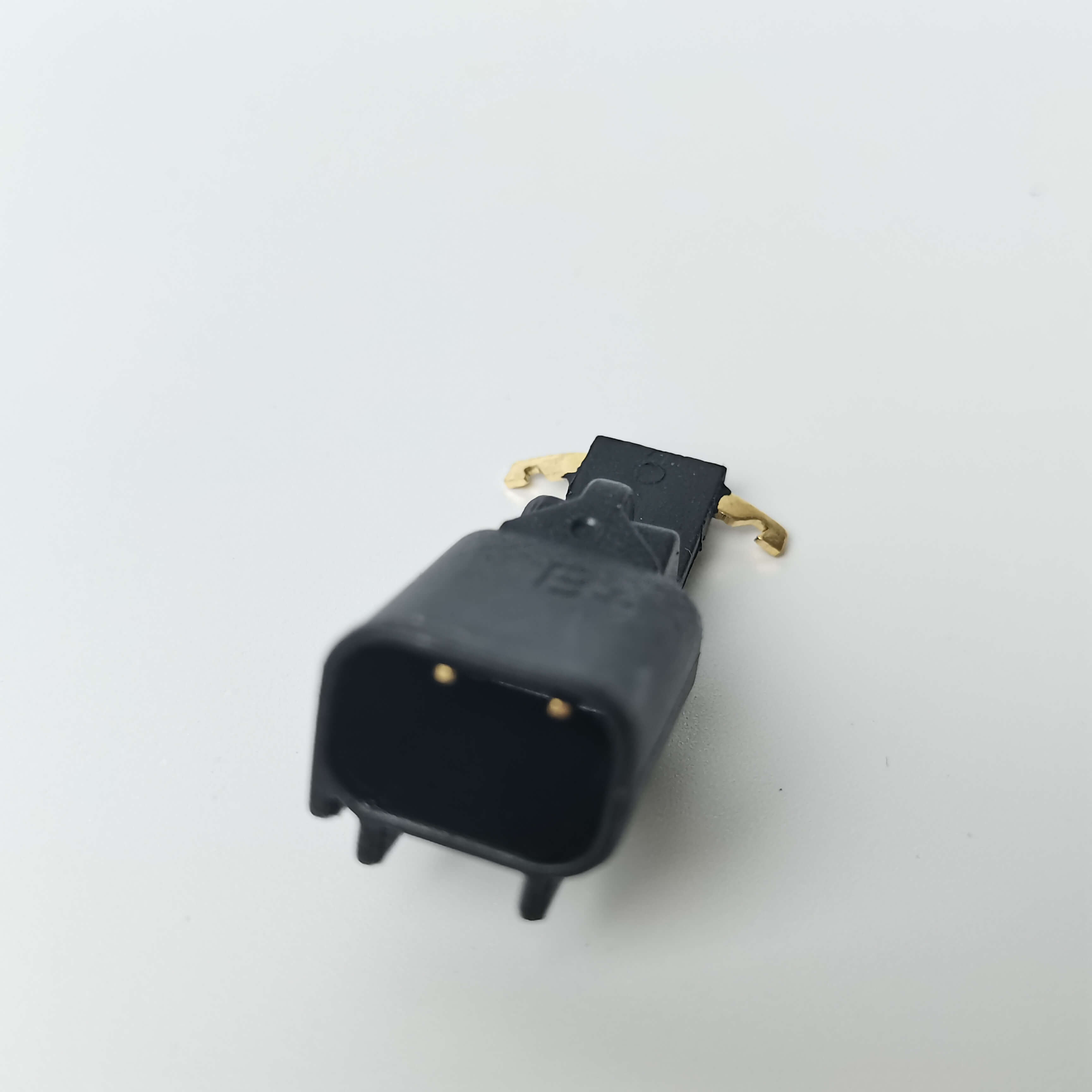
Technology drives quality, systems ensure reliability.
The technical upgrade of low-voltage socket processing should revolve around three core aspects: equipment accuracy, process control, and quality inspection. The practice of Naping Haokai Hardware Products Co., Ltd. shows that by introducing advanced equipment such as high-speed precision stamping presses and CNC core machines, combined with "graduated stamping + dynamic compensation" technology and AI vision detection system, it can significantly improve product accuracy and production efficiency, while reducing quality risks. For industrial enterprises, the selection of technology should be combined with their own production capacity and product positioning, prioritizing the resolution of key indicators affecting safety and reliability, and gradually building a comprehensive quality control system covering the entire process to gain a competitive edge.