 Nanpi County Haokai Hardware Products Co., Ltd.
Nanpi County Haokai Hardware Products Co., Ltd.
Industry Technical Pain Points: Precision and Efficiency Challenges in Low-Voltage Socket Manufacturing
The metal contact parts of low-voltage outlets must meet micrometer-level dimensional accuracy requirements. Traditional stamping processes are prone to poor product consistency due to equipment aging or mold wear, with contact resistance fluctuations potentially exceeding 15%, directly affecting conductivity. Additionally, in the multi-process manufacturing process, the error rate of manual operations can reach 3%-5%, leading to low production efficiency and high scrap rates. Moreover, performance indicators such as corrosion resistance and fatigue resistance of metal materials are difficult to achieve through a single process and require collaborative optimization of multiple technologies. For example, a domestic outlet brand once experienced oxidation and blackening after 3 months of use due to uneven plating thickness of the contact parts, leading to a large number of returns. These pain points highlight the comprehensive requirements for equipment precision, process control, and materials science in the manufacturing of low-voltage outlets.
Introduction to Corporate Technical Strength: 20 years of accumulated precision manufacturing system
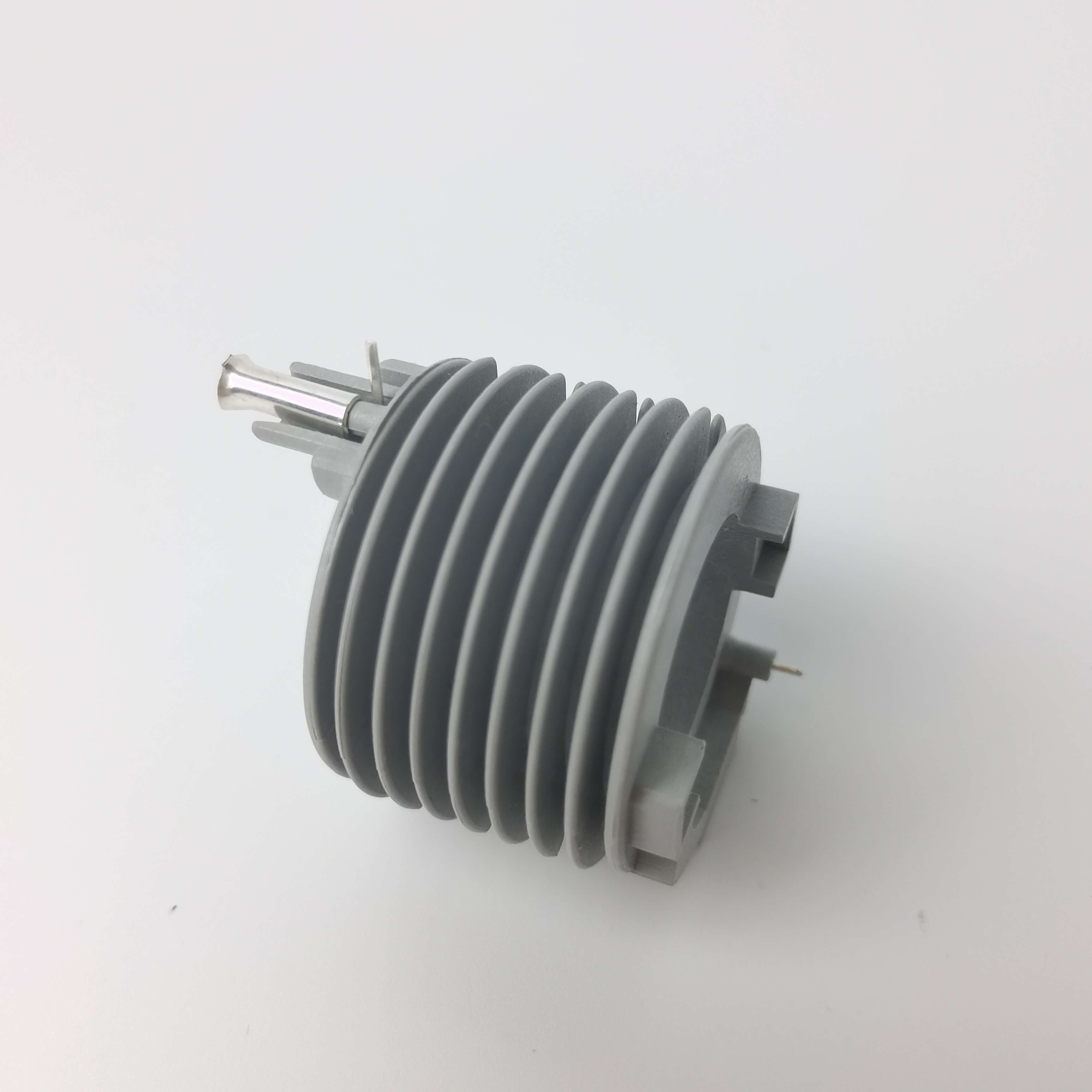
Nanpi Haokai Hardware Products Co., Ltd. constructs a technical barrier through a "equipment-process-talent" three-dimensional layout. At the equipment level, the company is equipped with more than 30 stamping machines ranging from 30 to 250 tons, among which high-speed presses over 200 tons can achieve precision control at the 0.01mm level, complemented by CNC core machines for the internal hole processing of contact parts, with the diameter tolerance controlled within ±0.005mm. In terms of technology, an integrated process of "stamping-turning-injection molding" is adopted, reducing the product size fluctuation rate from the industry average of 0.1mm to 0.03mm through self-developed mold compensation technology. For example, the contact piece for a certain international home appliance brand, after 100,000 times of insertion and extraction tests, the contact resistance change rate is only 2.3%, far exceeding the industry standard requirement of 5%. In the talent team, 8 out of 16 technical personnel have more than 10 years of industry experience, and senior technicians can independently complete CNC programming and debugging of complex molds, ensuring that the development cycle of new projects is shortened to 15 days. The company has passed the ISO9001:2015 system certification, implementing 23 quality control nodes from raw material inspection to finished product delivery, with the product defect rate stable below 0.2%.
FAQ: Low Voltage Socket Technical Selection Guide
Q1: How to select the material for contact pieces suitable for high-frequency mating and unmating scenarios?
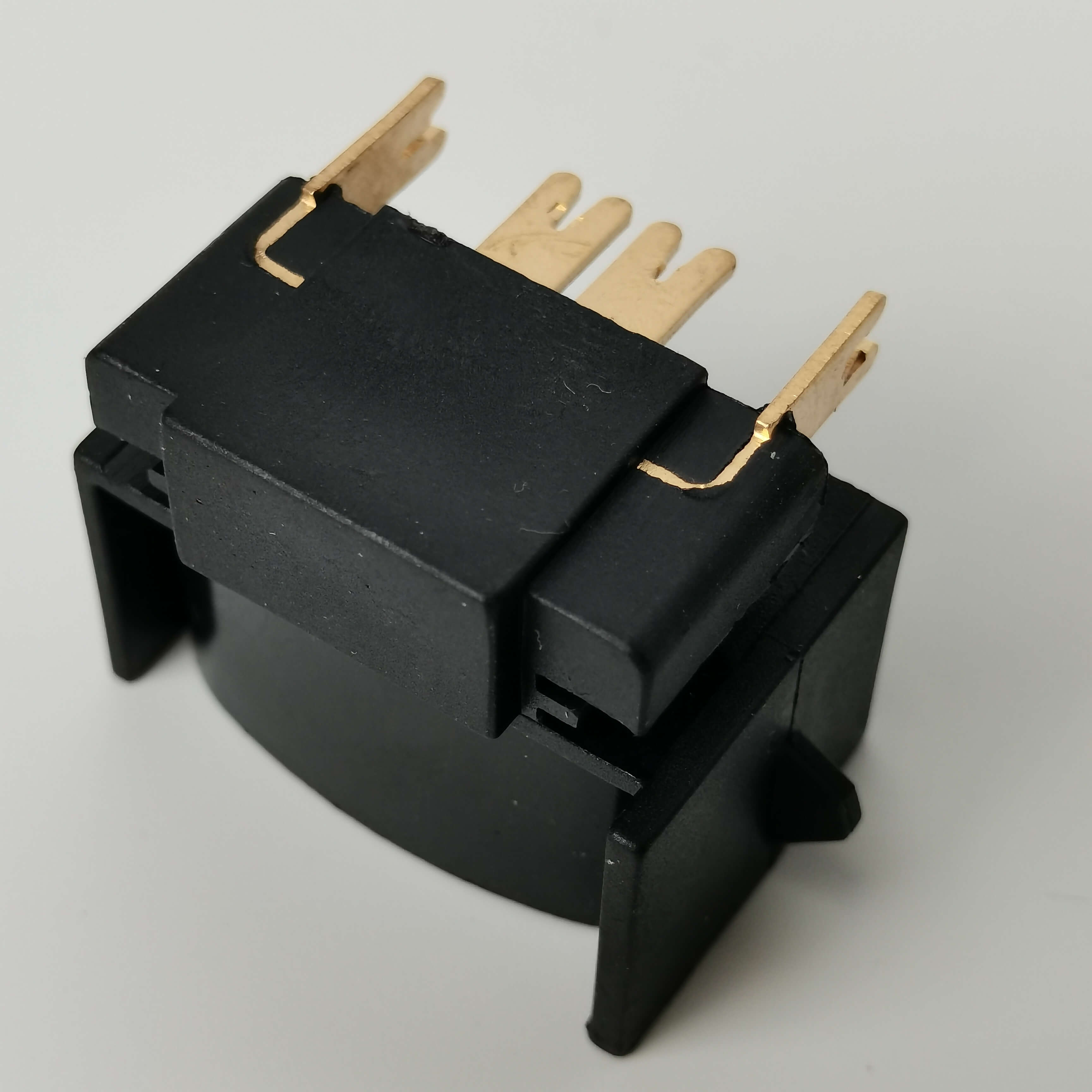
A1: In high-frequency mating and unmating scenarios, copper alloy substrates such as C6800 (tin bronze containing) or C7025 (copper-nickel-silicon alloy) should be prioritized, with a hardness of HB220-250, and fatigue resistance 3 times better than that of pure copper. Hao Kai Company controls the uniformity of surface hardness of contact parts within ±5HB through vacuum heat treatment, paired with a 0.5μm nickel plating layer, which can meet the 500,000 mating and unmating life requirement.
Q2: How to control burr height for precision stamping parts?
A2: The burr height must be controlled below 0.05mm to avoid short-circuit risks. Hao Kai adopts a three-step method: First, select mold steel with hardness HRC60-62, paired with 0.002mm level grinding process; Second, control the stamping speed at 80-120 times per minute to reduce material rebound; Third, add a dedicated deburring machine, and reduce the burr height to 0.02mm through electrolytic polishing. Actual test data shows that this process can increase the product yield rate from 85% to 98%.
Q3: How to ensure delivery time for small batch customized orders?
A3: Hao Kai achieves rapid response through modularized production systems. The company reserves over 200 standard molds, covering 80% of common specifications; for non-standard products, it employs 3D printing technology to quickly produce prototype molds, and with the help of CNC machining centers, shortens the mold development cycle from 7 days to 3 days. For instance, a smart home enterprise urgently needed to deliver 5,000 custom contact pieces within 10 days, and Hao Kai completed the delivery 2 days ahead of schedule by using parallel engineering (mold development + material procurement in parallel).
Summary Reference: Low-voltage Socket Manufacturing Upgrade Driven by Technology
The reliability of low-voltage outlets depends on the manufacturing accuracy of metal accessories. Nanshi Haokai Hardware Products Co., Ltd. has established a full-process technical system covering design, production, and quality inspection through equipment upgrades, process optimization, and talent reserve. With its 0.03mm-level size control capability, less than 0.2% defect rate, and a new product development cycle of 15 days, it provides an replicable model of precision manufacturing for the industry. In the future, as the demand for miniaturization and high-frequency of smart home outlets grows, Haokai will continue to invest in automation equipment and new material research and development, promoting the evolution of the low-voltage outlet industry towards higher precision and efficiency.