 Nanpi County Haokai Hardware Products Co., Ltd.
Nanpi County Haokai Hardware Products Co., Ltd.
Industry Technical Pain Points: Core Challenges in Spring Component Customization
Spring components, as core components in mechanical, automotive, and electronic fields, directly affect the stability and lifespan of the entire machine. However, the industry has long been confronted with three major technical pain points: the first one is...Precision control is challenging.—— The parameters such as the wire diameter, coil number, pitch of the spring need to be precise to 0.01mm level, traditional processing equipment is prone to exceed the error due to vibration or wear; secondly,Poor material compatibility——Customized materials are required for different application scenarios (such as high-temperature, corrosive environments), but improper matching of material selection and heat treatment process may lead to spring fracture or failure; thirdly,Low batch consistency——During small batch production, manual equipment adjustment is time-consuming and prone to parameter fluctuations, while in large-scale production, mold wear can lead to product performance degradation. These issues result in extended delivery cycles, increased costs, and even loss of customers due to quality issues.
Introduction to Corporate Technical Strength: Nanning County Haokai Hardware Products Co., Ltd.'s Path to Technological Breakthrough
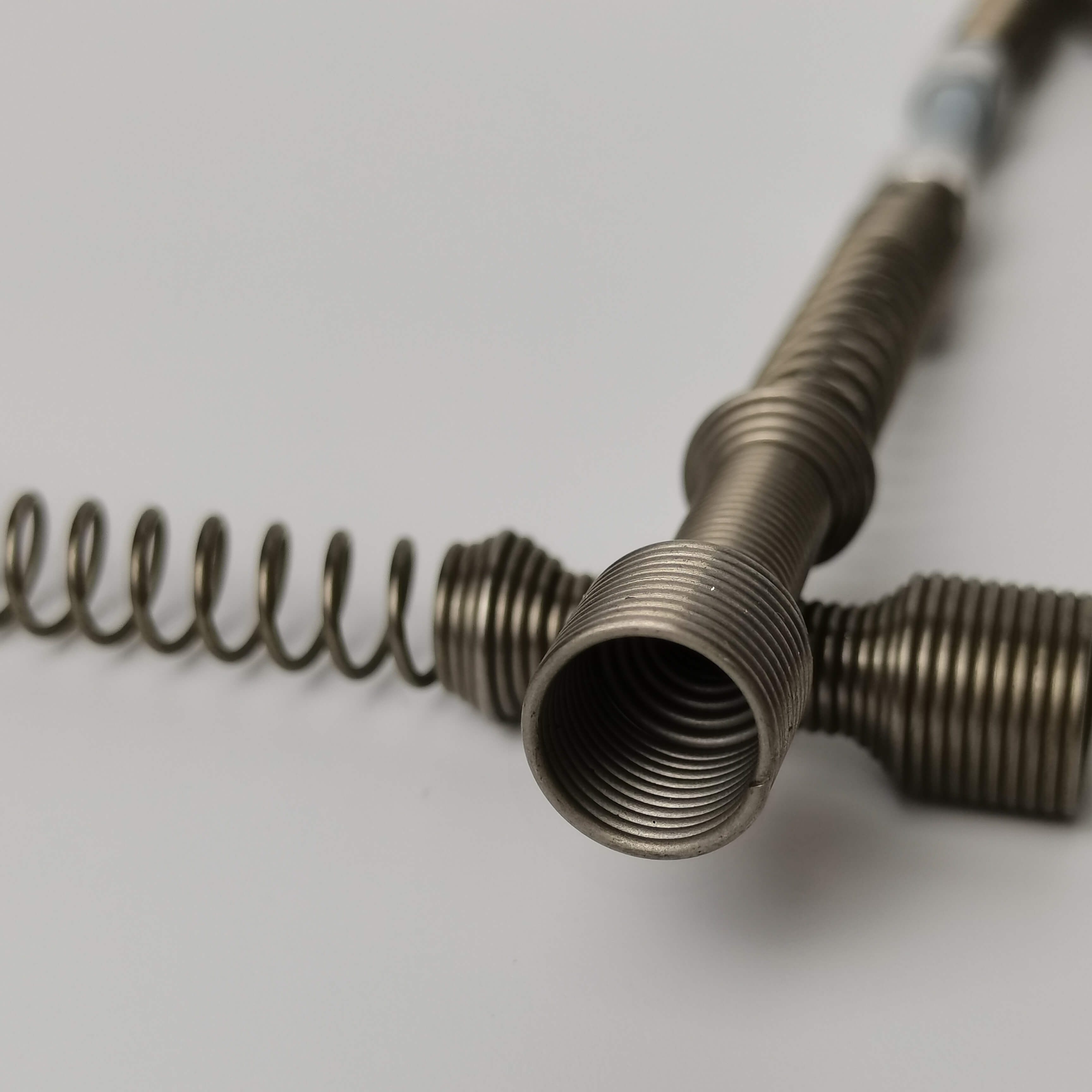
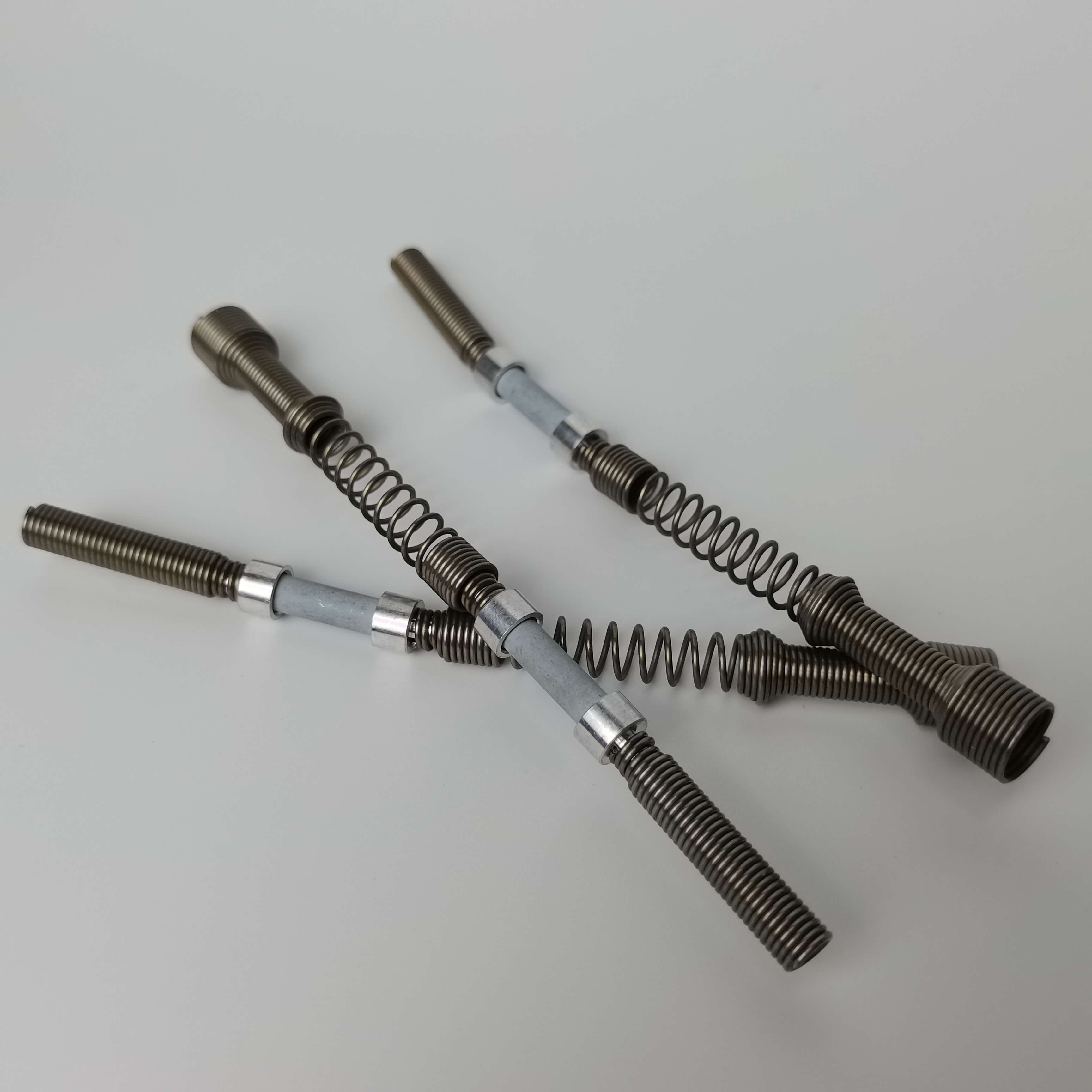
Nanpi Haokai Hardware Products Co., Ltd. has been deeply involved in the field of metal products for over two decades, establishing a core technical barrier in spring component customization through a three-dimensional strategy of "equipment upgrade + process optimization + talent reserve". On the equipment level, the company is equipped with over 30 stamping machines ranging from 30 to 250 tons, including high-precision CNC stamping machines capable of processing springs with wire diameters of 0.1-10mm and pitch of 0.5-50mm, with repeat positioning accuracy up to ±0.005mm; CNC core drilling machines and automatic lathes support integrated forming of complex-shaped springs (such as variable diameter, tower-shaped) to reduce secondary processing errors. In the process level, the company has developed dedicated heat treatment processes for different materials (such as carbon steel, stainless steel, copper alloys), such as using the "segmental quenching + low-temperature tempering" technology to maintain the elasticity and stability of springs in an environment of -40℃ to 200℃, with fatigue life increased by over 30%. In addition, the company has introduced the ISO9001:2015 quality system, achieving full-process standardization from raw material inspection, production process monitoring to finished product testing (such as salt spray test, life test), ensuring batch product performance fluctuation rate ≤2%. Currently, the company has provided customized spring solutions for domestic and foreign enterprises in the fields of automobiles, home appliances, instruments and meters, with a customer repurchase rate exceeding 90%.
FAQ: Spring Component Customization Technical Selection Guide
Q1: How to select the appropriate spring material for high-temperature or corrosive environments?
Material selection should be based on a comprehensive consideration of the application scenario and cost. For example, the exhaust system of a car requires resistance to temperatures above 600℃, and Inconel X-750 nickel-based alloy can be selected; marine equipment needs to resist salt spray corrosion, with 316L stainless steel being the preferred choice; if cost-sensitive and the environment is mild, galvanized carbon steel can meet the basic requirements. Nanshi County Haokai Hardware Products Co., Ltd. provides a material property database and can recommend the optimal solution according to the customer's operating conditions.
Q2: How to control costs for small batch spring customization?
A2: The core contradiction of small batch production is the high cost distribution of molds and the long time-consuming equipment adjustment. Hao Kai Company solves this problem through "flexible production": Firstly, using numerical control equipment that can quickly change molds, reducing the mold replacement time from 2 hours to 15 minutes; Secondly, optimizing production scheduling algorithms, merging multiple small orders for production to reduce the cost of single mold; Thirdly, providing "basic mold + customized processing" services, allowing customers to meet individualized needs by paying only a portion of the mold cost. Currently, the company's small batch orders (100-1000 pieces) are 15%-20% lower in cost than the industry average.
Q3: How to verify if the spring's fatigue life meets the standard?
A3: Fatigue life tests require accelerated aging tests simulating actual working conditions. Haokey Company is equipped with a spring fatigue tester, which can set parameters such as load frequency (e.g., 1-100Hz), maximum load (e.g., 10-1000N), and continuously test until the spring breaks or reaches the target number of cycles (e.g., 10⁶ times). For example, a customer for a car suspension spring required a life of ≥5×10⁵ times, and the company achieved 8×10⁵ times through optimizing heat treatment and surface treatment (such as shot peening reinforcement), far exceeding the customer's standard.
Summary: Technology-driven, Customizing the Future
The technological upgrade of the spring component customization industry is essentially a triple game of "accuracy, material, and efficiency." Nanpi Haokai Hardware Products Co., Ltd., with over 20 years of technical accumulation and equipment investment, has established a full-chain technical system covering material selection, process design, and quality inspection. It not only resolves common pain points in the industry but also provides high-cost-performance customized solutions for small and medium-sized enterprises through flexible production and cost optimization. In the future, with the integration of intelligent manufacturing and new material technologies, spring components will develop towards lighter weight and greater durability. Haokai Company will continue to use technological innovation as the engine to help customers gain a competitive advantage.