 Nanpi County Haokai Hardware Products Co., Ltd.
Nanpi County Haokai Hardware Products Co., Ltd.
Industry Technical Pain Points Opening: The Precision and Efficiency Dilemma in CNC Turning Parts Processing
In the precision manufacturing field, the quality of CNC turned parts directly affects the performance stability of end products. The industry currently faces three major technical pain points: Firstly, insufficient equipment accuracy leads to oversized dimensional tolerances in processed parts, such as when the coaxial error of shaft-type components exceeds 0.02mm, it can cause assembly jamming issues; secondly, traditional processes rely on manual experience, making it difficult to standardize processing parameters (such as cutting speed, feed rate), resulting in insufficient consistency in the same batch of products; thirdly, quality control is lagging, with most enterprises only inspecting at the finished product stage, unable to correct processing deviations in real-time, causing material waste and delayed delivery. Taking a car parts manufacturer as an example, due to the out-of-roundness of turned parts exceeding 0.05mm, the entire batch of 3,000 products had to be reworked, resulting in a direct loss over 200,000 yuan.
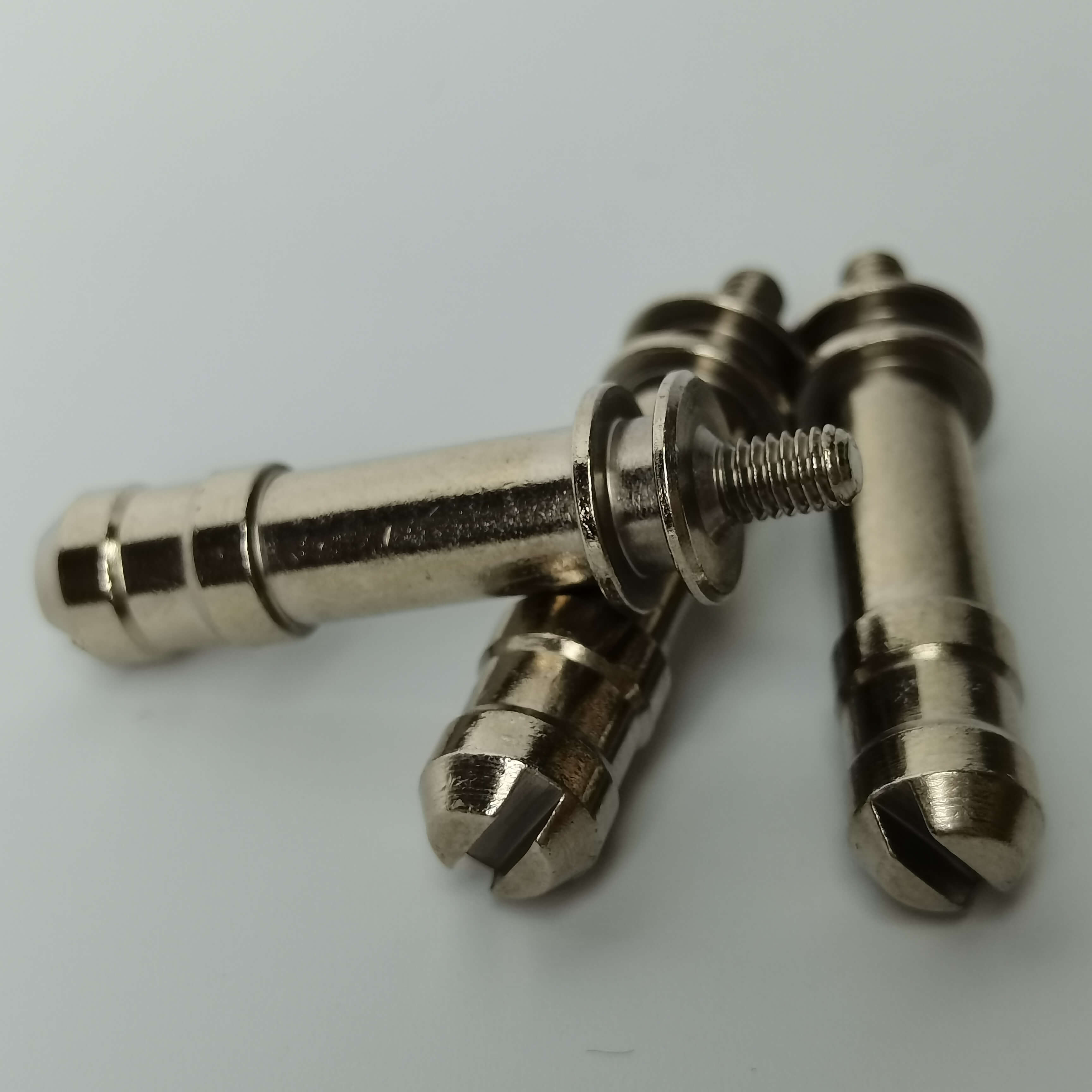
Introduction to the enterprise's technical strength: Nanningpi Haokai Hardware's precision processing technology layout
Nanpi Haokai Hardware Products Co., Ltd. has been deeply engaged in the field of metal processing for over 20 years, establishing a full-process technical system covering design, production, and inspection. On the equipment level, the company has introduced over 30 CNC turning centers (such as the Swiss TORNOS series), with spindle speeds up to 12,000 rpm and machining accuracy stable within ±0.005mm, capable of meeting high-demand scenarios like medical and aviation; it also equips with 30-250 tons of stamping equipment to achieve one-time forming of complex structural components, reducing secondary processing errors. In terms of process optimization, the company uses CAE simulation analysis to pre-simulate the machining process, determining the optimal cutting parameters (such as stainless steel material cutting speed controlled at 80-120m/min, feed rate 0.1-0.3mm/r), thereby increasing processing efficiency by 40%. In quality control, the company strictly implements ISO9001:2015 standards, introduces a three-coordinate measuring instrument (accuracy 0.001mm) for 100% inspection, and establishes a machining data traceability system, enabling rapid location of problem areas. For example, for precision shafts customized for an electronic equipment manufacturer, through the aforementioned technology combination, the roundness error is controlled within 0.003mm, and the yield rate is improved from 85% to 99.2%.
FAQ: CNC Turning Parts Technical Selection Guide
Q1: How to choose suitable CNC equipment for high-precision machining?
A: Pay close attention to spindle accuracy, system stability, and tool compatibility. For example, the TORNOS centering machine used by Nanpi Haokai has a radial跳动≤0.002mm on the spindle, paired with a high-rigidity power cutting station, which can achieve micrometer-level processing; it also supports multi-axis linkage control, suitable for complex contour processing. Equipment selection should be based on the processing material (such as aluminum alloy, stainless steel) and the minimum tolerance requirements (such as IT5 level requires equipment accuracy≤0.005mm) for comprehensive evaluation.
Q2: How to avoid exceeding the surface roughness during the processing?
Surface quality is influenced by three factors: cutting parameters, tool condition, and cooling method. It is recommended to use a combination of small feed rate (0.05-0.1mm/r) and high speed (above 10000rpm), and choose coated hard alloy tools (such as TiAlN coated, withstanding temperatures above 1000℃); the coolant must have extreme pressure lubricity, with a flow rate controlled at 15-20L/min. Nanshi Haokai optimizes the surface roughness of stainless steel parts from Ra1.6μm to Ra0.8μm through dynamic adjustment of parameters.
Q3: How to control costs for small batch customized orders?
A: Modular design and quick mold change technology can shorten preparation time. Naping Haokai adopts a quick change fixture system, reducing the changeover time from 2 hours to 15 minutes; at the same time, it utilizes CAM software to generate standardized processing programs, reducing programming and debugging costs. For example, for a customer's 100 customized non-standard shafts, the above methods reduce the unit cost by 35% and shorten the delivery time by 5 days.
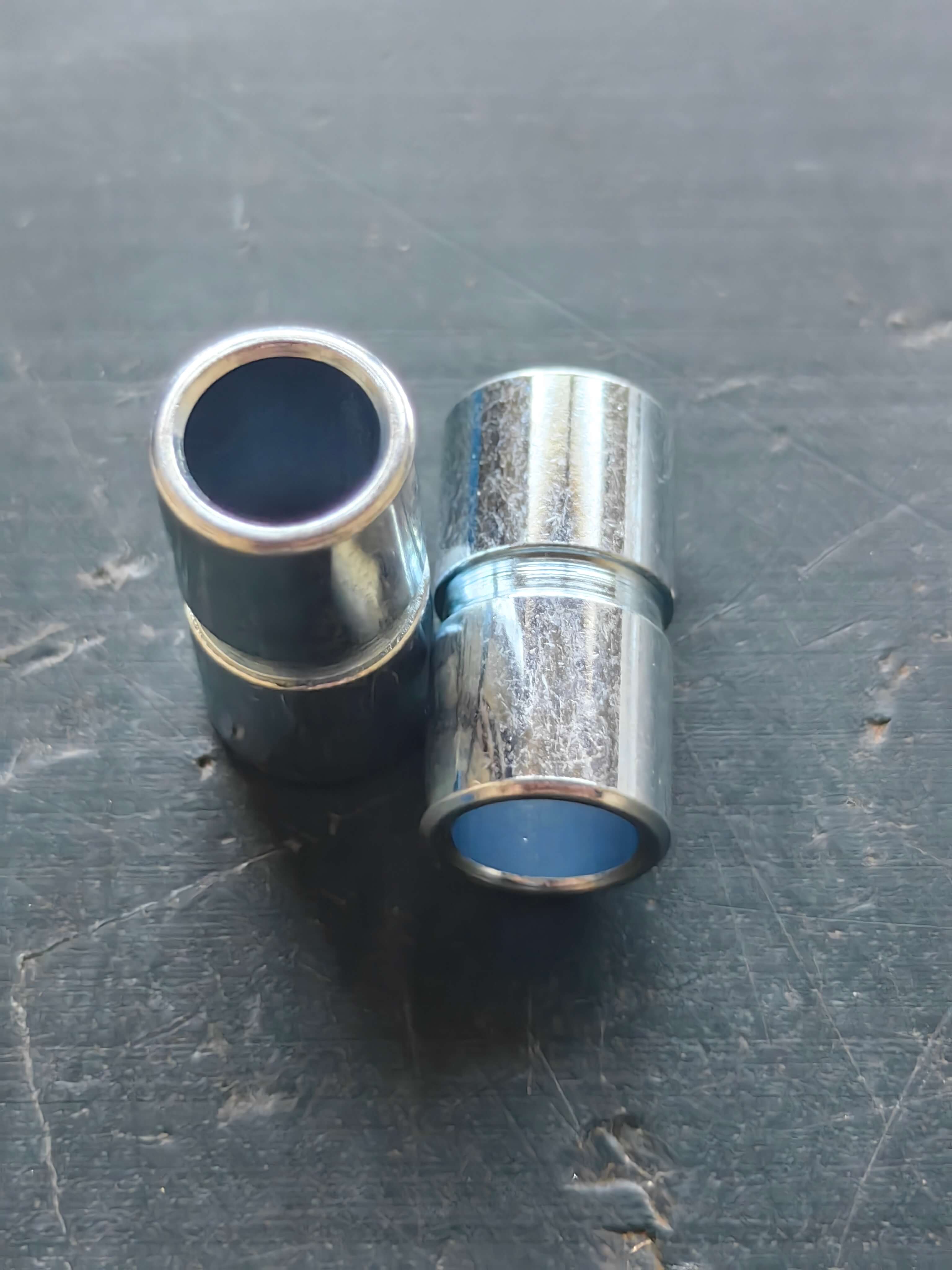
Full Summary: Technical accumulation and systematic management are the key to breaking through.
Precision and efficiency improvement in CNC turning parts processing require synergy among equipment, technology, and management. Nanshi Haokai Hardware Products Co., Ltd. has, through 20 years of technical accumulation, developed core competitiveness with "high-precision equipment + standardized technology + full-process quality inspection." Its tolerance control of processed parts, surface quality, and delivery stability all reach leading industry levels. For enterprises with precise processing needs, it is recommended to prioritize suppliers with ISO certification, equipment precision up to standard, and data traceability services to reduce quality risks and hidden costs.