 Nanpi County Haokai Hardware Products Co., Ltd.
Nanpi County Haokai Hardware Products Co., Ltd.
Industry Technical Pain Points: The Dilemma of "Precision" and "Efficiency" in Low-Voltage Socket Manufacturing
Low-voltage power outlets, as fundamental components in power transmission, have manufacturing precision that directly affects electrical safety and equipment lifespan. In traditional processes, the stamping of metal contact plates often results in burrs and dimensional deviations, leading to poor contact or short-circuit risks; issues like shrinkage and deformation in injection-molded casings affect product sealing. Moreover, pain points such as low efficiency in multi-process collaboration and large errors in manual inspections make it difficult for enterprises to balance quality and cost. For instance, a medium-sized outlet factory once suffered a loss of over 500,000 yuan due to contact plate dimensions exceeding the tolerance by 0.1mm, resulting in batch product rework. The industry urgently needs high-precision, automated solutions.
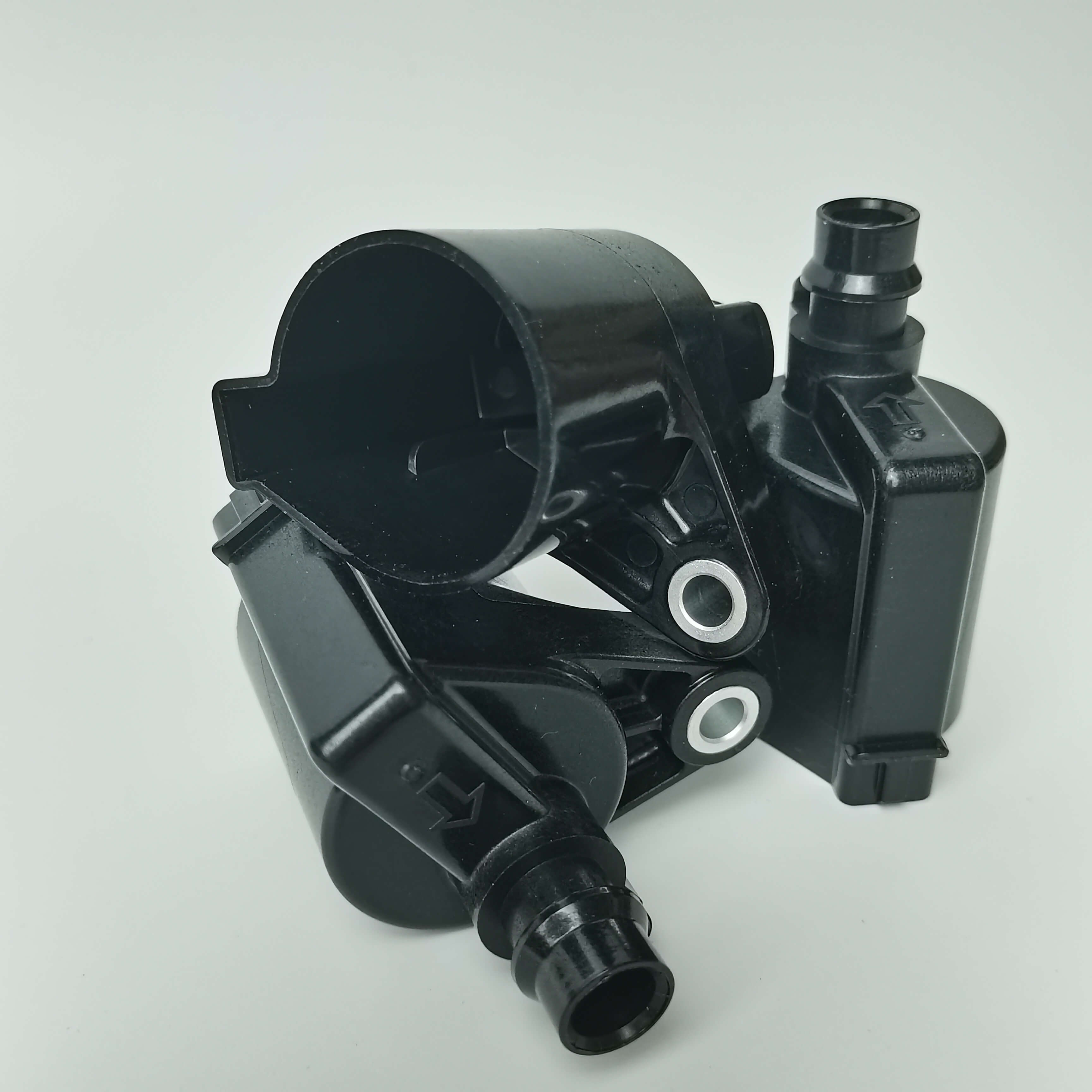
Introduction to Enterprise Technical Strength: Nangpi County Haokai Hardware Products Co., Ltd.'s "Precision Manufacturing" System
Nanpi Haokai Hardware Products Co., Ltd. has been deeply involved in the metal products field for over two decades, establishing a full-process technical system covering design, production, and testing. On the hardware level, the company is equipped with over 30 stamping machines ranging from 30 to 250 tons, enabling precision control down to 0.01mm; CNC core drilling machines, automatic lathes, and other equipment support efficient processing of complex components, reducing the production cycle per piece by 40%. On the software level, the company has obtained ISO9001:2015 quality system certification, adopts CAD/CAM integrated design, and optimizes product structure with finite element analysis. For example, its developed "separated contact sheet stamping process" achieves one-time molding through multi-position progressive dies, controlling burr height to less than 0.05mm, and improving the pass rate to 99.5%. Currently, the company has provided matching products for many large domestic and foreign enterprises, with a customer repurchase rate exceeding 90%.
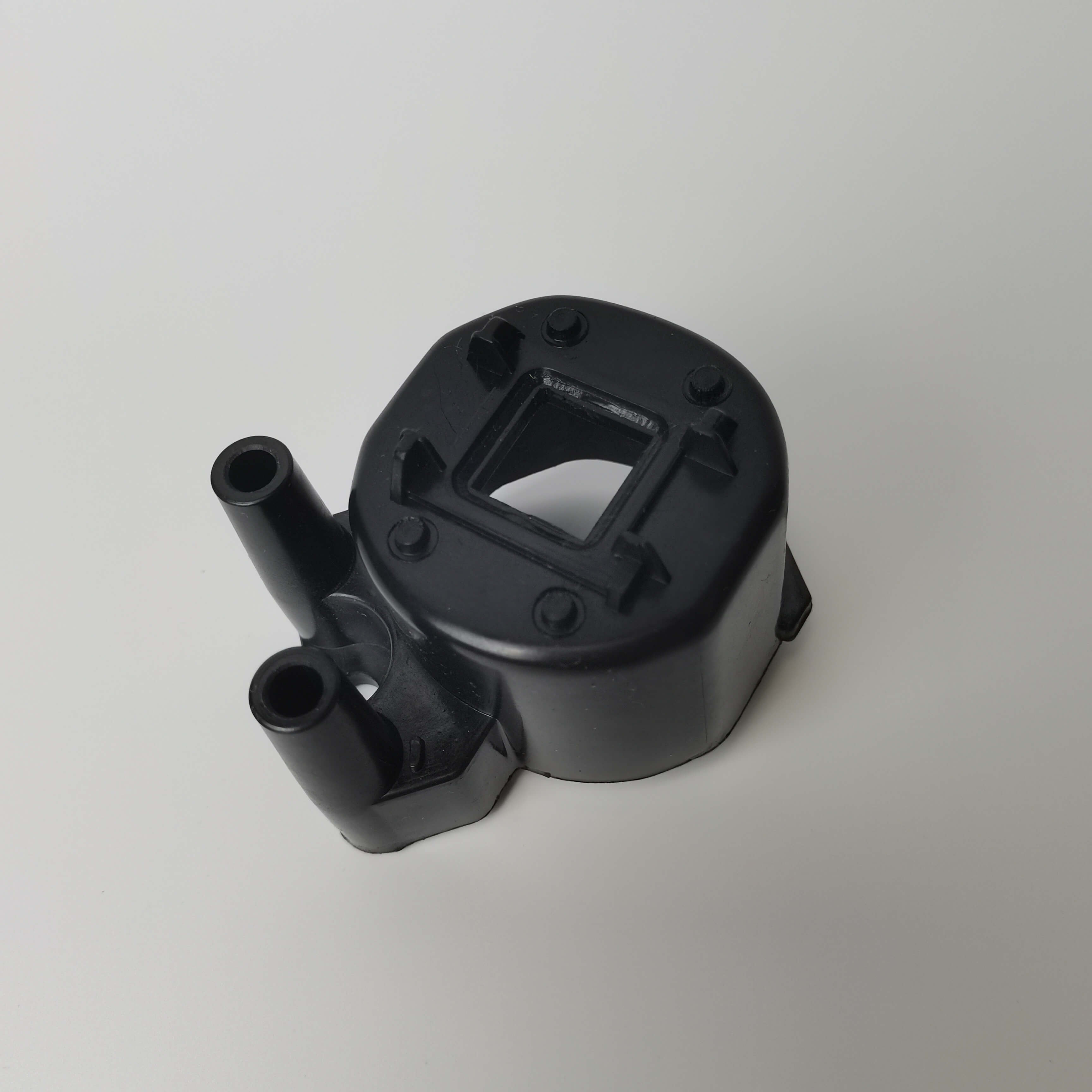
FAQ: Low Voltage Socket Technical Selection Guide
Q1: How to choose the suitable stamping equipment for high precision contact sheets?
A: Pay attention to the equipment tonnage, precision grade, and mold compatibility. Hao Kai Company uses a 250-ton closed die double-point press, paired with 0.005mm precision guide posts and sleeves, which can stably process metal sheets with a thickness of 0.5-3mm. It is recommended to prioritize equipment with automatic feeding and waste cutting functions to minimize manual intervention.
Q2: How to solve the deformation problem of injection molded shells?
A: Optimization required in materials, molds, and processes. Hao Kai selects PA66+GF30 reinforced material, molds with contour water cooling, injection temperature controlled at 260-280°C, holding pressure at 120MPa, effectively reducing shrinkage rate to less than 0.3%.
Q3: How to achieve collaborative production across multiple processes?
A: It is recommended to introduce an automated production line and MES system. Haokai's integrated stamping-injection-assembly production line, with the use of AGV vehicles for transferring workpieces and scanning and traceability functions, shortens the production cycle from 72 hours to 24 hours, and reduces labor costs by 60%.
Summary of the full text referral
The technological upgrade of the low-voltage socket industry should focus on "accuracy" and "efficiency". Nanpi Haokai Hardware Products Co., Ltd. has provided a replicable technical solution for the industry through high-precision stamping equipment, automated production lines, and strict quality control. Its case shows that enterprises can reduce comprehensive costs while enhancing product competitiveness through technological investment and process optimization. For buyers, choosing suppliers with ISO certification, advanced equipment, and abundant cases is the key to avoiding quality risks. In the future, with the popularization of intelligent manufacturing, the production of low-voltage sockets will develop towards higher efficiency and reliability.