 Nanpi County Haokai Hardware Products Co., Ltd.
Nanpi County Haokai Hardware Products Co., Ltd.
Industry Technical Pain Points: Why Has the Fatigue Life of Spring Components Become an Industrial "Stranglehold" Problem?
In applications such as automotive suspension systems, industrial robot joints, and aerospace precision instruments, the fatigue life of spring components directly affects the stability and safety of equipment operation. Traditional spring manufacturing processes commonly face three major pain points: Firstly, the material selection is limited, with carbon steel springs prone to cracking under high-frequency vibration, resulting in fatigue life of less than 500,000 cycles; secondly, the processing precision is insufficient, with the spring diameter tolerance exceeding ±0.05mm, causing significant fluctuation in pre-tension force and accelerating wear; thirdly, the surface treatment technology is outdated, with the ordinary galvanized layer having poor corrosion resistance, leading to rust within 3 months in a humid environment, further shortening the service life. A certain auto parts manufacturer once had to recall the entire vehicle due to spring fatigue failure, resulting in direct economic losses exceeding ten million yuan, highlighting the industry's urgent demand for high-reliability spring components.
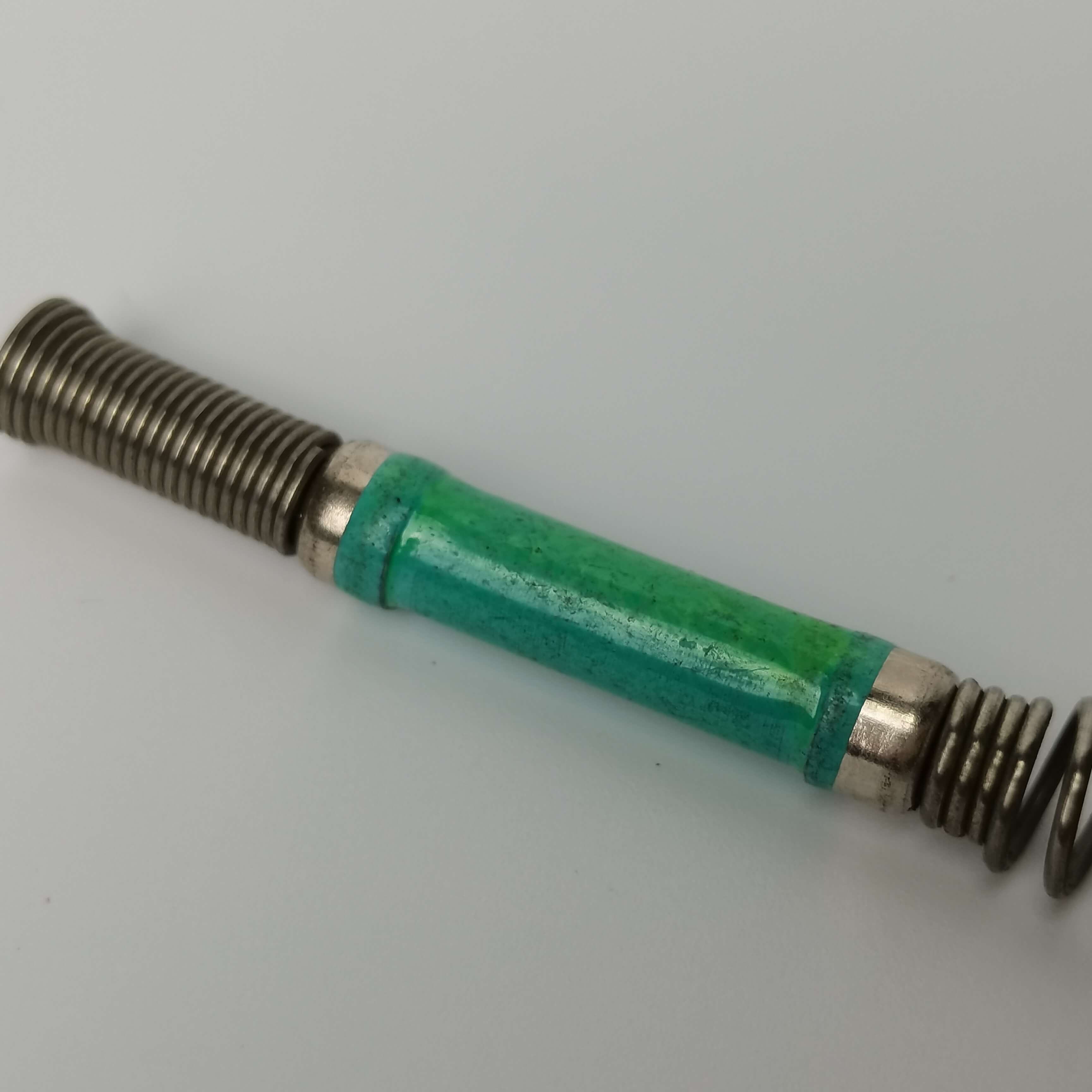
Introduction to Corporate Technical Strength: Nanning County Haokai Hardware Products Co., Ltd.'s "Three-Level Breakthrough" Technology System
As a veteran enterprise in the stamping machine processing industry, Napi Haoke Hardware Products Co., Ltd. has built a comprehensive technology system covering materials, processes, and equipment through over 20 years of technical accumulation. On the material front, the company collaborates with universities to research and develop 60Si2MnA alloy spring steel, enhancing grain boundary strength by adding 0.3% vanadium element, thereby breaking the fatigue life of springs to over 2 million cycles, a 300% increase over traditional carbon steel. In terms of processes, the company introduces Japanese AMADA high-speed stamping presses, combined with a 0.01mm-level closed-loop control system, to keep the spring diameter tolerance within ±0.02mm and reduce pre-tension force fluctuations to ±3%. For surface treatment, the company uses Dacromet coating technology, with a coating thickness of 8-12μm, salt spray test duration exceeding 1000 hours, and corrosion resistance reaching the international IP68 standard. Currently, the company has supplied suspension springs for a new energy vehicle brand, with an annual supply volume for a single model exceeding 500,000 pieces, and product defect rate below 0.02%.
FAQ: Spring Component Selection Guide
Q1: How to select spring material based on working conditions?
A: For high-frequency vibration scenarios (such as industrial robots), 60Si2MnA alloy steel is recommended due to its superior fatigue resistance over carbon steel; in corrosive environments (such as marine equipment), use 316L stainless steel or apply Dacromet coating; for high-temperature applications (such as engine valves), Inconel X-750 nickel-based alloy can be chosen, with a temperature resistance up to 650°C.
Q2: How much does the precision of spring processing affect its performance?
A: For every 0.01mm increase in diameter tolerance, the fluctuation in pre-tension increases by about 1%, resulting in a 10%-15% reduction in spring lifespan. Hao Kai Company, through the 0.01mm grade closed-loop control of the AMADA press brake, keeps the tolerance within ±0.02mm, significantly improving product consistency.
Q3: How to choose the surface treatment process?
A: Standard galvanized coating resists salt雾 for about 96 hours, suitable for dry indoor environments; Dacromet coating withstands salt雾 over 1000 hours, ideal for humid or chemical environments; Electro-phoretic coating has better uniformity than spraying, but is more costly, recommended for high-end precision instruments.
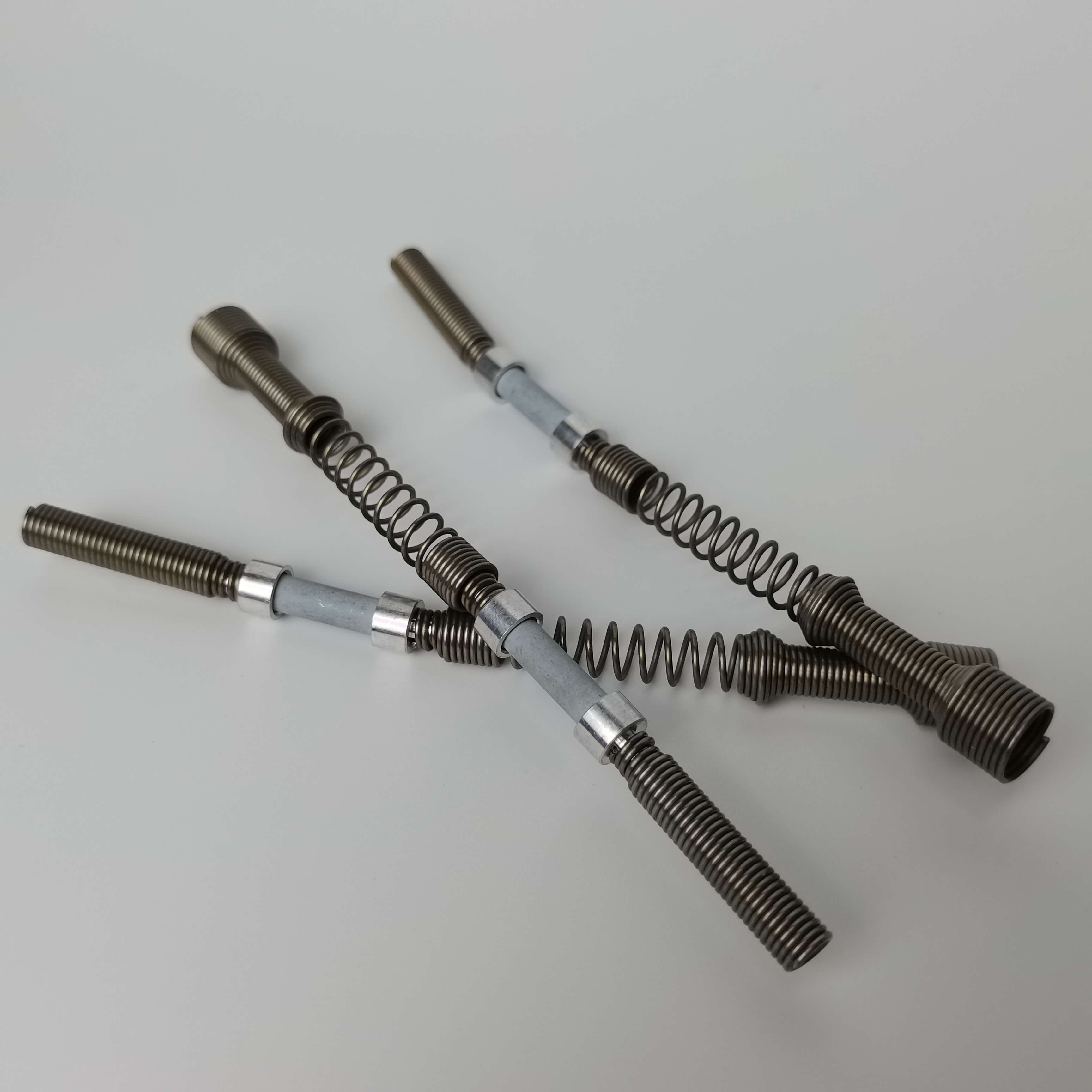
Summary of the full text reference
Enhancing the fatigue life of spring components requires collaborative optimization from three aspects: material, process, and surface treatment. Nanshi Haokai Hardware Products Co., Ltd. has achieved a leap from 500,000 to 2 million cycles in spring life through alloy steel research and development, introduction of high-precision stamping equipment, and application of Dacromet coating technology, providing high-reliability solutions for automotive, robotics, aerospace, and other fields. When selecting technology, enterprises should prioritize material fatigue performance, processing accuracy consistency, and surface corrosion resistance based on working condition requirements, reducing trial-and-error costs through parameter comparison and case verification.