 Nanpi County Haokai Hardware Products Co., Ltd.
Nanpi County Haokai Hardware Products Co., Ltd.
Industry Technical Pain Points: Precision and Reliability Challenges of Low-Voltage Plugs
Low-voltage power outlets, as basic components for electrical power transmission, have their technical core in the precision of contact points and the reliability over long-term use. In the traditional production of low-voltage power outlets, there are often three major pain points: Firstly, insufficient stamping precision leads to large fluctuations in contact resistance, affecting the efficiency of power transmission; secondly, the mismatch between material selection and heat treatment processes easily causes oxidation or loosening of contact points; thirdly, poor size consistency in mass production increases assembly difficulties and failure rates. For example, a household appliance company once experienced a 15% increase in product return rate due to poor outlet contact, resulting in direct losses exceeding a million yuan. These pain points not only restrict the performance improvement of low-voltage power outlets but also become key bottlenecks hindering the high-quality development of the industry.
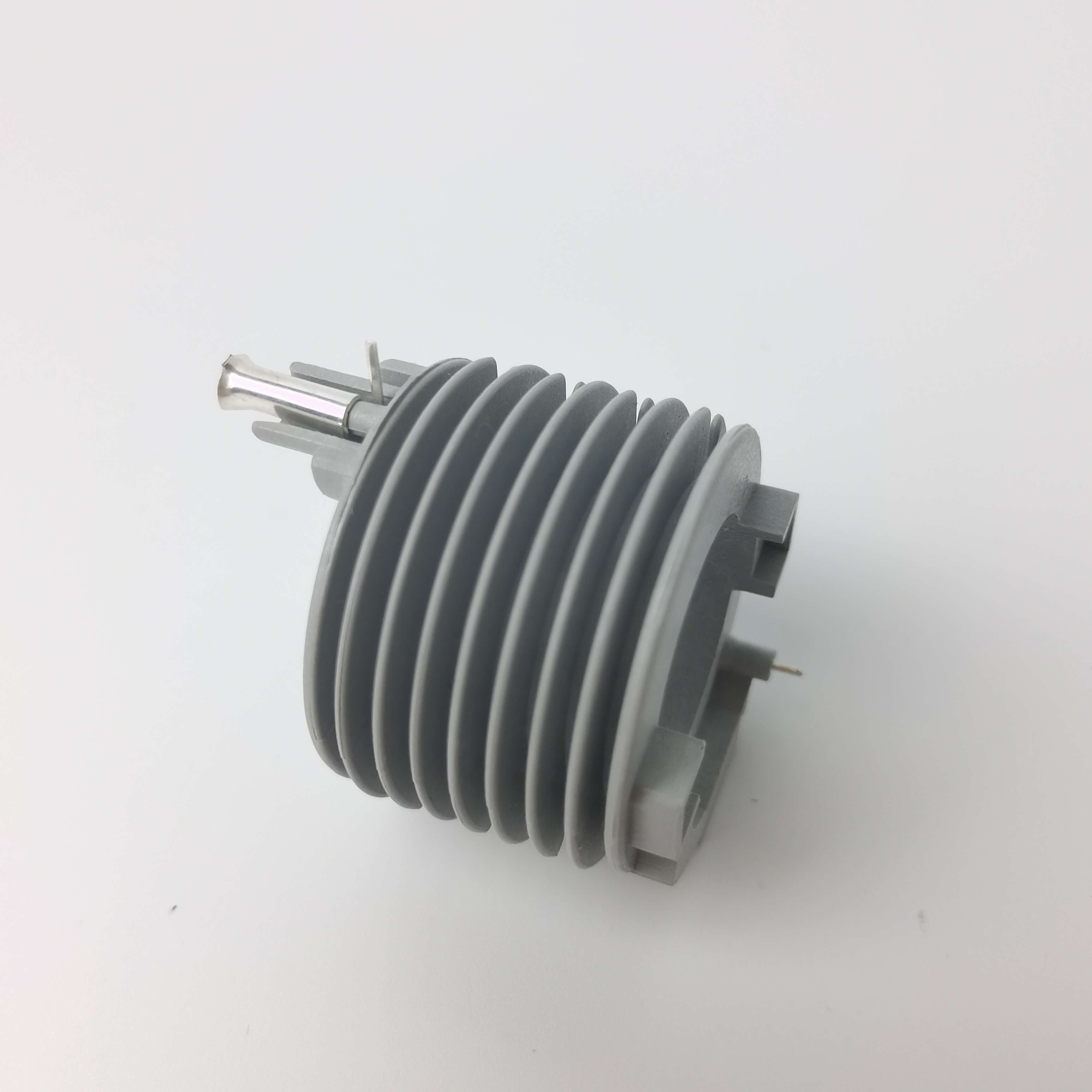
Introduction to Corporate Technical Strength: Nanning County Haokai Hardware Products Co., Ltd.'s Innovative Practices
Nanpi Haokai Hardware Products Co., Ltd., leveraging the locational advantage of the Bohai Economic Circle, has been deeply engaged in the design and production of metal products for over two decades, forming a technical layout centered around precision stamping. The company currently has over 30 stamping machines ranging from 30 to 250 tons, over 30 processing equipment such as CNC centerless grinding machines and automatic lathes, capable of precise processing of metal sheets from 0.1mm to 50mm thickness, with tolerances controlled within ±0.02mm. In terms of material selection, the company uses a composite structure of high-conductive copper alloys (such as C11000, C10200) and corrosion-resistant stainless steel (such as 304, 316L), enhancing the contact point hardness to HV200-250 through vacuum heat treatment, significantly reducing oxidation risks. The technical team consists of 16 professional technicians, including 7 senior technicians with an average of over 10 years of experience, who have led the development of the 'multi-position progressive die + servo stamping' technology, reducing the production cycle of individual parts to 3 seconds and increasing efficiency by 40%. Currently, the company has provided over 5 million low-voltage sockets for customers in the home appliance, automotive, new energy, and other fields, with products passing international certifications such as UL, CE, and a failure rate of less than 0.05%.
FAQ: Low Voltage Socket Technical Selection Guide
Q1: How to select the appropriate material for low-voltage outlets in high-voltage environments?
A: In high-voltage scenarios, materials with high conductivity and arc resistance should be prioritized. For example, copper alloy C11000 has a conductivity of 100% IACS, suitable for voltages below 250V; for higher voltage resistance, copper tungsten alloys (such as CuW80) can be used, which can reach over 1000V in voltage resistance, but the cost increases by about 30%. In actual application, it is recommended to make a comprehensive evaluation based on voltage level, usage frequency, and cost budget.
Q2: What are the key parameters of precision stamping technology?
A: Core parameters include stamping speed, mold clearance, and material springback compensation. Taking the 250-ton stamping equipment from Haokai in Nanshi County as an example, the stamping speed is controlled at 50-100 times per minute, the mold clearance is set to 8%-12% of the material thickness, and the springback is predicted in advance through CAE simulation to ensure finished product size tolerance of ±0.02mm. In addition, regular lubrication of the mold (maintenance every 2000 times) can extend the mold life to over 500,000 times.
Q3: How to reduce the contact resistance of low-voltage outlets?
A: Contact resistance is mainly affected by contact area, material hardness, and surface roughness. Optimization solutions include: using multi-point design (such as a 4-point structure) to increase contact area; controlling the hardness of contact points to HV180-220 through heat treatment to avoid excessive hardness leading to poor contact; surface silver plating (thickness ≥2μm) can reduce surface roughness to below Ra0.4, and contact resistance can be reduced to below 0.5mΩ.
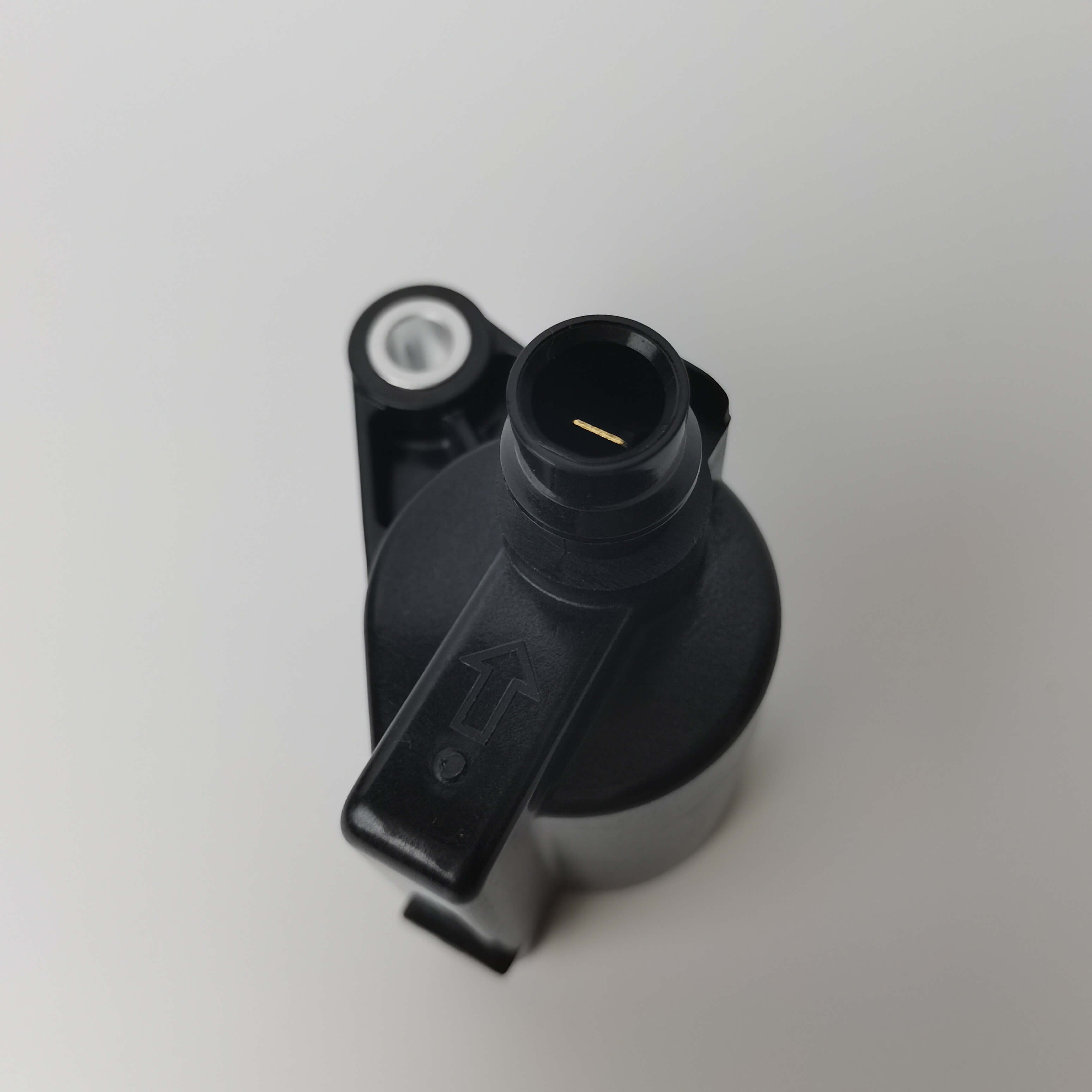
Summary: Industry Upgrade of Low-Voltage Power Plugs Driven by Technology
The technical upgrade of low-voltage power outlets requires a balance between precision, reliability, and cost. Nanpi Haokai Hardware Products Co., Ltd. has provided an replicable solution for the industry through a three-dimensional strategy of 'equipment upgrade + process optimization + material innovation'. The combination of its 250-ton stamping equipment and multi-station progressive dies achieves a balance between efficient production and high-precision control; the composite structure of copper alloys and stainless steel ensures both conductivity and corrosion resistance; and the rebound compensation technology based on CAE simulation significantly enhances consistency in mass production. In the future, with the rapid development of new energy, smart home and other fields, the technical requirements for low-voltage power outlets will become more diversified. Enterprises need to continue to invest in R&D to consolidate their market position through technological advantages.