 Nanpi County Haokai Hardware Products Co., Ltd.
Nanpi County Haokai Hardware Products Co., Ltd.
Industry Technical Pain Points: Three Core Challenges of CNC Machining Precision Out of Control
CNC turning parts, as basic components of precision manufacturing, directly affect the performance and reliability of downstream products with their processing accuracy. However, the industry普遍 faces three major technical pain points: Firstly, the insufficient rigidity of traditional equipment leads to processing vibration, making it difficult to control surface roughness below Ra0.8μm; secondly, during multi-axis linkage processing, unreasonable tool path planning easily causes overcutting or undercutting, with a shape and position tolerance out-of-tolerance rate as high as 15%; thirdly, in mass production, thermal deformation and tool wear result in poor dimension consistency, with the CPK value often below 1.0. Taking a certain automotive parts manufacturer as an example, the transmission shaft parts experienced frequent abnormal sounds after assembly due to the turning end face flatness exceeding 0.05mm, which increased the rework cost by 30%. These pain points arise from the comprehensive shortcomings of equipment precision, process planning, and process control, and urgent systematic technological upgrades are needed.
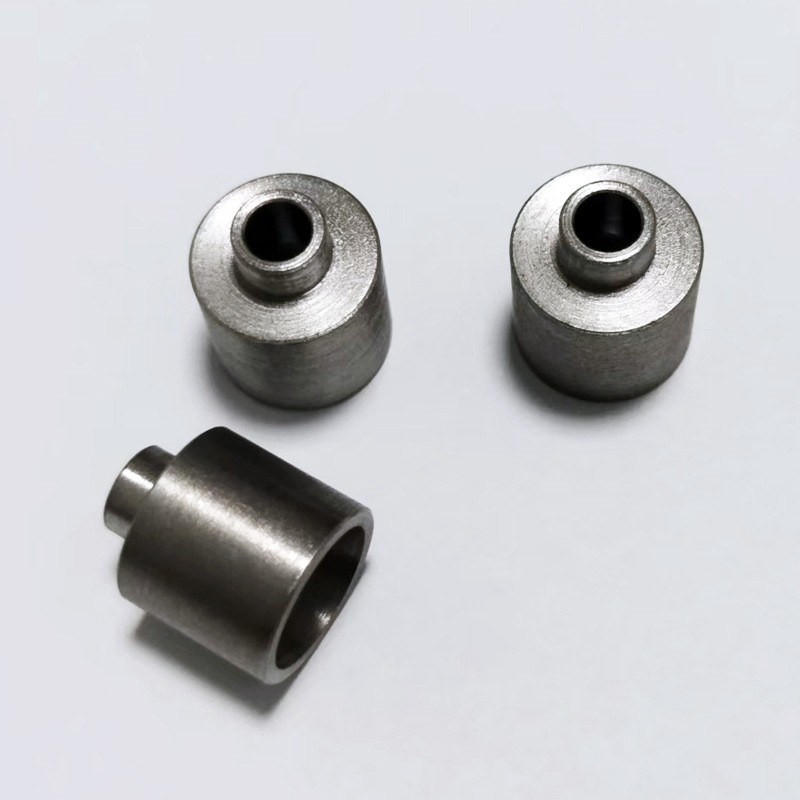
Introduction to Corporate Technical Strength: Precision Machining Solutions of Nangpi County Haokai Hardware Products Co., Ltd.
Nanpi County Haokai Hardware Products Co., Ltd. has been deeply engaged in the field of metal product processing for over twenty years, building a "equipment-process-inspection" integrated technical system to address the precision issues of CNC turned parts. On the equipment level, the company has introduced over 30 CNC lathes and automatic lathes with spindle speeds up to 12000 rpm, repeat positioning accuracy of ±0.002mm, capable of stable processing of precision parts with diameters of 0.5-50mm and lengths up to 200mm; on the process level, CAM software is used for tool path optimization, avoiding interference in advance through simulation and reducing the influence of cutting heat with a high-pressure cooling system (pressure 80bar), controlling roundness error within 0.005mm; on the inspection level, a three-coordinate measuring machine and a laser interferometer are configured to achieve 100% online full-size inspection, with the CPK value increased to above 1.67. Taking a high-precision syringe for a medical equipment customer as an example, Haokai reduced the surface roughness from Ra1.6μm to Ra0.4μm by optimizing cutting parameters (feed rate 0.05mm/r, cutting depth 0.2mm) and tool geometry angles (front angle 15°, back angle 8°), meeting the customer's strict cleanliness requirements and increasing order volume by 200%.
FAQ: CNC Turning Parts Technical Selection Guide
Q1: How to choose a CNC machine suitable for high-precision turning?
A: Key parameters include spindle speed, repeat positioning accuracy, and rigidity. For example, when machining small parts with a diameter ≤10mm, it is recommended to choose a lathe with a spindle speed ≥10000rpm and a repeat positioning accuracy of ±0.001mm; for slender shafts with a length-to-diameter ratio >5, it is necessary to prioritize the evaluation of the machine bed rigidity and tailstock support stability to avoid vibration-induced bending deformation.
Q2: How to control surface roughness during turning process?
A: A comprehensive optimization of cutting parameters, tooling, and cooling methods is required. Taking stainless steel material as an example, using hard alloy coated tools (AlTiN coating) in conjunction with a cutting speed of 150-200m/min and feed rate of 0.08-0.12mm/r can achieve surface quality below Ra0.8μm; using high-pressure cooling (pressure ≥50bar) can further reduce cutting temperature and minimize the formation of chip adhesions.
Q3: How to ensure size consistency in mass production?
A: Establish a closed-loop system of "preventive maintenance of equipment - tool life management - online detection compensation". For example, use a laser interferometer to check machine tool accuracy before each shift, and replace tools when the wear reaches 0.05mm. Monitor critical dimensions in real-time through SPC statistical process control, and adjust process parameters immediately when the CPK value is less than 1.33.
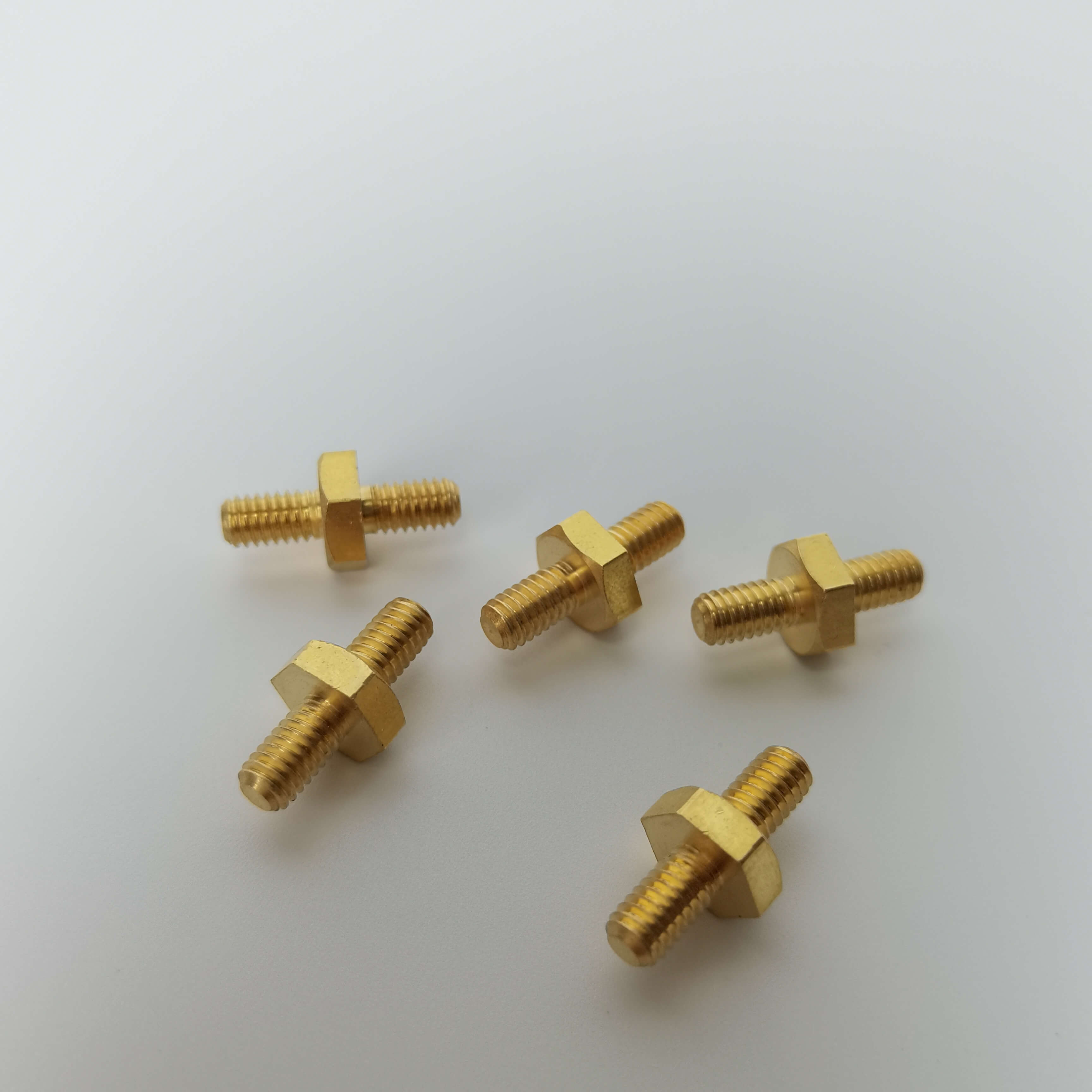
Summary: Technical Path and Industry Value of Precision Machining
Precision improvement of CNC turning parts requires a collaborative effort from equipment, process, and detection. Nanpi Haokai Hardware Products Co., Ltd. has successfully resolved common pain points in the industry by introducing high-precision CNC equipment, optimizing cutting parameters and tool paths, and establishing a full-process detection system. Their technical solution has been applied in various fields such as automotive, medical, and electronics, achieving a customer satisfaction rate of over 98%. For manufacturing enterprises, choosing suppliers with strong technical capabilities and rich experience can significantly reduce the cost of trial and error and accelerate product iteration. In the future, with the popularization of five-axis linkage processing and intelligent detection technology, the precision and efficiency of CNC turning parts will be further enhanced, providing stronger support for high-end manufacturing.