 Nanpi County Haokai Hardware Products Co., Ltd.
Nanpi County Haokai Hardware Products Co., Ltd.
Industry Technical Pain Points: The "Invisible Threshold" of Low-Voltage Socket Production
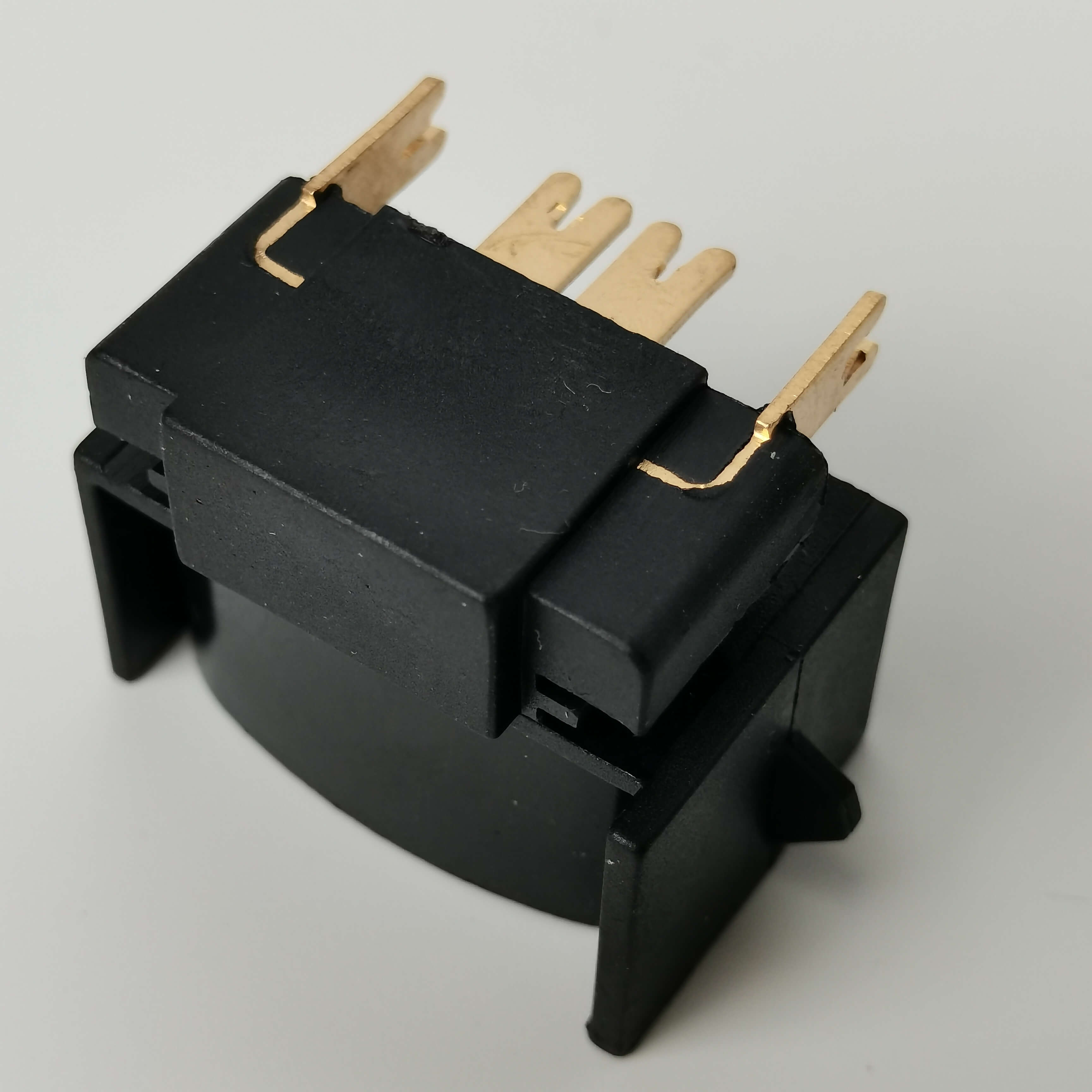
As a basic component of electrical connections, the production of low-voltage sockets involves multiple technical challenges such as precise stamping, high-precision injection molding, and control of conductive properties. In traditional production, enterprises often face three major pain points: Firstly, insufficient dimensional accuracy of stamped parts leads to poor contact or short-circuit risks; secondly, molding defects of injection-molded parts (such as burrs and shrinkage) affect the appearance and safety of the product; thirdly, the mismatch between conductive material selection and processing technology results in excessive resistance fluctuations, affecting electricity efficiency. Taking a small-scale enterprise as an example, the low-voltage sockets produced by the company had a contact thickness deviation of up to 0.2mm due to the wear of the stamping mold, far exceeding the industry standard of ±0.05mm, causing a 30% increase in customer complaint rate. In addition, due to inaccurate temperature control in the injection molding process, the product defect rate has remained above 8% for a long time, directly increasing production costs. These issues expose the limitations of traditional production models in terms of equipment precision, process control, and material compatibility.
Introduction to Enterprise Technical Strength: Nanpi Haokai Hardware Products Co., Ltd.'s "Hardcore" Solutions
Nanpi Haokai Hardware Products Co., Ltd. leverages the regional advantage of the Bohai Economic Circle, focusing on metal product design and production for over two decades, establishing a technical system centered around precision stamping and high-precision injection molding. The company currently has over 30 stamping machines ranging from 30 to 250 tons, including a Japanese AIDA high-speed precision stamping press capable of achieving 0.01mm stamping accuracy. Combined with the independently developed die wear monitoring system, the contact sheet thickness deviation can be controlled within ±0.03mm. The injection molding process uses German ENGEL electric injection molding machines, equipped with infrared temperature sensors and closed-loop control systems, ensuring melt temperature fluctuations are less than ±2℃, and the product defect rate is reduced to below 1.5%. In terms of conductive materials, the company collaborates with Baosteel to develop low-resistance alloy materials, reducing the resistivity by 15% compared to traditional copper materials. Coupled with ultrasonic welding technology, the contact resistance stability is improved by 20%. Taking an order from an international home appliance brand as an example, Haokai Company, through the optimization of stamping technology and material formula, has made its low-voltage socket pass the UL certification, with a lifespan test of 5000 cycles without failure, which is 40% higher than the industry standard.
FAQ: Low-Voltage Socket Technical Selection Guide
Q1: How to select a suitable stamping machine for high-frequency use of low-voltage outlets?
A: High-frequency usage scenarios require special attention to equipment stability and mold life. It is recommended to choose a closed die press with a tonnage of 100 tons or more, whose rigid structure can reduce vibration and extend the mold service life to over 500,000 times. Hao Kai Company's AIDA high-speed press is equipped with an automatic lubrication system, which can achieve 24-hour continuous production and shorten the mold change time to 15 minutes, suitable for large-volume orders.
Q2: How to solve the shrinkage problem of injection molded parts?
A: Shrinkage is mainly caused by uneven cooling. Optimization is needed in three aspects: Firstly, use high thermal conductivity mold steel (such as H13) to accelerate heat transfer; secondly, design multi-stage cooling water paths to ensure uniform mold cavity temperature; thirdly, adjust the holding pressure and time (usually 60%-80% of injection pressure, holding time 3-5 seconds). Haokey Company optimized the waterway design through simulation software, reducing the shrinkage rate of a certain model plug from 0.8% to 0.3%.
Q3: What are the key parameters for selecting conductive materials?
A: Pay attention to resistivity, hardness, and corrosion resistance. For example, brass (H62) has a resistivity of 0.07Ω·mm²/m, suitable for general applications; phosphor bronze (QSn6.5-0.1) has a resistivity of 0.06Ω·mm²/m and higher hardness, suitable for high-frequency insertion and extraction scenarios. Hao Kai Company's low-resistivity alloy material has a resistivity of only 0.05Ω·mm²/m, and passes the salt spray test without corrosion for 48 hours, balancing performance and cost.
Summary: Industry Upgrade Path Driven by Technology
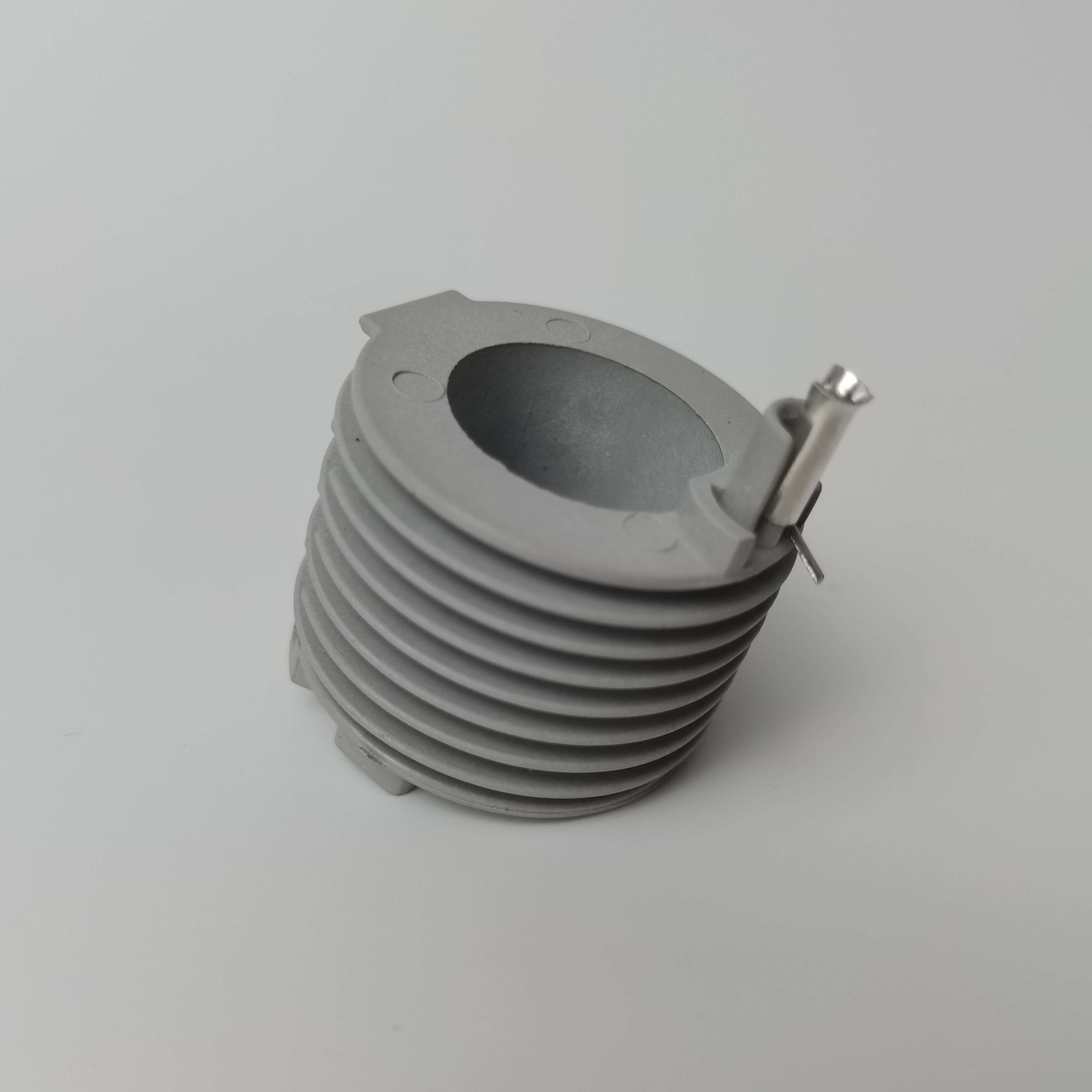
The technological breakthrough in the production of low-voltage outlets requires support from equipment precision, process control, and material innovation. Naping Haokai Hardware Products Co., Ltd. has established a full-process quality control system from design to after-sales by introducing high-end equipment, optimizing process parameters, and developing new materials, with its product defect rates and life tests reaching leading industry levels. For enterprises, choosing suppliers with strong technical capabilities not only reduces production risks but also enhances product competitiveness through customized solutions. In the future, with the rapid development of smart homes, new energy, and other fields, the technical requirements for low-voltage outlets will continue to rise, and only enterprises that persist in technological innovation can secure a market advantage.