 Nanpi County Haokai Hardware Products Co., Ltd.
Nanpi County Haokai Hardware Products Co., Ltd.
Industry Technical Pain Points: The Dilemma of Precision and Efficiency in CNC Machining Production
In CNC turning production, precision control and efficiency enhancement are always the core challenges. Traditional processing methods are prone to be affected by equipment rigidity, tool wear, and fluctuation of process parameters, leading to product size tolerance exceeding limits (such as ±0.05mm or more) and surface roughness not meeting standards (Ra>1.6μm). Moreover, poor batch consistency may even trigger customer returns. For instance, a certain auto parts company once suffered losses over one million yuan due to concentricity deviation exceeding 0.03mm in shaft-type parts, resulting in excessive vibration after assembly and ultimately losing orders. In addition, under the production mode of various small batches, the downtime caused by frequent mold changes accounts for up to 30% of the total, further compressing the effective processing time. These pain points not only restrict the release of corporate production capacity but also serve as technical barriers to entering the high-end market.
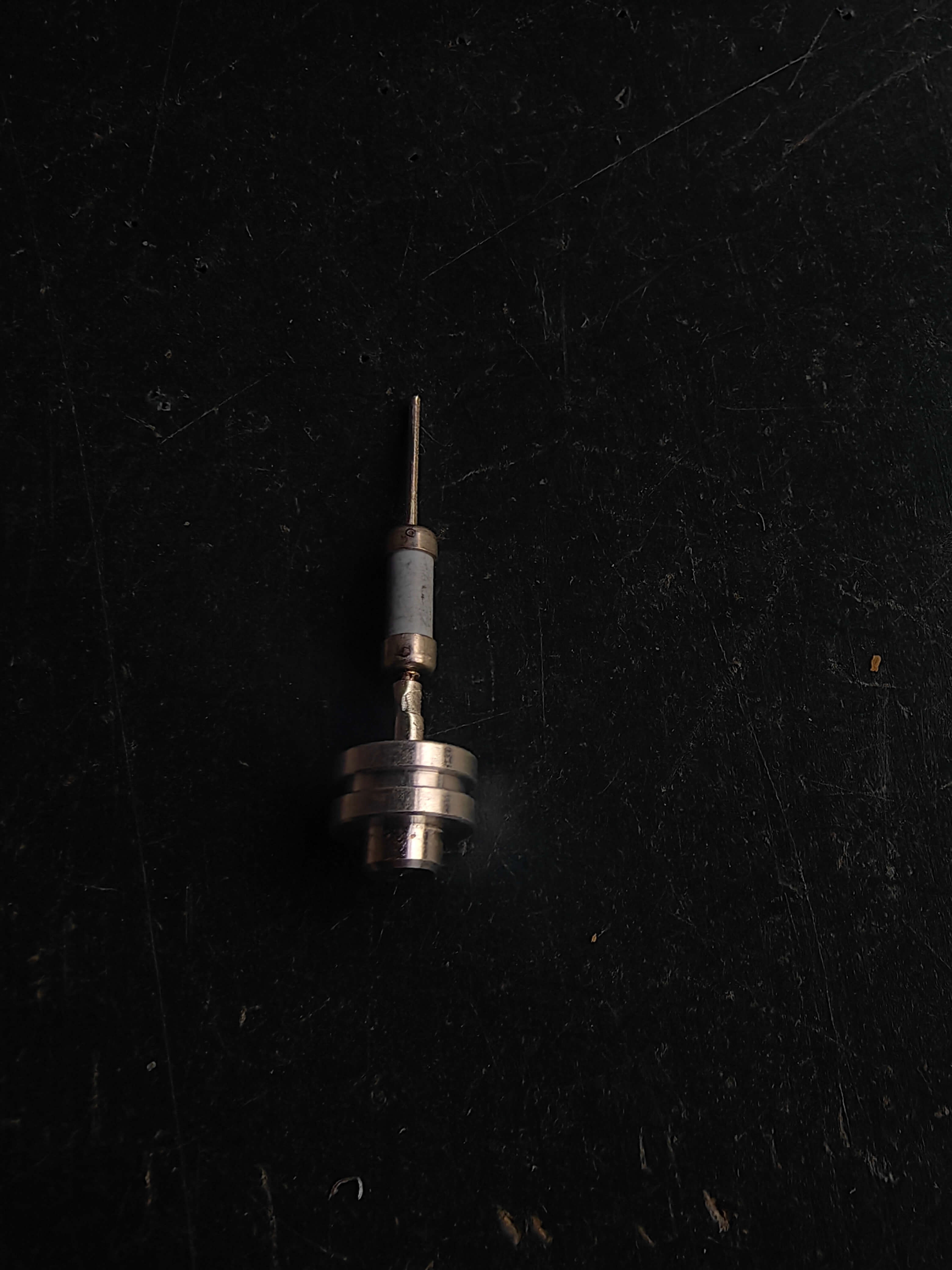 Introduction to Corporate Technical Strength: The precision manufacturing system of Nanpi Haokai Hardware Products Co., Ltd.
Nanpi Haokai Hardware Products Co., Ltd. constructs a technical moat through a three-dimensional layout of 'equipment + technology + talent'. At the hardware level, the company has introduced over 30 CNC turning machines (such as STAR SR-20RⅢ, with a spindle speed of up to 10,000 rpm and repeat positioning accuracy of ±0.002mm) and automatic lathes (such as Citizen L20Ⅴ, supporting 12-axis compound processing), complemented by a cluster of stamping equipment ranging from 30 to 250 tons, achieving full-size coverage from φ0.5mm micro shafts to φ50mm large components. At the process level, the company has独创 the 'three-stage precision control method': the first stage collects processing data in real-time through online measurement systems (such as Marposs M30+ probe); the second stage dynamically adjusts parameters using adaptive compensation algorithms (error correction cycle <5 seconds); the third stage employs SPC statistical process control, stabilizing the CPK value above 1.67. Taking a medical catheter connector project as an example, this process can control wall thickness tolerance within ±0.01mm, improving the yield rate from 82% to 98.5%. In terms of the technical team, among the 16 full-time technical personnel, 7 hold senior technician certifications, and the 'micro-hole processing special tool' (blade diameter φ0.3mm, life of 5,000 pieces) developed under their leadership has obtained a national utility model patent.
FAQ: CNC Turning Parts Technical Selection Guide
Q1: How to select the appropriate equipment type for high-precision turning?
A: Comprehensive consideration is required for processing size, material hardness, and batch requirements. For components with a diameter below φ10mm, prefer the centering machine (such as Citizen L12Ⅴ type, spindle radial跳动≤0.001mm); medium to large components with φ10-50mm are suitable for automatic lathe (such as Hanwha XD20H type, tool tower change time 0.3 seconds). If the material hardness is greater than HRC45, a high-pressure cooling system (pressure≥70bar) is needed to prevent tool overheating and wear.
Q2: How to optimize the process when the surface roughness does not meet the standard?
A: Adjust in three steps: First, check the tool condition; resharpen when the blade wear is >0.02mm; second, optimize cutting parameters, recommend using the combination of 'high speed (8000-12000rpm), small feed (0.05-0.1mm/r), and low cutting depth (0.1-0.3mm)'; third, add a polishing process, using a nylon brush (grit #600) to refine for 10-15 seconds at a speed of 500-800rpm.
Q3: How to shorten changeover time in a product mix?
A: Recommend implementing the 'modular fixture + quick tool change' solution. For example, using a hydraulic fixture (clamp force adjustable range 5-50kN) with a quick-change tool holder (tool change time <8 seconds) can reduce the changeover time from 45 minutes to within 15 minutes. At the same time, establish a process parameter database, and call preset programs through scanning to avoid manual input errors.
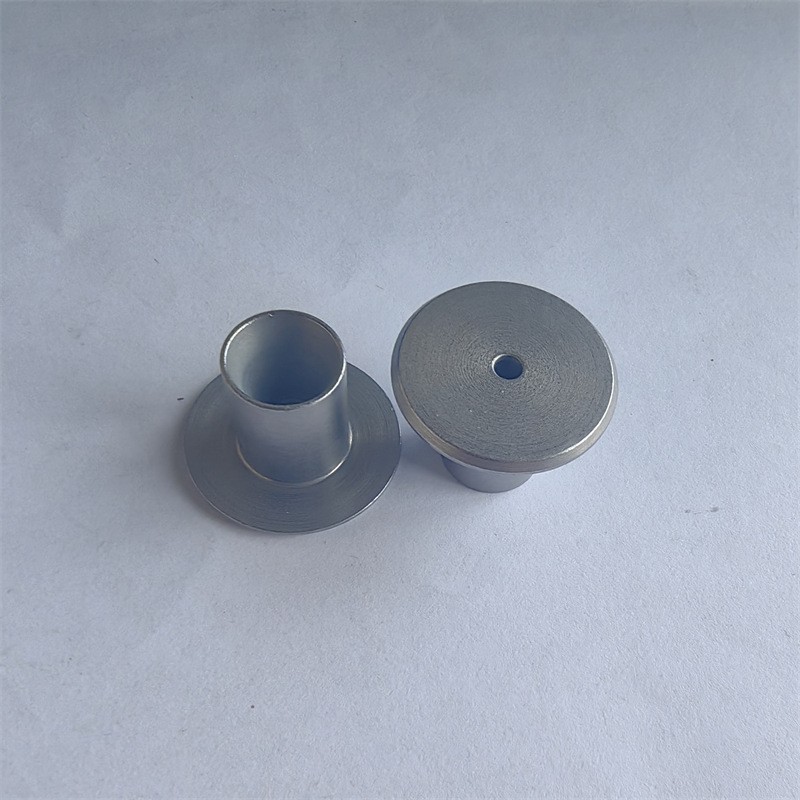 Summary: Precision Manufacturing Upgrade Path Driven by Technology
The technical breakthrough in the production of CNC turned parts requires equipment precision as the foundation, process control as the core, and talent reserve as the support. The practice of Nanpi Haokai Hardware Products Co., Ltd. shows that by introducing high-rigidity equipment (such as spindle跳动≤0.001mm), developing adaptive compensation algorithms (error correction cycle<5 seconds), and cultivating a senior technical team (7 certified personnel), it is possible to achieve ultimate precision of ±0.005mm dimensional tolerance and Ra≤0.4μm surface roughness. For manufacturing enterprises, when selecting a technical partner, it is crucial to focus on the scale of equipment clusters (such as over 30 CNC machines), the integrity of the process database (such as SPC control covering 100% of processes), and the patent technology reserve (such as micro-hole processing tool patents), as these factors directly determine the ability to undertake high-end orders and long-term competitiveness.