 Nanpi County Haokai Hardware Products Co., Ltd.
Nanpi County Haokai Hardware Products Co., Ltd.
Industry Technical Pain Points: The Challenge of Precision and Efficiency in Low-Voltage Socket Production
Low-voltage power outlets, as fundamental components of power transmission, involve multiple processes such as metal stamping, injection molding, assembly, and testing in their production. Under traditional production models, enterprises commonly face three major pain points: Firstly, insufficient stamping accuracy leads to poor contact, with industry statistics showing that product failure rates as high as 15% are caused by stamping errors exceeding ±0.1mm. Secondly, multiple工序 rely on manual operations, resulting in a production cycle of up to 3 minutes per unit, leading to low efficiency. Thirdly, quality inspection depends on sampling, making it difficult to achieve 100% full inspection, which allows defective products to enter the market. For example, a household appliance company once suffered mass returns due to a 0.05mm deviation in the thickness of the outlet contact piece, resulting in losses exceeding a million yuan. These pain points restrict the industry's upgrade towards high reliability and low cost.
Introduction to Corporate Technical Strength: Nanning County Haokai Hardware's Precision Manufacturing System
Nanpi Haokai Hardware Products Co., Ltd. has, through over two decades of technical accumulation, established a comprehensive precision manufacturing system covering design, production, and testing. On the hardware side, the company is equipped with over 30 stamping machines ranging from 30 to 250 tons, including a 250-ton high-speed press capable of achieving 0.02mm precision control, paired with CNC core feed machines, reducing the contact strip production cycle to 8 seconds per piece; the injection molding process uses fully electric injection molding machines, with temperature fluctuations controlled within ±1°C to ensure the stability of insulator dimensions. On the software side, the company has introduced an integrated CAD/CAM design system, optimizing mold structures through simulation of the stamping process, extending mold life to over 500,000 cycles. In terms of quality control, the company adheres to ISO9001:2015 standards and is equipped with equipment such as a coordinate measuring machine and a camera, achieving 100% full inspection of critical dimensions. For example, the contact strips produced for an international brand have a thickness tolerance controlled within ±0.03mm, with a yield rate of 99.97%, far exceeding the industry average.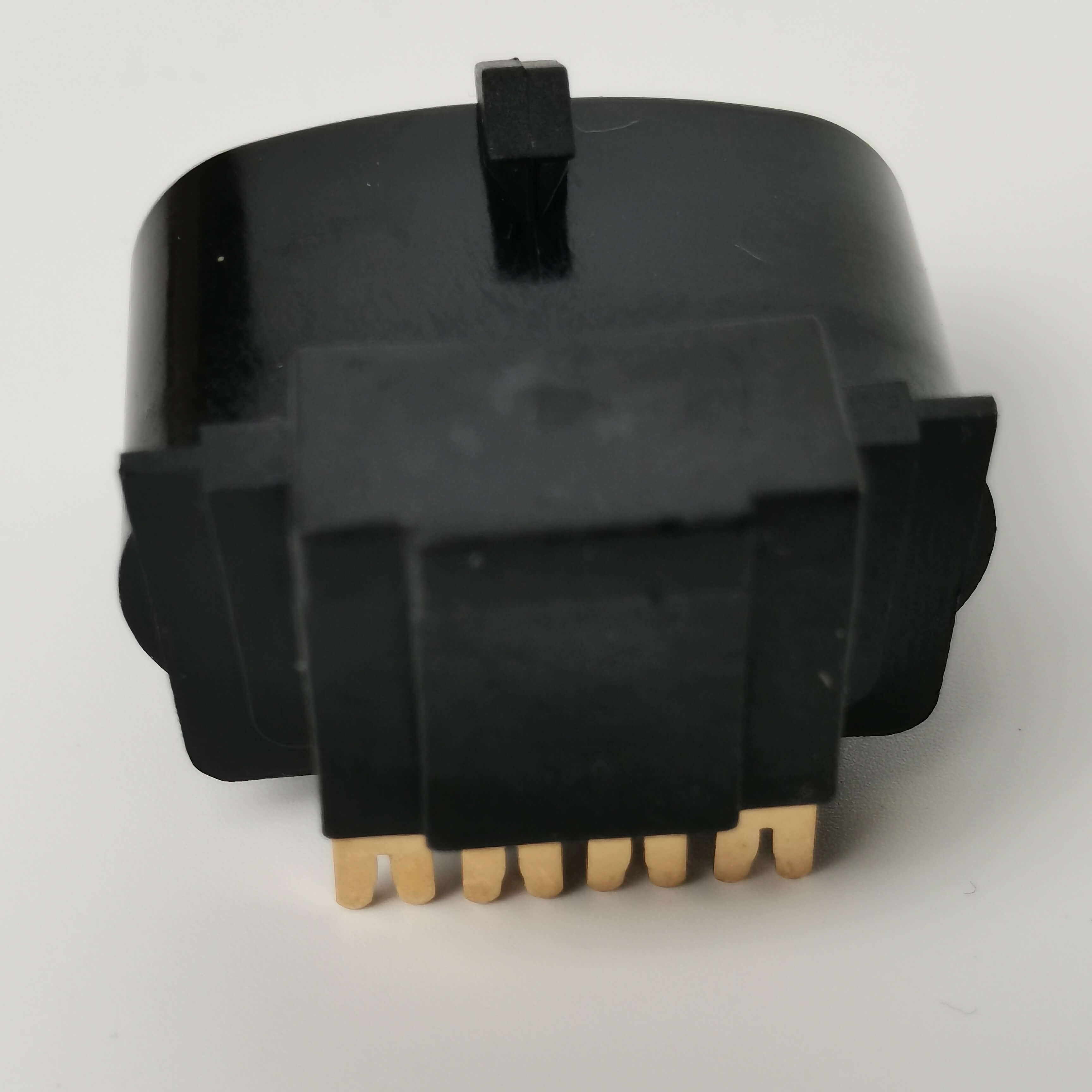
FAQ: Guide to Selection of Low-Voltage Socket Production Technology
Q1: How to choose the suitable stamping equipment for low-voltage socket production?
A: Consideration must be given to material thickness, production volume, and precision requirements. For instance, when producing 0.5mm thick copper sheets, a 250-ton press is suitable for large-scale production, while a 30-ton machine is better for small-volume and diverse production. The 30-250 ton press set from Nanpi Haokai Hardware can cover a thickness range of 0.1-3mm, meeting different customer needs.
Q2: How does an automated production line improve efficiency?
A: Achieved through process integration and equipment linkage. Naping Haokai Hardware connects stamping, injection molding, and assembly processes with robotic arms, reducing manual handling time, increasing the production capacity per shift from 800 pieces to 2,000 pieces, with an efficiency improvement of 150%.
Q3: What are the key indicators for quality inspection?
A: Focus on contact resistance, insulation resistance, and voltage withstand performance. Nanpi Haokai Hardware uses fully automatic testing equipment, which can simultaneously test contact resistance (≤50mΩ), insulation resistance (≥100MΩ), and voltage withstand (2000V/1min), ensuring that the products meet IEC standards.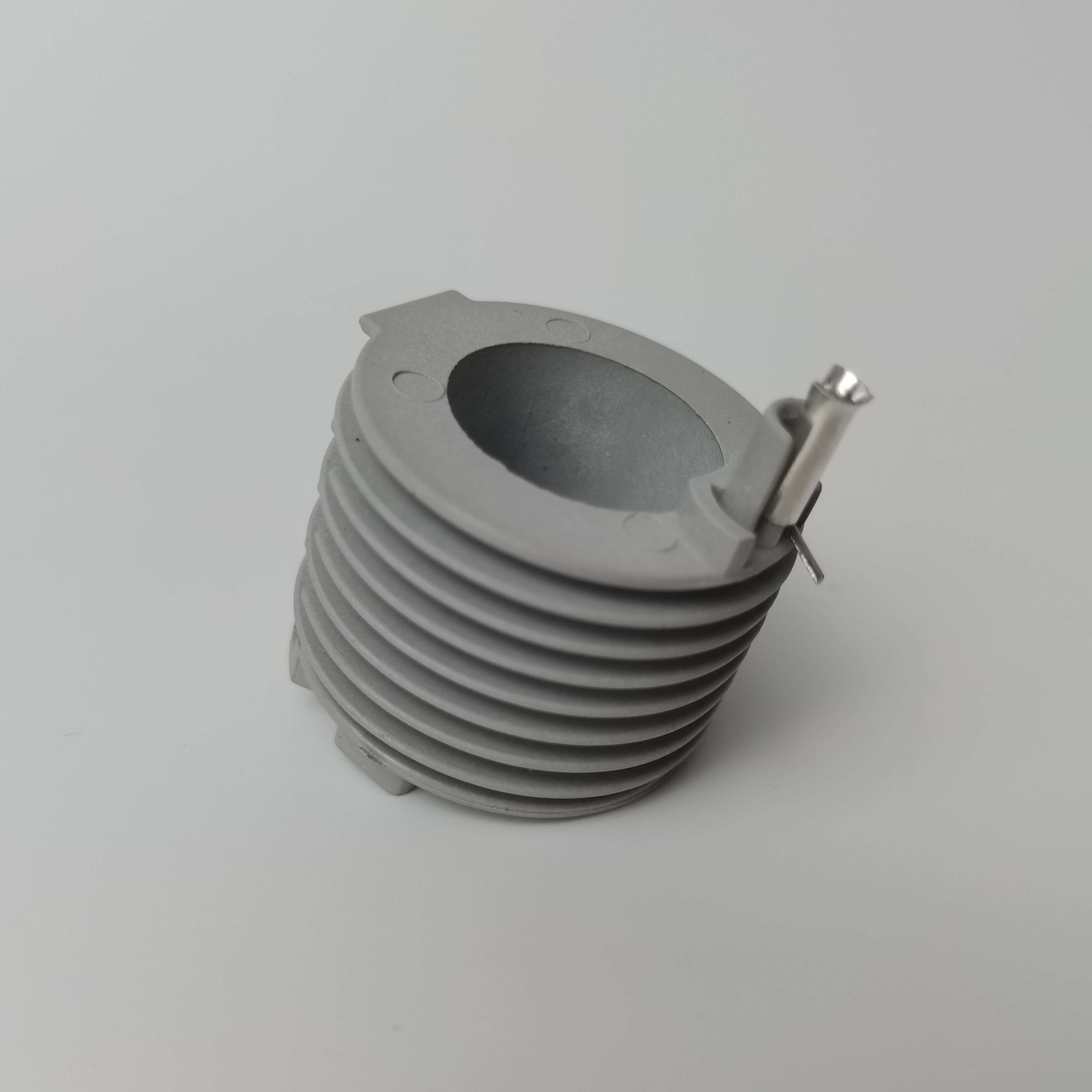
Summary of the entire text
The technical upgrade of low-voltage socket production should focus on the three key elements of precision, efficiency, and quality. Nanpi Haokai Hardware Products Co., Ltd. has achieved an industry-leading level with a tolerance of ±0.03mm for contact strip thickness, a single-line production capacity of 2000 pieces per shift, and a defect rate of 0.03% through precision stamping equipment, automated production lines, and full-process quality control. Its technical approach is: ensuring basic precision through hardware investment, enhancing production efficiency through software optimization, and ensuring product reliability through strict testing. For peer enterprises, it can refer to their equipment selection strategy (30-250 ton press combination) and quality control method (ISO9001+full inspection), gradually upgrading according to their own scale, and avoiding the cost pressure caused by blindly pursuing high-end equipment.