 Nanpi County Haokai Hardware Products Co., Ltd.
Nanpi County Haokai Hardware Products Co., Ltd.
Industry Technology Pain Points: The "Invisible Barrier" of Stamping Blade Precision Control
As the core component of precision electronic components, the production accuracy of stamping shavings directly affects the performance stability of the end product. The industry currently faces three major technical pain points: Firstly, material springback leads to size deviation, and traditional mold compensation methods are difficult to meet the 0.01mm precision requirements; secondly, in the multi-process composite processing, equipment vibration and cumulative thermal deformation errors can reach over 0.05mm; thirdly, during mass production, manual inspection efficiency is insufficient to reach 300 pieces per hour, and the failure-to-inspect rate is as high as 5%. Taking a new energy vehicle battery connection blade project as an example, due to the flatness deviation of the contact point of the shavings exceeding 0.03mm, the entire batch of products had to be reworked, resulting in direct losses exceeding 200,000 yuan. These pain points reveal that the production of stamping shavings has shifted from "equipment dependence" to the "systematic precision control" stage.
Introduction to Corporate Technical Strength: Nanning County Haokai's "Three Axes of Precision Control"
Nanpi Haokai Hardware Products Co., Ltd. has established a high-precision stamping spring production system through a three-dimensional technical layout of "equipment-process-inspection". On the equipment level, the company is equipped with more than 30 stamping machines with tonnages ranging from 30 to 250 tons, among which high-speed precision presses over 200 tons account for 40%, enabling 0.005mm step control. On the process level, the company independently developed the "multi-level mold compensation technology", which controls the material rebound error within 0.008mm through three stages of dynamic adjustment: pre-pressure-molding-shaping. In the inspection stage, German Zeiss 3D coordinate measuring instruments and AI vision detection systems are introduced, achieving 0.002mm precision detection, with detection efficiency increased to 1200 pieces per hour. Taking a 5G communication base station spring project as an example, the company improved the product flatness from 0.08mm to 0.02mm by optimizing the mold flow design, raising the pass rate from 82% to 98%, with the customer's acceptance passing in one inspection.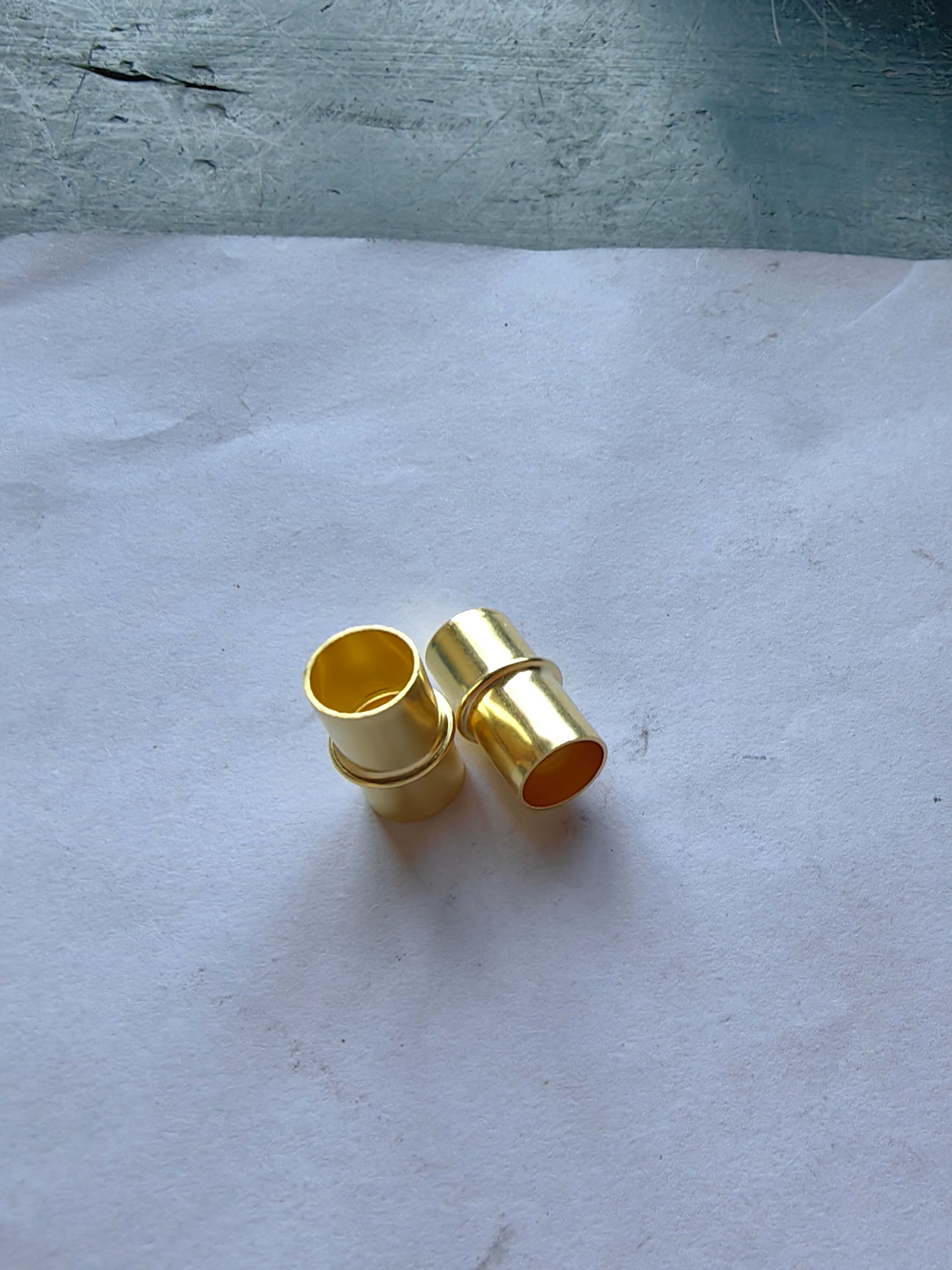
FAQ: Guide to Selection of Stamping Blanking Technology
Q1: How to choose the suitable stamping equipment for high-precision sliver production?
A: Pay close attention to three parameters: Firstly, the rigidity of the equipment, it is recommended to choose a closed die press with a bed weight of ≥5 tons to reduce the impact of vibration on precision; secondly, the slider movement accuracy, prioritize models with repeat positioning accuracy ≤0.003mm; thirdly, the control system, a CNC system with real-time pressure monitoring and compensation function can enhance the stability of 0.01mm-level precision. Napi County Haokai's 200-ton high-speed precision press uses a Japanese Fanuc CNC system, combined with a high-rigidity bed design, meeting the 0.005mm-level step control requirements.
Q2: How to control cumulative error in multi-process composite processing?
A: Adopt the "process decomposition + dynamic compensation" strategy. For instance, break down the traditional 5-process machining into 8 micro-processes, adding an AI vision detection step after each process, and adjusting the parameters of the next process in real-time through algorithms. In a medical equipment spring project, Nanpi Haokai reduced the cumulative error from 0.05mm to 0.015mm by using this method, significantly improving product consistency.
Q3: How does the AI vision detection system improve detection efficiency?
A: The AI system identifies product defects through deep learning models, with detection speeds up to 4 times faster than traditional manual methods. Taking the detection of contact points of debris as an example, the system can complete multi-dimensional inspections such as flatness, burrs, and scratches within 0.2 seconds, with a failure-to-detect rate below 0.1%. The AI detection system of Haokai in Nanning County has achieved linkage with stamping equipment, automatically triggering equipment shutdown alarms when three consecutive defective products are detected, to prevent the production of a batch of defective items.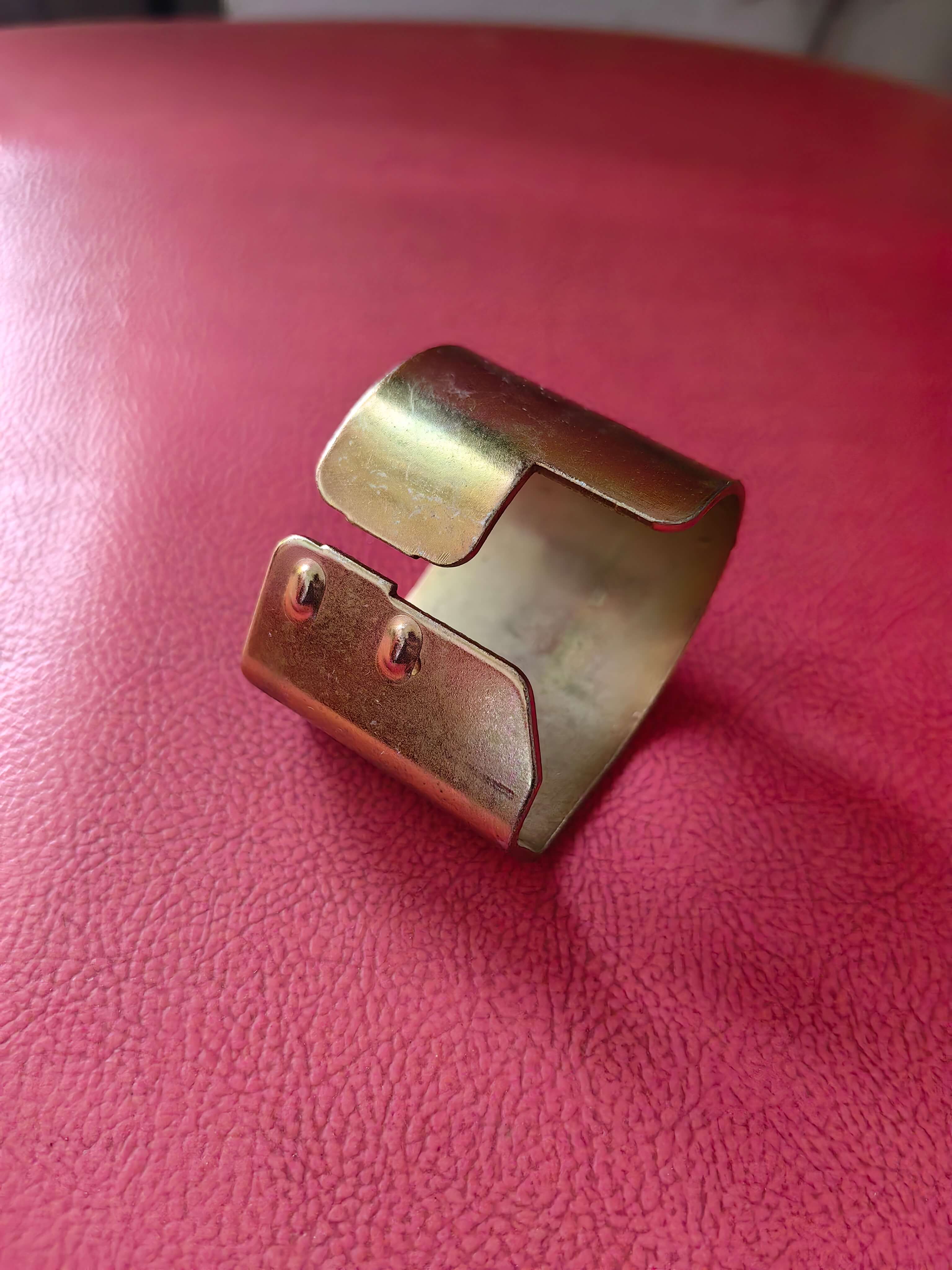
Summary of the entire text: Precision control is the "lifeblood" of stamping blank production.
High-precision production of stamping shrapnel requires a coordinated breakthrough in equipment, technology, and detection. Nanshi County Haokai Hardware Products Co., Ltd. has achieved a product precision of 0.002mm through innovative solutions such as "multi-level mold compensation technology" and "AI vision detection system," providing an replicable technical path for the industry. For enterprises, choosing suppliers with strong technical capabilities and systematic precision control is crucial for reducing production risks and enhancing competitiveness. In the future, with the rapid development of fields such as 5G and new energy vehicles, the precision requirements for stamping shrapnel will continue to upgrade, and technological innovation capability will become a core indicator of enterprise core competitiveness.