 Nanpi County Haokai Hardware Products Co., Ltd.
Nanpi County Haokai Hardware Products Co., Ltd.
Industry Technical Pain Points: Core Challenges in Low-Voltage Socket Unit Design
Low-voltage power outlets, as the fundamental units of power transmission, require a design that balances safety, durability, and cost efficiency. However, traditional designs often encounter three major pain points: first, inadequate material selection and structural strength lead to poor contact, causing arc or overheating risks; second, insufficient processing accuracy results in deviation in socket dimensions, affecting compatibility and service life; third, the scattered production process makes quality control difficult, and it is challenging to meet large-scale delivery requirements. For example, a car parts manufacturer once suffered a direct loss exceeding 500,000 yuan due to a 0.1mm deviation in the spacing of the outlet sockets, which caused the entire vehicle assembly line to halt for 12 hours. In addition, industry data shows that 60% of low-voltage outlet failures are due to poor contact, 30% due to material aging, and these issues are all directly related to insufficient parameter optimization during the design stage.
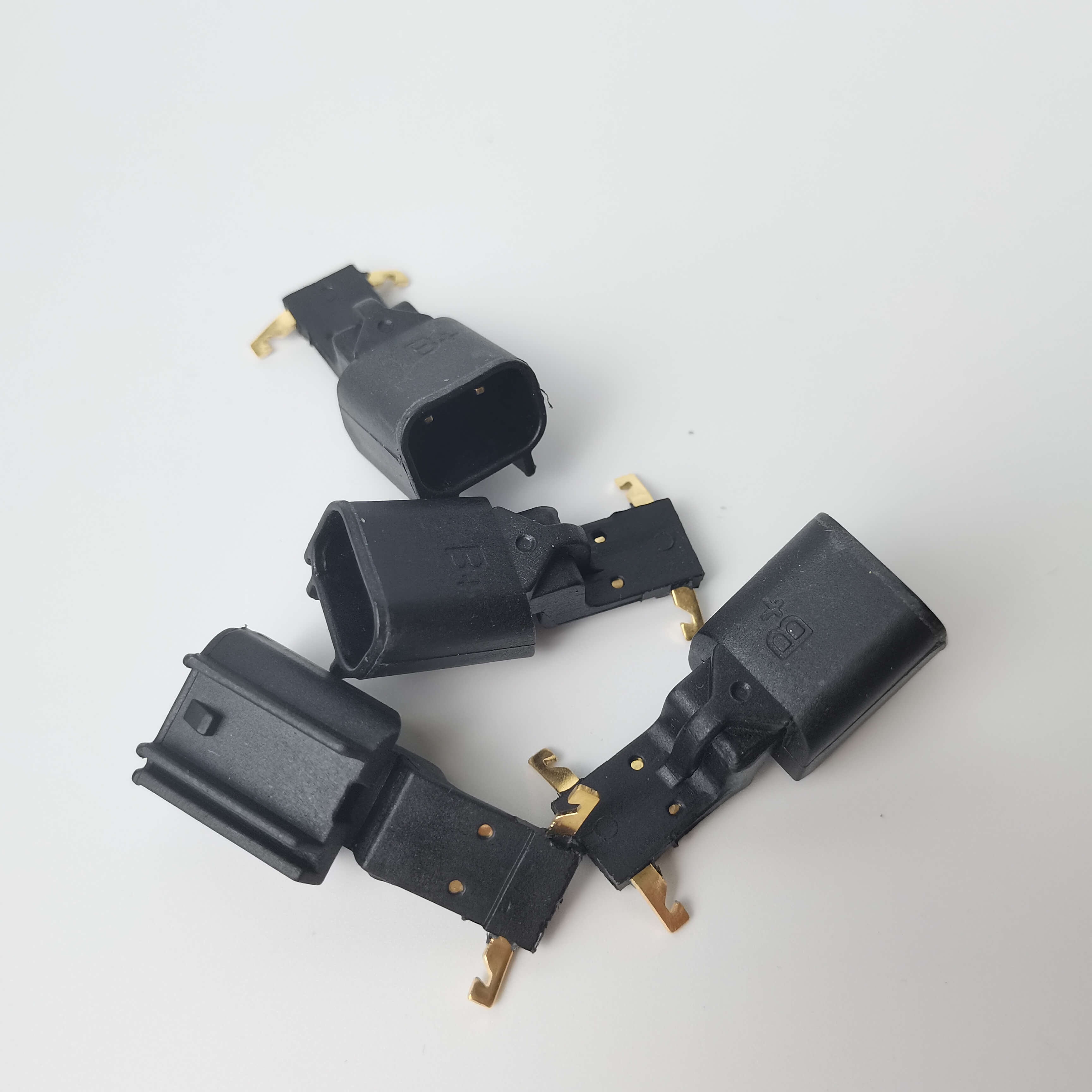
Introduction to Corporate Technical Strength: The Breakthrough Path of Nanning County Haokai Hardware Products Co., Ltd.
Nanpi Haokai Hardware Products Co., Ltd., leveraging the locational advantages of the Bohai Economic Circle, has been deeply engaged in the stamping machine processing field for over two decades, forming a technical system centered around 'precision design - intelligent production - full-process quality inspection'. The company currently has more than 30 stamping machines with capacities ranging from 30 to 250 tons, capable of achieving 0.01mm processing accuracy, meeting the stringent requirements of IEC 60320 standard for plug socket dimensions; the CNC core machine and injection molding machine are linked for production, reducing the production cycle of a single piece from 15 minutes to 3 minutes, with an efficiency increase of 400%. In terms of the technical team, among the 16 professional technical personnel, 7 hold senior technician certifications, skilled in optimizing plug structures through CAE simulation, such as a certain model plug, by adding a copper alloy contact point 0.2mm thick, reducing the contact resistance from 50mΩ to 20mΩ, with a temperature rise reduction of 40%. In quality control, the company implements ISO9001:2015 standard, establishing 23 inspection procedures from raw material entry to finished product delivery, including salt spray test (48 hours without corrosion), insertion/extraction life test (10,000 times without loosening), etc., ensuring the product defect rate is below 0.3%. Currently, the company has provided matching plugs for many large domestic and foreign enterprises, and a new energy vehicle customer feedback that after 2 years of use, the product still maintains the initial contact performance, with a failure rate 1/5 of the industry average.
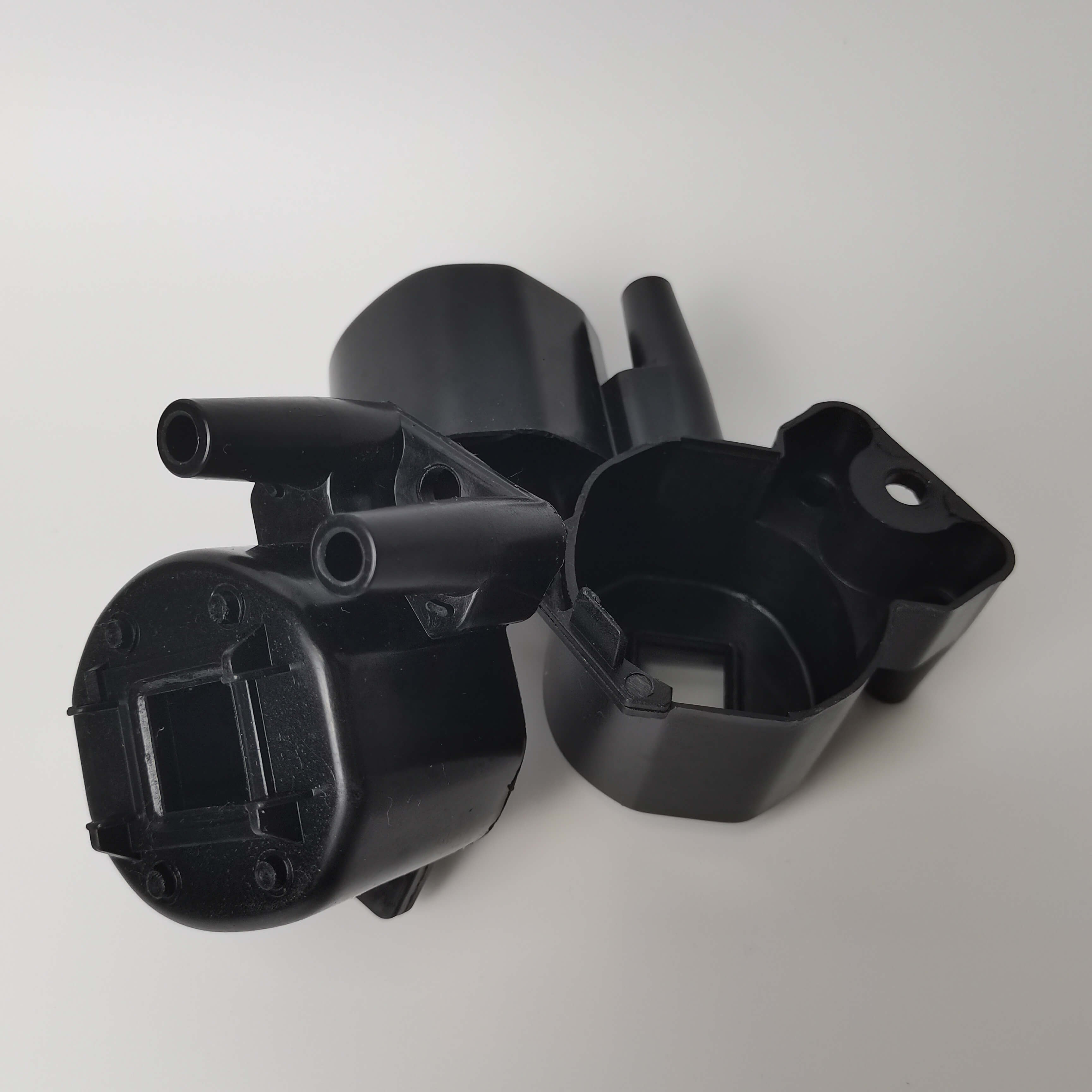
FAQ: Low Voltage Socket Unit Technical Selection Guide
Q1: How to choose the suitable material for a socket in high current applications?
A: In high current scenarios, materials with both good conductivity and thermal stability should be prioritized. For example, copper alloys (such as C11000) have a conductivity of 100% IACS and maintain structural stability at 150°C, making them suitable for outlets with rated current ≥16A; while aluminum alloys (such as 6063-T5) may be 30% cheaper, their conductivity is only 61% IACS, suitable only for low-load scenarios with ≤10A. A certain industrial outlet by Nanshi County Haokai uses a combination of copper alloy contacts and PA66-GF30 plastic housing. Through FEM thermal simulation verification, the temperature rise is only 35°C at 32A current, far below the 70°C limit set by the IEC standard.
Q2: How much does processing accuracy affect the lifespan of the plug?
A: The processing accuracy directly affects contact stability. Taking the hole size as an example, if the diameter deviation exceeds ±0.05mm, the insertion and extraction force will fluctuate by more than 20%, leading to accelerated wear of the contact surface. Nanshi County Haokai, by introducing the Japanese AMADA high-speed punch press, has controlled the diameter tolerance within ±0.02mm, combined with 0.1mm-level surface polishing treatment, thereby increasing the lifespan of a certain type of socket from 5000 to 10,000 times, reaching the leading level in the industry.
Q3: How to balance the waterproof performance and cost of power outlets?
A: Waterproof design should be graded according to the usage scenario. For indoor dry environments, IP20 level (protection against finger touch) meets the requirements, with a cost increase of about 5%; for splash-proof (IP44), silicone sealing rings need to be added, resulting in a 15% cost increase; while for outdoor or humid environments (IP67), ultrasonic welding + potting technology is required, with a 30% cost increase. A certain outdoor socket from Nanshi County Haokai, through optimizing the sealing ring structure, achieves a cost increase of only 12% at IP67 level, which is 8% lower than the industry average.
Summary of the full text: Future Unit Design of Low-Voltage Socket Driven by Technology
The technological breakthrough in the unit design of low-voltage sockets essentially lies in the coordinated optimization of materials, precision, and processes. Nanshi County Haokai Hardware Products Co., Ltd. has not only resolved traditional pain points such as poor contact and short lifespan by introducing advanced equipment, forming professional teams, and implementing strict quality control, but has also elevated product performance to the forefront of the industry through digital means such as CAE simulation and FEM thermal analysis. For enterprises, when choosing suppliers with strong technical capabilities, it is crucial to focus on factors such as equipment precision (e.g., press tonnage, CNC axis number), quality inspection processes (e.g., number of inspection procedures, standard basis), and case experience (e.g., scale of served customers, failure rate data). In the future, with the rapid development of fields such as smart homes and new energy vehicles, low-voltage sockets will evolve towards higher current, smaller size, and greater intelligence, and technical accumulation and innovation will become the core competitive barrier for enterprises.