 Nanpi County Haokai Hardware Products Co., Ltd.
Nanpi County Haokai Hardware Products Co., Ltd.
Industry Technical Pain Points: The Dilemma of Precision and Efficiency in Spring Component Subcontracting
Spring components, as core parts in mechanical, electronic, and automotive fields, directly affect product performance with their processing accuracy. However, traditional subcontracting models generally face three major pain points: Firstly,Material deformation control is difficultSprings are prone to rebound deviation due to stress concentration during stamping and bending processes, affecting assembly consistency; secondly,Low efficiency in bulk productionHighly dependent on manual operation, with a long processing cycle per piece, it is difficult to meet the demands of large-scale orders; thirdly,Quality inspection delayTraditional inspection methods cannot provide real-time feedback on production data, resulting in high rates of defective products. Taking a car parts manufacturer as an example, its spring components fail to assemble due to excessive deformation, with a failure rate of up to 5%, resulting in losses exceeding one million yuan annually. These issues not only limit the competitiveness of processing enterprises but also act as "hidden killers" threatening the stability of terminal product performance.
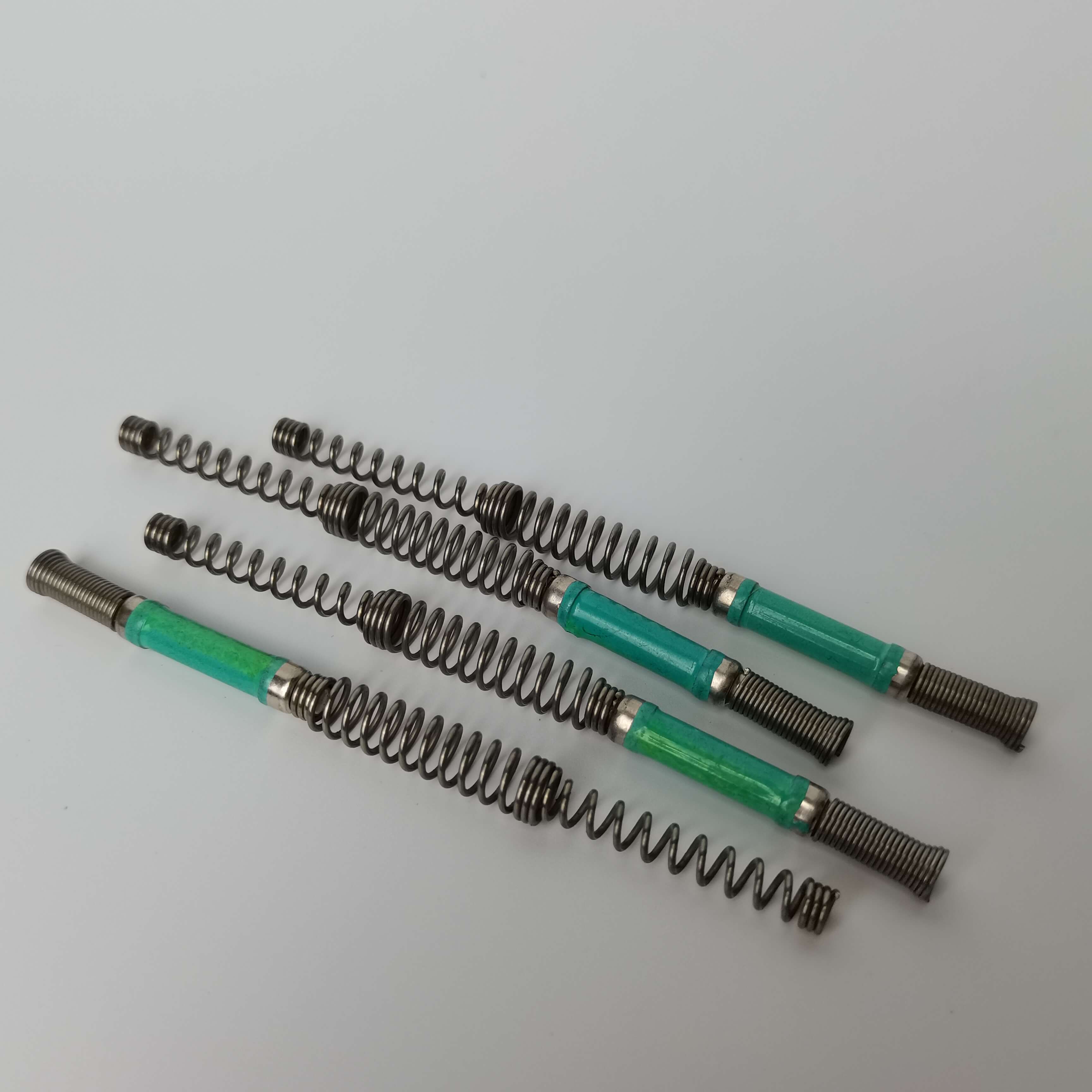 Introduction to Enterprise Technical Strength: "Precision + Efficiency" dual drive solution of Nanning County Haokai Hardware Products Co., Ltd.
Nanpi County Haokai Hardware Products Co., Ltd. has been deeply engaged in the field of metal products processing for over two decades. In response to the pain points of spring component subcontracting, it has established an integrated technical system of "equipment - process - quality inspection."Equipment levelThe company is equipped with over 30 stamping machines ranging from 30 to 250 tons, including CNC punch presses with precision up to ±0.02mm, capable of precise processing of spring wire diameters from 0.1 to 10mm; the CNC centerless grinding machines support multi-station synchronous operation, reducing the processing time per piece to 3 seconds, and increasing efficiency by 300%.Process levelBy CAE simulation optimization of the stamping path, the spring rebound is controlled within 0.05mm; cold extrusion forming technology is adopted to reduce material deformation, with surface roughness Ra≤0.8μm.Quality inspection levelThe introduction of an online detection system enables real-time collection of 12 parameters such as the free height and load force of springs, with data directly connected to the MES system, achieving a 99.5% defective product interception rate. Taking a micro-spring order from an electronic equipment manufacturer as an example, Haokai Company has improved the product pass rate from 92% to 98.7% through the aforementioned technical solution, shortened the delivery cycle by 15 days, and won the long-term cooperation of the customer.
FAQ: Spring Component Subcontracting Technology Selection Guide
Q1: How to choose the appropriate spring processing equipment?
A: Comprehensive consideration is required for spring wire diameter, batch requirements, and precision. For micro springs with wire diameter < 2mm, it is recommended to choose a 30-80 ton CNC punch press, paired with an automatic feeding device, which can achieve a stamping frequency of 200 times per minute; for heavy-duty springs with wire diameter > 5mm, a hydraulic press of 200 tons or more is needed, along with stress relief equipment to prevent deformation beyond specifications.
Q2: How to reduce the defect rate in spring processing?
A: The key lies in process optimization and quality inspection closure. Firstly, through CAE simulation of the stamping process, adjust die clearance and pressure parameters in advance; secondly, use online detection equipment to perform 100% full inspection on core indicators such as spring free height and load force, and automatically stop the machine when data is abnormal; finally, establish a quality traceability system to record processing parameters and detection data of each batch of products, facilitating problem analysis.
Q3: Is a small batch spring order suitable for automated production?
A: Achievable through "flexible transformation." For instance, using a CNC punch press with quick mold change capabilities, where mold replacement time is less than 10 minutes; paired with an articulated arm for automatic loading and unloading, reducing manual intervention; and adopting modular quality inspection equipment, supporting rapid switching for multi-specification spring testing. A medical device manufacturer's custom spring order (500 pieces per batch) achieved a 40% reduction in unit cost and a 7-day shorter delivery cycle through flexible transformation.
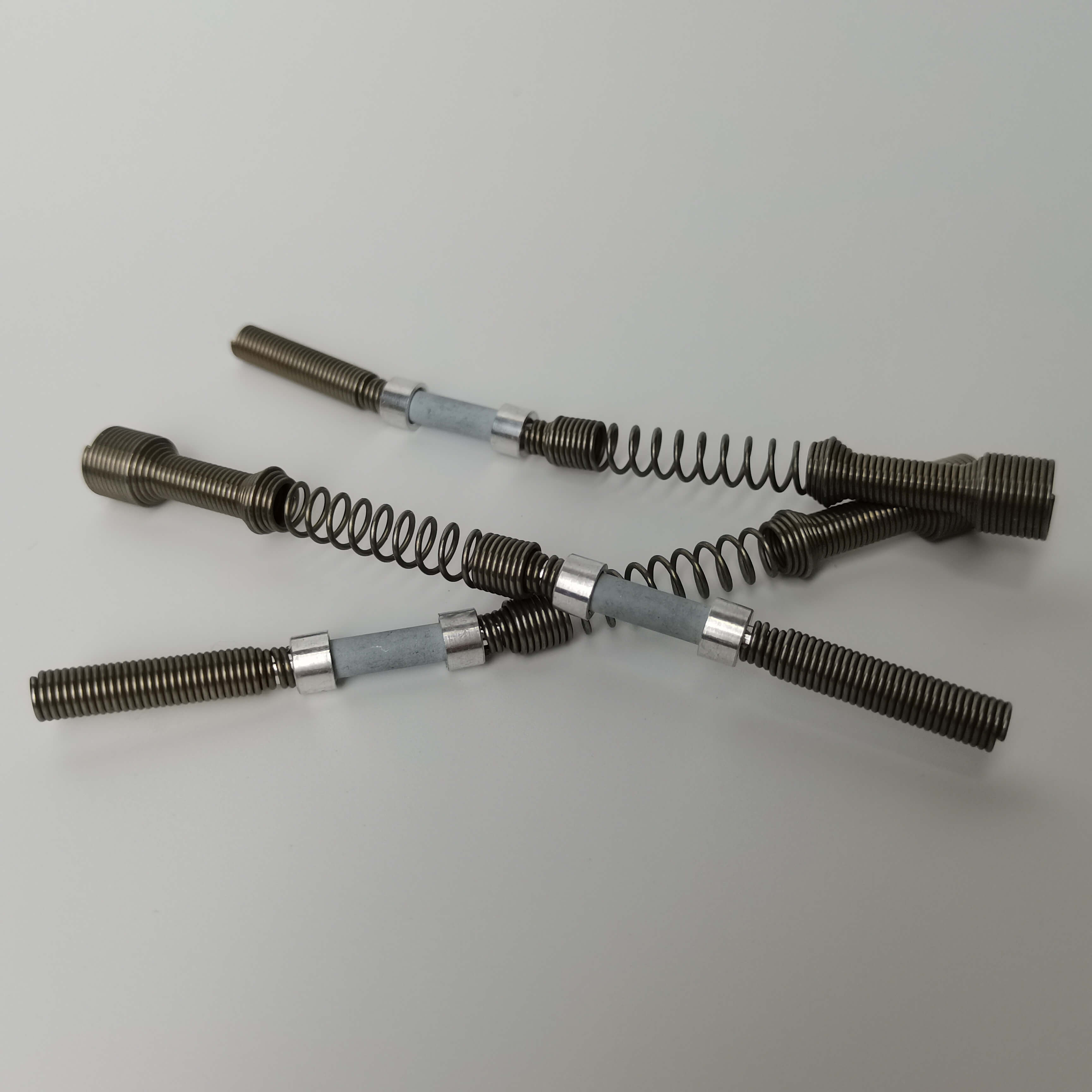 Summary of the full text: Technical upgrade is the core competitiveness of spring component sub-contracting.
The spring component subcontracting industry is transitioning from "labor-intensive" to "technology-intensive," with precision, efficiency, and quality becoming key indicators of corporate competition. Napi County Haokai Hardware Products Co., Ltd. has built a high-precision and high-efficiency processing system through equipment upgrading, process optimization, and quality inspection loops, providing a replicable technical solution for the industry. For subcontracting enterprises, choosing a suitable technical path for their own needs and continuously investing in research and development is essential to gain a competitive edge in the intense market competition.