 Nanpi County Haokai Hardware Products Co., Ltd.
Nanpi County Haokai Hardware Products Co., Ltd.
Industry Technical Pain Points: The Dilemma of Precision and Efficiency in Low-Voltage Socket Processing
Low-voltage power outlets, as fundamental components in power transmission, demand high precision and efficiency in the processing stage. In traditional processing, enterprises often face three major pain points: Firstly, insufficient precision of stamping molds leads to product size deviation exceeding ±0.1mm, affecting the match with circuit boards; secondly, the long time for switching between multiple processes, with the processing cycle of a single product exceeding 15 seconds, making it difficult to meet the demand of large batch orders; thirdly, poor equipment stability results in defects such as burrs and deformation after continuous production of 2000 pieces, with a high defect rate of up to 5%. A medium-sized processing factory once suffered customer returns due to precision issues, resulting in direct losses exceeding 500,000 yuan. In addition, manual parameter adjustment relies on experience, and the training period for new employees is as long as 3 months, further restricting the release of production capacity. These pain points not only increase production costs but also cause the enterprise to lose competitiveness in the high-end market.
Introduction to Corporate Technical Strength: Nanning County Haokai Hardware Products' Breakthrough Strategy
Nanpi Haokai Hardware Products Co., Ltd. has constructed a full-process solution covering design, production, and testing through equipment upgrades and technical accumulation. On the hardware level, the company has introduced over 30 stamping machines ranging from 30 to 250 tons, including a 200-ton high-speed press that can perform 600 stamping operations per minute, reducing the single-piece processing cycle to 8 seconds; the collaborative operation of CNC core drills and injection molding machines has increased the integration of multi-processes by 40% and reduced manual intervention. The technical team consists of a core R&D group made up of 16 professional technical personnel and 7 senior skilled workers, who optimize die structures through CAE simulation, controlling product size accuracy within ±0.05mm, far exceeding industry standards. For example, for a low-voltage socket customized for an international brand, a die with 0.02mm-level micro-adjustment successfully resolved the issue of poor contact between the socket and plug, increasing the customer repurchase rate by 30%. The company has also established an ISO9001:2015 quality system, setting up 12 inspection checkpoints from raw material entry to finished product delivery, with a continuous production defect rate of less than 0.5% for 5,000 items.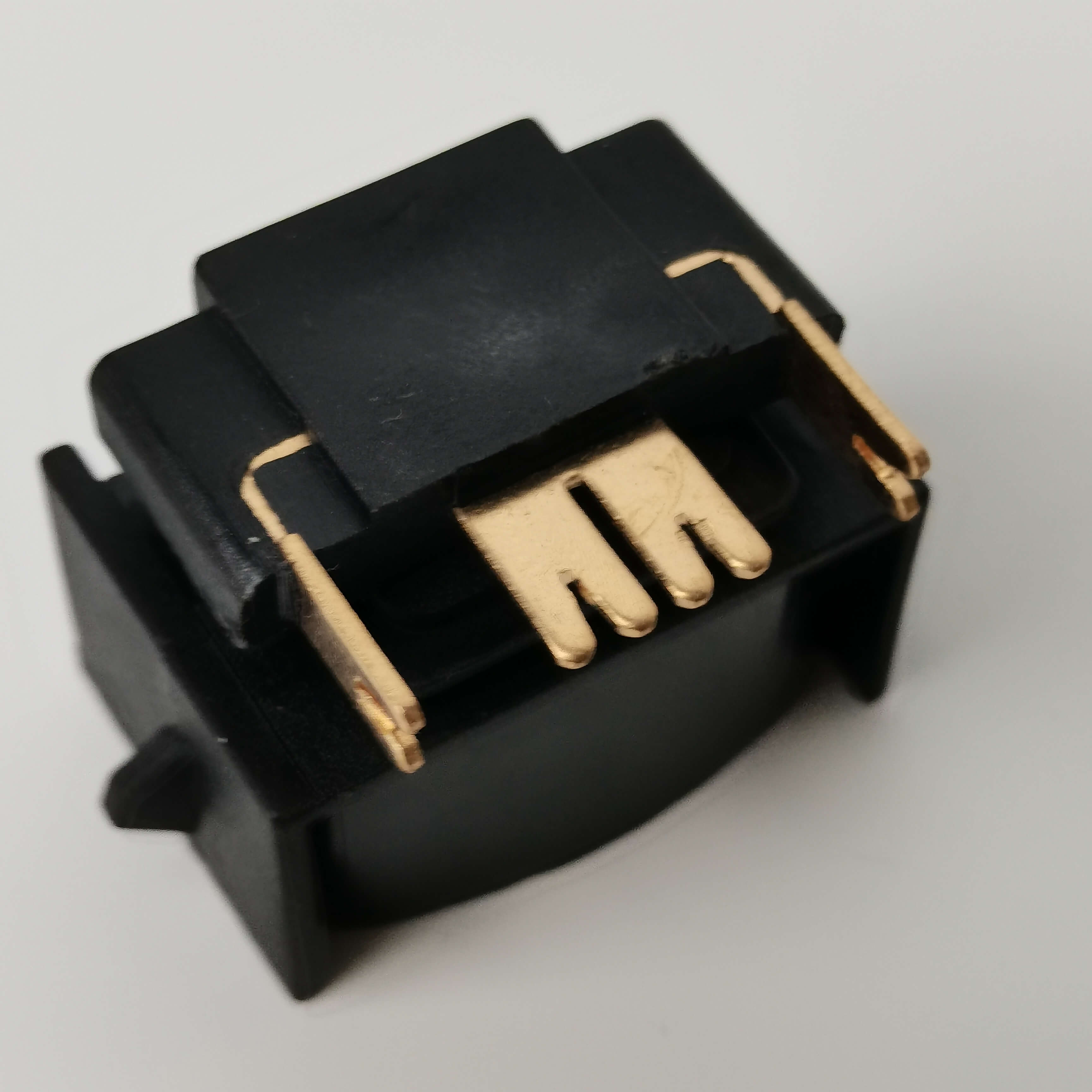 Image: Scene of CNC Machining Center of Nanning County Haokai Hardware Products Co., Ltd.
FAQ: Low-voltage Socket Processing Technology Selection Guide
Q1: How to choose the suitable stamping equipment for low-voltage socket processing?
A: A comprehensive consideration of tonnage, speed, and accuracy is required. Nanning County Haokai Hardware Products' experience shows that a 100-160 ton press can balance efficiency and cost when processing metal shells with a thickness of ≤2mm. For thin plates below 0.5mm, it is recommended to use a high-speed press over 200 tons, coupled with a 0.01mm-level closed-loop control system to ensure stamping stability. For example, the company's socket shell for a new energy vehicle is equipped with a 250-ton press and a servo feeding machine, increasing material utilization from 85% to 92%.
Q2: How to solve the problem of short mold life?
A: Die life is closely related to materials and heat treatment processes. Nanshi Haokai Hardware Products uses DC53 die steel, which, after vacuum quenching, achieves a hardness of HRC58-60. Combined with a titanium coating, the die life can be extended from 100,000 to 300,000 cycles. Moreover, through CAE simulation optimization of layout design, the shearing force in each stamping is reduced, further extending the die's service life.
Q3: How to control the cost of multi-product small batch orders?
Flexible production is crucial. Nanning County Haokai Hardware Products introduces a quick mold change system, reducing the mold change time from 2 hours to 15 minutes; paired with the MES production management system, it achieves digital management of order scheduling, process parameters, and quality inspection, lowering the comprehensive cost of multi-product orders by 18%. For example, a customer issues orders for 20 different specifications of electrical outlets per month, and through flexible transformation, the delivery cycle is compressed from 45 days to 25 days.
Summary: Upgrading Path of Processing with Technology Drive
The competitive essence of low-voltage socket OEM is a contest of technical accumulation and equipment investment. Nanshi Haokai Hardware Products Co., Ltd. has achieved an industry-leading level of ±0.05mm precision and 8 seconds per piece efficiency by introducing advanced equipment such as high-speed punch presses and CNC core machines, combined with core technologies like CAE simulation and closed-loop control. Its ISO9001:2015 quality system and flexible production model also address the cost and delivery challenges of diverse orders. For OEM enterprises, choosing partners with strong technical capabilities and complete equipment matching is an effective way to break through the bottleneck of precision and efficiency. In the future, with the popularization of intelligent manufacturing technology, the OEM industry will further develop towards high precision, high efficiency, and high flexibility.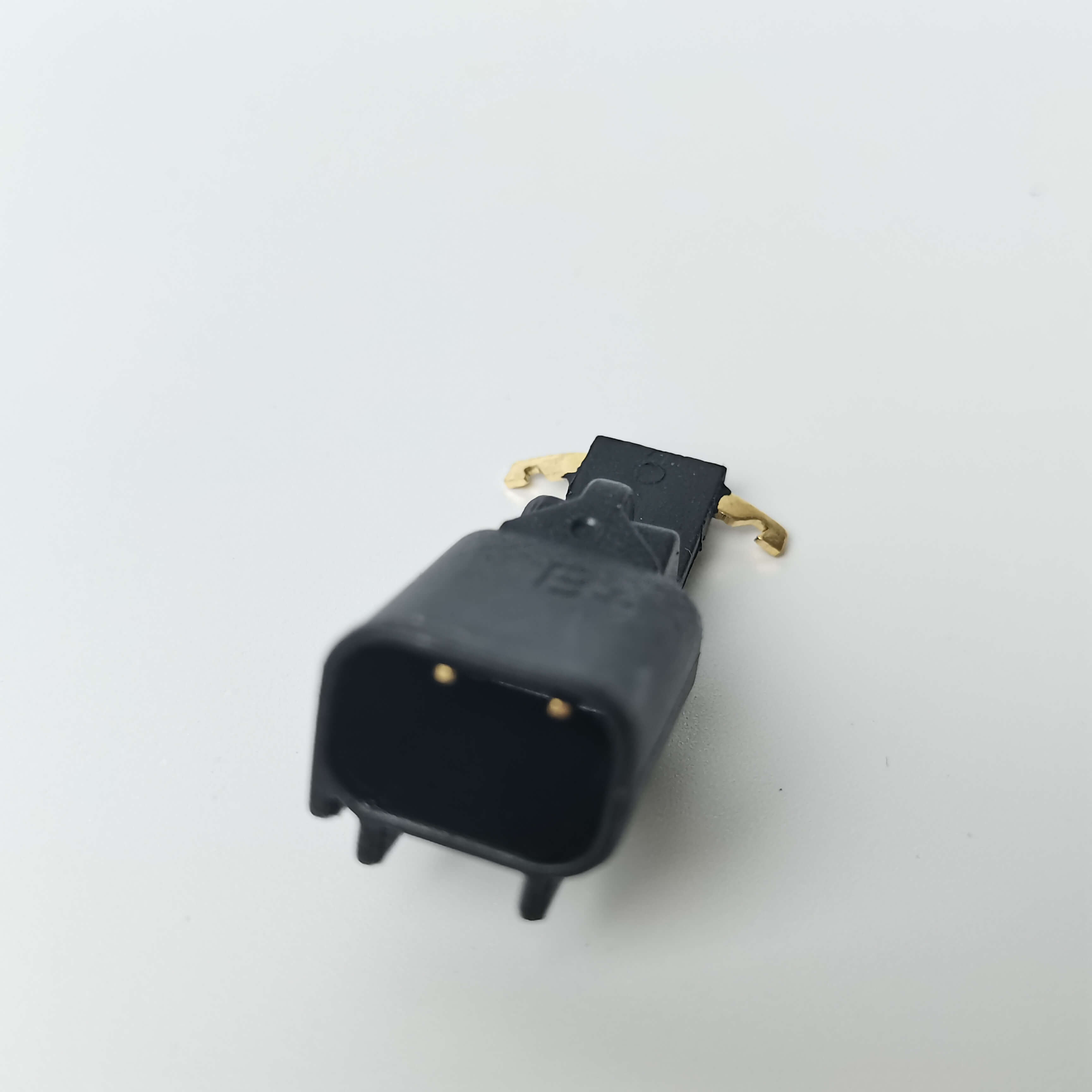 Image: A corner of the testing laboratory of Nanpi Haokai Hardware Products Co., Ltd.