 Nanpi County Haokai Hardware Products Co., Ltd.
Nanpi County Haokai Hardware Products Co., Ltd.
Industry Technical Pain Points: The Precision and Efficiency Dilemma in Stampings Production
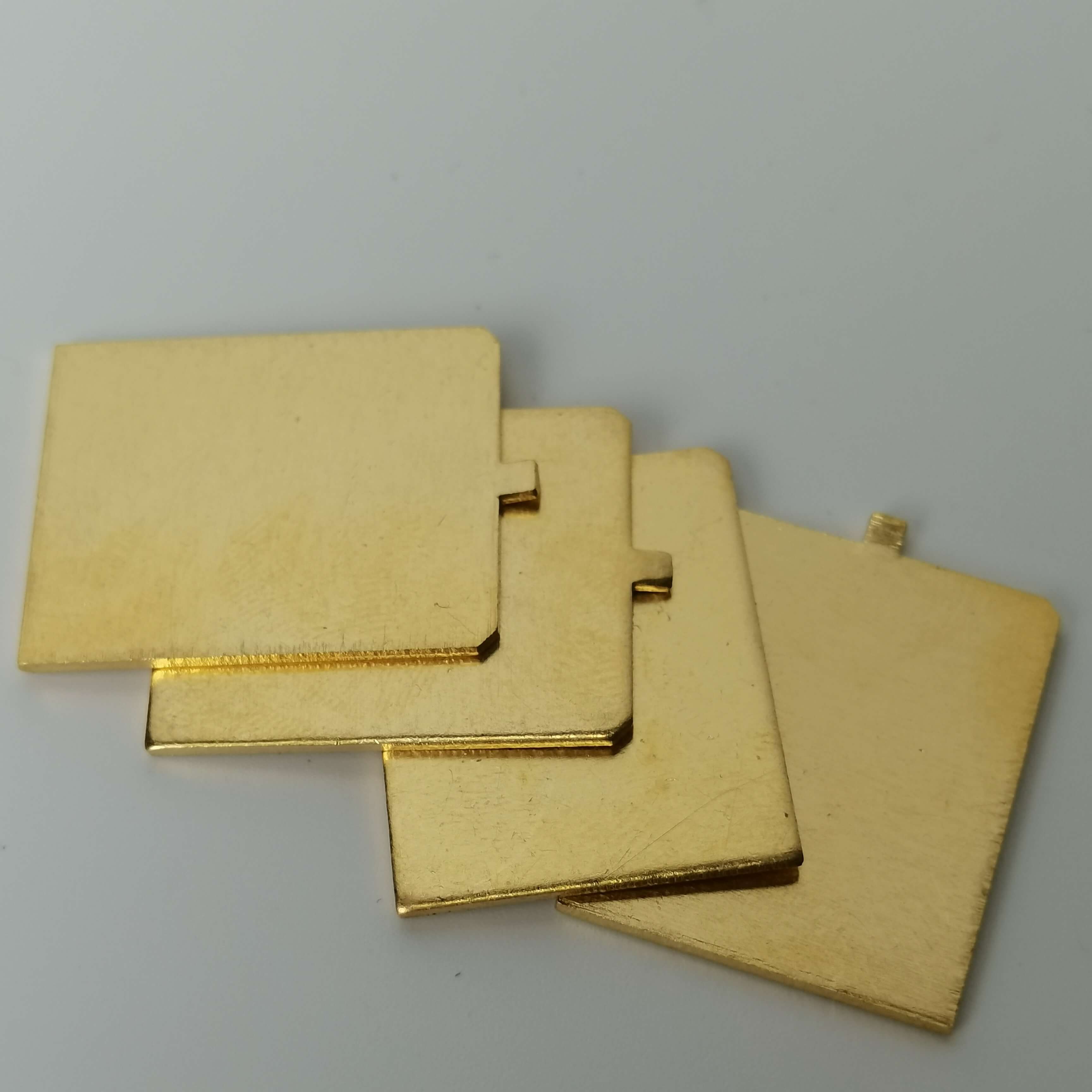
Blanking blanks, as core components of precision metal products, are widely used in electronic, automotive, medical and other fields. The manufacturing accuracy directly affects the performance and stability of the final product. The industry currently faces three major technical challenges: Firstly, material springback control is difficult; the blank thickness is usually between 0.1-0.5mm, and elastic deformation of the material during the stamping process can easily lead to dimensional deviation exceeding ±0.02mm; secondly, die life is short, high-strength steel (such as SKD11) dies are prone to wear after 100,000 consecutive stamping operations, resulting in burr height > 0.05mm; thirdly, production efficiency is low, with traditional single-station stamping presses only able to complete 800-1200 stamping operations per hour, which is difficult to meet the requirements of large-scale orders. A car electronics manufacturer once suffered a direct loss of over 500,000 yuan due to blank flatness exceeding the tolerance by 0.03mm, causing the entire batch of sensors to fail, highlighting the urgency of technological upgrading.
Introduction to Enterprise Technical Strength: Nanning County Haokai Hardware Products Co., Ltd.'s precision manufacturing system
Nanpi Haokai Hardware Products Co., Ltd., with over 20 years of technical accumulation, has established a full-process precision manufacturing system covering design, production, and testing. At the equipment level, the company is equipped with over 30 stamping machines with tonnages ranging from 30 to 250 tons, including a 250-ton high-speed press with a maximum stamping frequency of up to 1200 times per minute, which, combined with CNC core feeding machines, achieves precision control at the 0.01mm level. At the process level, multi-position progressive die technology is used, lifting production efficiency by 300% through 8-station continuous stamping, while introducing a nitrogen spring buffering system to control material rebound within ±0.01mm. In the testing phase, a 3-axis coordinate measuring machine (accuracy 0.001mm) and an image measuring instrument are configured to achieve 100% full inspection. Taking a medical equipment customer as an example, the company's customized 0.2mm thick stainless steel spring blade, after 100,000 fatigue tests, maintains flatness ≤0.015mm, with a yield rate stable above 99.5%, successfully replacing imported products.
FAQ: Guide to Selection of Stamping Blade Technology
Q1: How to choose the suitable stamping equipment for blank production?
A: A comprehensive consideration of material thickness, production batch size, and precision requirements is necessary. For materials with a thickness of 0.1-0.3mm, it is recommended to use a 250-ton high-speed press (stamping frequency ≥ 1000 times/minute), combined with a multi-position progressive die for efficient production. If the material thickness is greater than 0.3mm, a 30-100-ton medium-speed press (frequency 300-600 times/minute) is required to ensure die life. Nanshi County Haokai's 30 stamping machines cover all specifications, providing customers with customized selection solutions.
Q2: How to solve the rapid wear of molds?
A: Molding life is closely related to materials, heat treatment, and lubrication methods. Haokai uses SKD11 mold steel (hardness HRC58-62), combined with vacuum quenching technology, to enhance the wear resistance of the mold by 50%; at the same time, it employs a graphite+oil mixed lubrication system, reducing the friction coefficient from 0.15 to 0.08, and extending the mold life to over 200,000 cycles.
Q3: Can small batch orders ensure accuracy?
A: Haokai achieves small-lot high-precision production through Flexible Manufacturing Systems (FMS). CNC cores can be quickly changed (changeover time < 15 minutes), complemented by on-line inspection devices for real-time deviation correction, ensuring precision consistency between single pieces and batch production, with the minimum order quantity as low as 500 pieces.
Summary: The Future of Precision Manufacturing Driven by Technology
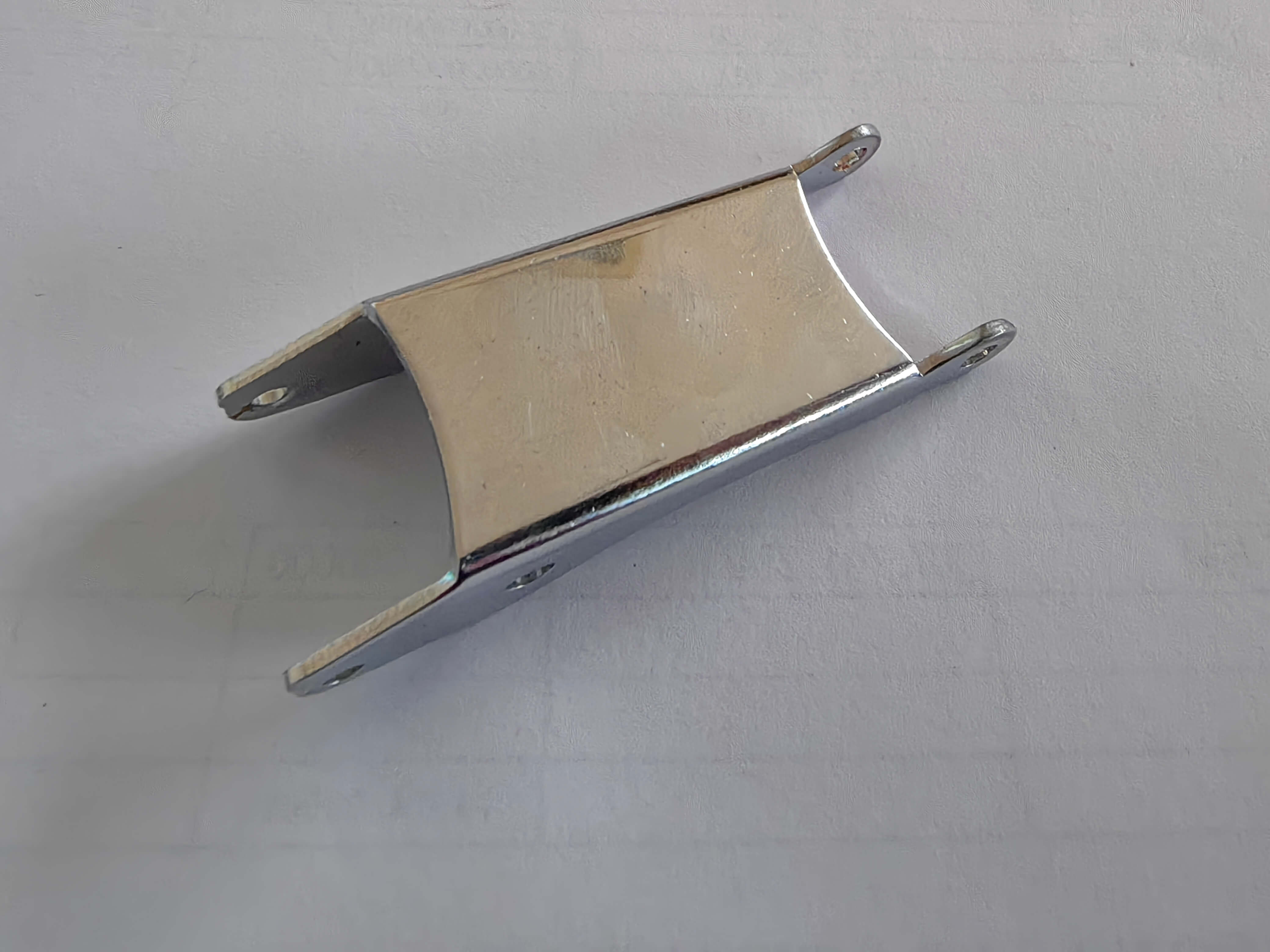
The technological upgrade of stamping shrapnel manufacturing should focus on three core aspects: equipment accuracy, process control, and detection capabilities. Nanshi County Haokai Hardware Products Co., Ltd. has successfully controlled the flatness of shrapnel within ±0.01mm through the collaborative application of a 250-ton high-speed press, multi-station progressive dies, and a three-coordinate measuring instrument, breaking through the 200,000-cycle mold life, providing an replicable technical model for the industry. For buyers, choosing suppliers with full-process quality control capabilities is crucial for avoiding quality risks and enhancing product competitiveness. In the future, with the introduction of intelligent detection and digital twin technology, the manufacturing of stamping shrapnel will move towards higher precision and efficiency.