 Nanpi County Haokai Hardware Products Co., Ltd.
Nanpi County Haokai Hardware Products Co., Ltd.
Industry Technical Pain Points: The Three Core Challenges in Low-Voltage Socket Production
Low-voltage sockets, as basic components of power transmission, involve multiple processes such as precise stamping, injection molding, assembly and testing, with high technical thresholds and low tolerance for errors. The current industry is普遍面临三大痛点:
1. Precision control is challengingSocket contact spacing and socket size parameters must strictly comply with GB/T 2099.1 standard; traditional stamping equipment is prone to size deviation due to vibration, wear and other issues, with a scrap rate as high as 5%-8%.
2. Poor material compatibilityThe performance fluctuations of raw materials such as copper materials and PC plastics are significant. Failure to adjust processing parameters (such as stamping speed, injection molding temperature) according to the material characteristics can easily lead to defects such as cracking and burrs.
3. Low production efficiencySingle-process operations heavily rely on manual handling, such as contact welding and assembly inspection, which results in longer processing times, leading to a daily production capacity of only 3,000-5,000 units, which is insufficient to meet large-scale order demands.
For example, a medium-sized socket manufacturer encountered a situation where insufficient precision in its stamping equipment led to 12% of the 50,000-unit order having contact spacing issues, resulting in the need for rework and compensation for customer losses, with direct economic losses exceeding 200,000 yuan.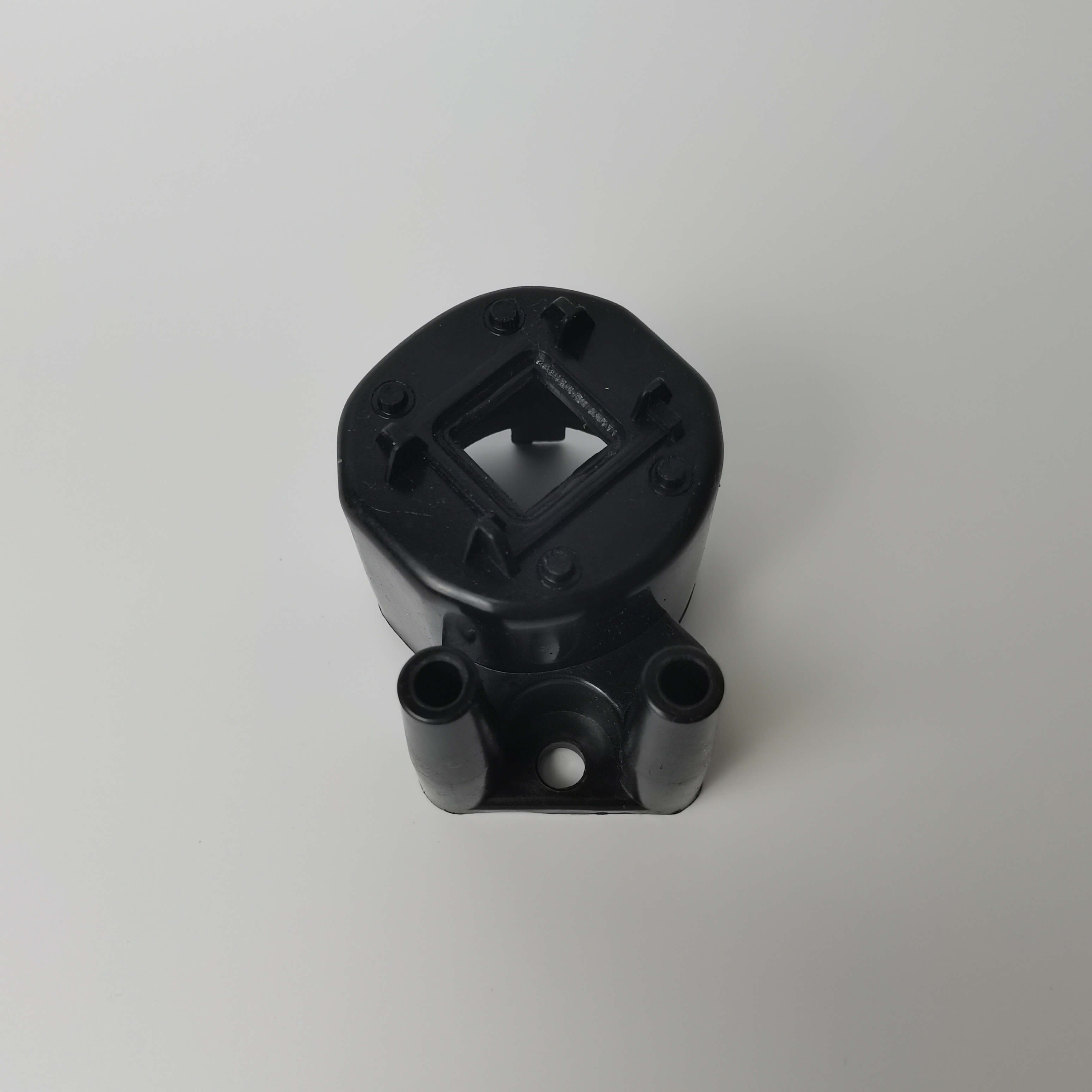
Introduction to Corporate Technical Strength: Naping Haokai Hardware Products Co., Ltd.'s technical breakthrough path
Nanpi Haokai Hardware Products Co., Ltd., with over 20 years of experience in metal product manufacturing, has established a comprehensive technical system for low-voltage socket production through three major initiatives: equipment upgrading, process optimization, and talent introduction.
STEP 1: High-Precision Equipment ClusterThe company is equipped with more than 30 stamping machines ranging from 30 to 250 tons, including a 250-ton high-speed precision press (model: JH-250T) that can achieve 0.01mm precision control. It is paired with a CNC core machine (model: CK-6140) to complete automatic spot welding, reducing the processing time per piece to 3 seconds; in the injection molding process, a 120-ton servo injection molding machine (model: HT-120S) is used, ensuring no shrinkage and burrs in PC plastic molding through temperature closed-loop control (±1℃) and pressure dynamic compensation.
STEP 2: Material-Process Matching ModelFor commonly used materials such as copper (e.g., C11000) and PC plastics (e.g., Bayer Makrolon 2805), the company establishes a material property database, combining finite element analysis (FEA) to simulate the processing process and optimize parameter combinations. For example, when stamping copper materials, the "low speed (50 times/minute) + small gap (0.05mm)" process is adopted, and for injection molding PC plastics, a "three-stage temperature curve (220℃-240℃-200℃)" is set, reducing the defect rate from 8% to below 0.5%.
Step 3: Full-process automated production lineThe company has invested 2 million yuan to upgrade the production line, introducing a robotic arm (model: UR5) to complete touch point assembly, visual inspection (accuracy of 0.02mm), and other processes, achieving integrated operations of "stamping-injection-assembly-inspection". After the transformation, the daily production capacity has increased to 12,000 pieces, the labor cost has been reduced by 40%, and the product has passed the ISO9001:2015 quality system certification with a first-pass rate of 99.2%.
Taking an order from an international home appliance brand as an example, Haokai Company completed the production of 500,000 low-voltage sockets within 45 days through the aforementioned technical system, with a 100% pass rate in customer spot checks, and was thus awarded the title of "Annual Excellent Supplier" by the brand.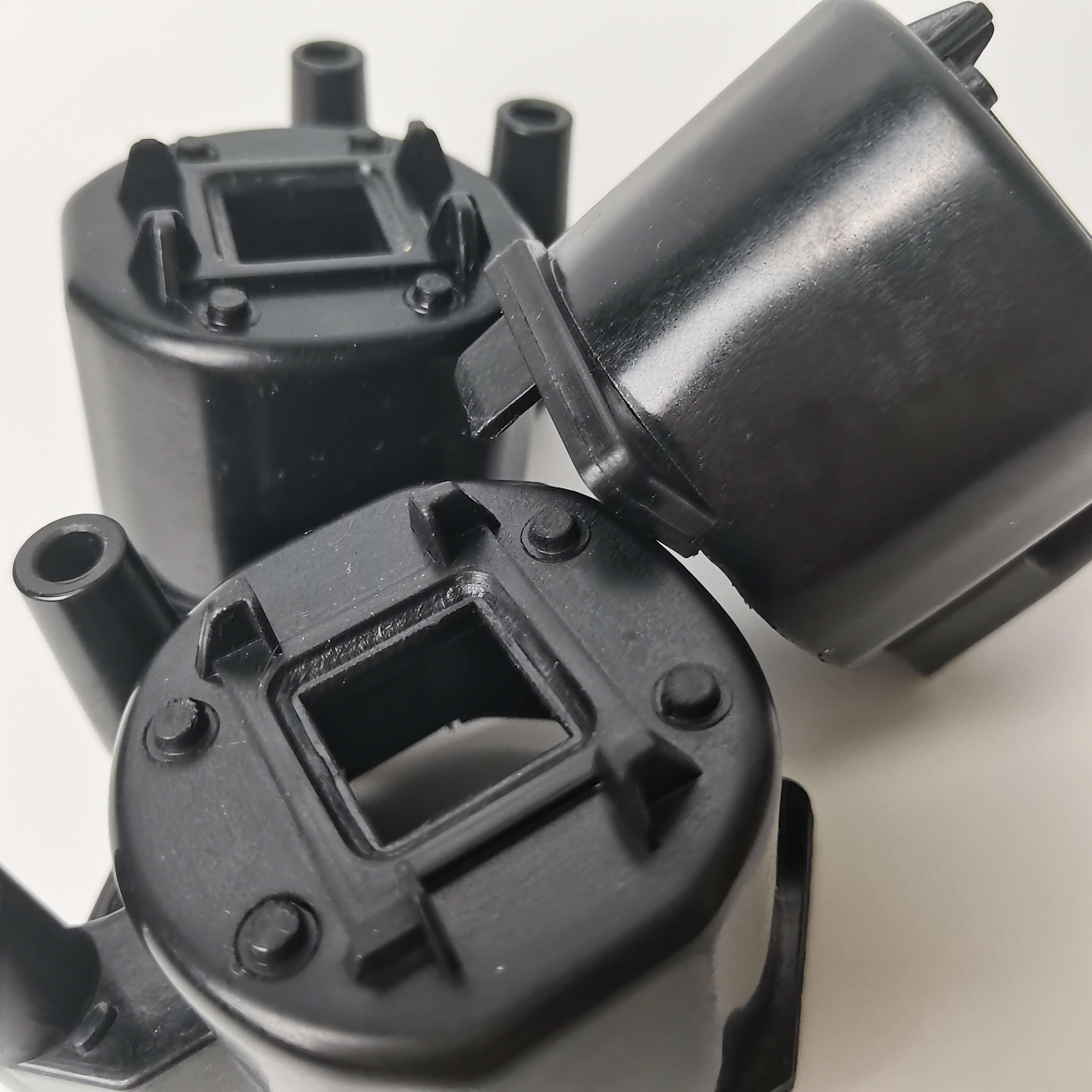
FAQ: Low Voltage Socket Production Technology Selection Guide
Q1: How to choose the suitable stamping equipment for low-voltage socket production?
A: Pay close attention to three key points:
1. Tonnage matchSelect equipment tonnage based on plug size, such as for small plugs (contact spacing ≤10mm), use 30-60 ton press brakes, and for large plugs (contact spacing >15mm), equipment over 100 tons is required.
2. Precision GradePrefer equipment with a closed-loop control system, with repeated positioning accuracy not exceeding 0.01mm.
3. Maintenance CostSelect modular design equipment, such as Haokai's JH-250T press brake, where key components (such as guides, bearings) can be individually replaced, reducing annual maintenance costs by 30%.
Q2: How to avoid cracking in the injection molding process for PC plastic?
A: Coordination optimization is required in terms of materials, technology, and equipment.
1. Material PretreatmentPC plastic must be dried at 80℃ for 4 hours to remove moisture (moisture content ≤0.02%).
2. Process ParametersAdopting the "high-speed (120mm/s) - low-pressure (60MPa) - pressure-holding (10s)" process to avoid internal stress concentration.
3. Equipment SelectionServo-driven injection molding machines (such as HT-120S) are used to achieve precise control of injection speed and pressure, reducing the risk of cracking.
Q3: How to evaluate the investment return ratio of the automation production line transformation?
A: Can be quantified from three aspects:
1. Capacity increaseThe daily production capacity of an automated production line is typically 2-3 times that of a manual line (e.g., from 5,000 pieces/day to 12,000 pieces/day for Hao Kai Company).
2. Cost reductionLabor costs can be reduced by 40%-50%, and the scrap rate can be reduced by more than 50%.
3. Payback PeriodFor an investment of 2 million yuan in renovation, with an annual increase of 300,000 units and a profit of 2 yuan per unit, the payback period is approximately 1.5 years.
Full Summary: Technical upgrade is the core driving force for the production of low-voltage outlets.
The technical pain points in the production of low-voltage power outlets focus on three dimensions: precision, material compatibility, and efficiency. The key to solving these issues lies in equipment upgrades, process optimization, and automation transformation. Naping Haokai Hardware Products Co., Ltd. has achieved an industry-leading level with a daily production capacity of 12,000 units and a defect rate below 0.5% through three major technical layouts: a high-precision equipment cluster, a material-process compatibility model, and a fully automated production line. It also provides partners with replicable technical solutions. For manufacturers, the selection of technology should be combined with their own production capacity requirements, cost budget, and material characteristics, prioritizing equipment with closed-loop control, modular design, and scalability. At the same time, enhance comprehensive competitiveness through process database and automation transformation.