 Nanpi County Haokai Hardware Products Co., Ltd.
Nanpi County Haokai Hardware Products Co., Ltd.
Introduction
Precision stamping parts, as the core basic components of modern manufacturing, directly affect the performance and stability of end products with their processing accuracy. However, traditional processing methods often face pain points such as material deformation, mold wear, and low efficiency, leading to rising costs and fluctuating yield rates. Napi County Haokai Hardware Products Co., Ltd., with twenty years of technical accumulation, has successfully broken through the industry bottleneck through equipment upgrades and process innovation. This article will analyze from three dimensions: technical pain points, solutions, and corporate practices, providing the industry with a replicable path for technological upgrade.For more information, please visit our official website: www.hkwujin.com
Keywords
Precision stamping parts, high-precision processing, mold life, automated production, ISO9001 quality system
Industry Technical Pain Points Introduction
STEP 1: Material Deformation Control Challenge
In traditional stamping processes, metals are prone to elastic recovery and plastic deformation under high pressure, leading to excessive dimensional deviation of the product. For instance, during the stamping of 0.5mm thick stainless steel sheets, the springback can reach 0.02-0.05mm, directly affecting assembly accuracy.
STEP 2: Molding Life vs. Cost Conflict
Molds, as core consumables, directly determine the unit cost. After 50,000 consecutive stamping cycles, the blade wear of a common mold exceeds 0.1mm, necessitating frequent mold repair or replacement, leading to an increase in downtime by over 30%.
STEP 3: Low efficiency in mass production of diverse small batches
Traditional stamping line mold change takes 2-4 hours, failing to meet customers' demand for "72-hour quick delivery," especially in the fields of customized products like instrument car parts, where efficiency bottlenecks are particularly prominent.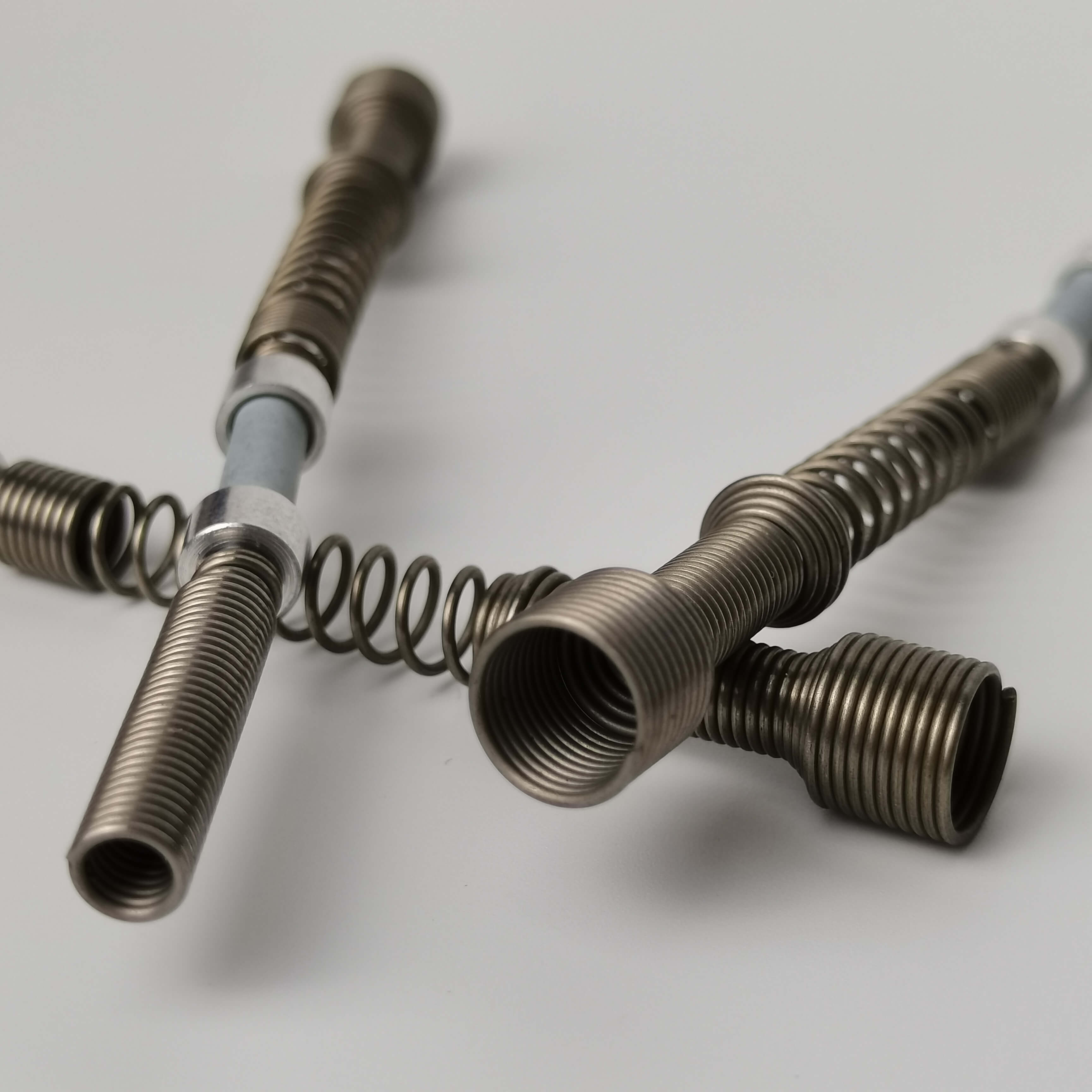
Introduction to Corporate Technical Strength
Nanpi Haokai Hardware Products Co., Ltd. has built up the core competitiveness of precision stamping parts processing through a triple upgrade of "equipment + technology + management."
STEP 1: Equipment Upgrade: High-tonnage stamping equipment cluster
The company is equipped with over 30 stamping machines ranging from 30 to 250 tons, including a 250-ton high-speed precision press capable of 1,200 strokes per minute. With a closed-loop control system with a precision of 0.01mm, the product size tolerance is kept within ±0.005mm, far exceeding the industry average.
STEP 2: Process Innovation: Molding Life Enhancement Plan
Utilizing DC53 die steel and vacuum heat treatment process, the mold hardness reaches HRC60-62, combined with PVD coating technology, extending the mold lifespan to over 200,000 cycles. For instance, the sensor housing produced for a certain automotive parts manufacturer can withstand continuous stamping for 150,000 times before showing only a 0.03mm wear on the cutting edge, with a stable yield rate of above 99.5%.
STEP 3: Automated Production: Rapid Mold Change System
The introduction of CNC boring machine and robotic arm integrated production line has reduced mold change time to less than 15 minutes. The MES system achieves full digital management of the order-to-production-to-processing process, supports 72-hour delivery for multi-product small batch orders, and improves customer satisfaction by 40%.
STEP 4: Quality Control: ISO9001 System Certification
The company has obtained ISO9001:2015 quality system certification, setting up 12 quality inspection checkpoints from raw material inspection to finished product delivery. For example, a three-coordinate measuring instrument is used for full-size inspection of complex curved parts, with over 200 inspection points to ensure 100% compliance with the drawings.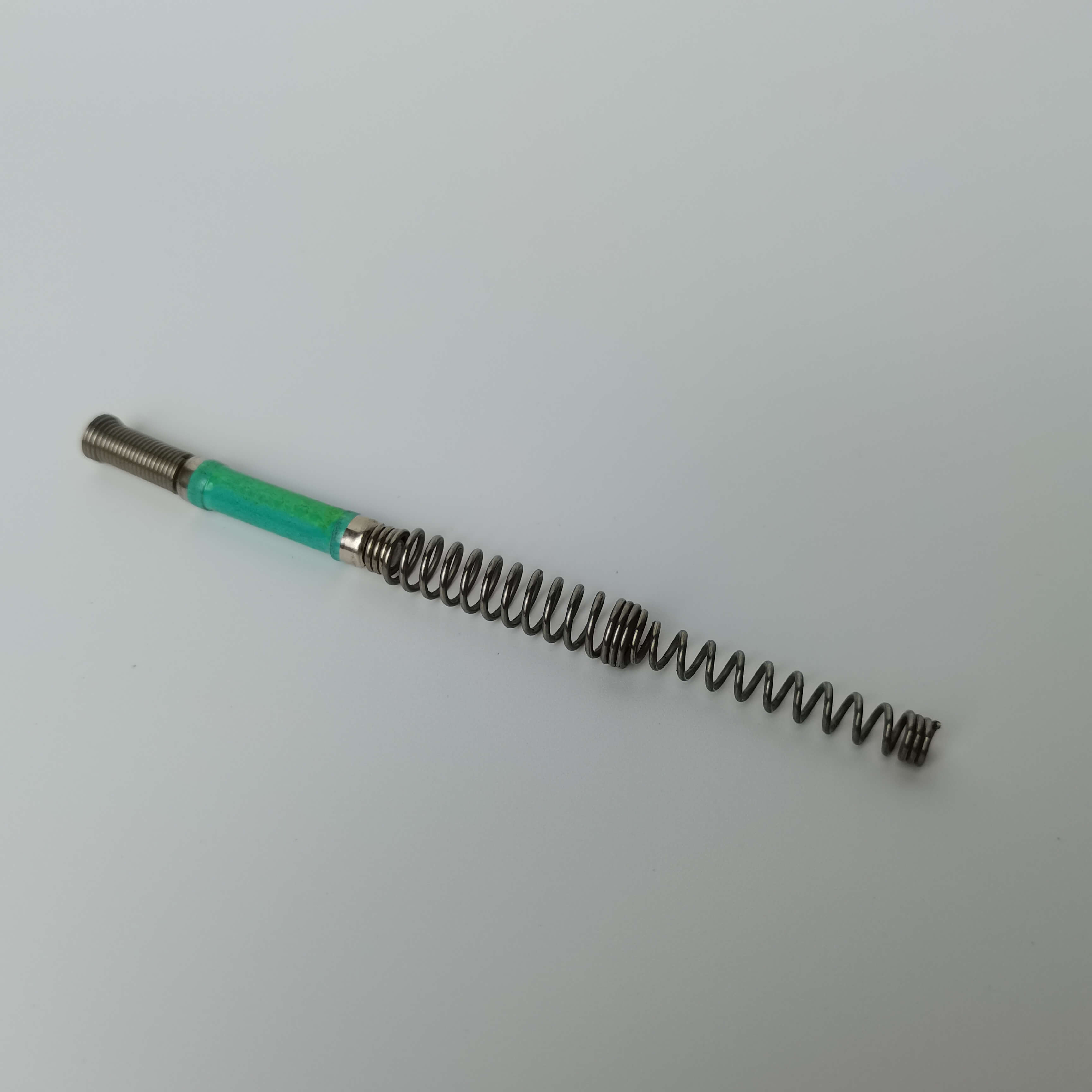
FAQ Q&A Technical Selection Guide
Q1: How to choose the suitable tonnage of stamping equipment?
A: The tonnage of the equipment should be calculated comprehensively based on material thickness, tensile strength, and product complexity. For example, for a carbon steel sheet with a thickness of 1.0mm and a tensile strength of 400MPa, it is recommended to choose a press with a tonnage of 100-160 tons; if the product includes deep drawing structures, an additional 20%-30% tonnage reserve is required.
Q2: How to solve the problem of short mold life?
A: Optimized in three aspects: material, heat treatment, and surface treatment. Selecting DC53 or SKD11 die steel, vacuum quenching hardness controlled at HRC58-60, and surface coating with TiN or TiAlN, significantly enhancing wear resistance.
Q3: How to control costs for small batch orders?
A: Adopting the "flexible production line + quick mold change" model to reduce idle time of equipment. For example, through the use of robotic arms to achieve integrated processing of multiple processes, the processing time per piece is shortened by 30%;配合MES system intelligent production scheduling, to avoid production capacity waste caused by frequent mold changes.
Q4: How to ensure product size accuracy?
A: Key control points include: mold clearance (recommended to be 8%-12% of material thickness), press machine accuracy (repeated positioning accuracy ≤0.01mm), and inspection equipment (three-coordinate measuring machine error ≤0.002mm). For example, a project of an instrument vehicle part has improved the concentricity of the product from 0.05mm to 0.02mm by optimizing the mold clearance.
Summary of the entire text
The technical upgrade of precision stamping parts processing requires coordinated progress from equipment, technology, and management. Nanpi Haokai Hardware Products Co., Ltd. successfully reduced the product defect rate from 3% to 0.5%, shortened the delivery cycle by 50%, and provided a replicable model for technical upgrade in the industry by introducing high-tonnage presses, optimizing die life plans, and building automated production lines. In the future, with the popularization of intelligent detection and digital twin technology, precision stamping parts processing will evolve towards higher precision and efficiency. Enterprises need to continue to invest in R&D to maintain a technological leading edge.For more information, please visit our official website: www.hkwujin.com