 Nanpi County Haokai Hardware Products Co., Ltd.
Nanpi County Haokai Hardware Products Co., Ltd.
Introduction: Why is the selection of precision stamping parts crucial?
In the field of industrial manufacturing, precision stamped parts serve as core components for products such as connectors, sensors, and electronic components, with their performance directly influencing the stability and lifespan of end products. However, improper selection can lead to issues such as material waste, rising processing costs, and declining product yield. This article takes the technical practices of Nanpi County Haokai Hardware Products Co., Ltd. (hereinafter referred to as "Haokai Hardware") as an example, providing a practical guide for precision stamped part selection from dimensions such as industry pain points, the company's technical capabilities, and analysis of selection parameters.
Key words:Precision stamping parts, selection parameters, stamping process, material adaptability, Haokai Hardware
Opening on Industry Technical Pain Points: Three Core Challenges in Model Selection
STEP1:Material adaptability challengesDifferent application scenarios have significantly varying requirements for material performance: for instance, automotive electronics require SUS304 stainless steel that is heat-resistant and corrosion-resistant; consumer electronics, on the other hand, tend to favor SPCC cold-rolled steel, which is low-cost and easy to process. If the material selection does not match the scenario, quality issues such as cracking and deformation are prone to occur.
STEP2:Bottleneck in dimensional accuracy controlThe tolerances for precision stamping parts generally need to be controlled within ±0.02mm. However, the traditional stamping process is affected by factors such as mold wear and equipment vibration, making it difficult to consistently and stably meet this standard, resulting in fluctuations in yield rates.
STEP3:Dilemma of balancing cost and efficiencyDuring small-batch production, the cost of mold development accounts for a high proportion; while during large-batch production, insufficient equipment efficiency may extend delivery times. How to select the optimal process based on order size has become the key for enterprises to reduce costs and increase efficiency.
Introduction to the company's technological strength: Haokai Hardware's three major technological layouts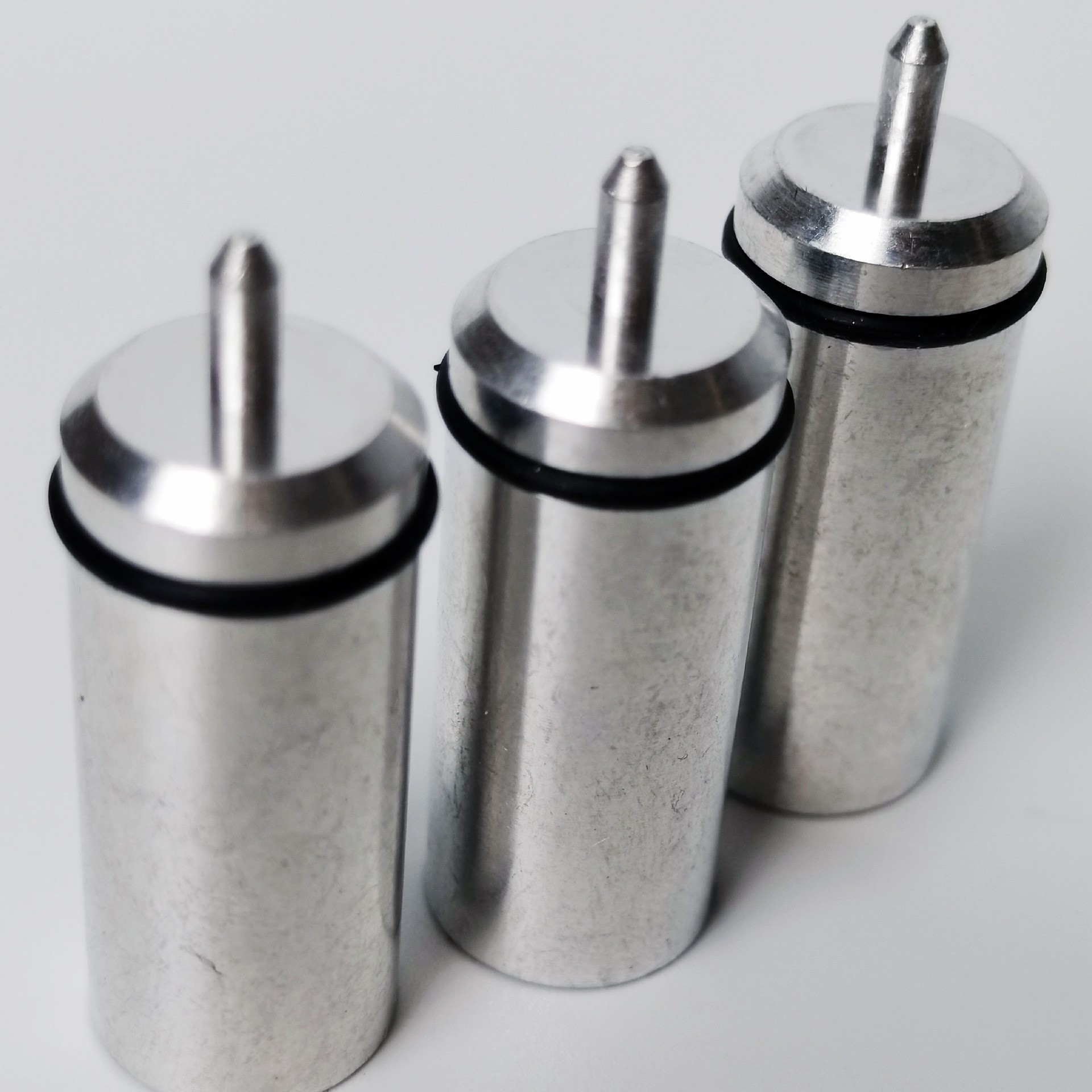
Haokai Hardware has built its core competitiveness in precision stamping parts by relying on the three-dimensional technological system of "equipment + process + talent":
STEP1:Equipment investment: High-precision machining guaranteeThe company is equipped with over 30 stamping machines ranging from 30 to 250 tons, among which the 250-ton high-speed punch achieves a maximum stamping speed of 1,200 strokes per minute, meeting the demands of large-scale production. Additionally, it has introduced CNC sliding headstock machines, automatic lathes, and other equipment to enable precision machining of complex structural components, with a minimum machining dimension of 0.1mm.
STEP2:Process innovation: Precision control throughout the entire processThrough mold design optimization (e.g., adopting SKD11 mold steel with a hardness of HRC58-60), dynamic adjustment of stamping parameters (real-time monitoring of pressure, speed, and stroke), and closed-loop management of post-processing techniques (e.g., deburring, electroplating), product tolerances are stably controlled within ±0.01mm, with a yield rate improved to over 99.5%.
STEP3:Talent Support: Practical Experience of the Technical TeamAmong the company's 16 technical personnel, 7 are senior technicians with an average of over 10 years of industry experience. They excel in customizing mold development according to customer needs, reducing development cycles by more than 30%. For instance, for a automotive electronics customer, by optimizing the mold runner design for connector terminals, they increased material utilization from 65% to 82%, reducing the unit cost by 0.15 yuan.
For more information, please visit the official website:www.hkwujin.com
FAQ: Q&A Technical Selection Guide
Q1: How to select materials based on application scenarios?
STEP1:Clarify performance requirementsFor example, choose SUS304 stainless steel for high-temperature resistance (>200℃); choose phosphor bronze (C5191) for excellent electrical conductivity; choose SPCC cold-rolled steel for cost sensitivity.
STEP2:Verify material processabilityBy utilizing Haokai Hardware's material database (covering over 20 commonly used metal materials), one can query the stamping performance parameters (such as elongation and hardness) of the target material to avoid cracking caused by material brittleness.
STEP3:Refer to successful casesHaokai Hardware once developed corrosion-resistant terminals for a medical equipment customer. By comparing the salt spray test data of 304 stainless steel and 316L stainless steel (with the corrosion resistance of 316L improved by 2 times), 316L was ultimately selected, extending the product lifespan to over 5 years.
Q2: How to balance cost and accuracy?
STEP1:Wire cutting process for small batch production (<1,000 pieces)No mold is required, with a unit cost of approximately 5-10 yuan, yet achieving a precision of ±0.005mm, suitable for prototype development.
STEP2:Medium-batch (1,000-10,000 pieces) production selects progressive die stamping.The mold cost is approximately 20,000 to 50,000 yuan, but the cost per unit can be reduced to 0.5 to 1 yuan, with an efficiency of 500 pieces per hour.
STEP3:Multi-station progressive die for mass production (>10,000 pieces)The mold cost is approximately 80,000 to 150,000 yuan, but the unit cost can be as low as 0.2 to 0.3 yuan, with efficiency increased to 1,200 pieces per hour, making it suitable for large-scale production.
Q3: How to avoid dimensional deviations?
STEP1:Mold design phaseIt adopts integrated CAD/CAM design, predicts material flow through simulation software (such as AutoForm), and optimizes the clearance between the punch and die (typically 80%-85% of the material thickness).
STEP2:Production phaseInspect critical dimensions (e.g., length, aperture diameter) every 2 hours using a coordinate measuring machine (with an accuracy of ±0.001 mm) to provide real-time data feedback and adjust stamping parameters (e.g., increasing pressure by 5% can reduce springback).
STEP3:Post-processing stageAdd a shaping process for deformation-prone parts (such as thin-walled structures) to control the flatness within ±0.05 mm using a leveling machine.
Reference for Full-text Summary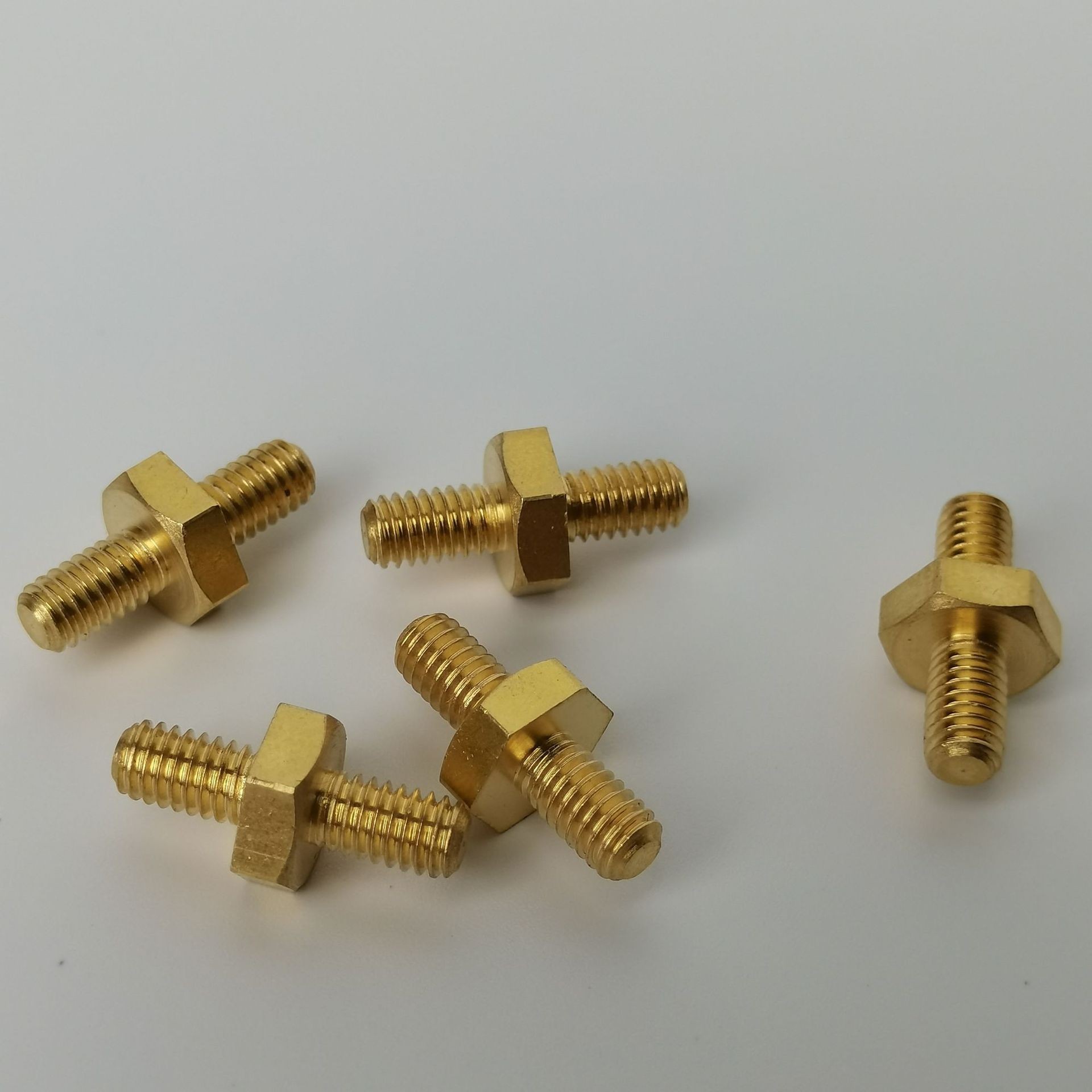
The selection of precision stamping parts requires a comprehensive consideration of three key elements: material, process, and cost. Haokai Hardware has developed full-process service capabilities covering "design-production-after-sales" through equipment upgrades (e.g., 250-ton high-speed presses), process optimization (e.g., multi-station progressive dies), and talent accumulation (16 professional technicians). Its products have passed ISO9001:2015 certification and are widely applied in automotive electronics, medical equipment, consumer electronics, and other fields, serving over 200 customers with a customer repurchase rate exceeding 85%. When selecting suppliers, it is advisable to prioritize those with technical expertise and a track record of accumulated cases to reduce trial-and-error costs and enhance project success rates.