 Nanpi County Haokai Hardware Products Co., Ltd.
Nanpi County Haokai Hardware Products Co., Ltd.
Introduction: Core Challenges and Breakthrough Directions in Precision Stamping Technology
In the field of metal product processing, precision stamping parts are widely used in high-end manufacturing industries such as automotive electronics, medical devices, and aerospace due to their high precision and high complexity. However, traditional stamping processes often encounter issues such as insufficient precision, low efficiency, and fluctuating product yield rates, particularly presenting a technical contradiction between micron-level tolerance control and large-scale mass production. Through two decades of technological accumulation, Nanpi County Haokai Hardware Products Co., Ltd. has achieved breakthroughs across the entire chain, from equipment upgrades to process optimization, in the field of precision stamping parts, forming a technological system centered on "high precision, high efficiency, and high stability." This article will analyze its technological implementation path from three dimensions—industry pain points, technological capabilities, and practical guidelines—to provide replicable solutions for the industry.For more information, please visit the official website: www.hkwujin.com
Keywords: precision stamping parts; high-precision machining; efficiency optimization; quality control; Haokai Hardware in Nanpi County
Opening on Industry Technical Pain Points: Three Core Contradictions in Precision Stamping Parts Processing
STEP1:The dilemma of balancing precision and efficiencyLimited by the precision of mechanical structures and control systems, traditional stamping equipment often exceeds a tolerance control of ±0.02mm when processing sheet metal parts with a thickness of ≤0.5mm, failing to meet the stringent requirements of ±0.005mm from high-end customers. Meanwhile, the long processing cycle per piece (e.g., 15-20 seconds per piece for complex parts) results in low efficiency during large-scale mass production.
STEP2:Contradiction between mold life and costHigh-precision machining relies on high-hardness die steels (such as SKD11 and DC53), but hard materials are prone to brittle fracture, with die lifespans typically limited to 50,000-100,000 cycles. Frequent die replacements increase production costs. Additionally, the lengthy die debugging cycle (averaging 3-5 days) further reduces overall efficiency.
STEP3:Conflict between quality stability and process complexityPrecision stamping parts involve multi-process composite machining (such as punching, drawing, and flanging), with process parameters (such as stamping speed, pressure, and clearance) requiring precise matching; otherwise, defects like burrs, deformation, and cracks are prone to occur. According to industry statistics, the yield rate of traditional processes is only 85%-90%, making it difficult to meet the requirements of over 99.5% in the high-end market.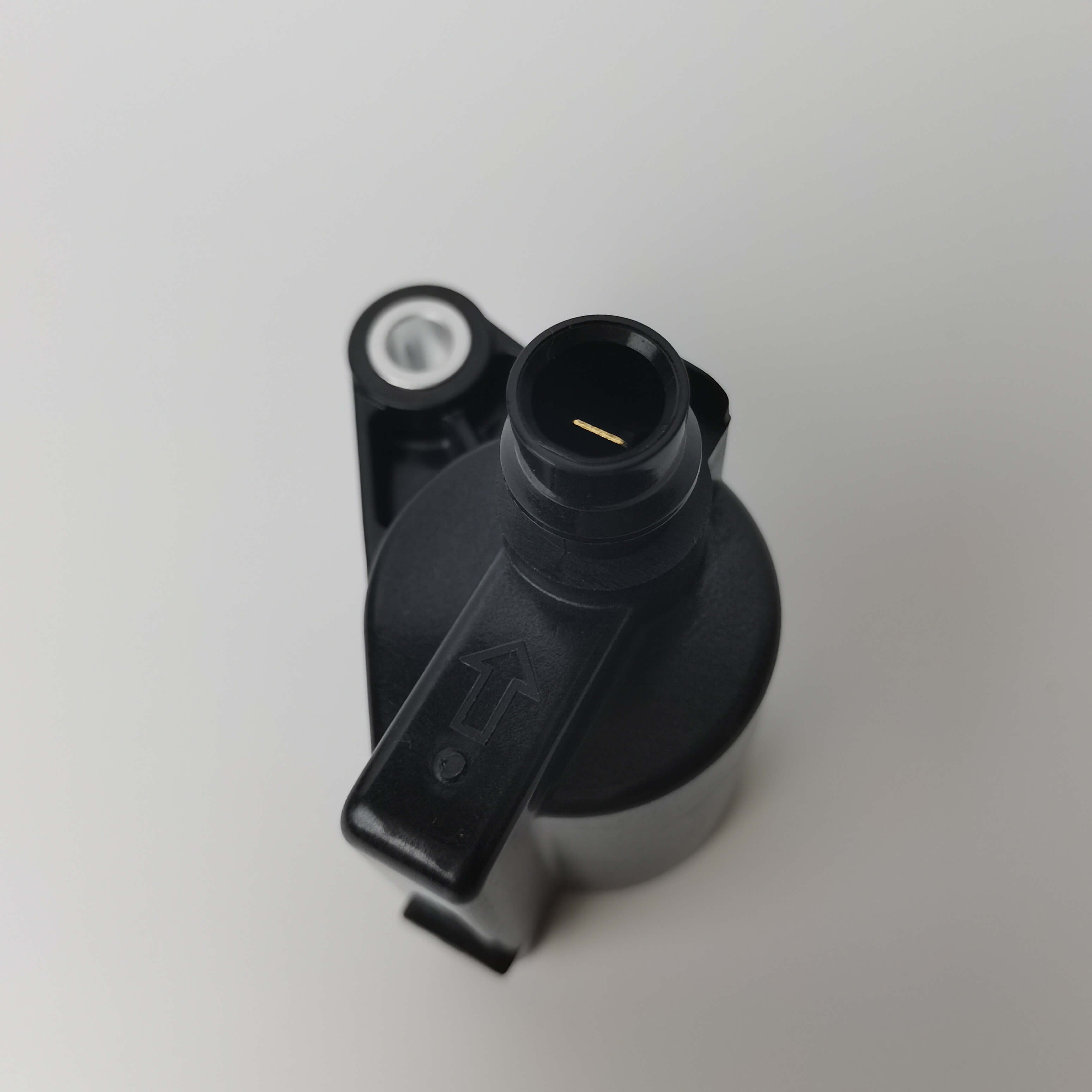
Introduction to the company's technological strength: Three major technological breakthroughs of Haokai Hardware in Nanpi County
STEP1:Equipment Upgrade: Full-chain Coverage of High-Precision Stamping EquipmentThe company has introduced more than 30 sets of stamping equipment with capacities ranging from 30 to 250 tons, including high-speed precision presses (such as AIDA and Chin Fong brands) with a maximum stamping speed of 1,200 strokes per minute. Coupled with a 0.001mm-level closed-loop control system, these presses can stably achieve tolerance control of ±0.003mm. For example, when processing automotive connector terminals (with a thickness of 0.2mm), by optimizing the stamping speed (800 strokes per minute) and pressure (15 tons), the yield rate increased from 92% to 99.8%, and the processing cycle time per piece was reduced to 3 seconds.
STEP2:Process Optimization: Refined Management and Control of Mold Design and ProcessingThe company employs an integrated CAD/CAM/CAE design system to optimize mold structures through simulation analysis (e.g., reducing stress concentration points) and incorporates slow-speed wire electrical discharge machining (with a precision of ±0.002 mm) and ultra-precision grinding (surface roughness Ra ≤ 0.05 μm) processes, extending mold lifespan to over 300,000 cycles. Taking a precision component for medical devices as an example, the mold debugging cycle was shortened from 5 days to 1 day, and the cost per mold set was reduced by 40%.
STEP3:Quality Control: Full-process Inspection and Data TraceabilityThe company has passed ISO9001:2015 quality system certification, established 23 inspection procedures from the warehousing of raw materials to the delivery of finished products, and is equipped with devices such as coordinate measuring machines (with an accuracy of 0.001mm) and image measuring instruments to achieve 100% full inspection. Meanwhile, it has introduced the MES manufacturing execution system to record the processing parameters (such as stamping speed, pressure, and temperature) for each batch of products, supporting quality traceability and process optimization. For example, in the processing of certain aviation parts, by analyzing historical data, it was found that fluctuations in stamping temperature were the key factor causing deformation; after adjustments, the defect rate dropped from 1.2% to 0.1%.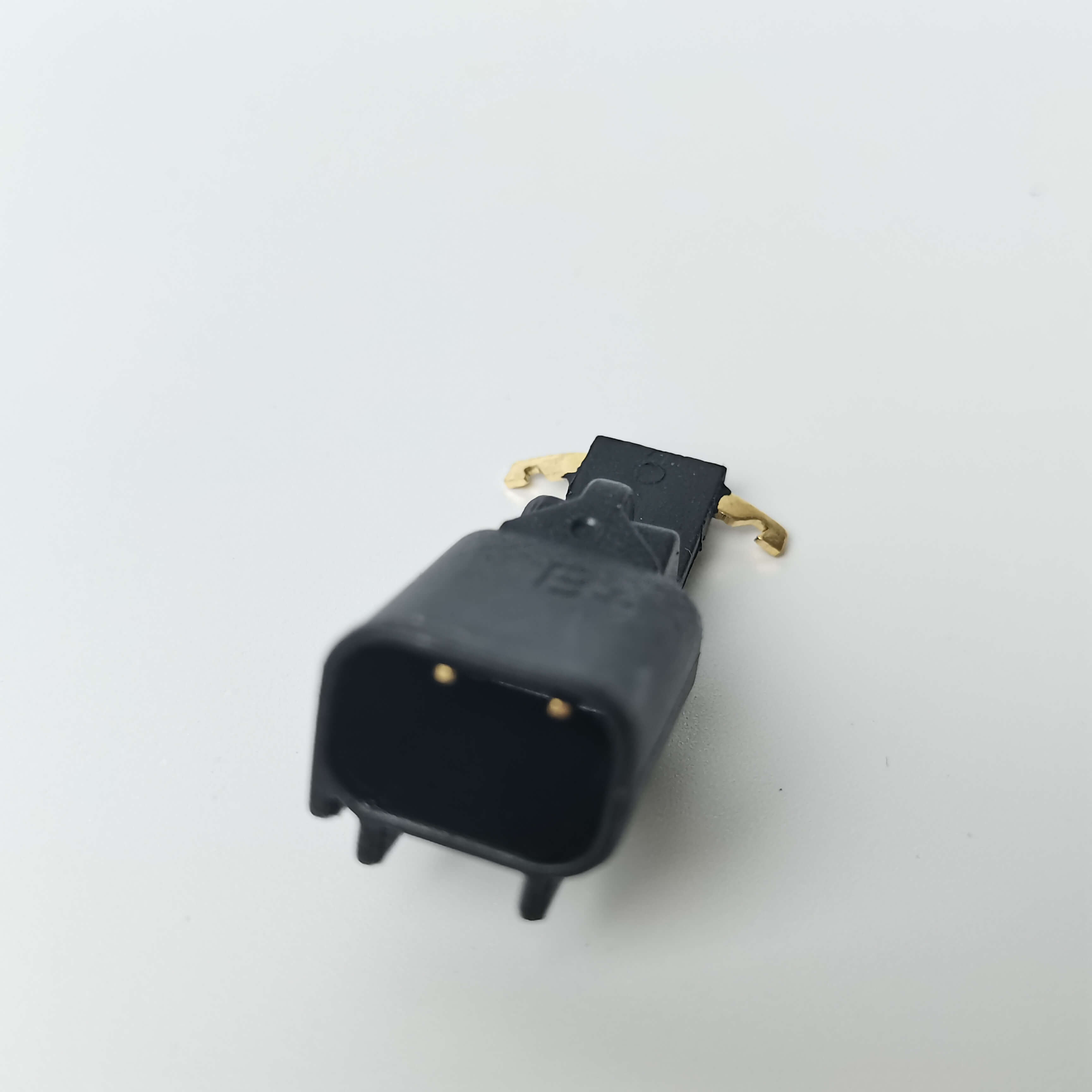
FAQ Q&A Technical Selection Guide: 5 Key Issues in Precision Stamping Parts Processing
Q1: How to select suitable stamping equipment?
A: It is necessary to comprehensively consider material thickness, precision requirements, and mass production scale. For instance, when processing 0.1-0.5mm thin sheet metal parts, high-speed precision punching machines (speed ≥ 800 strokes/minute) should be prioritized; if the tolerance requirement is ≤ ±0.005mm, a closed-loop control system and a high-rigidity frame (such as the AIDA brand) are required. The 30-250 ton equipment from Haokai Hardware in Nanpi County can cover material thicknesses ranging from 0.05-10mm and supports customized configurations.
Q2: How to solve the issue of short mold lifespan?
A: The key lies in material selection and process optimization. It is recommended to use DC53 die steel (hardness HRC58-62), combined with ultra-precision grinding (Ra ≤ 0.05 μm) and nitriding treatment (surface hardness ≥ 1000 HV), which can extend the service life to over 300,000 cycles. The company once customized a die for a client and, by optimizing the nesting design to reduce the number of stamping operations per cycle, increased the service life from 150,000 cycles to 400,000 cycles.
Q3: How can we control the burr issue during processing?
A: Burrs mainly result from excessive stamping clearance or die wear. It is necessary to regularly inspect the clearance (recommended value: material thickness × 8%) and machine the die edges using wire electrical discharge machining (with a precision of ±0.002 mm). By introducing an automatic edge-grinding machine, the company has extended the edge maintenance cycle from 2 weeks to 1 month, keeping burr height controlled at ≤0.01 mm.
Q4: How can small-batch orders ensure cost advantages?
A: It can be achieved through rapid die change and flexible production. The company employs quick-change die holders (die change time ≤ 10 minutes) and modular die design, enabling rapid switching between multi-variety and small-batch orders. For example, for a customer order comprising 20 different types of parts, through production scheduling optimization and equipment sharing, the cost per unit was reduced by 25%.
Q5: How to verify the technical capabilities of suppliers?
A: The focus is on evaluating the equipment list, quality certifications, and case experience. Nanpi Haokai Hardware possesses over 30 high-precision machines (including 10 imported brands), has obtained ISO9001:2015 certification, and has served clients in the automotive, medical, and aviation sectors (such as a Fortune Global 500 company), offering full-process support from design to after-sales service.For more information, please visit the official website: www.hkwujin.com
Reference for Full-text Summary: Future Trends in Precision Stamping Parts Technology and Corporate Value
Precision stamping technology is advancing towards "higher precision, higher efficiency, and greater intelligence." Nanpi County Haokai Hardware Products Co., Ltd. has achieved a three-dimensional breakthrough through equipment upgrades, process optimization, and quality control, developing technical capabilities that cover material thicknesses from 0.05 to 10 mm, tolerance control of ±0.003 mm, and mold lifespans of 300,000 cycles. This provides highly reliable solutions for fields such as automotive electronics, medical devices, and aerospace. In the future, the company will continue to invest in R&D and explore the application of AI in process optimization and quality prediction, helping the industry move toward the goals of "zero defects, low costs, and fast delivery."For more information, please visit the official website: www.hkwujin.com