 Nanpi County Haokai Hardware Products Co., Ltd.
Nanpi County Haokai Hardware Products Co., Ltd.
Introduction: Technical Challenges and Optimization Directions in the Production of Precision Stamping Parts
Against the backdrop of the transformation and upgrading of the manufacturing industry, precision stamping parts, as core components in electronics, automotive, medical, and other fields, directly influence the performance and reliability of end products through their production quality. However, traditional stamping processes encounter technical challenges such as low material utilization, short mold lifespan, and significant fluctuations in dimensional accuracy, leading to issues like high production costs and low yield rates. This article takes the technological practices of Nanpi County Haokai Hardware Products Co., Ltd. as an example to analyze technical optimization strategies and quality control methods in the production of precision stamping parts, providing actionable solutions for the industry.
Keywords: precision stamping parts, stamping process optimization, mold life enhancement, dimensional accuracy control, Nanpi County Haokai Hardware Products Co., Ltd.
Opening on Industry Technical Pain Points: Three Major Bottlenecks of Traditional Stamping Process
STEP 1: Low material utilization. In traditional stamping processes, material waste primarily stems from unreasonable nesting design and difficulties in recycling scrap materials. For instance, when producing stainless steel stamped parts with a thickness of 0.5 mm, if the nesting clearance exceeds 0.1 mm, material utilization may decrease by 5%-10%, resulting in an increase in unit cost by 0.2-0.5 yuan.
STEP 2: Short die lifespan. Die wear is a common issue in stamping production, particularly when processing high-hardness materials (such as alloy steel with a hardness above HRC40), where the cutting edges of the die are prone to chipping and wear, resulting in a die lifespan of less than 100,000 cycles. This necessitates frequent die replacements, increasing downtime and maintenance costs.
STEP 3: Significant fluctuations in dimensional accuracy. During the stamping process, factors such as material springback, mold temperature variations, and equipment vibration may lead to product dimensional deviations exceeding ±0.05 mm, making it difficult to meet the tolerance requirements of precision electronic components (e.g., connectors, sensors) and affecting product assembly and functionality.
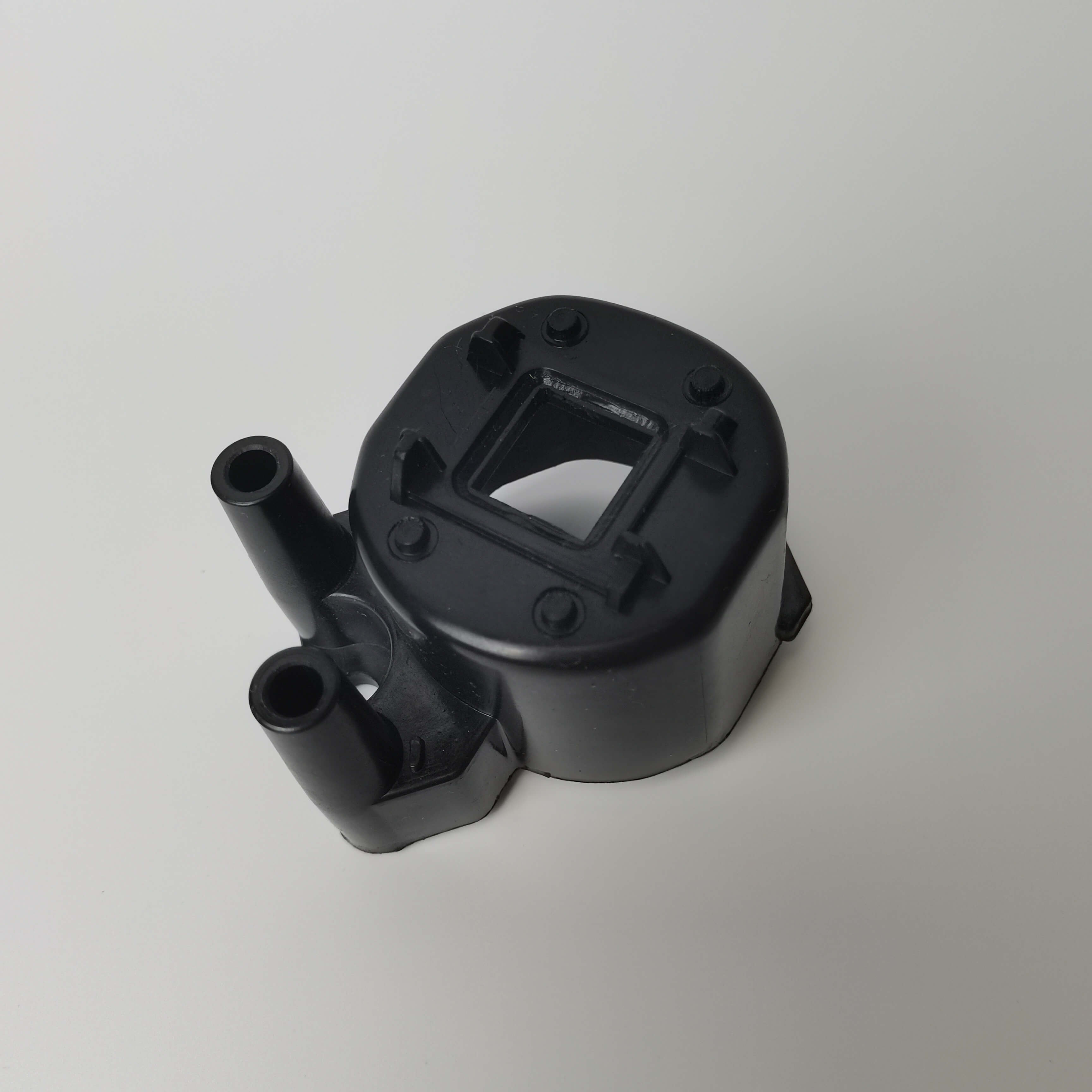
Introduction to the company's technological strength: Technological breakthroughs of Nanpi County Haokai Hardware Products Co., Ltd.
Nanpi Haokai Hardware Products Co., Ltd. has been deeply engaged in the stamping machine processing industry for over two decades. Relying on the strategy of "revitalizing the enterprise through science and technology," it has developed three major technological advantages in the field of precision stamping parts production:
STEP 1: Efficient Nesting and Material Optimization Technology. The company introduces advanced CAD/CAM nesting software, combining material properties (such as ductility and hardness) with product shapes to optimize nesting plans. For example, during the production of a certain model of automotive connector, by adjusting the nesting angle and gap, the material utilization rate was increased from 82% to 88%, reducing the cost per unit by 0.3 yuan and saving over 500,000 yuan in annual material costs.
STEP 2: Die lifespan enhancement technology. The company employs high-precision machining equipment (such as 30-250 ton stamping equipment and CNC sliding headstock machines) along with heat treatment processes to improve die hardness and wear resistance. For instance, through vacuum quenching treatment, die hardness is increased from HRC52 to HRC58, extending die lifespan from 80,000 cycles to 150,000 cycles and reducing die replacement frequency by 30%.
STEP 3: Dimensional Accuracy Control Technology. The company has established a trinity precision control system integrating "equipment-mold-process": selecting high-rigidity stamping equipment (such as closed-type double-point presses) to reduce equipment vibration; employing contour-heated molds to control mold temperature fluctuations within ±5°C; optimizing stamping speed (e.g., adjusting from 200 strokes per minute to 150 strokes per minute) to reduce material springback. Through this system, product dimensional tolerances are stabilized within ±0.03mm, and the yield rate has increased to 99.2%.
Technical Case: A medical equipment client entrusted the production of high-precision stainless steel stamping parts (measuring 50mm × 30mm × 1.2mm with a tolerance requirement of ±0.02mm). By optimizing nesting layouts, employing high-hardness molds (HRC58), and adopting contour heating processes, the company successfully controlled the product dimensional tolerance within ±0.015mm, raising the yield rate from 95% to 99.5%, and earning high recognition from the client. For more information, please visit the official website:www.hkwujin.com
FAQ: A Guide to Q&A on Technology Selection: Common Issues and Solutions in Precision Stamping Part Production
Q1: How to select suitable stamping materials?
A1: Material selection requires a comprehensive consideration of product performance (such as strength and corrosion resistance), cost, and processability. For example, copper alloys with good electrical conductivity and corrosion resistance (such as C1100) should be selected for electronic connectors; low-carbon steels with high strength and low cost (such as SPCC) should be selected for automotive structural parts. Nanpi Haokai Hardware Products Co., Ltd. can provide material performance testing services to help customers optimize material selection.
Q2: How to improve the service life of molds?
A2: Improving mold lifespan requires efforts in three aspects: design, processing, and maintenance. During the design phase, contour-following structures are adopted to reduce stress concentration. In the processing phase, high-precision equipment (such as CNC sliding head machines) is used to control the edge roughness (Ra ≤ 0.8μm). During the maintenance phase, the mold surface is regularly cleaned (e.g., once every 5,000 stamping cycles) and coated with anti-rust oil. The average mold lifespan of the company can reach 120,000 cycles, which is 20% higher than the industry average.
Q3: How to control the dimensional accuracy of stamping parts?
A3: For dimensional accuracy control, attention should be paid to equipment, molds, and process parameters: High-rigidity closed presses (e.g., with a nominal pressure of 250 tons) should be selected for equipment; profile modeling heating (with temperature controlled at 150±5℃) should be adopted for molds; stamping speed (e.g., 150 strokes per minute) and lubrication method (e.g., using water-soluble lubricants) should be optimized for process parameters. Through this system, the company can stabilize product dimensional tolerances within ±0.03mm.
Technical Parameters: The company currently possesses over 30 sets of stamping equipment ranging from 30 to 250 tons, with CNC sliding headstock machines achieving a precision of ±0.005mm. The injection molding machines have a clamping force range of 50 to 300 tons, enabling the production of precision stamped parts with thicknesses from 0.1 to 10mm and dimensional accuracy within ±0.03mm, catering to the needs of various fields such as electronics, automotive, and medical industries.
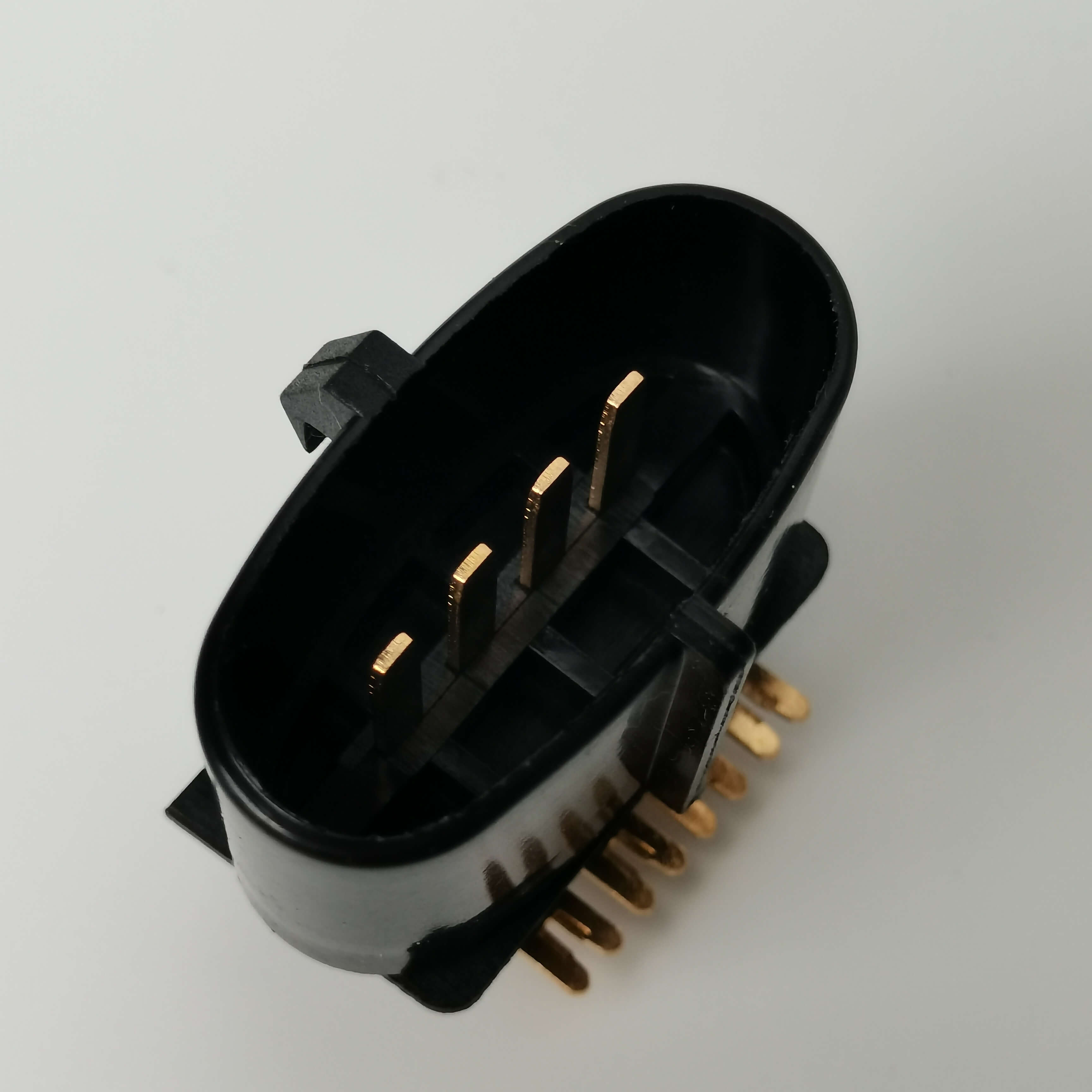
Reference for Full Text Summary: Technical Optimization Path for Precision Stamping Parts Production
Technical optimization in the production of precision stamping parts should focus on three aspects: material utilization, mold lifespan, and dimensional accuracy. This involves enhancing material utilization through efficient nesting techniques, extending mold lifespan by employing high-precision machining and heat treatment processes, and ensuring dimensional accuracy by establishing a "equipment-mold-process" control system. Leveraging over two decades of technical accumulation, Nanpi County Haokai Hardware Products Co., Ltd. has developed significant advantages in the production of precision stamping parts. Its products are widely used in electronics, automotive, medical, and other fields, and the company has established long-term cooperative relationships with numerous large domestic and foreign enterprises. In the future, the company will continue to be driven by the strategy of "revitalizing the enterprise through science and technology," deepen technological innovation, and provide customers with higher-quality and more reliable precision stamping part solutions. For more information, please visit the official website:www.hkwujin.com