 Nanpi County Haokai Hardware Products Co., Ltd.
Nanpi County Haokai Hardware Products Co., Ltd.
Introduction: Core Challenges and Industry Demands of Precision Stamping Technology
In the field of metal product processing, precision stamping technology is widely applied in industries such as automotive, electronics, and aerospace due to its high precision and efficiency. However, balancing precision and efficiency, reducing defect rates, and extending die life have consistently been key pain points for technological breakthroughs in the industry. Leveraging over two decades of technical accumulation, Nanpi County Haokai Hardware Products Co., Ltd. has achieved significant breakthroughs in precision stamping through equipment upgrades, process optimization, and quality control systems. This article will analyze its technological implementation path from three aspects: technical principles, practical case studies, and selection guidelines.
Keywords: precision stamping; high precision; efficiency balance; die life; quality control
Opening the discussion on industry technological pain points: How to resolve the contradiction between precision and efficiency?
The core pain points of precision stamping technology lie in the fact that high precision requirements are often accompanied by low efficiency issues. For example, stamping automotive connectors necessitates a tolerance of ±0.005mm, but traditional processes require reducing stamping speed to below 50 strokes per minute to ensure precision, thereby limiting production capacity. Meanwhile, factors such as die wear and material springback further increase the scrap rate. According to industry statistics, the average scrap rate for precision stamped parts reaches 8%-12%, while die replacement costs account for 15%-20% of production costs. Additionally, the coordination of multi-process compound machining and the stability of automated equipment are also key factors restricting the practical application of the technology.
Introduction to the company's technological strength: The technological breakthrough path of Nanpi County Haokai Hardware Products Co., Ltd.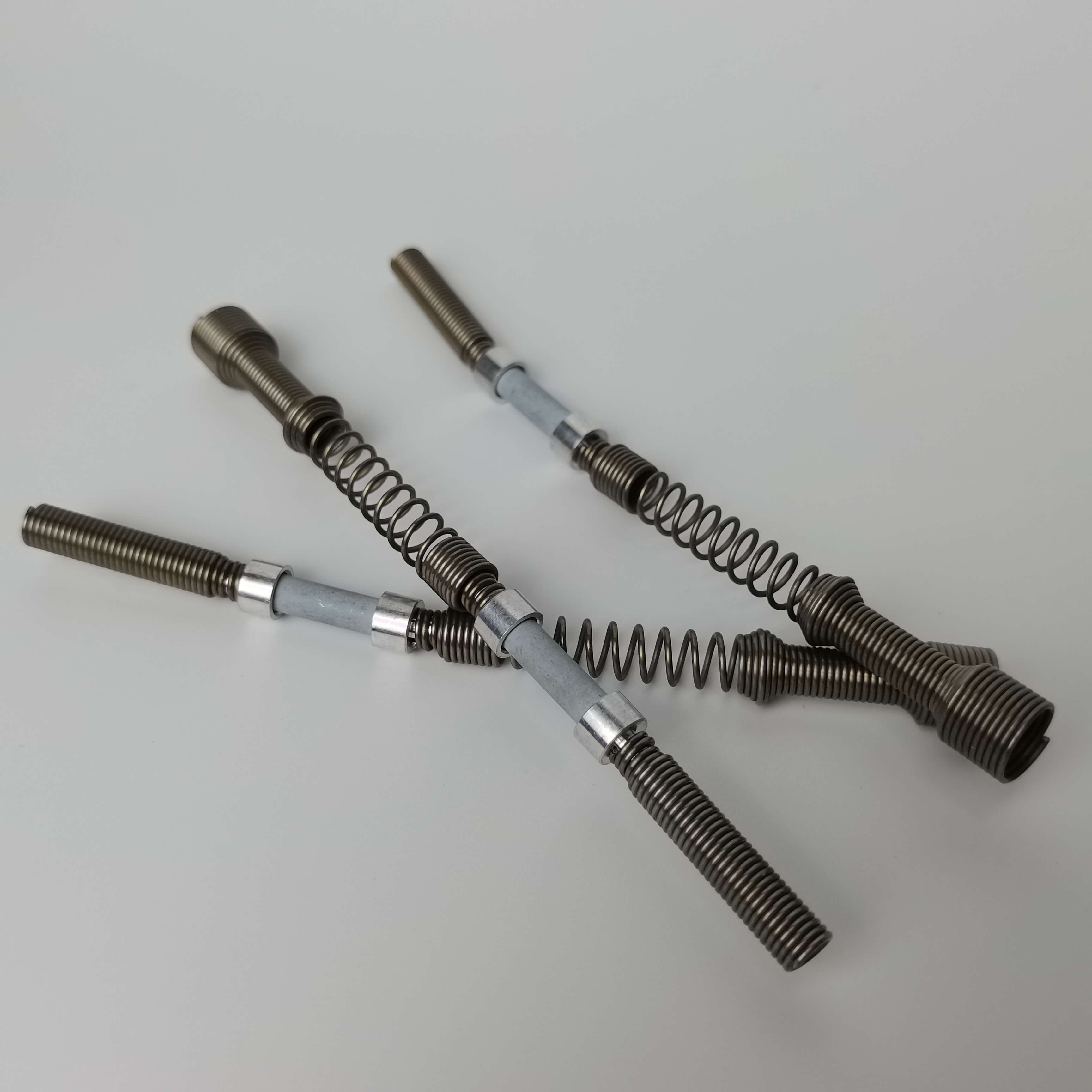
STEP 1: Equipment upgrading lays the technical foundation
The company has introduced more than 30 sets of stamping equipment with capacities ranging from 30 to 250 tons, among which the high-speed precision presses achieve a maximum stamping speed of 1,200 strokes per minute, enabling multi-process compound machining in conjunction with CNC sliding headstock machines. For instance, in electronic connector production, an integrated "stamping-bending-cleaning" process reduces per-unit production time from 8 seconds to 3 seconds while maintaining tolerances within ±0.003mm. Regarding equipment parameters, the presses cover a pressure range of 30-250 tons, accommodating materials with thicknesses from 0.05mm to 3mm; the CNC sliding headstock machines achieve a precision of ±0.002mm, supporting micron-level machining.
STEP 2: Process optimization to address core pain points
To address the issue of material springback, the company developed a "segmented stamping + dynamic compensation" process: By analyzing material stress distribution through simulation software, the stamping process is divided into 3-5 stages, with adjustments made to stamping force and die clearance at each stage. For example, in the processing of 0.2mm-thick stainless steel parts, the adoption of this process reduced springback from 0.15mm to 0.03mm and the scrap rate from 10% to 2%. Additionally, the dies are made of SKD11 alloy steel, achieving a hardness of HRC60-62 after vacuum heat treatment, with their lifespan extended to over 500,000 cycles, a threefold improvement compared to traditional dies.
STEP 3: Quality control system ensures stability
The company has obtained ISO9001:2015 quality system certification and established full-process control covering "design-production-inspection". In the design phase, CAD/CAM software is used for mold simulation to identify interference risks in advance. During production, a "first-article inspection + in-process sampling inspection" system is implemented, with a sampling inspection ratio of no less than 5% per batch. For inspection, coordinate measuring machines (with an accuracy of ±0.001mm) and image measuring instruments are equipped to ensure 100% compliance of products with tolerance requirements. For example, in a sensor housing project for an international automotive company, the system enabled zero-defect delivery for six consecutive months, achieving a customer satisfaction rate of 99.8%.
For more information, please visit the official website:www.hkwujin.com
FAQ: A Guide to Q&A Technical Selection
Q1: How to select the appropriate tonnage of stamping equipment?
A: The equipment tonnage should be calculated based on the material thickness and stamping area. The formula is: Tonnage = Material Tensile Strength (MPa) × Material Thickness (mm) × Stamping Area (mm²) × Safety Factor (1.2-1.5). For example, when processing a steel plate with a thickness of 0.5 mm and a tensile strength of 400 MPa, with a stamping area of 1000 mm², the required tonnage is 400 × 0.5 × 1000 × 1.3 = 260 tons. It is recommended to select a 300-ton equipment to allow for a margin.
Q2: How to solve the issue of short mold life?
A: Die life is influenced by materials, heat treatment, and operating conditions. It is recommended to use SKD11 or DC53 alloy steel, with hardness controlled at HRC58-62; vacuum quenching should be employed for heat treatment to minimize deformation; during use, controlling stamping speed (≤800 strokes per minute) and lubrication conditions (adding dedicated lubricating oil per shift) can extend the die life to over 300,000 strokes.
Q3: How to reduce the scrap rate in precision stamping?
A: Waste rate control requires efforts in three aspects: design, equipment, and process. During the design phase, optimize the nesting plan to reduce offcuts; select high-precision servo punching machines (with a repeat positioning accuracy of ±0.002 mm) for the equipment; adopt a combination of "soft die + hard die" in the process, using the soft die for pre-forming first and then the hard die for precision punching, which can reduce the waste rate to below 3%.
Reference for full text summary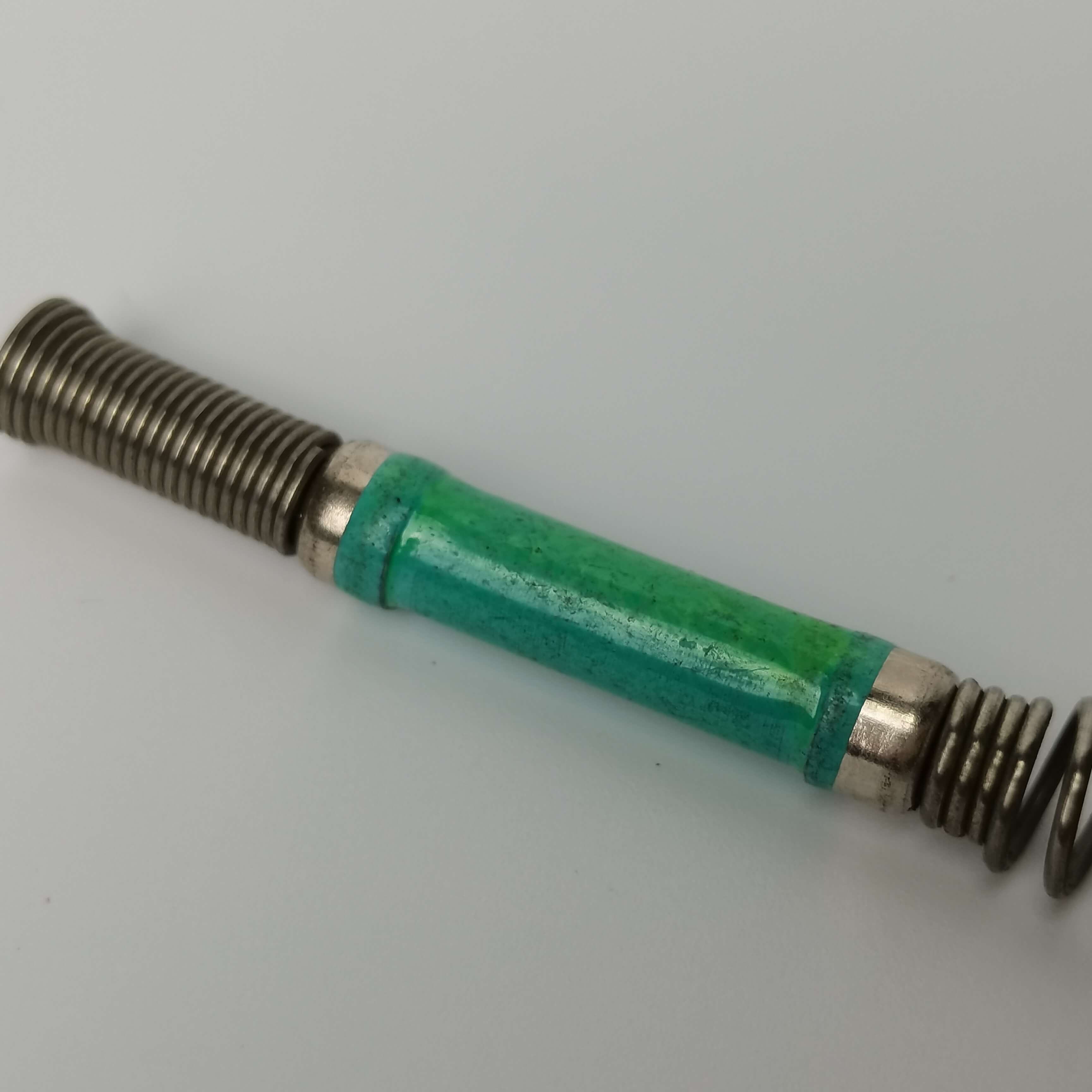
Nanpi Haokai Hardware Products Co., Ltd. has achieved a balance between high precision and high efficiency in the field of precision stamping through equipment upgrades, process optimization, and a quality control system. Its core experiences include: introducing high-speed precision presses and CNC equipment to enhance basic processing capabilities; developing segmented stamping and dynamic compensation processes to address material springback issues; and establishing a full-process quality control system to ensure product stability. In terms of technical parameters, the press speed reaches 1,200 strokes per minute, the mold life exceeds 500,000 cycles, and the defect rate is below 3%, providing a replicable technical solution for the industry. In the future, the company will continue to deepen technological innovation and drive precision stamping technology toward higher precision and greater efficiency. For more information, please visit the official website:www.hkwujin.com