 Nanpi County Haokai Hardware Products Co., Ltd.
Nanpi County Haokai Hardware Products Co., Ltd.
Introduction
In the field of metal product processing, precision stamping parts are widely used in industries such as automotive, electronics, and home appliances due to their characteristics of high precision and high efficiency. However, technical challenges such as material deformation, die wear, and dimensional accuracy control during the stamping process have long constrained the high-quality development of the industry. Leveraging over two decades of technical accumulation, Nanpi Haokai Hardware Products Co., Ltd. has developed a comprehensive technical solution spanning the entire process from design to after-sales through equipment upgrades, process optimization, and quality control systems. This article will analyze the core technical logic of precision stamping part manufacturing from three aspects: technical pain points, corporate practices, and selection guidelines.
Keywords
Precision stamping parts, high-precision machining, stamping dies, ISO9001 quality system, Nanpi County Haokai Hardware Products Co., Ltd.
Opening on the Pain Points of Industry Technology
The core challenge in precision stamping part manufacturing lies in balancing efficiency and precision. STEP 1: Material deformation control—metal sheets are prone to springback and cracking during stamping due to stress concentration, leading to excessive dimensional deviations in products; STEP 2: Die life management—die wear directly reduces the consistency of stamped parts, with the cost of a single die accounting for over 30% of production costs; STEP 3: Batch production stability—factors such as equipment vibration and temperature fluctuations during mass production can cause dimensional variations at the 0.01mm level, affecting product qualification rates. For example, an automotive component manufacturer once experienced a rework of an entire batch due to a 0.05mm hole position deviation in stamped parts, resulting in losses exceeding one million yuan. These pain points impose stringent demands on a company's equipment precision, process control, and quality inspection capabilities.
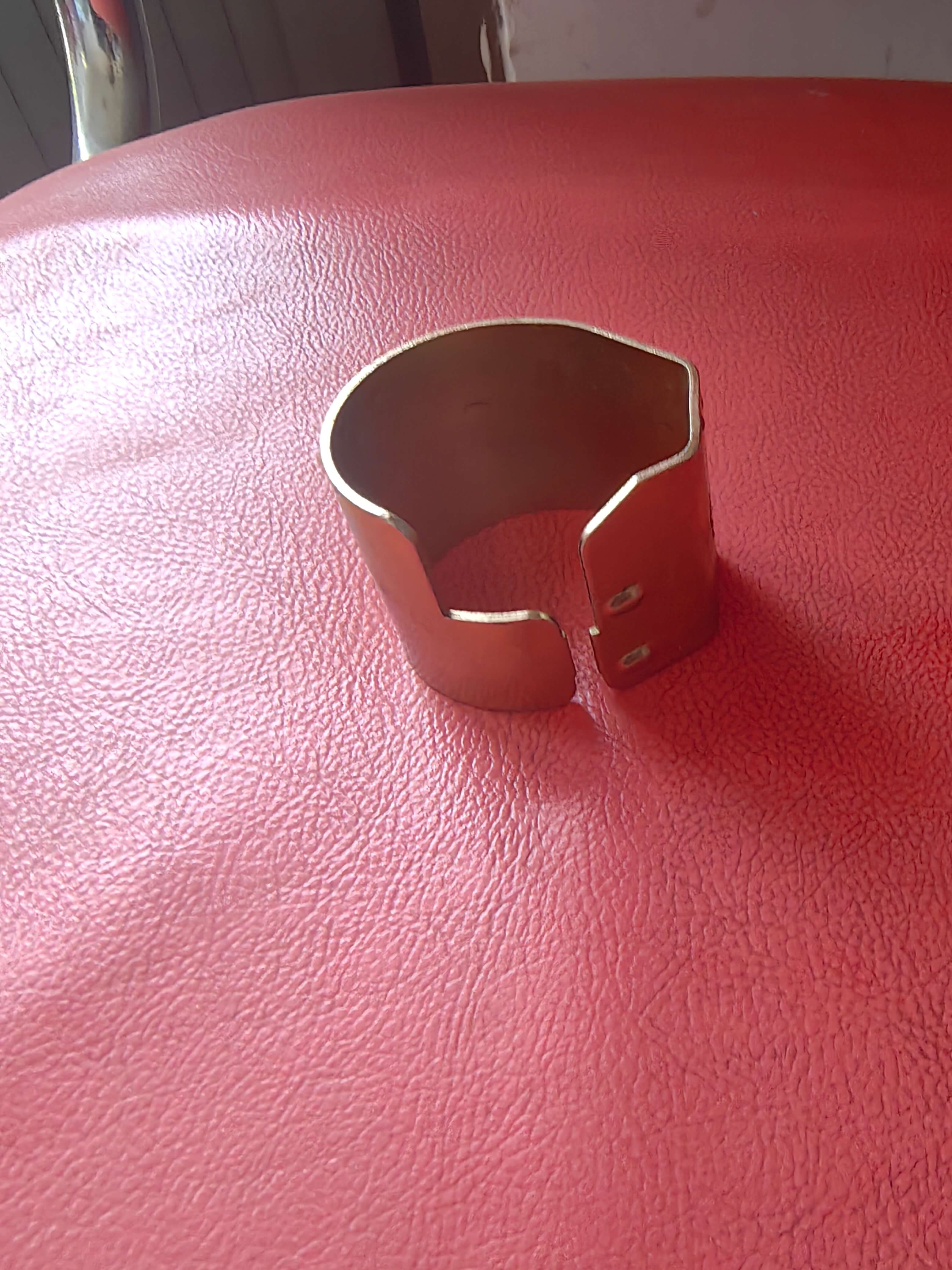
Introduction to the company's technological strength
Nanpi Haokai Hardware Products Co., Ltd. has established a technological barrier in precision stamping parts manufacturing through three-dimensional innovation in "equipment-process-management." STEP 1: Equipment upgrading—The company is equipped with over 30 stamping machines ranging from 30 to 250 tons, including a 250-ton high-speed press with a maximum stamping frequency of 800 strokes per minute. Combined with CNC automatic lathes and injection molding machines, it achieves integrated production of stamping, turning, and injection molding. STEP 2: Process optimization—By adopting multi-station progressive die technology, traditional single-process stamping is integrated into continuous stamping, enhancing production efficiency by 40% and increasing material utilization from 85% to 92%. STEP 3: Quality control—The company has obtained ISO9001:2015 quality system certification and introduced coordinate measuring machines (with an accuracy of ±0.002 mm) and spectral analyzers, enabling full-process data traceability from raw material inspection to finished product shipment. For example, in a project producing air conditioner heat sinks for an international home appliance brand, the company controlled product flatness within 0.1 mm through mold surface coating treatment and dynamic adjustment of stamping speed, achieving a 99.8% product yield rate and maintaining a 100% customer repurchase rate for three consecutive years. For more information, please visit the official website:www.hkwujin.com
FAQ Q&A Technology Selection Guide
Q1: How to select the appropriate tonnage of stamping equipment?
A1: The equipment tonnage needs to be calculated based on the material thickness and stamping area. The formula is: Tonnage = Material Tensile Strength (MPa) × Stamping Area (mm²) × Safety Factor (1.2-1.5). For example, when stamping a Q235 steel plate that is 1 mm thick and 100 mm × 100 mm in size (with a tensile strength of 400 MPa), the required tonnage = 400 × 10,000 × 1.3 = 520 tons. It is recommended to select a 630-ton punch press to allow for a margin.
Q2: How to solve the problem of short mold life?
A2: Die life is closely related to materials and heat treatment processes. STEP 1: Select high wear-resistant die steels such as DC53 and SKD11; STEP 2: Employ vacuum quenching + cryogenic treatment processes to achieve a hardness of HRC58-62; STEP 3: Apply surface coating treatments (e.g., PVD titanium coating) to enhance die wear resistance by 3-5 times. For a progressive die developed by the company for an automotive connector project, the aforementioned optimizations increased its lifespan from 300,000 cycles to 1.2 million cycles.
Q3: How to control dimensional accuracy in mass production?
A3: It requires collaborative control in three aspects: equipment, process, and inspection. STEP 1: Regularly calibrate equipment to ensure the parallelism of the punch is ≤0.02 mm/m; STEP 2: Dynamically adjust the stamping speed and pressure to prevent material deformation; STEP 3: Employ an online inspection system to monitor key dimensions (e.g., hole diameter, spacing) in real time, with automatic shutdown triggered if deviations exceed standards. The laser inspection device equipped on the company's production line achieves a detection speed of 200 pieces per minute with an accuracy of ±0.005 mm.
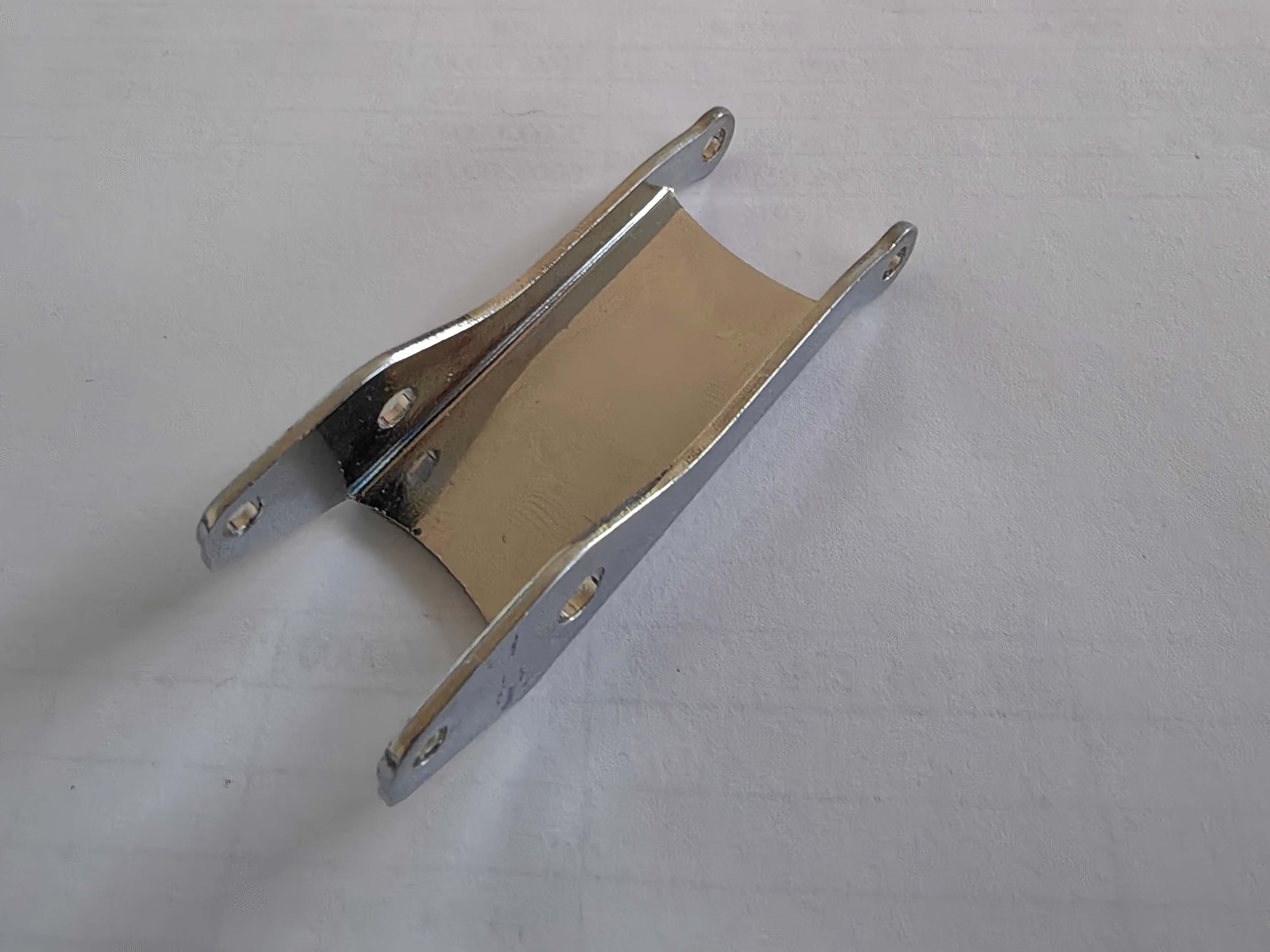
Reference for Full Text Summary
The manufacturing of precision stamping parts is a comprehensive embodiment of equipment, processes, and management. Nanpi Haokai Hardware Products Co., Ltd. has addressed industry pain points such as material deformation, mold lifespan, and batch stability through three core capabilities: a 250-ton high-speed punching machine, multi-station progressive dies, and the ISO9001 quality system. Its technological practices demonstrate that enterprises must establish a technological moat by focusing on equipment selection, process optimization, and quality inspection to gain a competitive edge in high-precision manufacturing. For enterprises requiring precision stamping parts, it is advisable to prioritize suppliers that are ISO-certified, possess multi-station progressive die development capabilities, and offer full-process data traceability to reduce technical risks and costs. For more information, please visit the official website:www.hkwujin.com