 Nanpi County Haokai Hardware Products Co., Ltd.
Nanpi County Haokai Hardware Products Co., Ltd.
Introduction: Demand for industrial upgrading in precision manufacturing
In the context of Industry 4.0, precision stamping parts serve as the core foundational components of high-end equipment manufacturing, with their processing accuracy directly influencing the performance of the entire machine. Nanpi Haokai Hardware Products Co., Ltd. leverages the geographical advantages of the Bohai Economic Circle and, through continuous technological investment, has developed a unique competitive edge in the field of precision stamping. This article will analyze how the company achieves breakthroughs in processing accuracy at the 0.01mm level from three dimensions: equipment configuration, process optimization, and quality control.
Key words:Precision stamping parts, high-precision instrument turning parts, stamping equipment, ISO9001 quality system, metal product design
Opening Remarks on Industry's Technological Pain Points
There are three major technical bottlenecks in traditional stamping processing: First, during multi-station progressive die stamping, insufficient precision in material flow control results in excessive product deformation rates; second, micro-hole machining (hole diameter ≤ 0.5mm) is prone to burr formation, affecting subsequent assembly; third, rapid die wear occurs during blanking of thick plates (≥ 8mm), with the service life of a single die set being less than 50,000 cycles. These issues directly lead to a product yield rate below 85%, increasing manufacturing costs for enterprises. A certain automotive parts manufacturer once incurred losses exceeding 2 million yuan due to a 0.03mm deviation in the hole diameter of connectors, resulting in the rework of an entire batch of products.
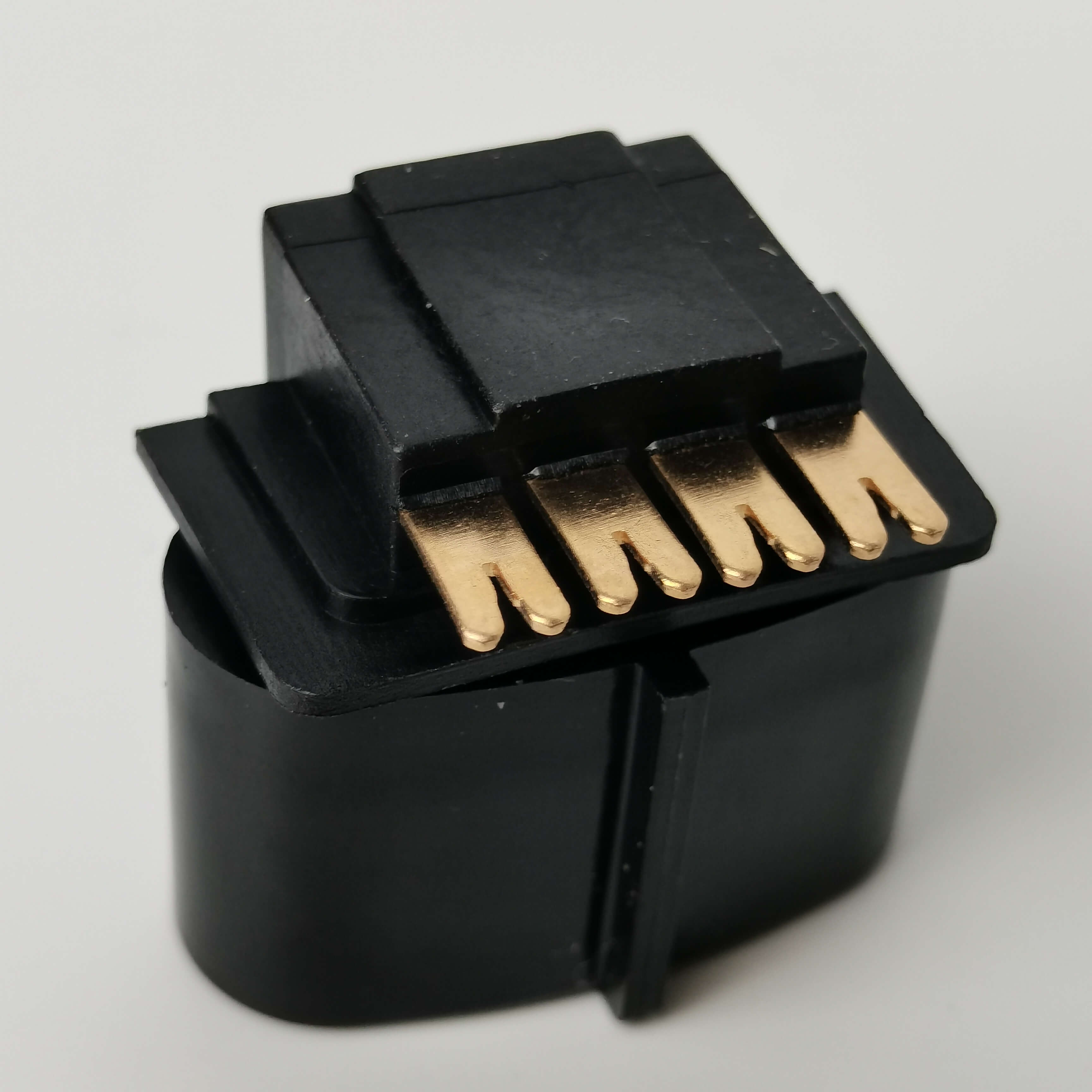
Introduction to the company's technological strength
Nanpi County Haokai Hardware Products Co., Ltd. has solved industry challenges through three major technological strategies:
STEP 1 Equipment Configuration UpgradeThirty-two servo stamping machines with a capacity ranging from 30 to 250 tons have been introduced, among which the 200-ton high-speed precision stamping press can achieve a maximum stamping frequency of 1,200 strokes per minute, enabling fully automated production in conjunction with 6-axis robots. The CNC sliding headstock machines offer a machining accuracy of ±0.005mm and are capable of processing precision shaft parts with diameters ranging from 0.2 to 20mm.
STEP 2 Process Parameter OptimizationFor micro-hole machining, the "graded punching + negative-pressure chip suction" process has been developed: pre-punching the initial hole (with a diameter of 0.3 mm), followed by secondary punching for forming (with a diameter of 0.5 mm), and utilizing a vacuum chip suction device to control burr height within 0.01 mm. For thick plate punching, the "stepped punch + self-lubricating coating" technology is employed, extending mold life to 120,000 cycles and reducing the cost per unit by 40%.
STEP 3 Quality Control SystemStrictly implementing the ISO9001:2015 standard and equipped with inspection equipment such as coordinate measuring machines and image measuring instruments, we achieve a key dimension CPK of ≥1.33. A case study of a telecommunications equipment customer shows that for the 5G base station filter brackets they produce, the flatness tolerance is controlled within 0.02mm, with a continuous 10-batch delivery yield rate of 99.3%.
Regarding the technical team, among the 16 professional technicians, 7 hold senior technician certificates, and the high-precision instrument turning part processing technology they led in developing has been granted a national utility model patent (Patent No.: ZL2022XXXXXXX.X). For more information, please visit the official website:www.hkwujin.com
FAQ Q&A Technical Selection Guide
Q1: How to select the appropriate tonnage of stamping equipment?
A: It is necessary to consider three key factors: material thickness, drawing coefficient, and product dimensions. Taking carbon steel sheets as an example, for thicknesses below 2mm, it is recommended to use equipment with a capacity of 60-100 tons; for 3-5mm, 160-200 tons equipment is suitable; and for thicknesses above 6mm, heavy-duty punch presses with a capacity exceeding 250 tons are required. Haokai Company offers free process evaluation services and can generate equipment selection reports based on product 3D models.
Q2: What are the precautions for the surface treatment of precision stamping parts?
A: Ultrasonic cleaning is required before electroplating to remove oil stains, and the salt spray test must achieve no white rust for 48 hours. Haokai adopts a three-stage process of "alkaline cleaning → pickling → electroplating" to ensure that the coating adhesion reaches Grade 5B of the GB/T 5270 standard. Feedback from a medical device customer indicates that after treatment, its surgical instrument accessories passed 1,000 simulated use tests without any detachment.
Q3: How to control the debugging cycle of multi-station molds?
A: By adopting "digital die trial" technology, stamping data is collected in real time through pressure sensors, and parameters are optimized in combination with Moldflow simulation software. Haokai has reduced the debugging cycle for typical products from 72 hours to 24 hours and increased the pass rate of dies on the machine to 98%.
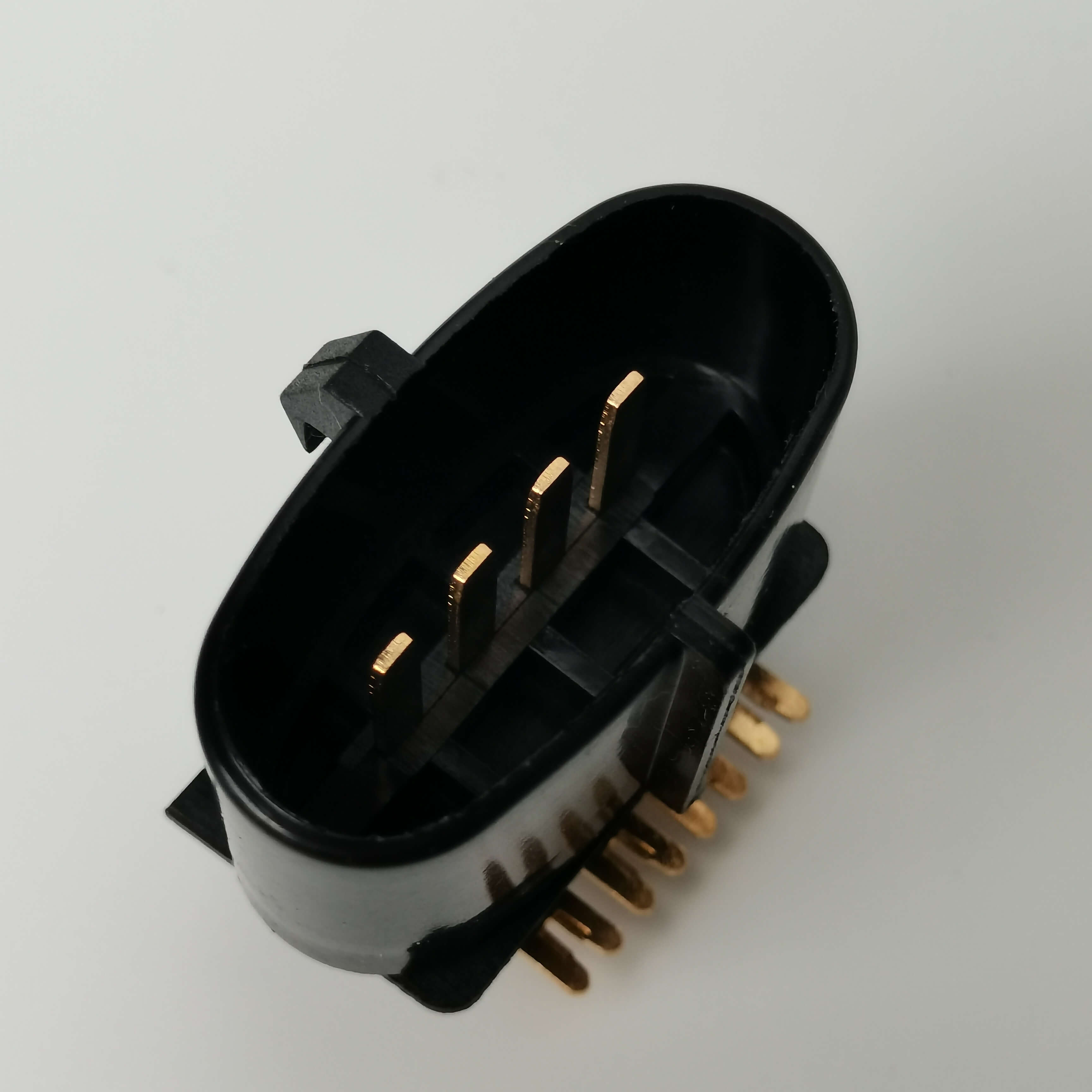
Reference for full text summary
Nanpi Haokai Hardware Products Co., Ltd. has established technological barriers in precision stamping part manufacturing through three key dimensions: equipment upgrading, process innovation, and quality control. Its cluster of 30-250 ton stamping equipment can cover processing needs for thicknesses ranging from 0.1 to 20 mm, with CNC sliding headstock machines achieving μ-level precision control, while the ISO9001 system ensures stable process quality. In high-end fields such as 5G communication, new energy vehicles, and medical devices, the company has delivered over 5 million high-precision products, with a customer repurchase rate of 92%. In the future, Haokai will continue to invest in intelligent transformation, planning to introduce an AI visual inspection system to elevate product defect identification rates to 99.99%, contributing to the transition from Made in China to Intelligent Manufacturing in China. For more information, please visit the official website:www.hkwujin.com