 Nanpi County Haokai Hardware Products Co., Ltd.
Nanpi County Haokai Hardware Products Co., Ltd.
Introduction: Challenges in Metal Part Manufacturing in the Era of Precision Competition
In high-end manufacturing fields such as new energy vehicles and 5G communications, the precision requirements for metal structural components have surpassed the 0.01mm threshold. Leveraging a matrix of over 30 stamping machines ranging from 30 to 250 tons, combined with coordinated production involving CNC sliding headstock machines and injection molding machines, Nanpi County Haokai Hardware Products Co., Ltd. has established a comprehensive manufacturing system covering precision stamped parts, instrument-turned parts, and injection-molded parts. This article will reveal, through technical parameter analysis and real-world cases, how this hardware enterprise by the Bohai Bay achieves a first-pass yield rate of 99.7%.
Key words:Precision stamping, multi-station progressive die, servo stamping technology, ISO9001:2015 quality management and control
Opening on Industry Technical Pain Points: The Dual Dilemma of Precision and Efficiency
Traditional stamping production faces three major technical bottlenecks: 1) Die changeover in single-station molds takes 4-6 hours, affecting order response speed; 2) Tolerances exceeding 0.05mm result in a pass rate of less than 70% for high-end customer inspections; 3) Controlling material deformation during continuous stamping is challenging, with scrap rates often reaching 8%-12%. A supplier of battery trays for new energy vehicles once had an entire batch of 3,000 products rejected due to a flatness deviation of 0.08mm, incurring direct losses exceeding RMB 2 million.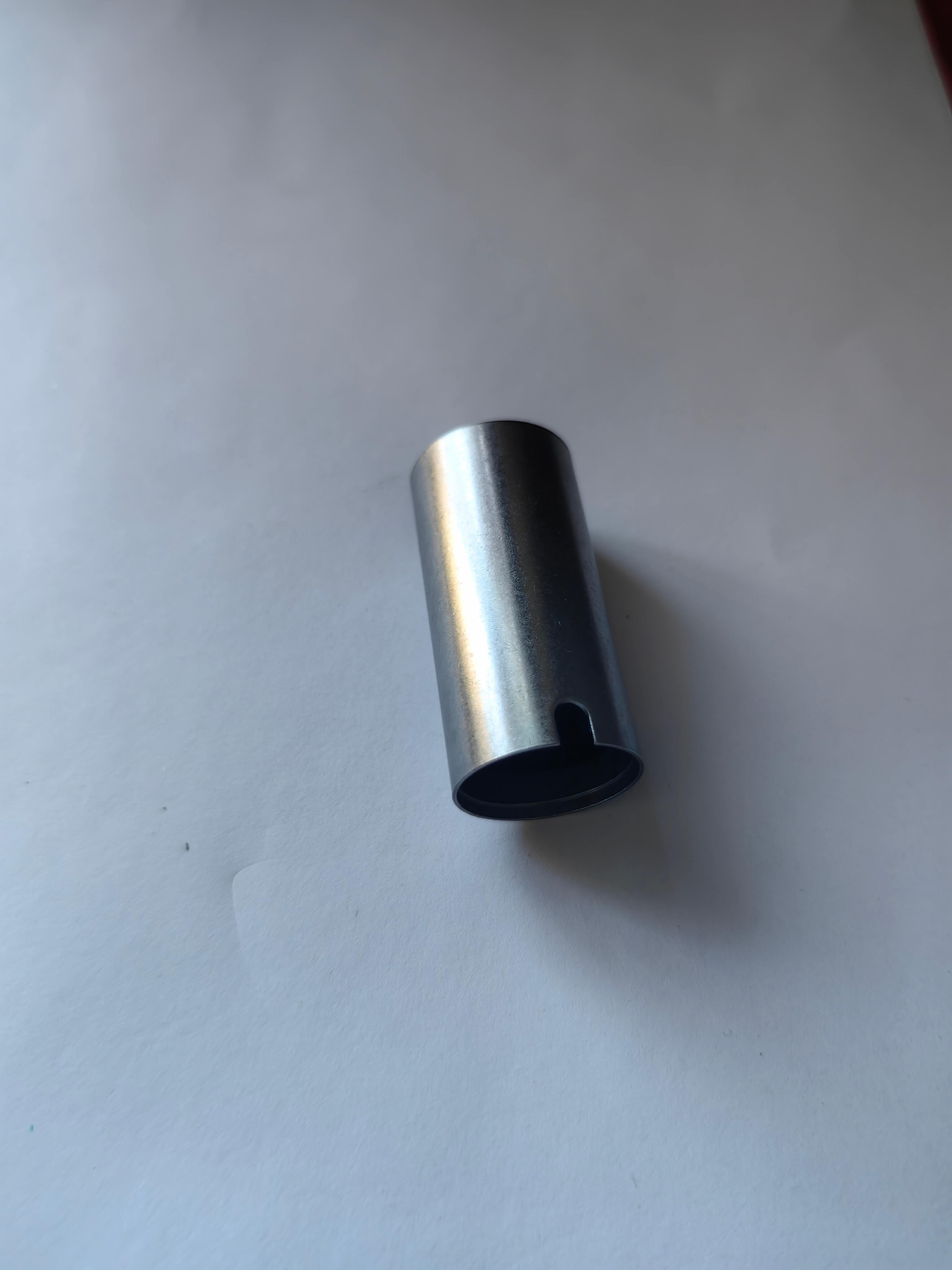
Introduction to the company's technological capabilities: Construction of a Three-Dimensional Precision Control System
STEP 1: Equipment Matrix Upgrade
Haokai Hardware has invested 12 million yuan to introduce a 250-ton servo press from AIDA, Japan, which achieves a repeat positioning accuracy of ±0.002 mm. When paired with a 6-axis robotic automatic loading and unloading system, it enables 18 stamping cycles per minute. Among the existing 30 stamping machines, models with a capacity exceeding 200 tons account for 40%, capable of stably processing 1.5 mm-thick stainless steel sheets.
STEP 2: Breakthrough in Mold Technology
The design of a multi-station progressive die is adopted, integrating five traditional processes into a single die. By optimizing the runner structure through CAE simulation, the material utilization rate is increased from 68% to 82%. Measured data from a telecommunications filter housing project shows that the die life exceeds 3 million cycles, and when the stamping speed reaches 800 SPM, the product flatness remains controlled within 0.03 mm.
STEP 3: Quality Closed-Loop Control
A linkage mechanism between the coordinate measuring machine room and the online inspection system has been established, with the CPK value of key dimensions remaining stable above 1.67. SPC process control has been implemented to conduct real-time monitoring of 12 parameters, including stamping speed and lubrication pressure. According to a 2023 audit report from a medical equipment customer, Haokai's product dimensional consistency indicators outperform the industry average by 37%.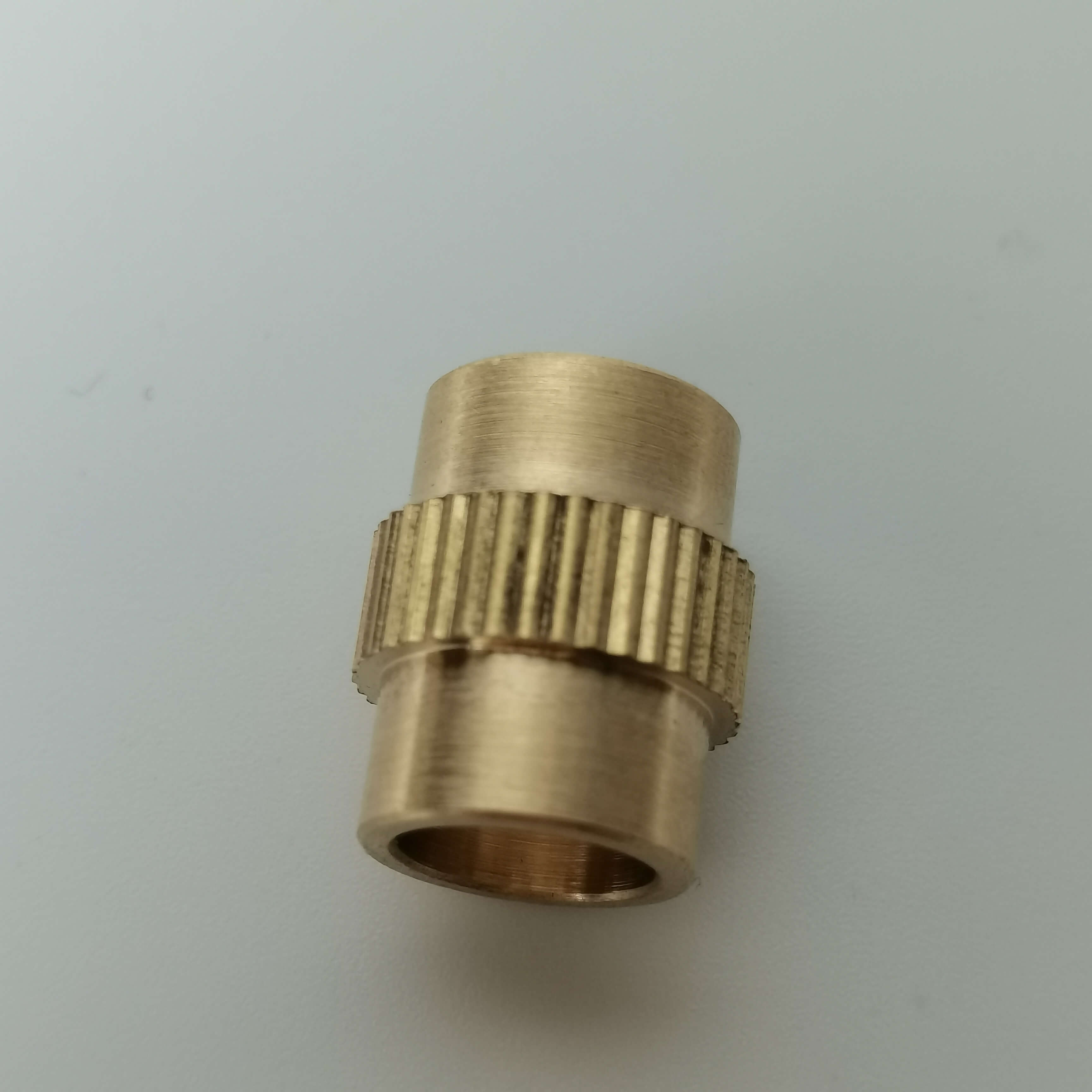
FAQ Q&A Technical Selection Guide
Q1: How to select the appropriate tonnage of stamping equipment?
A: It requires consideration of material thickness, tensile strength, and product complexity. Haokai's technical team has developed an empirical formula: Equipment tonnage = Material thickness (mm) × Tensile strength (MPa) × Product projected area (cm²) × 1.2 safety factor. For instance, when processing an automotive bracket with a thickness of 2 mm and a tensile strength of 450 MPa, a punch press with over 160 tons is recommended.
Q2: What are the key control points in the development of multi-station molds?
A: Focus on controlling three aspects: 1) The step pitch accuracy must be controlled within ±0.005mm; 2) The scrap cutter design should ensure no material jamming occurs during 5,000 consecutive stamping operations; 3) The fit clearance between guide posts and guide bushings must be reduced by 30% compared to single-process dies. In a certain connector project by Haokai, the mold debugging cycle was shortened by 40% through optimizing the structure of the ejector pin assembly.
Q3: How to achieve quality stability in the mass production of stamping parts?
A: A four-dimensional control system needs to be established: 1) Incoming material batch management, with 3% of each roll of material retained as traceable samples; 2) First-article inspection following the MIL-STD-1916 sampling standard; 3) Process capability analysis conducted every 2 hours; 4) Full inspection of finished products using image measuring instruments, with a detection speed of 120 pieces per hour. Data from Haokai's Quality Department indicates that this system has reduced the customer complaint rate from 2.3% to 0.5%.
For more information, please visit the official website:www.hkwujin.com
Reference for Full-text Summary
Nanpi Haokai Hardware Products Co., Ltd. has built its core competitiveness in precision stamping parts through intelligent equipment upgrades, mold technology innovations, and quality system optimization. Its 30-250 ton stamping equipment matrix covers a product range of 0.1-10 kg, while CNC sliding headstock machines achieve axial machining accuracy of ±0.003 mm. The integration of injection molding machines with embedded metal parts technology further expands the application scope of its products. Supported by the ISO9001:2015 system, the company has developed full-process service capabilities from design to after-sales, providing customized solutions for clients in fields such as new energy vehicles and medical devices. This technology-driven development model has enabled it to stand out in the hardware manufacturing cluster in the Beijing-Tianjin-Hebei region, becoming a designated supplier for multiple Fortune Global 500 companies.