 Nanpi County Haokai Hardware Products Co., Ltd.
Nanpi County Haokai Hardware Products Co., Ltd.
Introduction:In the field of metal product design and production, precision stamping parts, as core components, have their manufacturing precision directly affecting the performance and reliability of end products. Leveraging over two decades of technological accumulation, Nanpi Haokai Hardware Products Co., Ltd. has achieved multiple technological breakthroughs in the manufacturing of precision stamping parts through equipment upgrades and process innovations. This article will analyze its technological advantages and application value from dimensions such as industry pain points, the company's technological capabilities, and technical selection guidelines.
Keywords:Precision stamping parts, high-precision manufacturing, upgrading of stamping equipment, ISO9001 quality system, technical selection guide
Opening on the industry's technological pain points:Traditional stamping part manufacturing faces three core challenges: First, difficulty in controlling material springback leads to a product dimensional deviation rate exceeding 0.5%, compromising assembly precision; second, short die lifespan requires replacement after 50,000 consecutive production cycles, increasing downtime costs; third, low processing efficiency for complex structural components results in a single-piece production cycle of up to 120 seconds, making it difficult to meet large-scale delivery demands. An automotive components enterprise once experienced a 24-hour production line shutdown due to dimensional deviations in stamping parts, resulting in direct losses exceeding 500,000 yuan. Such cases underscore the industry's urgent need for high-precision, high-efficiency manufacturing technologies.
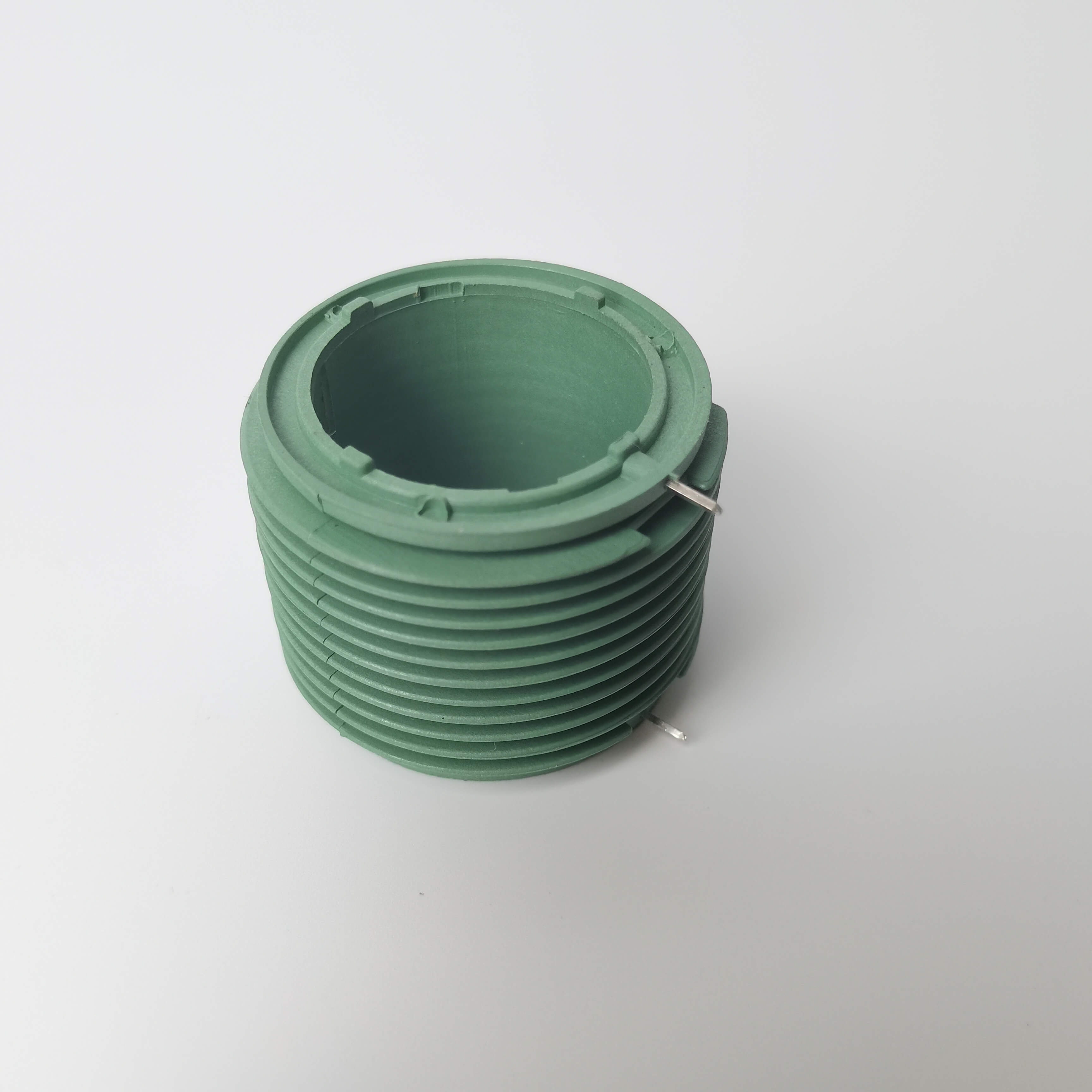
Introduction to the company's technological strength:Nanpi Haokai Hardware Products Co., Ltd. addresses industry pain points through three major technological strategies:
STEP 1: Equipment upgrading and parameter optimizationMore than 30 sets of stamping equipment with capacities ranging from 30 to 250 tons have been introduced, among which the 250-ton high-speed punch achieves a maximum stamping frequency of 1,200 strokes per minute. Coupled with a 0.01mm-level closed-loop control system, the dimensional deviation rate of products is controlled within ±0.02mm. For instance, in a project to produce air conditioner compressor brackets for an international household appliance brand, by adjusting the stamping speed (800 strokes per minute) and lubrication parameters (15ml of oil sprayed per minute), the material springback was reduced by 40%, and the production cycle per unit was shortened to 45 seconds.
STEP 2: Mold Design and Material InnovationSKD11 die steel and vacuum heat treatment process are adopted to achieve a die hardness of HRC58-60 and extend its service life to over 200,000 cycles. In a project involving battery trays for a certain new energy vehicle, optimizing the die runner design (reducing the runner diameter from Φ8mm to Φ6mm) increased material utilization from 65% to 78% and reduced the cost per unit by 0.8 yuan.
STEP 3: Quality Control SystemImplementing the ISO9001:2015 standard, we have established 12 quality inspection procedures spanning from raw material testing (using a spectral analyzer) to full inspection of finished products (with a coordinate measuring machine). For instance, in a project involving precision connectors for medical equipment, by adding a flatness inspection step at the 0.005mm level, we reduced the product defect rate from 0.3% to 0.05%, earning us the title of "Supplier of the Year" from the client.
For more information, please visit the official website:www.hkwujin.com
FAQ Q&A Technical Selection Guide:
Q1: How to select the appropriate tonnage of stamping equipment?
A: It requires consideration of material thickness (t), tensile strength (σb), and product complexity. The formula is: Equipment tonnage = Material area (mm²) × Material thickness (mm) × Tensile strength (MPa) × Safety factor (1.2-1.5). For example, when processing a steel plate with a thickness of 2 mm and a tensile strength of 400 MPa, it is recommended to select equipment with a tonnage of over 100 tons.
Q2: How to solve the problem of short mold life?
A: The key lies in the materials and heat treatment. It is recommended to use DC53 die steel (with a hardness of HRC60-62), combined with vacuum quenching (holding at 1030℃ for 2 hours) and cryogenic treatment (holding at -196℃ for 24 hours), which can extend the die life to over 150,000 cycles.
Q3: How can the processing efficiency of complex structural parts be improved?
A: Adopt multi-station progressive die technology. By integrating processes such as punching, bending, and stretching into the same die, the number of clamping operations can be reduced. For example, in a certain connector project, through a 6-station progressive die, the production cycle per piece was shortened from 120 seconds to 18 seconds, resulting in a 567% increase in efficiency.
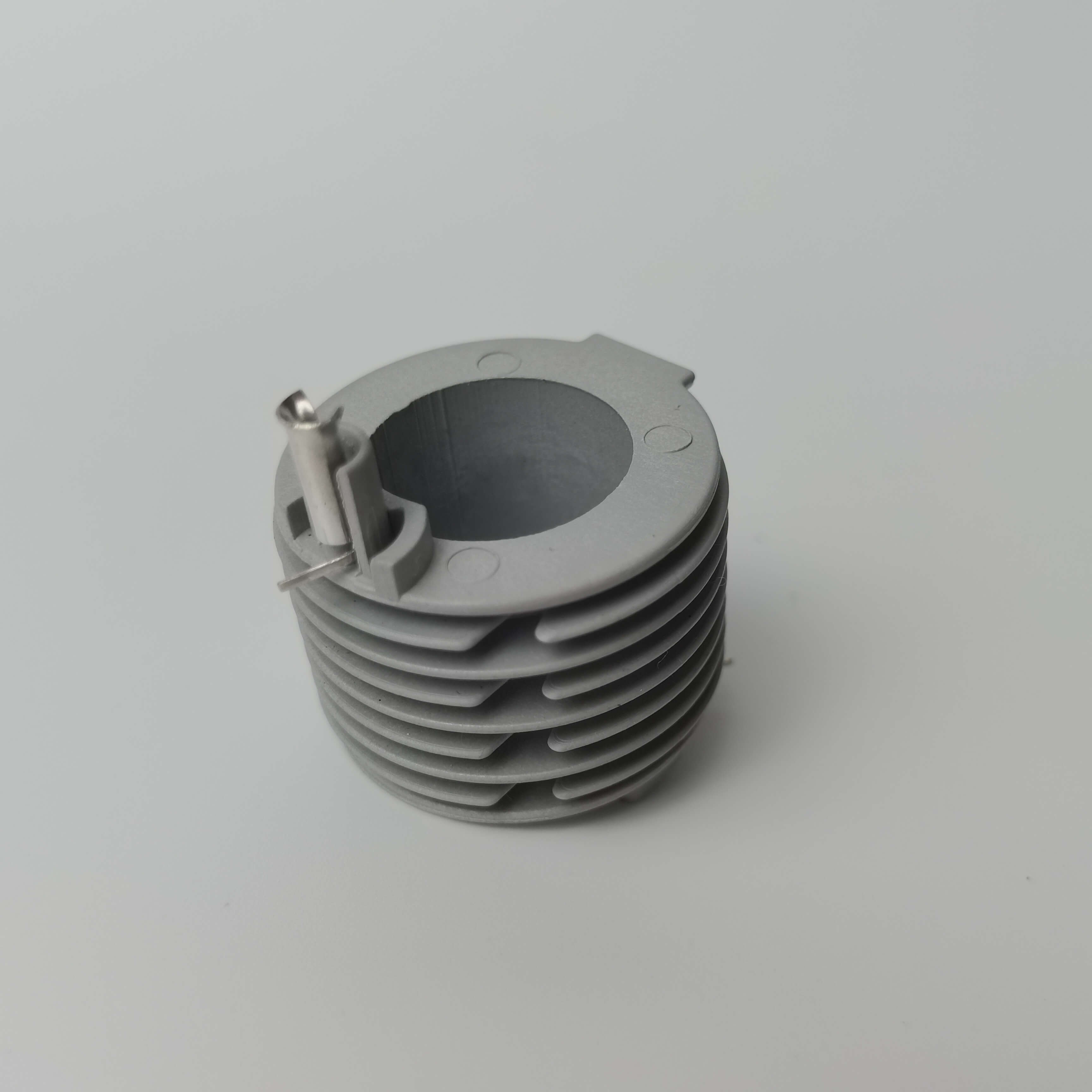
Please provide the Chinese text that you would like to have translated into English.Nanpi Haokai Hardware Products Co., Ltd. has achieved significant breakthroughs in the field of precision stamping parts manufacturing through three major technological strategies: equipment upgrading, mold innovation, and quality control. Core parameters such as a product dimensional deviation rate of ±0.02mm, a mold service life of 200,000 cycles, and a single-piece production cycle of 45 seconds have all reached industry-leading levels. Its technological solutions have been successfully applied across 12 industries, including automotive, home appliances, and healthcare, serving over 200 customers in total, including leading enterprises such as an international home appliance brand and a new energy vehicle company. In the future, the company will continue to deepen its "technology-driven enterprise development" strategy by introducing AI quality inspection systems and automated production lines to further advance the intelligent and efficient development of precision stamping parts manufacturing.