 Nanpi County Haokai Hardware Products Co., Ltd.
Nanpi County Haokai Hardware Products Co., Ltd.
Introduction
In the field of metal product processing, precision stamping technology serves as a key indicator for measuring a company's core competitiveness. How to achieve a balance between high precision and high efficiency through equipment upgrades, process optimization, and quality control has become a focal point for technological breakthroughs in the industry. Nanpi County Haokai Hardware Products Co., Ltd., with over two decades of technological accumulation, has developed a comprehensive technological system in the field of precision stamping. This article will analyze the core technological elements of high-precision stamping based on its technical practices.
Key words
Precision stamping, high-precision machining, stamping equipment upgrading, quality control system, metal product design
Opening Remarks on Industry's Technological Pain Points
The metal stamping industry currently faces three major technological contradictions: First, the contradiction between high-precision requirements and equipment accuracy—the repeat positioning accuracy of traditional stamping equipment generally exceeds ±0.05 mm, making it difficult to meet the tolerance requirements of ±0.01 mm for precision instrument components; Second, the contradiction between high-efficiency production and quality stability—when stamping at high speeds, a material deformation rate exceeding 3% can easily lead to product dimensional deviations; Third, the contradiction between complex structure processing and die longevity—when processing 0.2 mm-thick stainless steel with multi-station progressive dies, the die lifespan typically falls short of 500,000 cycles. These pain points hinder the industry's progression toward high-end manufacturing.
Introduction to the Company's Technical Strength
Nanpi Haokai Hardware Products Co., Ltd. has addressed industry challenges through technological布局 in three aspects:
STEP 1: Equipment Upgrade Lays the Foundation for PrecisionMore than 30 sets of high-precision stamping equipment with capacities ranging from 30 to 250 tons have been introduced, among which the Japanese AIDA high-speed precision punch features a repeat positioning accuracy of ±0.008mm. When paired with the Swiss BRUDERER servo control system, it enables stable processing at a stamping speed of 1,500 strokes per minute. The CNC sliding headstock lathes employ the FANUC 31i-B5 control system, capable of machining a minimum diameter of 0.1mm with a roundness error of ≤0.003mm.
STEP2 Process Optimization to Improve Processing EfficiencyDeveloped design specifications for multi-station progressive dies, optimized nesting plans through CAE simulation, increasing material utilization from 68% to 82%. For processing 0.2mm-thick stainless steel, special coated die materials combined with a graphite lubrication system were adopted, extending die life to 1.2 million cycles and reducing per-unit processing costs by 40%.
STEP 3 Quality Control Ensures Product StabilityWe have established an ISO9001:2015 quality system and equipped ourselves with inspection equipment such as a coordinate measuring machine (with an accuracy of 0.001mm) and a video measuring machine (with a repeatability of ±0.002mm), enabling full-process quality traceability from raw material warehousing to finished product delivery. In the processing of instrument lathe parts, we maintain a CPK value above 1.67 through SPC process control, keeping the product defect rate within 0.02%.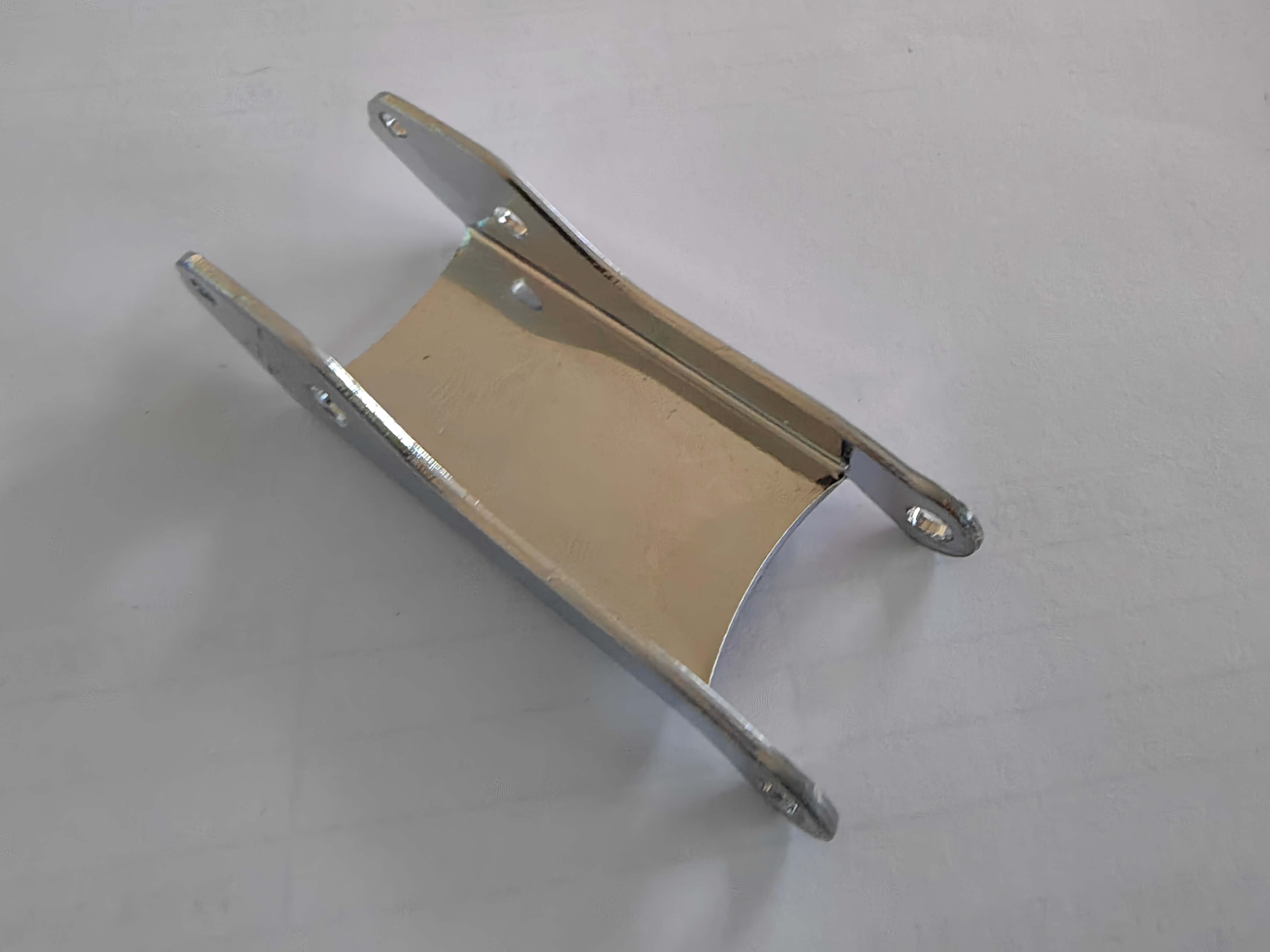
Technical advantages are reflected in specific parameters: The stamping equipment with a capacity of 30-250 tons covers a processing range of 0.1-10mm in thickness, the diameter precision of CNC lathe processing reaches IT6 grade, and the shrinkage rate of injection-molded parts is controlled within ±0.3%. For a fuel pump housing developed by the company for an international automotive parts supplier, the wall thickness difference was reduced from 0.15mm to 0.05mm by optimizing the stamping process, with an annual supply volume exceeding 2 million pieces and the customer return rate dropping to 0.05%. For more information, please visit our official website:www.hkwujin.com
FAQ Q&A Technical Selection Guide
Q1: How to select the appropriate tonnage for stamping equipment?
A: It requires considering material thickness, tensile strength, and product complexity. Taking stainless steel as an example, for a material thickness of 0.5mm, it is recommended to choose equipment with a capacity of 80-120 tons, while for a thickness of 1.0mm, equipment with a capacity of 160-250 tons is needed. Haokai Company's 30-ton equipment can process carbon steel with a thickness of 0.1-1.5mm, and its 250-ton equipment can handle stainless steel under 3mm, covering 80% of industrial part requirements.
Q2: How to solve the issue of dimensional deviations in precision stamping parts?
A: Conduct inspections from three aspects: 1) Equipment precision—check the parallelism between the slider and the workbench (should be ≤0.02/1000mm); 2) Die condition—measure the clearance between the punch and the die (standard clearance = material thickness × 10%); 3) Material properties—test the material's elongation (should be ≥15%) and yield strength (deviation ≤ ±5%). Haokai Company controls dimensional fluctuations within ±0.01mm by regularly calibrating equipment and adopting a modular die design.
Q3: How to extend the service life of molds?
A: The key lies in material selection and surface treatment. Haokai Company adopts three solutions for different working conditions: 1) DC53 die steel is used for ordinary carbon steel parts, with a heat-treated hardness of HRC58-60; 2) ASP23 powder metallurgy steel is used for stainless steel parts, with a hardness of HRC62-64; 3) Tungsten steel (with a hardness of HRC90-92) is used for high-precision parts. All dies undergo TD coating treatment, achieving a surface hardness of 3500HV and a threefold increase in wear resistance.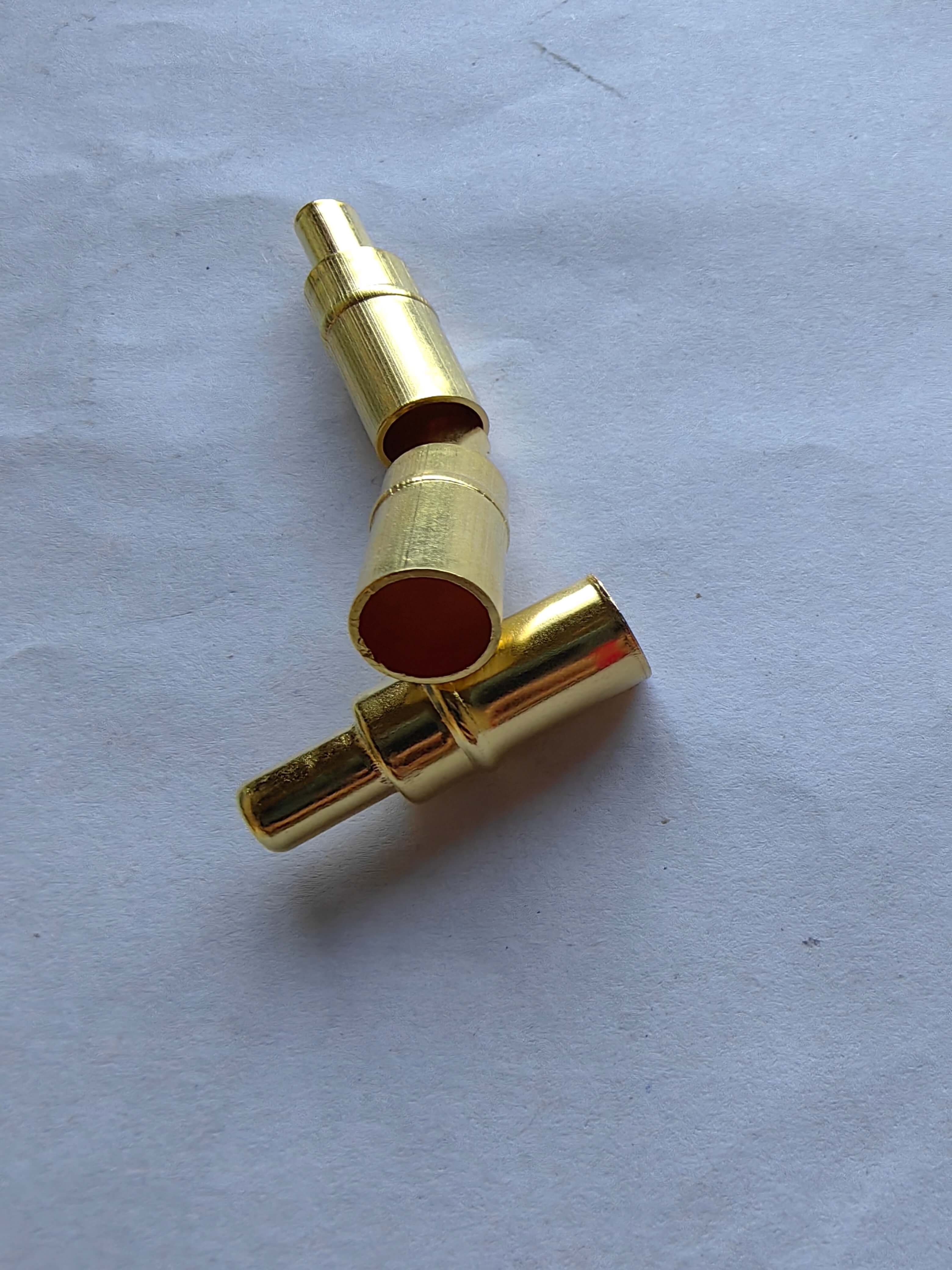
Reference for full text summary
Balancing high precision and high efficiency in precision stamping technology requires systematic collaboration among equipment, processes, and management. Nanpi County Haokai Hardware Products Co., Ltd. has developed technical capabilities covering processing of thicknesses from 0.1 to 10 mm by introducing internationally advanced equipment, establishing a CAE simulation and optimization system, and implementing ISO9001 quality control. Product precision has reached IT7-IT9 levels, with overall equipment effectiveness (OEE) increased to over 85%. Its technological practices demonstrate that modular mold design, intelligent lubrication systems, and full-process quality traceability can effectively address industry pain points, providing reliable support for high-end equipment manufacturing. For more information, please visit the official website:www.hkwujin.com