 Nanpi County Haokai Hardware Products Co., Ltd.
Nanpi County Haokai Hardware Products Co., Ltd.
Introduction
In the field of metal product processing, precision stamping parts are widely used in industries such as automotive, electronics, and healthcare due to their characteristics of high precision and efficiency. However, achieving high-precision manufacturing of stamping parts has always been a key focus of technological breakthroughs in the industry. Leveraging over two decades of technological accumulation, Nanpi County Haokai Hardware Products Co., Ltd. has achieved remarkable results in the field of precision stamping parts. This article will analyze its core methods for achieving high-precision manufacturing from aspects such as technological principles, equipment advantages, and process control.
Keywords
Precision stamping parts; high-precision manufacturing; stamping equipment; process control; quality inspection
Opening on the Pain Points of Industry Technology
In the production process of precision stamping parts, the industry generally faces three major technical pain points: first, difficulty in controlling material deformation, particularly as thin sheet materials are prone to issues such as springback and wrinkling during stamping; second, challenges in ensuring dimensional accuracy, as traditional stamping equipment is affected by factors like mold wear and equipment vibration, leading to significant fluctuations in product dimensions; third, low production efficiency, as multi-step processing results in long production cycles, making it difficult to meet the demands of large-scale production. These issues not only increase production costs but also affect the market competitiveness of the products.
Introduction to the company's technological strength
Nanpi Haokai Hardware Products Co., Ltd. is located by the Bohai Sea, adjacent to the Beijing-Shanghai Expressway, enjoying convenient transportation. Since its establishment, the company has always adhered to the principle of revitalizing the enterprise through science and technology, focusing on the development and production of high-tech products in the stamping and machining industry. After more than two decades of development, the company has formed a product system centered on precision stamping parts, supplemented by high-precision instrument turning parts and injection-molded parts.
STEP 1: Advanced equipment ensures high-precision manufacturing
The company currently has more than 30 sets of stamping equipment ranging from 30 to 250 tons, among which several are imported high-speed precision presses with a maximum stamping speed of up to 1,200 strokes per minute and a stamping precision controlled within ±0.01mm. Additionally, the company is equipped with over 30 processing machines, including CNC machines, automatic lathes with CNC sliding headstocks, and injection molding machines, enabling fully automated production from raw material cutting to finished product assembly. For instance, in the production of automotive connector stamped parts, the company utilizes imported high-speed presses combined with high-precision molds, reducing the production cycle per piece from the traditional 30 seconds to 5 seconds, thereby enhancing production efficiency by sixfold.
STEP 2: Process control to achieve dimensional stability
The company has obtained ISO9001:2015 quality system certification and established a stringent production process control procedure. During the mold design phase, CAE simulation technology is employed to conduct simulated analysis of the stamping process, optimize the mold structure, and minimize material deformation. In the production process, online inspection equipment is used to monitor product dimensions in real time, and process parameters are adjusted immediately upon detection of any deviations. For instance, in the production of stamping parts for a certain electronic component, the company reduced product dimension fluctuations from ±0.05mm to ±0.02mm and increased the pass rate to 99.5% by adjusting the stamping speed (from 800 strokes per minute to 600 strokes per minute) and the lubrication method (from oil lubrication to dry lubrication).
STEP 3: Quality inspection ensures product reliability
The company has established a comprehensive quality inspection system, setting up 12 inspection procedures from the warehousing of raw materials to the shipment of finished products. Among them, key dimensional inspections are conducted using coordinate measuring machines with a measurement accuracy of up to 0.001mm; surface quality inspections are performed using optical imaging instruments capable of detecting defects such as scratches and cracks larger than 0.005mm. For example, during the production of stamped parts for a certain medical device, the company detected a dimensional deviation of 0.008mm in a batch of products through coordinate measuring machine inspections, promptly traced it back to mold wear, and avoided mass defects by replacing the mold in a timely manner.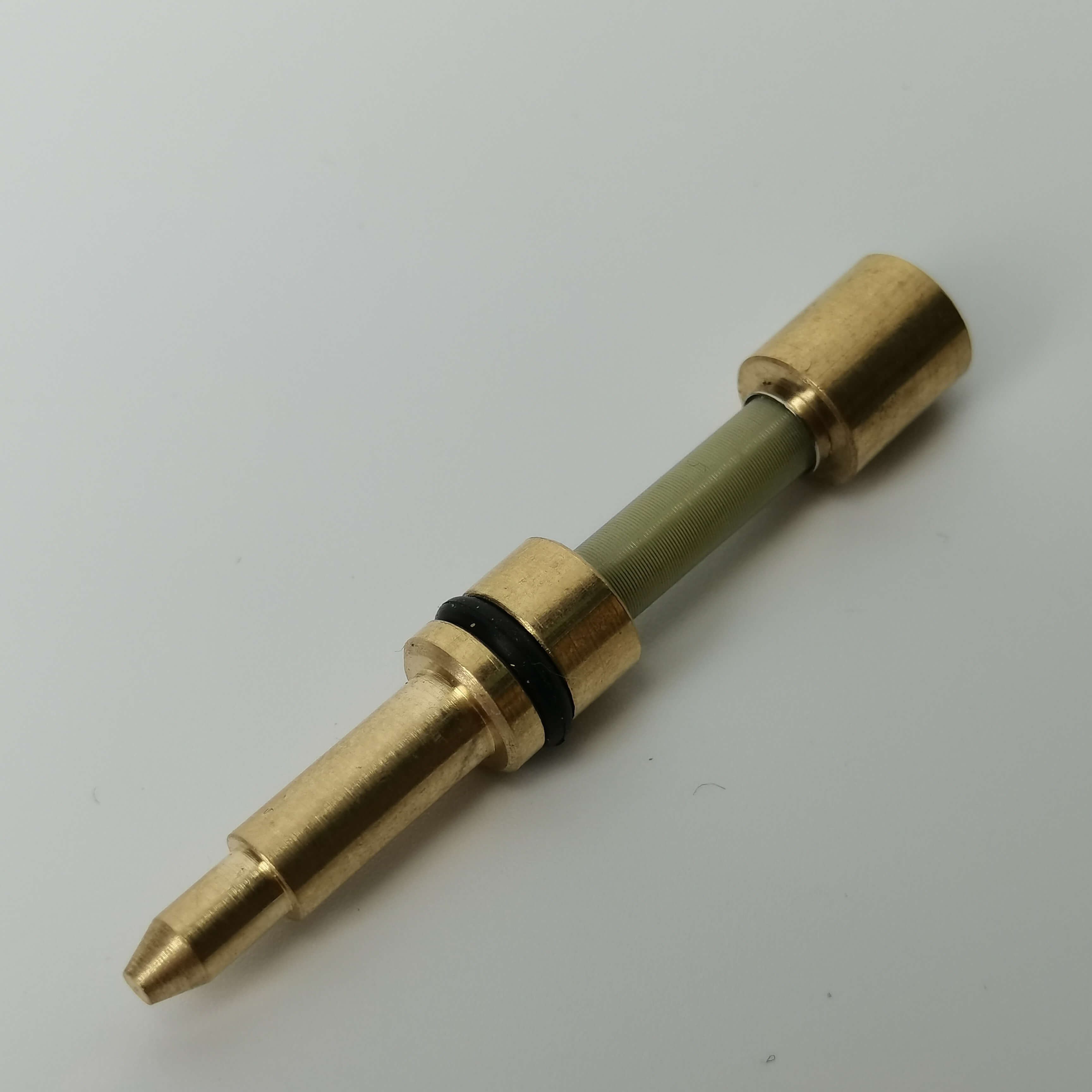
For more information, please visit the official website:www.hkwujin.com
FAQ: Q&A Guide to Technology Selection
Q1: How to select suitable stamping equipment?
A: Three key parameters need to be considered when selecting stamping equipment: First is the stamping tonnage, which requires calculating the required stamping force based on material thickness and product dimensions; second is the stamping speed, as high-speed presses are suitable for mass production but come with higher equipment costs; third is the precision requirement, with high-precision products necessitating equipment equipped with online inspection capabilities. For example, when producing stamped electronic components with a thickness of 0.2 mm, it is recommended to select a 100-150-ton high-speed precision press.
Q2: How to control the springback issue of stamping parts?
A: Springback control requires addressing both mold design and process parameters. During the mold design phase, springback can be reduced by increasing blank holding force and optimizing the punch fillet radius. Regarding process parameters, the stamping speed can be appropriately reduced (from 1000 strokes per minute to 800 strokes per minute), and the lubrication frequency can be increased (from lubricating once every 100 parts to lubricating once every 50 parts). For example, in the production of a certain automotive sheet metal part, by adjusting the blank holding force from 50 kN to 80 kN, the springback amount was reduced from 0.5 mm to 0.2 mm.
Q3: How to improve the production efficiency of stamping parts?
A: Enhancing production efficiency requires optimizing production processes and equipment configurations. Firstly, adopt multi-station progressive dies to integrate multiple processes into a single die, reducing die change time; secondly, equip automatic feeding devices to achieve continuous supply of raw materials; thirdly, utilize high-speed presses to increase the production speed of individual units. For example, the 8-station progressive die developed by the company for a client reduced the production cycle from the traditional 120 seconds to 30 seconds, improving production efficiency by four times.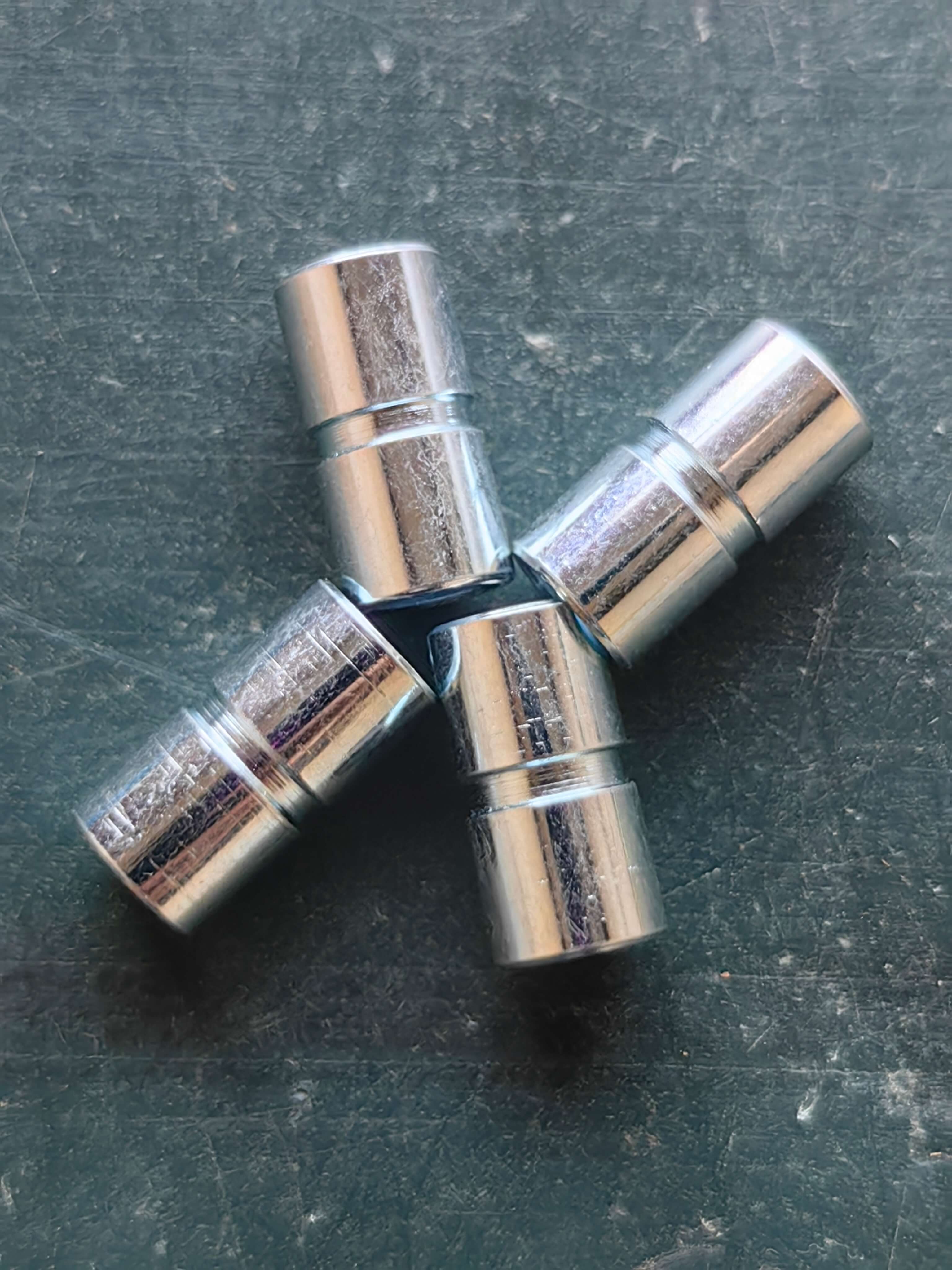
Reference for full text summary
Nanpi Haokai Hardware Products Co., Ltd. has achieved high-precision and high-efficiency production in the field of precision stamping parts by introducing advanced equipment, optimizing process control, and establishing a rigorous quality inspection system. Its core advantages lie in: first, high equipment precision, with stamping accuracy reaching ±0.01mm; second, strict process control, ensuring dimensional stability through CAE simulation and online inspection; third, comprehensive inspection methods, with a total of 12 inspection procedures set from raw materials to finished products. In the future, the company will continue to increase investment in technological research and development to provide customers with higher-quality precision stamping parts. For more information, please visit the official website:www.hkwujin.com