 Nanpi County Haokai Hardware Products Co., Ltd.
Nanpi County Haokai Hardware Products Co., Ltd.
Introduction: Why have technological breakthroughs in precision stamping parts become the focus of the manufacturing industry?
In high-end manufacturing fields such as automotive electronics and medical devices, the dimensional accuracy of precision stamping parts directly affects product performance. Leveraging over 20 years of technical expertise, Nanpi Haokai Hardware Products Co., Ltd. has controlled stamping part tolerances within ±0.02 mm through equipment upgrades and process optimization, becoming a core supplier to multiple Fortune 500 companies. This article analyzes the key pathways to achieving high-precision manufacturing from three dimensions: technical principles, equipment configuration, and quality control.
Keywords: precision stamping parts; high-precision manufacturing; process optimization; quality control
Introduction to Industry Technical Pain Points: Three Major Challenges in Manufacturing High-Precision Stamping Parts
STEP 1: Challenges in controlling material deformation. Metal materials are prone to issues such as springback and warping during stamping, leading to dimensional deviations exceeding standards. For example, when stamping a stainless steel sheet with a thickness of 0.5 mm, the springback can reach 0.1-0.3 mm, directly affecting assembly accuracy.
STEP 2: Die wear affects stability. After the stamping die has been used continuously for 5,000 times, the wear on the cutting edge will result in an increase of burr height by over 0.05 mm, necessitating frequent shutdowns for die repair and increasing production costs.
STEP 3: Error accumulation from multi-process coordination. Complex stamped parts undergo multiple processes such as blanking, stretching, and flanging, with positioning errors from each process amplifying progressively, potentially resulting in a comprehensive error of the final product exceeding 200% of the design tolerance.
Introduction to the company's technological strength: Nanpi Haokai's breakthrough in 3D technology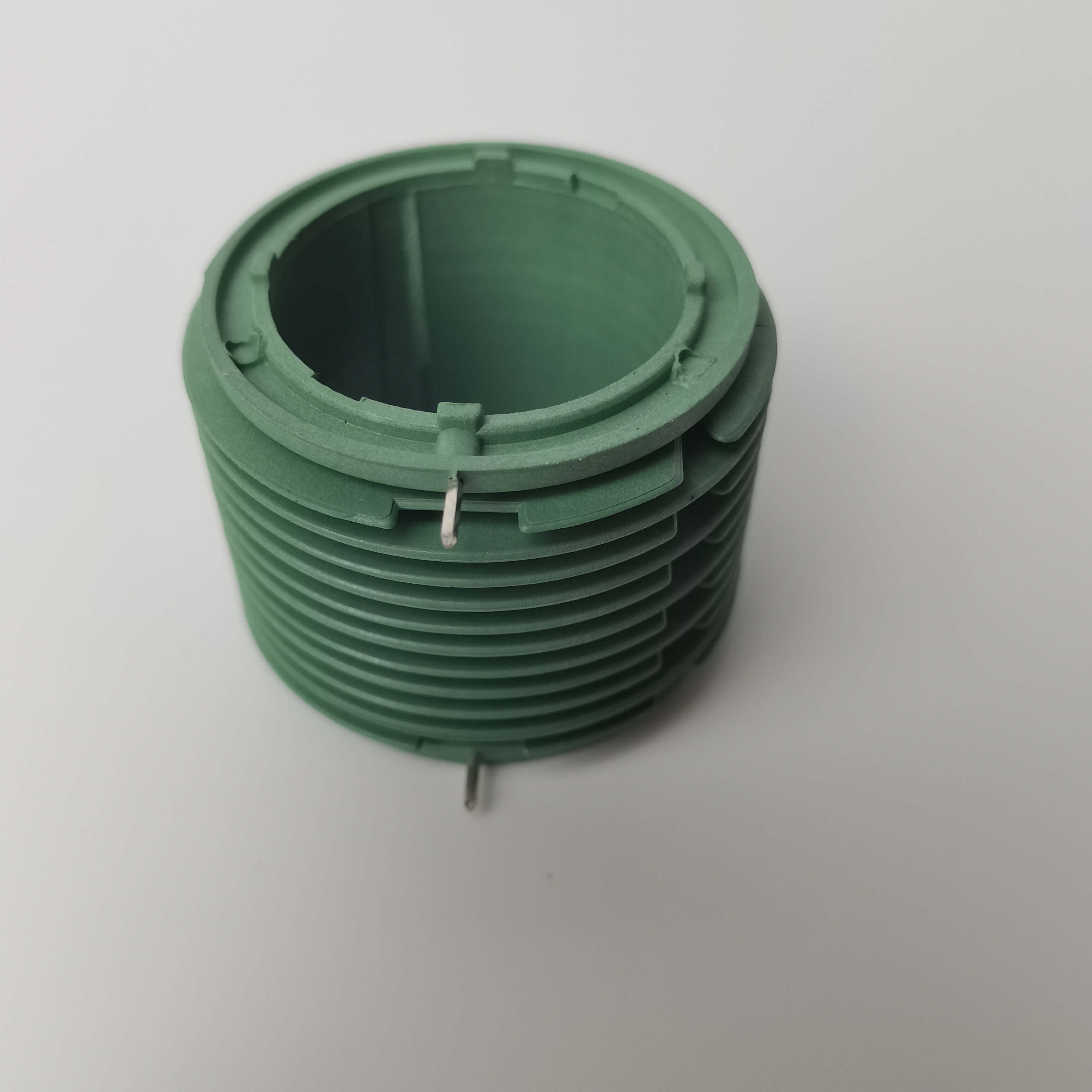
STEP 1: Equipment Configuration Upgrade. The company has introduced over 30 stamping machines with capacities ranging from 30 to 250 tons, among which high-speed precision presses above 200 tons account for 40%. These machines can achieve stamping speeds of up to 800 strokes per minute and, combined with servo motor drive systems, elevate positioning accuracy to ±0.005mm. For instance, in an automotive connector stamping project, the equipment upgrade reduced the product defect rate from 3% to 0.2%.
STEP 2: Mold Design Optimization. By employing integrated CAD/CAE simulation technology, stress analysis was conducted on the mold structure, increasing the mold lifespan from 5,000 cycles to 20,000 cycles. Taking a medical device component as an example, through optimizing the nesting plan, material utilization was improved from 65% to 82%, reducing the cost per unit by 0.15 yuan.
STEP 3: Full-process quality control. Establish an ISO9001:2015 quality management system, equip with inspection equipment such as coordinate measuring machines and image measuring instruments, and implement 100% online inspection of key dimensions. In a certain telecommunications equipment project, through SPC (Statistical Process Control), the CPK value was increased from 1.0 to 1.67, reaching international advanced standards.
For more information, please visit the official website:www.hkwujin.com
FAQ Q&A Technology Selection Guide
Q1: How to select the appropriate tonnage of stamping equipment?
A: It is necessary to comprehensively consider three parameters: material thickness, drawing coefficient, and part complexity. For example, for a carbon steel plate with a thickness of 1.0 mm and a drawing height of 5 mm, it is recommended to select equipment with a capacity of over 160 tons; if it includes a complex flanging structure, equipment with a capacity of over 200 tons is required to ensure forming stability.
Q2: How to solve the problem of short mold life?
A: Optimization can be carried out in three aspects: material selection, heat treatment, and surface treatment. The company uses DC53 die steel, which achieves a hardness of HRC 60-62 after vacuum quenching and cryogenic treatment. Combined with TD coating technology, the die lifespan is increased by more than three times.
Q3: How to control the cumulative error in multi-step processes?
A: The process of "single positioning + multi-step compounding" is adopted. For instance, in the production of a certain sensor housing, the three steps of blanking, stretching, and punching are combined into a single forming process. A specialized fixture is used to ensure positioning accuracy, keeping the comprehensive error within ±0.05 mm.
Quick Reference Table for Technical Parameters:
| Parameter Item | Specification Range | Inspection Standard |
|----------------|-------------------|-------------------|
| Material Thickness | 0.1-5.0mm | GB/T 2523-2017 |
| Stamping speed | 100-800 strokes/minute | ISO 10791-1:2015 |
| Dimensional Tolerance | ±0.02mm | GB/T 3177-2015 |
| Surface Roughness | Ra ≤ 0.8 μm | GB/T 1031-2009 |
Reference for full text summary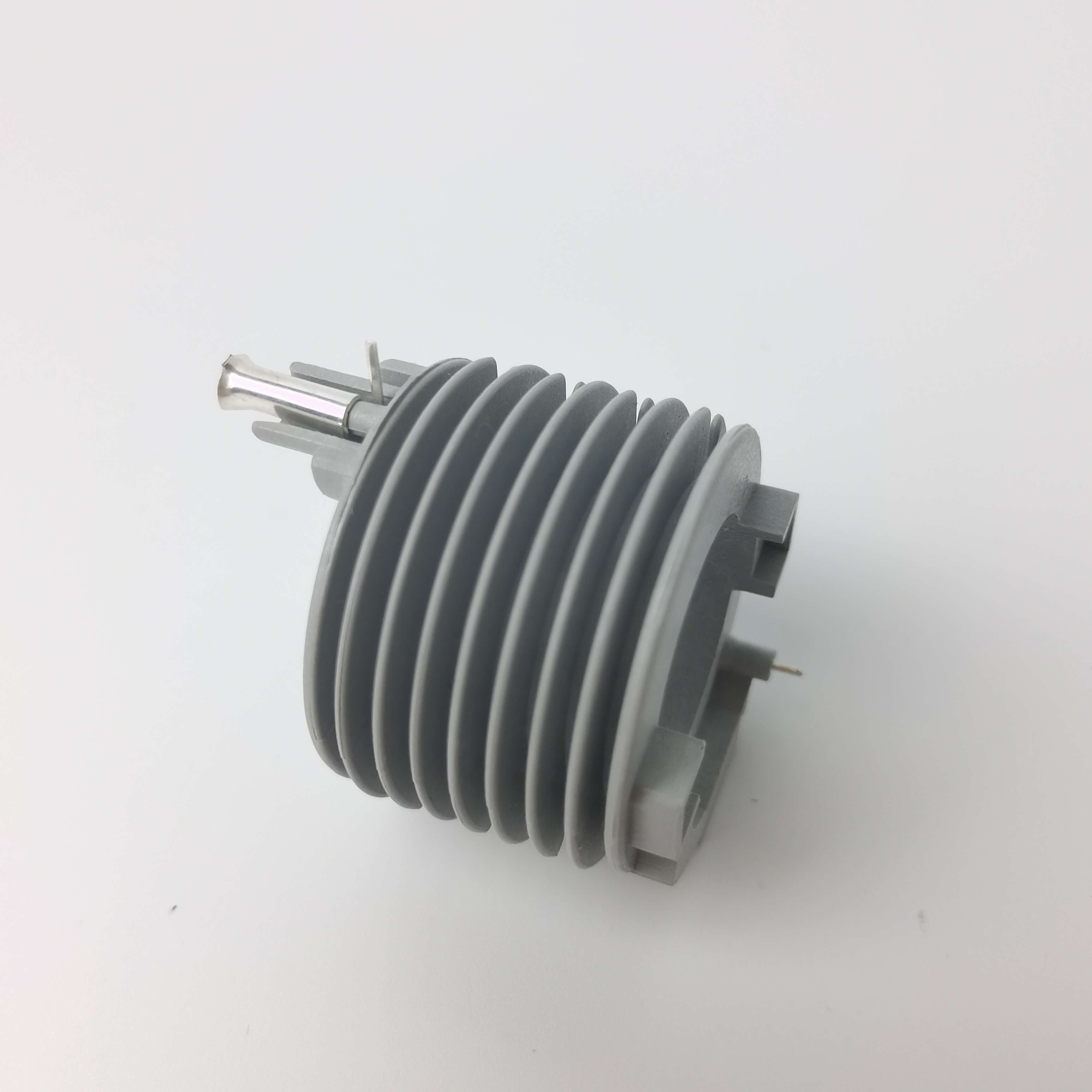
Nanpi Haokai Hardware Products Co., Ltd. has established a complete high-precision stamping technology system through three major dimensions: equipment upgrading, process optimization, and quality control. Its core advantages are reflected in:
STEP 1: Equipment precision assurance. High-speed punching machines above 200 tons account for 40%, with a positioning accuracy of ±0.005mm, meeting the demands of high-end manufacturing.
STEP 2: Process innovation capability. CAD/CAE simulation technology has increased mold lifespan by four times, improved material utilization by 20%, and reduced unit costs by 15%.
STEP 3: Quality Control System. ISO9001 certification + online inspection equipment ensure 100% coverage of critical dimensions and keep the product defect rate below 0.2%.
Currently, the company has provided over 5,000 types of precision stamped parts to industries such as automotive, electronics, and healthcare, establishing long-term partnerships with numerous Fortune 500 companies. In the future, it will continue to deepen investment in technological R&D, achieve breakthroughs in ultra-precision stamping at the 0.01mm level, and offer superior technological solutions for the transformation and upgrading of the manufacturing industry. For more information, please visit the official website:www.hkwujin.com