 Nanpi County Haokai Hardware Products Co., Ltd.
Nanpi County Haokai Hardware Products Co., Ltd.
Industry Technical Pain Points: The Dual Challenge of Pressing Fitting Precision and Efficiency
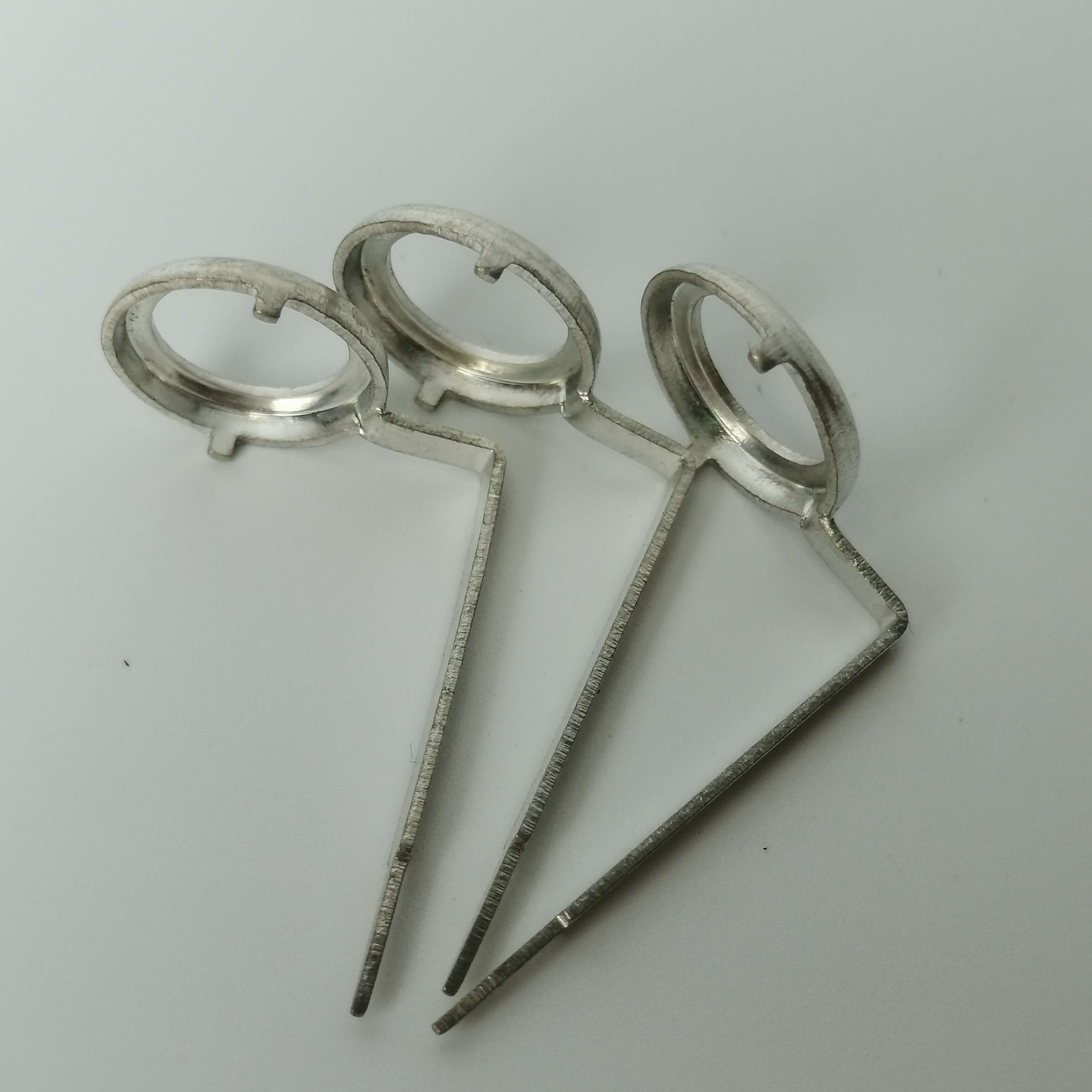
Stamping shavings, as core connecting components in fields such as electronics, automobiles, and home appliances, present technical challenges mainly in material forming stability, dimensional accuracy control, and mass production efficiency. In traditional processes, presses below 30 tons often result in springback deformation of the shavings due to insufficient pressure, while presses above 250 tons, although meeting pressure requirements, suffer from rapid mold wear and long debugging cycles, increasing the unit production cost by over 30%. Additionally, during multi-process composite processing, the thickness tolerance of the shavings must be controlled within ±0.02mm, otherwise, it may cause poor contact or assembly failure. Industry data shows that over 60% of defective shavings originate from stress concentration and uneven material flow during the stamping process. How to achieve "high precision, low cost, and short cycle" through equipment upgrading and process optimization has become the key to technical breakthroughs for enterprises.
Introduction to the company's technical strength: dual drive of equipment iteration and technological innovation
Nanpi Haokai Hardware Products Co., Ltd. addresses industry pain points through a three-dimensional technical layout of "equipment-process-control". At the equipment level, the company has over 30 stamping machines with capacities ranging from 30 to 250 tons, covering processing needs from 0.1mm thin plates to 5mm thick plates, with over 200-ton equipment driven by servo motors, achieving pressure accuracy of ±1%, a 50% improvement over traditional hydraulic equipment. It is equipped with over 30 CNC core machines and injection molding machines, supporting composite processing of springs and plastic parts, reducing the production cycle of a single piece to 15 seconds. At the process level, the company has developed "分级冲压+动态补偿" technology, releasing internal material stress in the first process and controlling tolerances in the second process to ensure flatness error of springs ≤0.05mm. Combined with CAE simulation analysis, the mold channel design is optimized, raising material utilization from 75% to 88%. In terms of quality control, the company implements ISO9001:2015 standards, introduces a three-coordinate measuring instrument and image detection system, and conducts full inspections on 12 parameters such as spring thickness and bending angle, keeping the defect rate below 0.3%. Taking a certain automotive electronics project as an example, the company's customized 0.3mm thick springs have passed 2 million fatigue tests without any breakage, successfully replacing imported products, with an annual supply volume exceeding 5 million pieces.
FAQ: Guide to Selection of Stamping Blade Technology
Q1: How to select the tonnage of stamping equipment suitable for blank processing?
A1: The tonnage of the blanking processing equipment should be comprehensively evaluated based on material thickness and forming complexity. Taking the practice of Haokai Hardware in Nanshi County as an example: for 0.1-0.5mm thin plate blanks, a 30-80 ton machine is recommended, paired with a high-speed punch press (punching frequency ≥800 times/minute) to achieve efficient production; for 0.5-2mm medium-thick plate blanks, a 100-160 ton machine is required, with emphasis on controlling the lower dead point accuracy (±0.01mm); for blanks thicker than 2mm or complex forming blanks, it is suggested to use equipment over 200 tons, and configure servo motors to reduce vibration. For example, a 1.2mm thick blank customized by an appliance customer, through a 120-ton punch press and graded stamping process, the unit cost was reduced by 22%.
Q2: How to avoid cracking and burrs during the blanking process?
A2: Cracks and burrs are common defects in shot peening processing, which require optimization from three aspects: material, mold, and process. In terms of material selection, prioritize spring steel with tensile strength of 400-600MPa (such as 65Mn, SK5), and control the hardness at HRC42-48; mold design must ensure sharpness of the cutting edge (R angle ≤0.05mm), and increase the pressure on the ejector plate (10%-15% higher than the impact pressure) to reduce material adhesion; for process parameters, the stamping speed is controlled at 50-200 times/minute, and the amount of lubricating oil needs to be adjusted according to the material thickness (0.5ml per time for 0.1mm thin plate, 2ml per time for 2mm thick plate). Nanshi County Haokai Hardware has reduced the burr height of the shot peening to below 0.02mm from 0.1mm, and the cracking rate from 5% to 0.1% through the above measures.
Q3: How to balance cost and quality for small batch shrapnel orders?
A3: Small batch orders (batch size < 1000 pieces) require cost reduction through "flexible production + quick mold change". Napi County Haokai Hardware adopts modular mold design, dividing the spring forming process into three modules: pre-punching, fine punching, and bending. Different specifications of springs can be quickly switched by changing modules, reducing the mold change time from 2 hours to 15 minutes. At the same time, an automated feeding system is introduced to reduce manual intervention, cutting the per-item labor cost by 40%. Taking a customer's 500 customized irregular spring pieces for a medical equipment as an example, the company completed the delivery within 7 days through the flexible production line, reducing the per-item cost by 35% compared to traditional technology, and achieving size consistency within ±0.03mm.
Summary of the full text reference
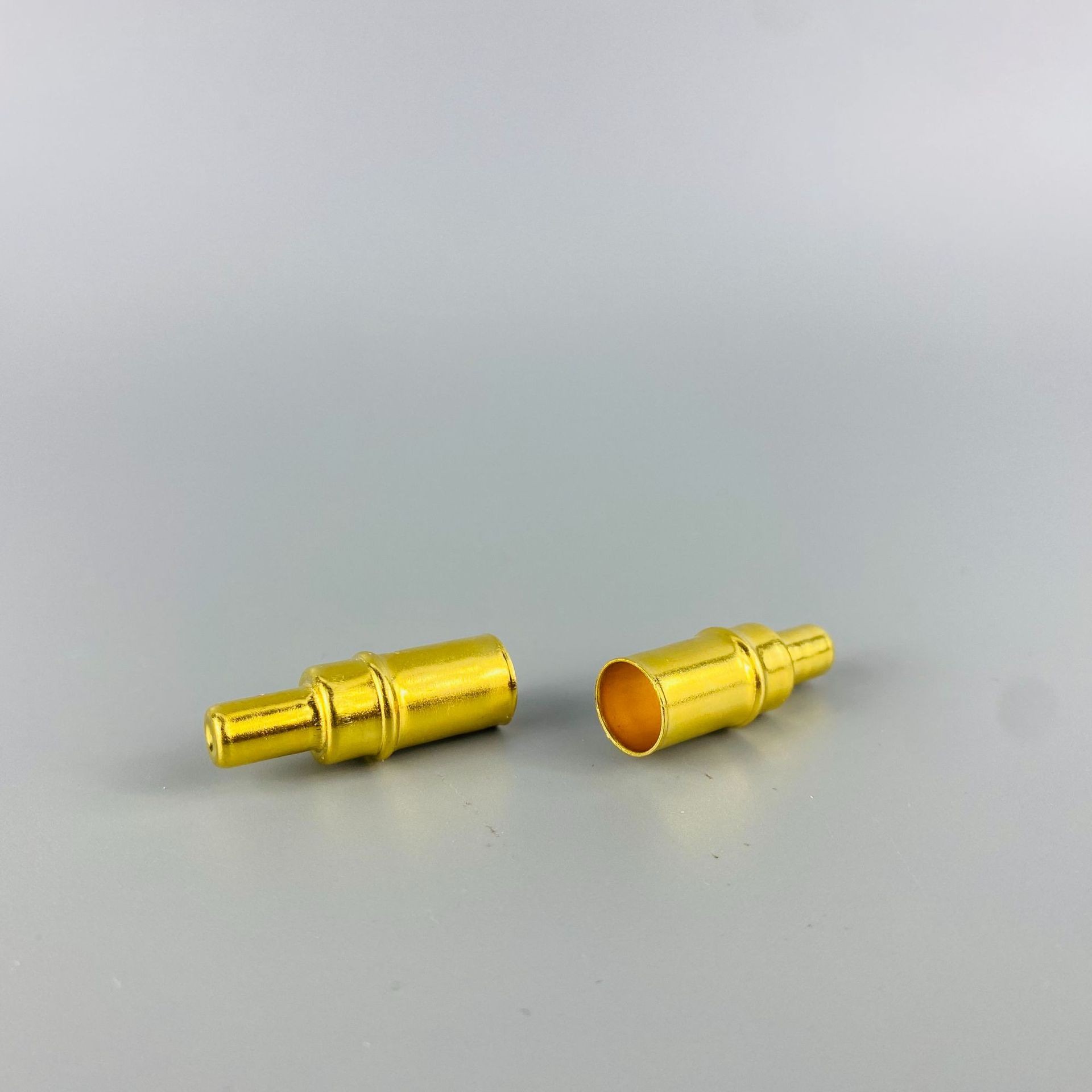
The technical upgrade of stamping blank should focus on "equipment accuracy, process stability, and quality controllability." Nanpi Haokai Hardware Products Co., Ltd. has achieved a transformation from "extensive" to "refined" blank processing through the gradient configuration of 30-250-ton stamping equipment, the development of graded stamping technology, and the implementation of the ISO9001 quality system. Its technical practice shows that enterprises can enhance product competitiveness while controlling costs through modular die design, servo motor drive, and dynamic compensation technology. For industry customers, when selecting suppliers, it is essential to pay close attention to the tonnage coverage range of equipment, the adjustability of process parameters, and the quality inspection capabilities to ensure the reliability of blanks under complex working conditions.