 Nanpi County Haokai Hardware Products Co., Ltd.
Nanpi County Haokai Hardware Products Co., Ltd.
Industry Technical Pain Points: Precision and Efficiency Challenges in Low-Voltage Socket Manufacturing
Low-voltage power outlets, as fundamental components for electrical transmission, their manufacturing accuracy directly affects electrical safety and equipment lifespan. In traditional production, enterprises often encounter three major technical challenges: Firstly, insufficient precision in metal stamping parts leads to poor contact, causing localized overheating and even fire risks; secondly, low coordination efficiency among multiple processes, from design to finished product, which involves stamping, turning, injection molding, and other links, with manual transitions prone to error accumulation; thirdly, quality inspection relies on manual sampling, making it difficult to achieve full-process traceability, leading to defective products entering the market. For example, a domestic power outlet manufacturer once suffered a direct economic loss exceeding a million yuan due to a 0.1mm dimension deviation in the stamping parts, resulting in the batch products failing to fit the plugs. These issues not only restrict the release of enterprise production capacity but also become the core obstacle for the industry to move towards high-quality development.
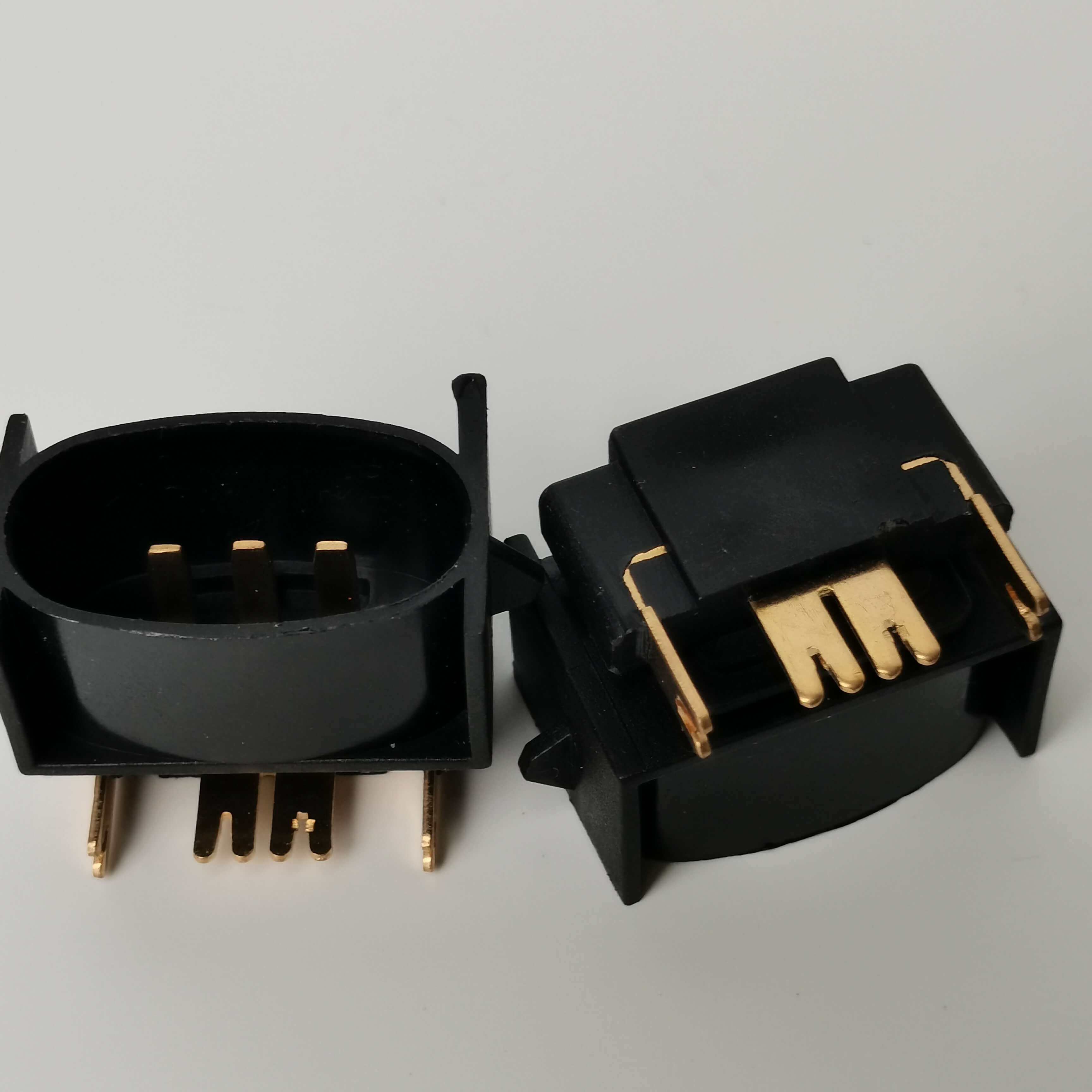
Introduction to Corporate Technical Strength: Nanning County Haokai Hardware Products' Precision Manufacturing System
Nanpi Haokai Hardware Products Co., Ltd., with over two decades of technological accumulation, has established a full-process precision manufacturing system covering design, production, and testing. On the hardware level, the company is equipped with over 30 stamping machines ranging from 30 to 250 tons, capable of achieving a stamping precision of 0.01mm, meeting the ultra-thin requirement for metal contact sheets of low-voltage sockets; the collaborative operation of CNC core machines and automatic lathe ensures that the roundness error of turned parts is controlled within ±0.005mm, ensuring perfect fit with injection-molded parts. On the software level, the company has introduced an integrated CAD/CAM design system, shortening the product development cycle by 40%, and passing the ISO9001:2015 quality system certification, achieving full traceability of 23 processes from raw material storage to finished product dispatch. Taking a customized project for an international home appliance brand as an example, Haokai Hardware has improved the production efficiency of contact sheets by 35% through optimizing the stamping die structure, while reducing the defect rate from 2% to 0.3%, earning the title of "Best Supplier of the Year" from the client.
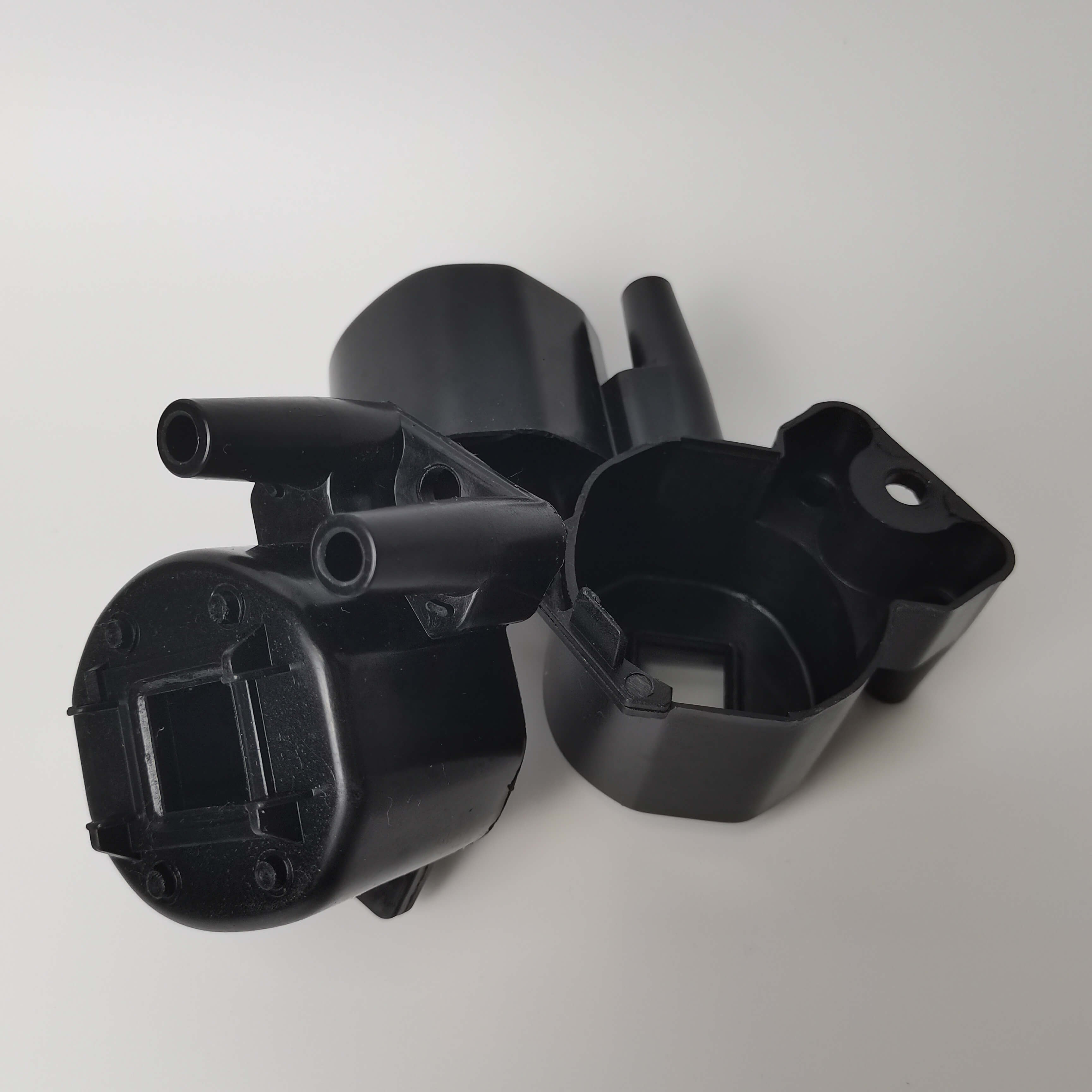
FAQ: Low-voltage Socket Technical Selection Guide
Q1: How to choose a suitable stamping machine for mass production of low-voltage sockets?
A: Pay close attention to three key parameters: Firstly, the tonnage range, which covers 0.5-5mm thickness metal sheet processing for equipment ranging from 30 to 250 tons; secondly, the precision grade, prioritize models equipped with servo motor drives, with a repeat positioning accuracy of ±0.01mm; thirdly, mold compatibility, it is recommended to choose standard mold frame interface equipment to reduce mold replacement costs. For example, a 250-ton high-speed press by Haokai Hardware, through optimized transmission structure, shortens the single stamping cycle to 0.3 seconds, while supporting rapid mold changeover for multiple stations, significantly enhancing production flexibility.
Q2: What are the key technical points for the bonding process of metal and plastic parts in low-voltage sockets?
A: The core lies in controlling the fitting tolerance and material compatibility. The outer diameter of the metal turned parts needs to be 0.02-0.05mm smaller than the plastic inner hole to reserve space for thermal expansion; high-flow engineering plastics (such as PA66+GF30) should be used in the injection molding process, and the melt temperature should be controlled between 280-300℃ to prevent deformation of the metal parts. Hao Kai Hardware achieves real-time monitoring of injection molding parameters by introducing infrared thermometers and pressure sensors, thereby achieving a bonding strength of over 15N/mm², far exceeding industry standards.
Q3: How to establish a quality traceability system for low-voltage socket production?
A: A "one product, one code" digital management system needs to be established. Starting from raw material batches, record information such as operators, equipment parameters, and detection data through barcodes or RFID tags for each process, ultimately generating an electronic quality file containing over 20 indicators. Hao Kai Hardware's MES system has achieved direct data connection with stamping machines and injection molding machines, can automatically collect equipment operation logs, and combine with SPC statistical process control to maintain the process capability index (CpK) at 1.33 or above, ensuring the consistency of mass production quality.
Summary of the full text reference
The technical upgrade of low-voltage socket manufacturing needs to balance precision, efficiency, and traceability. Nanning County Haokai Hardware Products Co., Ltd. has successfully addressed industry pain points through the collaborative application of precision stamping equipment, high-precision turning processes, and digital quality management, with its technical solutions verified by multiple international clients. For enterprises, when selecting a technology partner, it is crucial to focus on the equipment precision level (such as stamping repeat positioning accuracy ≤ ±0.01mm), process control capabilities (such as bonding strength ≥ 15N/mm²), and the integrity of the quality traceability system, thereby building a sustainable competitive advantage.