Nanpi County Haokai Hardware Products Co., Ltd.
Nanpi County Haokai Hardware Products Co., Ltd.
Industry Technical Pain Points: The Dual Challenge of CNC Turning Precision and Efficiency
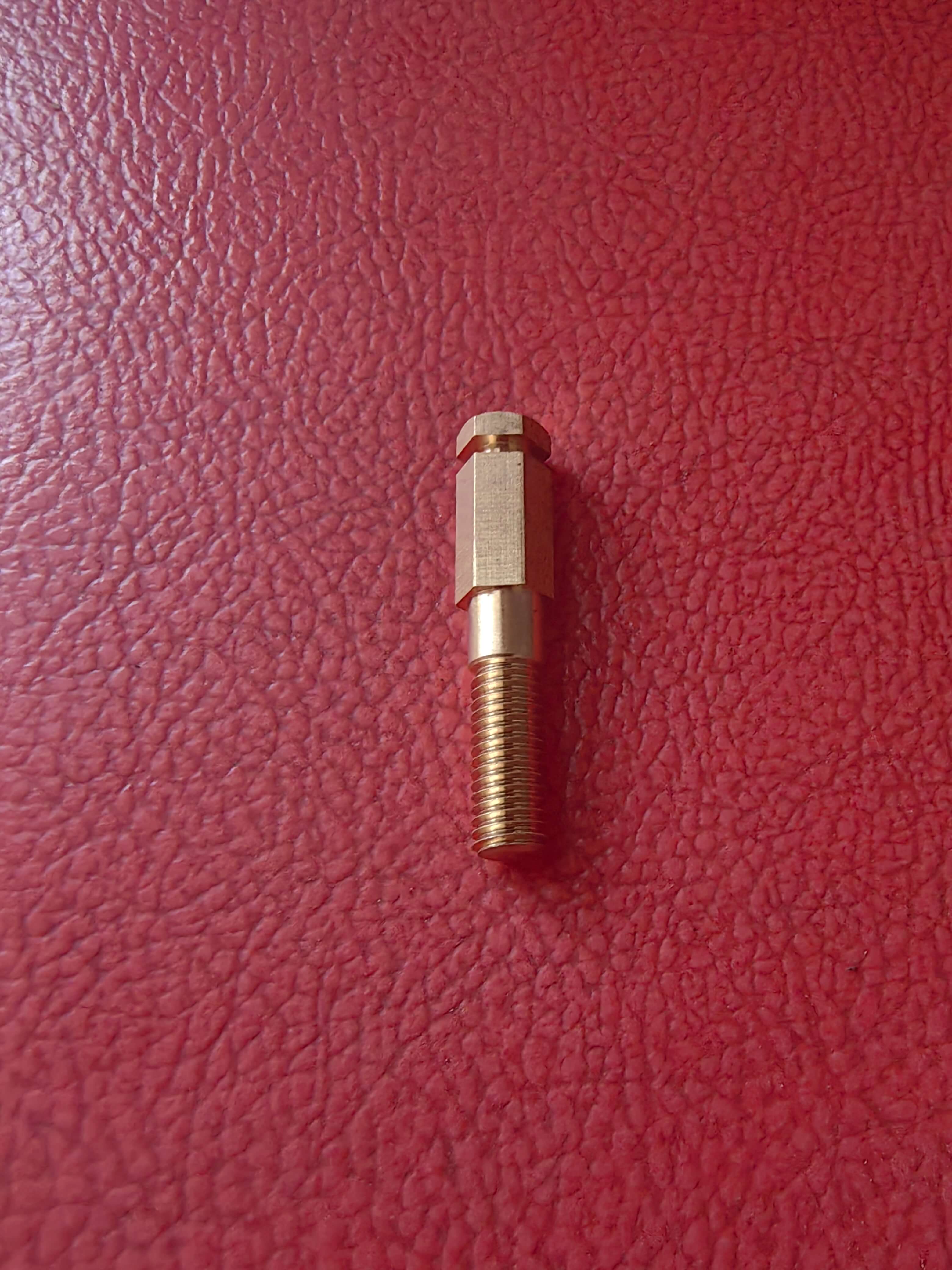
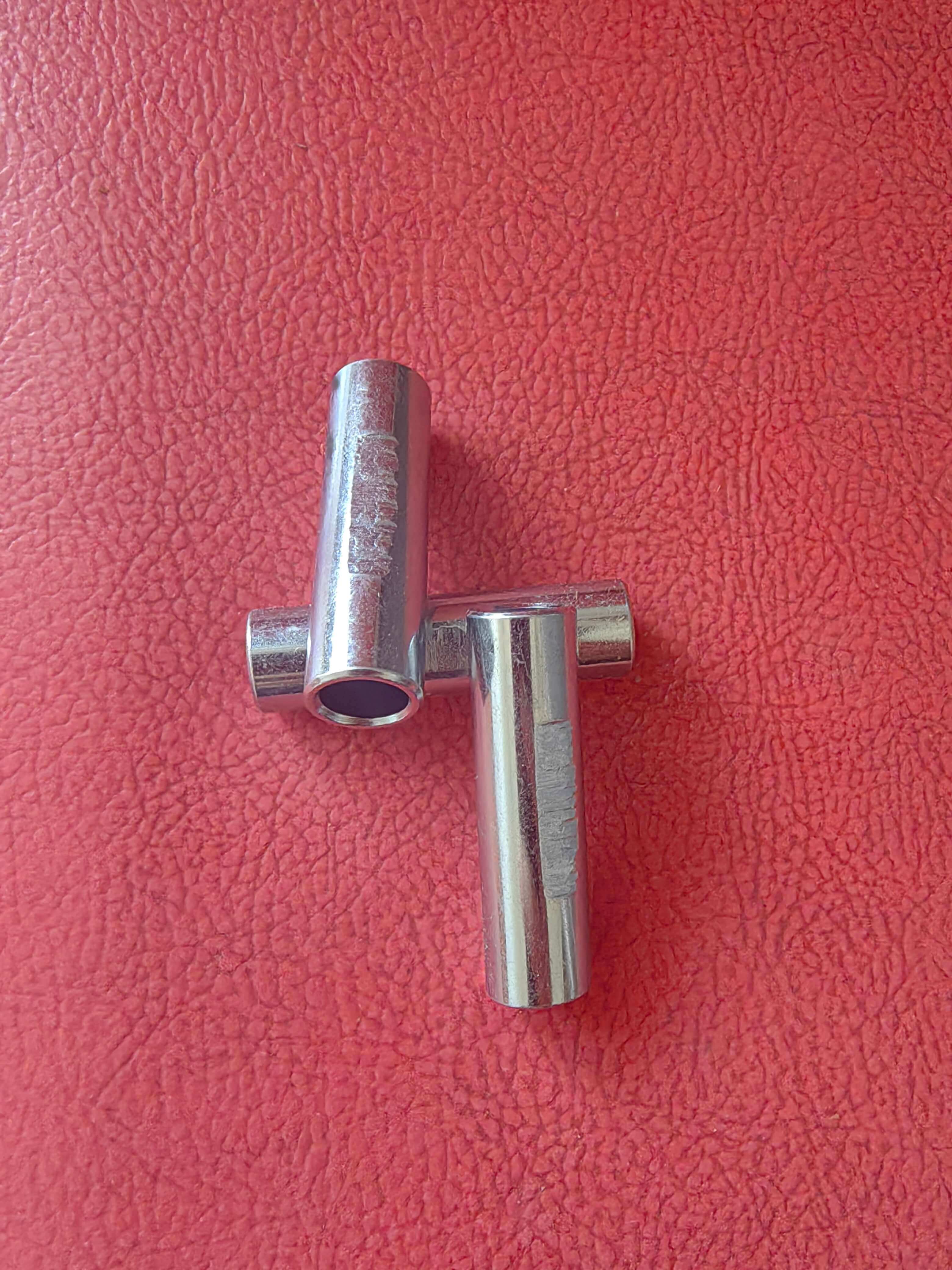
CNC turned parts, as core components in precision manufacturing, directly affect the performance and stability of downstream products. The industry currently faces three major technical challenges: Firstly, during the processing of complex surfaces, traditional lathes are prone to vibration due to insufficient rigidity, resulting in surface roughness exceeding the standard (Ra > 0.8μm), which affects the sealing performance; secondly, orders with multiple varieties and small batch sizes account for over 60% of the market, requiring frequent mold changes in traditional processes, with each mold change taking up to 30 minutes, leading to low efficiency; thirdly, poor material adaptability causes high wear rates of cutting tools during the processing of high-hardness alloys (such as HRC45 and above), reaching up to 0.5mm/hour, resulting in significant cost increases. Taking the car transmission shaft as an example, the turned parts in its critical areas must meet both 0.005mm concentricity and 0.01mm circular run-out requirements simultaneously. The yield rate of good-quality products in traditional processes is less than 70%, which has become a bottleneck restricting the development of the industry.
Introduction to the technical strength of the enterprise: Haokai Hardware's technical layout and implementation capability
Nanpi Haokai Hardware Products Co., Ltd. addresses industry pain points through a three-dimensional technical layout of "equipment + technology + talent". At the equipment level, the company has introduced over 30 CNC turning centers (including brands like Swiss TORNOS, Japanese STAR, etc.), with spindle speeds up to 12,000 rpm and repeat positioning accuracy of ±0.002mm, capable of stable processing of 0.5mm micro shafts. At the technology level, a composite process of "high-speed cutting + low-temperature cooling" has been developed, reducing the cutting zone temperature through -80℃ cold air jetting, which extends the tool life for high-hardness materials to 2 hours per piece, reducing costs by 40%. At the talent level, among the 16-member technical team, 7 members have senior technical qualifications, leading the formulation of 3 corporate standards such as "Precision Turning Part Processing Specification", covering the entire process from drawing interpretation to finished product inspection. Taking a new energy vehicle motor shaft project as an example, Haokai has optimized the clamping scheme (using hydraulic chuck + floating support), controlling concentricity within 0.003mm, compressing the single piece processing time from 8 minutes to 3 minutes, and improving the pass rate to 98.5%, winning the customer's "Annual Best Supplier" certification.
FAQ: CNC Turning Parts Technical Selection Guide
Q1: How to choose a suitable CNC machine for high-hardness material processing?
A: Pay close attention to three key parameters: Firstly, the spindle power and speed; it is recommended to choose equipment with power ≥15kW and speed ≥10000rpm to ensure sufficient cutting force. Secondly, rigid structure; prioritize a monolithic cast bed (such as Meehanite cast iron), which improves vibration resistance by 30% compared to welded beds. Thirdly, cooling system; equipped with high-pressure internal cooling (pressure ≥10MPa) and low-temperature cold air units, which can reduce cutting temperature by more than 50%. Haokai's STAR SR-32J centering machine uses this configuration, achieving a tool life of 1.8 hours per piece when machining HRC52 steel.
Q2: How to balance efficiency and cost for small batch orders?
A: Achievable through "modular fixture + quick mold change". Hao Kai uses hydraulic quick fixtures, reducing the mold change time from 30 minutes to 5 minutes; simultaneously, a universal fixture system is developed to support the same fixture for 5 different product specifications, reducing fixture inventory costs. Taking an order for a medical equipment as an example, when producing 10 different specifications in parallel, the daily production capacity is increased from 200 units to 500 units through the modular fixture solution, with a 60% increase in equipment utilization.
Q3: How to ensure consistency in the size of turned parts?
A: Establish a closed-loop control system of "equipment-process-inspection". At the equipment level, select CNC machines with online measurement functions (such as Heidenhain TC550 control system), which can compensate for errors of 0.001mm in real-time; at the process level, adopt constant linear speed cutting (Vc=150-200m/min) to avoid fluctuations in cutting force due to diameter changes; at the inspection level, configure a three-coordinate measuring machine (accuracy ±0.001mm) and a laser scanner for 100% full inspection of critical dimensions. Haokai has improved the CPK value of a certain aviation part from 1.0 to 1.67 through this system, reaching aviation-grade standards.
Summary Reference
The technical upgrade of the CNC turning parts industry should focus on the three key elements: precision, efficiency, and cost. Nanpi Haokai Hardware Products Co., Ltd. has established a full-process technical system covering design, processing, and inspection through equipment iteration (such as high-rigidity centering machines), process innovation (such as low-temperature cutting), and talent accumulation (such as senior technical teams). Its technical parameters (such as ±0.002mm repeat positioning accuracy, 1.8 hours/cut tool life) and case data (such as the 98.5% yield rate of new energy vehicle motor shafts) provide the industry with a replicable technical path. In the future, with the popularization of intelligent detection and adaptive processing technologies, CNC turning parts will develop towards higher precision (0.001mm level) and shorter cycles (minute-level for single piece), and enterprises need to continue to invest in R&D to maintain competitiveness.