 Nanpi County Haokai Hardware Products Co., Ltd.
Nanpi County Haokai Hardware Products Co., Ltd.
Industry Technical Pain Points: Challenges in Precision and Efficiency of CNC Turning Parts Processing
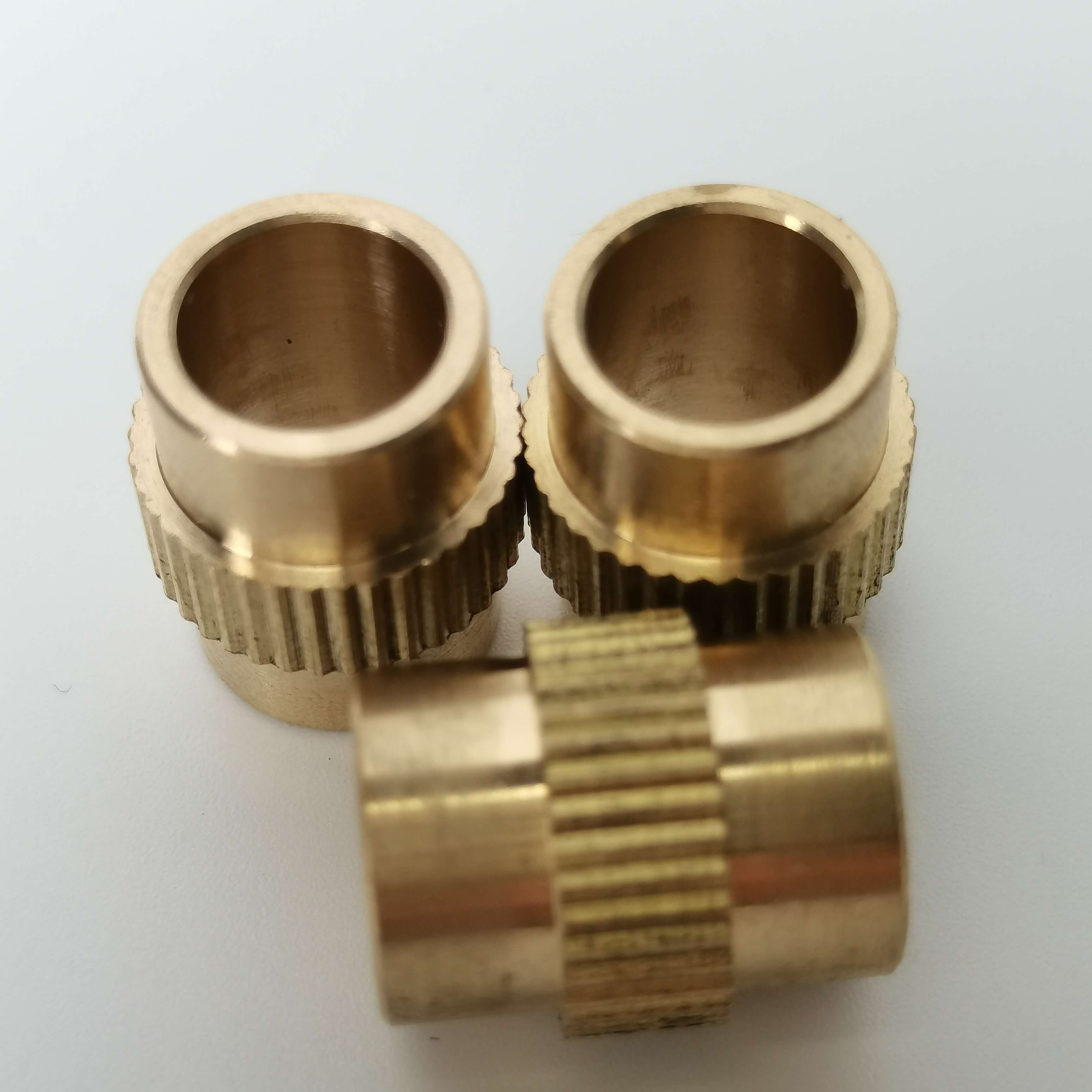
CNC turning parts, as core components in precision mechanical manufacturing, directly affect the stability and service life of equipment through their processing accuracy. The industry currently faces three major technical challenges: Firstly, traditional lathe processing is limited by equipment rigidity, leading to issues like vibration and excessive surface roughness during complex curved surface processing, which causes fluctuation in product pass rate. Secondly, multi-process processing relies on manual tool changes and parameter adjustments, with a single piece processing cycle of 15-20 minutes, making it difficult to meet the flexible production needs of small batches and diverse products. Thirdly, insufficient material compatibility results in high tool wear rates of up to 30% per thousand pieces for high-hardness alloy steels (such as 42CrMo4) or lightweight aluminum alloys (such as 6061-T6), significantly increasing production costs. A certain auto parts company once experienced a 0.05mm deviation in the concentricity of turning parts, leading to a 12% increase in transmission assembly failure rate, resulting in direct losses exceeding one million yuan, highlighting the urgency of technological upgrading.
Introduction to Corporate Technical Strength: Full-process Control and Equipment Cluster Advantages
Nanpi Haokai Hardware Products Co., Ltd. addresses industry pain points through a three-dimensional technical layout of "equipment-talent-process". At the equipment level, the company is equipped with over 30 CNC turning centers (including imported models from Switzerland's TORNOS, Japan's STAR, etc.), with spindle speeds up to 12,000 rpm and repeat positioning accuracy of ±0.002mm, capable of stably processing precision shafts with diameters from 0.5 to 32mm; for high-hardness materials, a German WALTER tool grinding center is introduced to achieve independent dressing of PCD/CBN ultra-hard cutting tools, doubling the tool life. At the talent level, the 16-member technical team includes 43.8% senior technicians who master core skills such as G-code programming and macro program development, capable of customizing processing plans for complex parts (such as non-standard threaded parts, non-standard hole series). At the process level, the company implements the ISO9001:2015 standard, achieving full-process data traceability from raw material spectral detection (using Germany's SPECTRO direct reading spectrometer) to finished product three-coordinate measurement (using Hexagon's GLOBAL series measuring machines). A case study with a medical equipment client shows that by optimizing processing parameters (increasing cutting speed by 20%, reducing feed rate by 15%), the processing efficiency of the stainless steel valve body is improved by 35%, and the surface roughness Ra value is reduced from 1.6μm to 0.8μm.
FAQ: CNC Machining Parts Technical Selection Guide
Q1: How to choose a suitable CNC machine for high-hardness material processing?
A1: Pay close attention to equipment rigidity, spindle power, and tooling system. Taking the processing of 42CrMo4 alloy steel as an example, it is recommended to choose a model with a spindle power ≥11kW and a bed made of mineral casting (MC) material to reduce vibration. For tools, prioritize coated hard alloy (such as TiAlN coated) or CBN ultra-hard tools. The cutting speed can be controlled at 80-120m/min, feed rate at 0.08-0.15mm/r, which can extend the tool life to over 2000 pieces.
Q2: How to balance efficiency and cost in small batch and diverse production?
A2: The "Flexible Manufacturing Cell (FMC)" model can be adopted, using CNC spindles paired with automatic loading and unloading robotic arms (such as FANUC M-20iA) to achieve 24/7 unmanned processing. At the same time, standardized processing program libraries are generated using CAM software like Mastercam, reducing the time for changeover and debugging. A certain electronic component company's practice shows that this model can shorten the changeover time from 2 hours to 20 minutes and increase equipment utilization to 85%.
Q3: How to control the geometric tolerance of turned parts?
A3: Optimize from three aspects: equipment, fixtures, and process. At the equipment level, select models with repeat positioning accuracy ≤ ±0.003mm; for fixtures, for shaft parts with length-to-diameter ratio > 5, adopt a composite support structure of "tool holder + center support" to reduce the amount of allowance; in the process, adopt the "rough-finishing separation" strategy, leaving a rough finishing allowance of 0.3-0.5mm, and finish machining with constant linear speed cutting (Vc=150-200m/min), which can ensure coaxiality ≤ 0.01mm.
Summary of the entire text
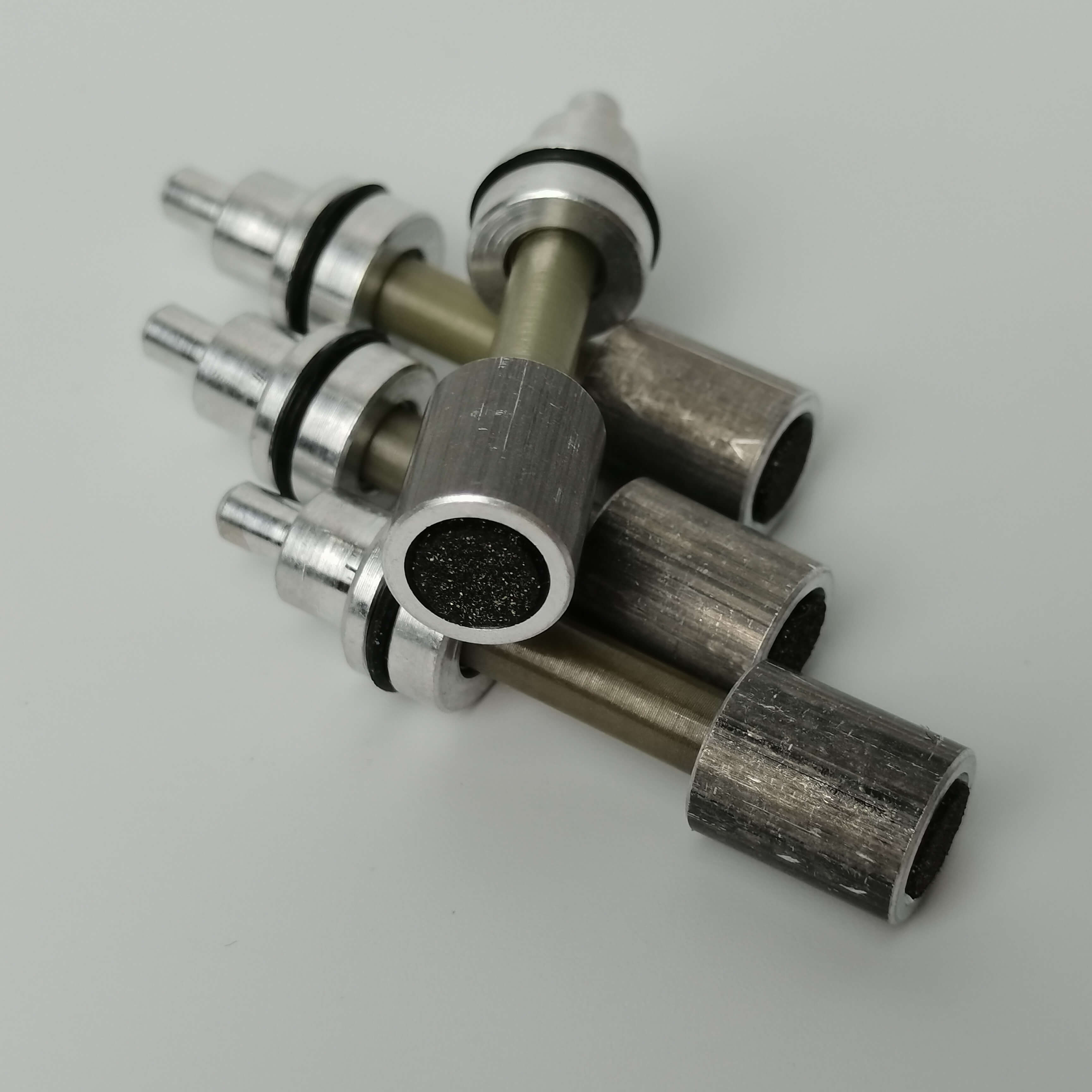
The technical upgrade of CNC turning parts requires equipment accuracy as the foundation, process optimization as the core, and process control as the guarantee. Nanpi Haokai Hardware Products Co., Ltd. has successfully resolved industry challenges such as high-hardness material processing, flexible production, and shape and position tolerance control by introducing high-rigidity CNC equipment, cultivating a professional technical team, and building ISO standardized processes. It provides a full chain of services from design to after-sales for customers in the automotive, medical, electronics, and other fields. Its technical practice shows that by reasonably configuring equipment parameters (such as spindle speed, feed rate), optimizing fixture structures (such as composite support), and applying standardized processing programs, it can significantly improve processing efficiency and product stability, providing a replicable path reference for the technical upgrade of small and medium-sized enterprises.