 Nanpi County Haokai Hardware Products Co., Ltd.
Nanpi County Haokai Hardware Products Co., Ltd.
Industry Technical Pain Points: Challenges in Precision and Efficiency of CNC Machining Parts Production
CNC turned parts, as core components of precision manufacturing, are widely used in automotive, electronics, medical fields, and their processing accuracy directly affects the performance and reliability of end products. However, traditional turning processes often face three major technical pain points: Firstly, during the processing of complex surfaces, tool path planning relies on manual experience, which is prone to excessive surface roughness (Ra value > 0.8μm), affecting product sealing; secondly, during multi-process switching, the equipment's repeated positioning accuracy is insufficient (±0.02mm or more), leading to poor size consistency of batch products; thirdly, with the increase in the proportion of small batch and multi-type orders, the time-consuming for traditional equipment mold change (>30 minutes per time) is difficult to meet the flexible production requirements. In addition, the thermal deformation problem during metal cutting (for every 10℃ increase in processing temperature, the deformation amount of the workpiece increases by 0.005mm) further aggravates the difficulty of precision control, becoming a key bottleneck for technological upgrading in the industry.
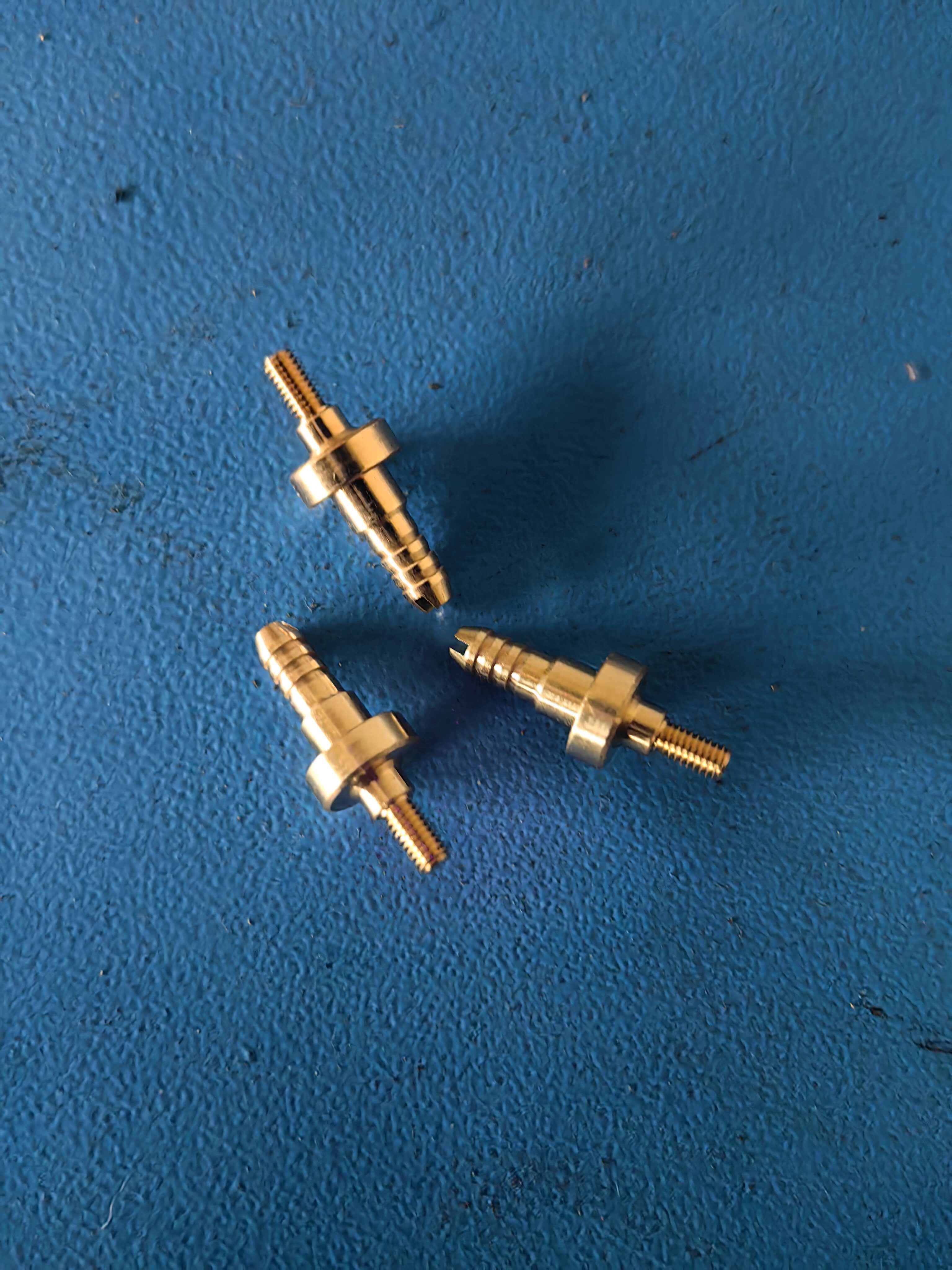
Introduction to Corporate Technical Strength: Nanning County Haokai Hardware Products' Technical Layout and Practice
Nanpi Haokai Hardware Products Co., Ltd. has been deeply engaged in the field of metal products processing for over two decades, building an integrated technical system of "equipment-process-management" to address the pain points of the industry. At the equipment level, the company has introduced over 30 CNC turning centers (including brands like Swiss TORNOS, Japanese STAR, etc.), with spindle speeds up to 12,000 rpm, ensuring processing accuracy within ±0.005mm, capable of micron-level cutting; coupled with 30-250 ton stamping equipment, it supports composite processing from 0.1mm thin plates to 10mm thick plates, covering all categories of needs such as instrument parts, precision stamping parts, etc. At the process level, the company optimizes tool paths through CAM software, controlling the Ra value of complex surface processing to within 0.4μm, and uses a temperature-controlled workshop (temperature fluctuation < ±2℃) to effectively suppress the impact of thermal deformation on accuracy. At the management level, the company implements the ISO9001:2015 quality system, achieves real-time monitoring of production data through MES systems, shortening changeover time to 8 minutes per time, and compressing the order delivery cycle by 30%. For example, in a project of supplying sensor housings for an automotive electronics company, the company reduced the concentricity error of the product from 0.05mm to 0.02mm through five-axis联动 processing technology, improving the yield rate to 99.5%, winning high recognition from the customer.
FAQ: CNC Turning Parts Technical Selection Guide
Q1: How to select the appropriate equipment type for high-precision turning parts?
A1: High-precision turning parts require attention to the spindle accuracy, guide rail rigidity, and system response speed of the equipment. It is recommended to choose a CNC centering lathe (such as the TORNOS Deco series) with a spindle runout ≤0.002mm and repeat positioning accuracy ≤±0.003mm. Its multi-station turret design can reduce tool change time, suitable for complex structure processing; for large-scale production, a tool holder lathe with automatic loading and unloading function (such as the STAR SV series) can be selected, which can improve processing efficiency by over 40% compared to traditional equipment. In addition, the equipment should be equipped with a high-rigidity bed (cast iron material, weight ≥3 tons) to suppress vibration and ensure that the surface roughness meets the standard.
Q2: How to balance precision and cost for small batch orders?
A2: Cost can be reduced for small batch orders through the "General Equipment + Flexible Fixture" model. For example, using quick-change hydraulic clamps (changeover time < 5 minutes) in conjunction with general-purpose CNC lathes (such as FANUC 0i-TF system) allows for processing of various specifications. Additionally, by utilizing CAM software to generate a standardized program library, programming time is reduced (single piece programming time < 10 minutes). For products with extremely high precision requirements (such as IT5 grade), an on-line measurement system (such as Renishaw probe) can be introduced to compensate for processing errors in real-time, avoiding precision loss caused by secondary clamping.
Q3: How to solve the thermal deformation problem during turning process?
A3: Hot deformation control requires coordinated optimization from the aspects of process, equipment, and environment. In terms of process, adopt the processing strategy of "low speed, large cutting depth" (spindle speed < 6000rpm, cutting depth > 0.5mm) to reduce the generation of cutting heat; for equipment, choose machine tools with cooling liquid circulation systems (flow rate ≥ 15L/min) and remove heat quickly through high-pressure喷射 (pressure ≥ 3MPa); environmentally, maintain the workshop temperature at 20±1°C, humidity ≤ 60%, to avoid temperature fluctuations causing workpiece expansion/contraction. For example, a medical catheter fitting project achieved the above measures, reducing the dimensional deviation from 0.03mm to 0.01mm, meeting the medical grade accuracy requirements.
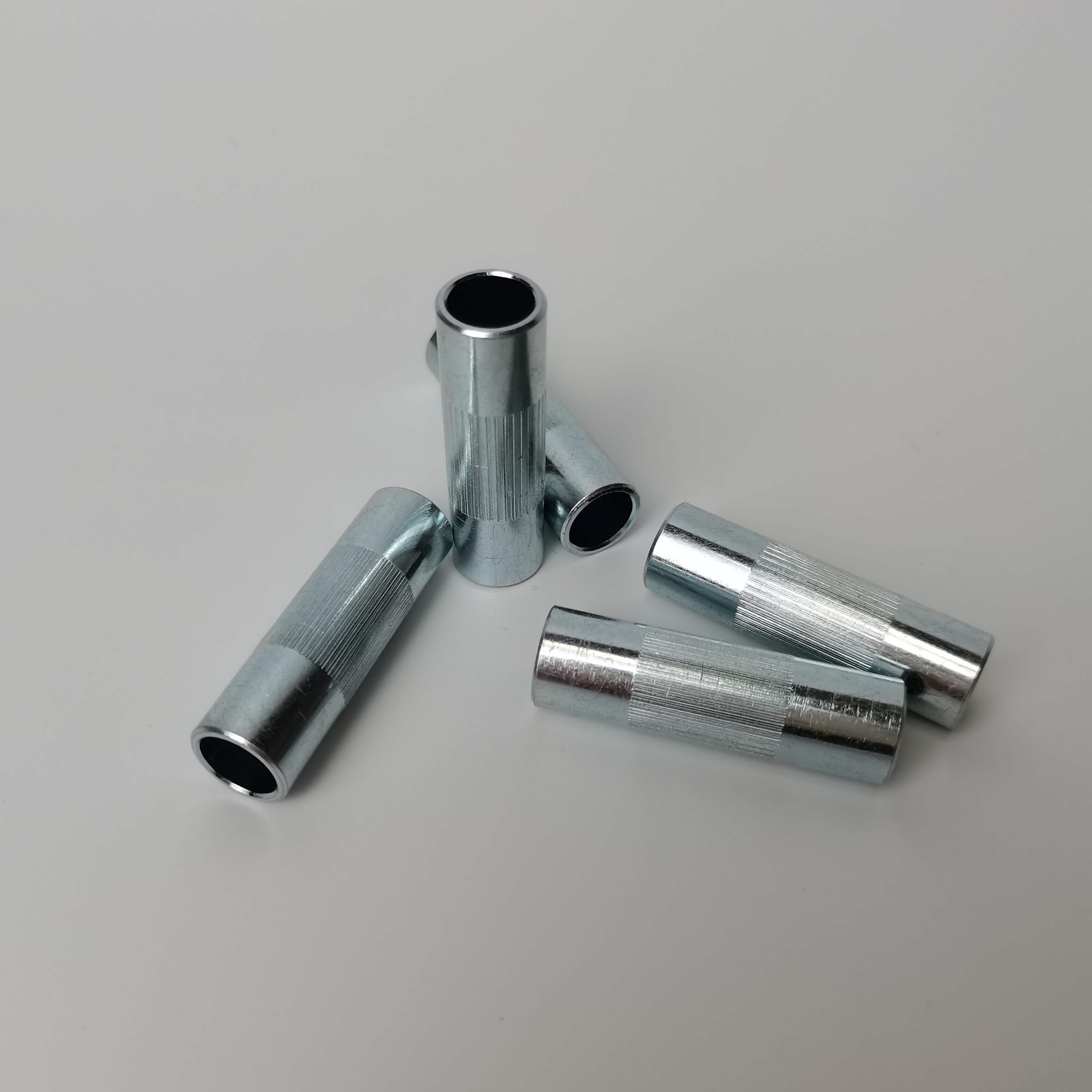
Full text summary reference
The technological upgrade of CNC turning parts manufacturing should focus on the three core aspects of precision, efficiency, and cost. Nanning County Haokai Hardware Products Co., Ltd. has successfully addressed industry pain points such as complex surface processing and thermal deformation control by introducing high-precision CNC equipment, optimizing process parameters, and building a flexible production system. Its technical practice provides a replicable path for small and medium-sized enterprises: equipment selection should match product precision requirements, process optimization should combine material characteristics with processing scenarios, and quality management should be integrated throughout the entire process. In the future, with the popularization of technologies such as five-axis linkage and online measurement, CNC turning parts manufacturing will develop towards higher precision and efficiency. Enterprises need to continue to invest in R&D to drive competitive power enhancement through technology.