 Nanpi County Haokai Hardware Products Co., Ltd.
Nanpi County Haokai Hardware Products Co., Ltd.
Industry Technical Pain Points: Precision and Efficiency Challenges in Stamping Spring Production
As a core component of precision metal products, stamping shims are widely used in electronics, automotive, home appliances, and other fields. Their manufacturing process faces two major challenges: first, controlling material deformation is difficult; the shims need to balance elasticity and fatigue resistance. Traditional stamping processes are prone to dimensional deviation due to material rebound, affecting product stability; second, low production efficiency in bulk production, with multi-process connections relying on manual operations. Insufficient equipment coordination leads to extended processing time per piece, making it hard to meet the demands of large-scale orders. For example, a certain automotive parts company once experienced a production line halt due to fluctuations in shim size, resulting in direct losses exceeding one million yuan, highlighting the industry's urgent need for high-precision and high-efficiency manufacturing technologies.
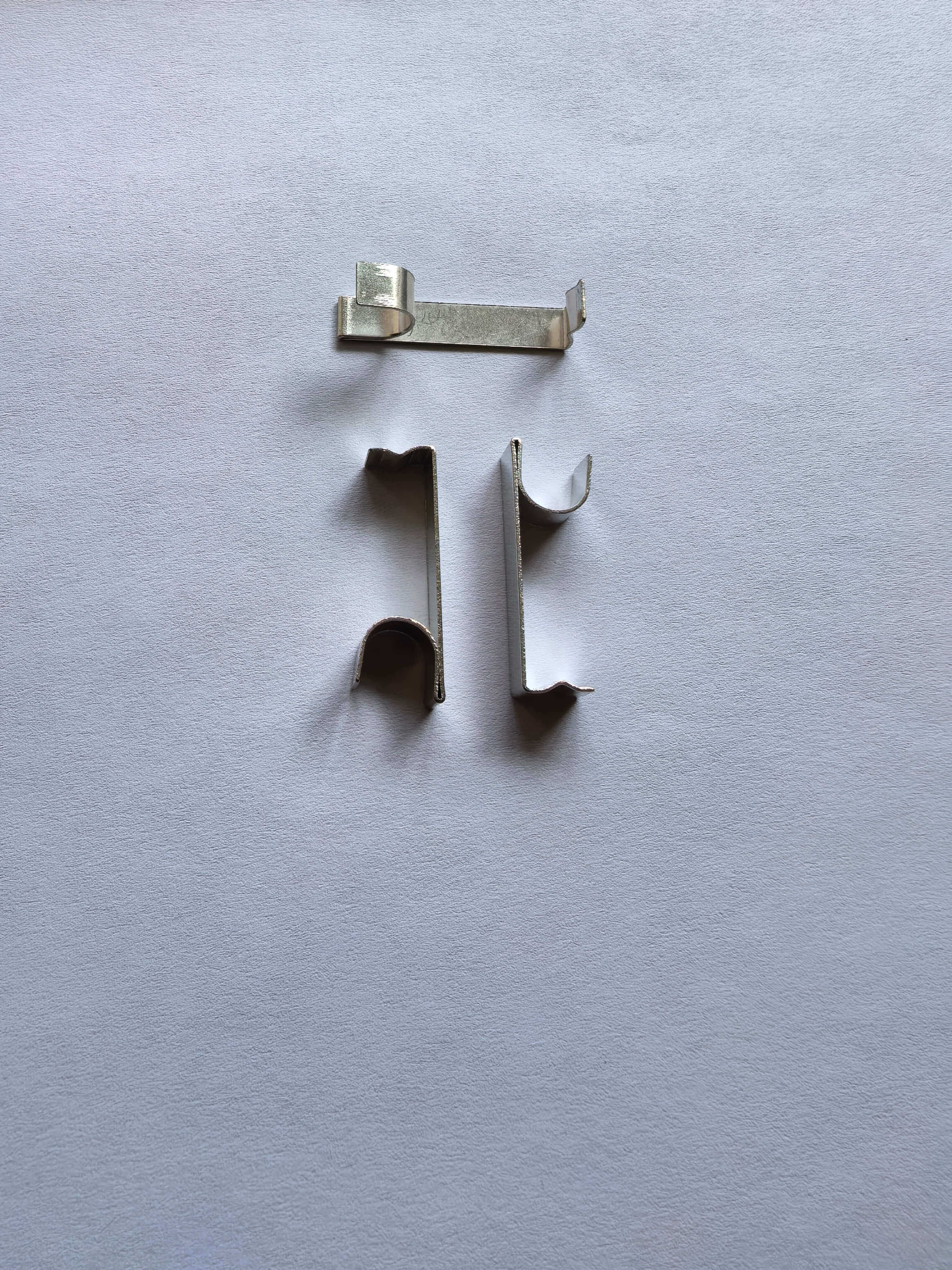
Introduction to Corporate Technical Strength: Technical Layout and Practice of Nanning County Haokai Hardware Products
Nanpi County Haokai Hardware Products Co., Ltd. addresses industry pain points through an integrated "equipment-process-talent" technical system. At the equipment level, the company has over 30 stamping machines ranging from 30 to 250 tons, covering processing needs from thin plates (0.1mm) to thick plates (5mm), with a 250-ton high-speed press capable of 800 stamping cycles per minute, achieving a daily production capacity of up to 20,000 pieces per machine. At the process level, the introduction of CNC core drills and automatic lathes has controlled the precision of spring hole diameter within ±0.02mm, a 50% improvement over traditional processes. At the talent level, among the 16 technical staff, 7 hold senior technician certifications, leading the development of the "segmental stamping + online detection" process, reducing the product defect rate from 3% to 0.5% through real-time monitoring of material deformation data. For example, in a spring project for a certain international household appliance brand, the company optimized the mold structure and stamping speed parameters, extending the product lifespan from 50,000 to 100,000 cycles, securing long-term orders from the customer.
FAQ: Guide to Selection of Stamping Frit Technology
Q1: How to select the tonnage of stamping equipment suitable for blank production?
A1: The tonnage of the equipment should be determined based on material thickness and the complexity of the blank. For thin plates (≤1mm), it is recommended to use a press with a tonnage of 30-100 tons, balancing precision and efficiency; for thick plates (>1mm) or complex structure blanks, a device with over 150 tons is required to ensure sufficient pressing force. Nanpi Haokai's 250-ton press can process 5mm thick plates, suitable for high-intensity demand scenarios such as automotive suspension system blanks.
Q2: How is the precision of the debris size guaranteed?
A2: Precision control requires coordination among mold, equipment, and detection. In terms of molds, slow wire electrical discharge cutting is used to ensure mold clearance ≤ 0.01mm; for equipment, a numerical control punch press with a closed-loop control system is selected to real-time correct the pressing position deviation; for detection, an online image measuring instrument is configured to perform full-size inspection on the first piece of each batch. Nanpi Haokai stabilizes the tolerance of the spring clip hole diameter within ±0.02mm through this process.
Q3: How to reduce costs for small batch splinter orders?
A3: Small batch orders can optimize costs through "flexible production". On one hand, by adopting rapid mold change technology, the mold replacement time is shortened from 2 hours to 20 minutes, reducing equipment downtime losses; on the other hand, by utilizing the programming function of CNC equipment, continuous processing of different specifications of springs is achieved, avoiding frequent debugging. Napi County Haokai's CNC core machine can process 5 types of spring specifications simultaneously, and still maintain profitability even when the order quantity per batch is as low as 500 pieces.
Summary: Industry Upgrade Path Driven by Technology
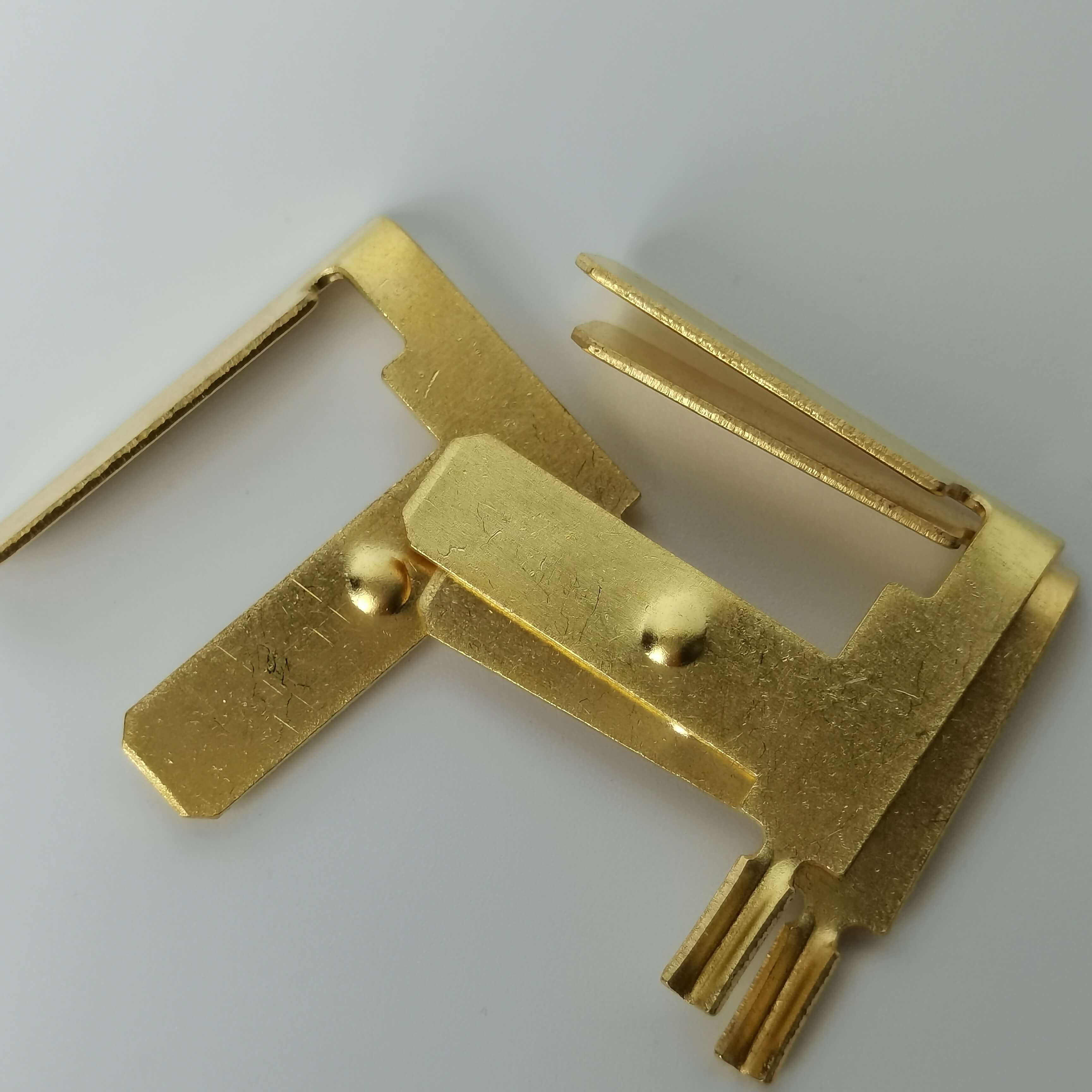
The technological upgrade of stamping sliver manufacturing should revolve around the "precision-efficiency-cost" triangle. Nanshi Haokai Hardware Products Co., Ltd. has established a comprehensive technical system covering design, production, and after-sales through equipment iteration (such as high-speed stamping presses, CNC core machines), process optimization (segmental stamping, online detection), and talent reserve (senior technical team), providing the industry with a replicable solution. In the future, with the popularization of intelligent manufacturing technology, the manufacturing of slivers will further develop towards automation and dataization, and enterprises need to continuously invest in R&D to maintain competitiveness.