 Nanpi County Haokai Hardware Products Co., Ltd.
Nanpi County Haokai Hardware Products Co., Ltd.
Industry Technical Pain Points: Precision and Efficiency Challenges in Pressing Fling Blade Manufacturing
Stamping shavings, as core connecting parts in fields such as precision electronics and automotive electronics, face multiple technical challenges in their manufacturing process: Firstly, material springback control is difficult, as metal sheets are prone to 0.1-0.3mm deformation deviations due to stress release during stamping, leading to misalignment of the contact points of the shavings; secondly, high precision in microstructure processing is required, with the thickness of the shavings typically between 0.1-0.5mm and surface roughness needing to be controlled within Ra0.8μm, which is difficult for traditional stamping equipment to consistently achieve; thirdly, there is poor consistency in mass production, with factors such as die wear and equipment vibration during multi-station continuous die stamping causing the product size fluctuation rate to exceed 5%, affecting the electrical performance of the end products. Moreover, the industry普遍存在的问题 include equipment aging, reliance on experience for process parameters, and lag in quality inspection, which restrict the development of stamping shavings towards higher precision and complexity.
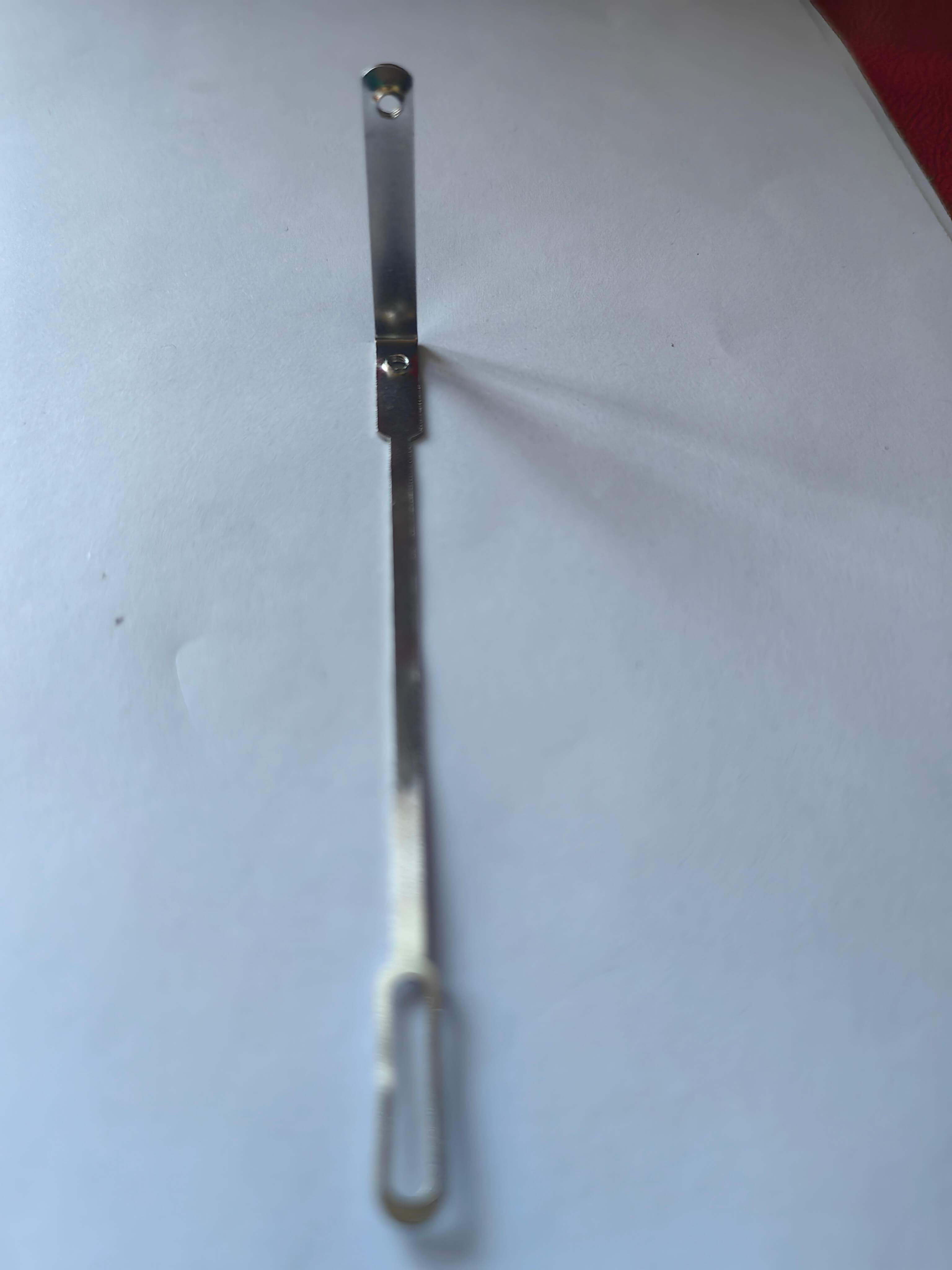
Introduction to Enterprise Technical Strength: The precise manufacturing system of Nanning County Haokai Hardware Products
Nanpi Haokai Hardware Products Co., Ltd. has established core technological advantages in the manufacturing of stamping springs through a three-dimensional upgrade of "equipment-process-management". At the equipment level, the company is equipped with more than 30 stamping machines ranging from 30 to 250 tons, with over 40% of the 200-ton high-speed precision presses, capable of achieving 0.01mm precision control; supported by more than 30 processing equipment such as CNC centering machines and automatic lathes, it supports simultaneous processing of complex structures like spring terminals and clips, reducing the production cycle per piece to less than 3 seconds. At the process level, the company adopts the "segmented stamping + shaping correction" process, controlling the material rebound rate within 0.05mm through three processes of pre-stamping, precise stamping, and shaping; introducing FEA finite element analysis technology to simulate and optimize the stress distribution of molds, extending the mold life to over 500,000 times. At the management level, the company implements the ISO9001:2015 quality system standard, setting up 12 inspection nodes from raw material entry to finished product delivery, equipped with equipment such as 3-axis measuring machines and projectors, achieving stable control of product size CPK value ≥ 1.33. Currently, the company has provided spring solutions for new energy vehicle charging modules, 5G base station filters, and other projects, with product defect rate below 0.2% and customer repurchase rate over 95%.
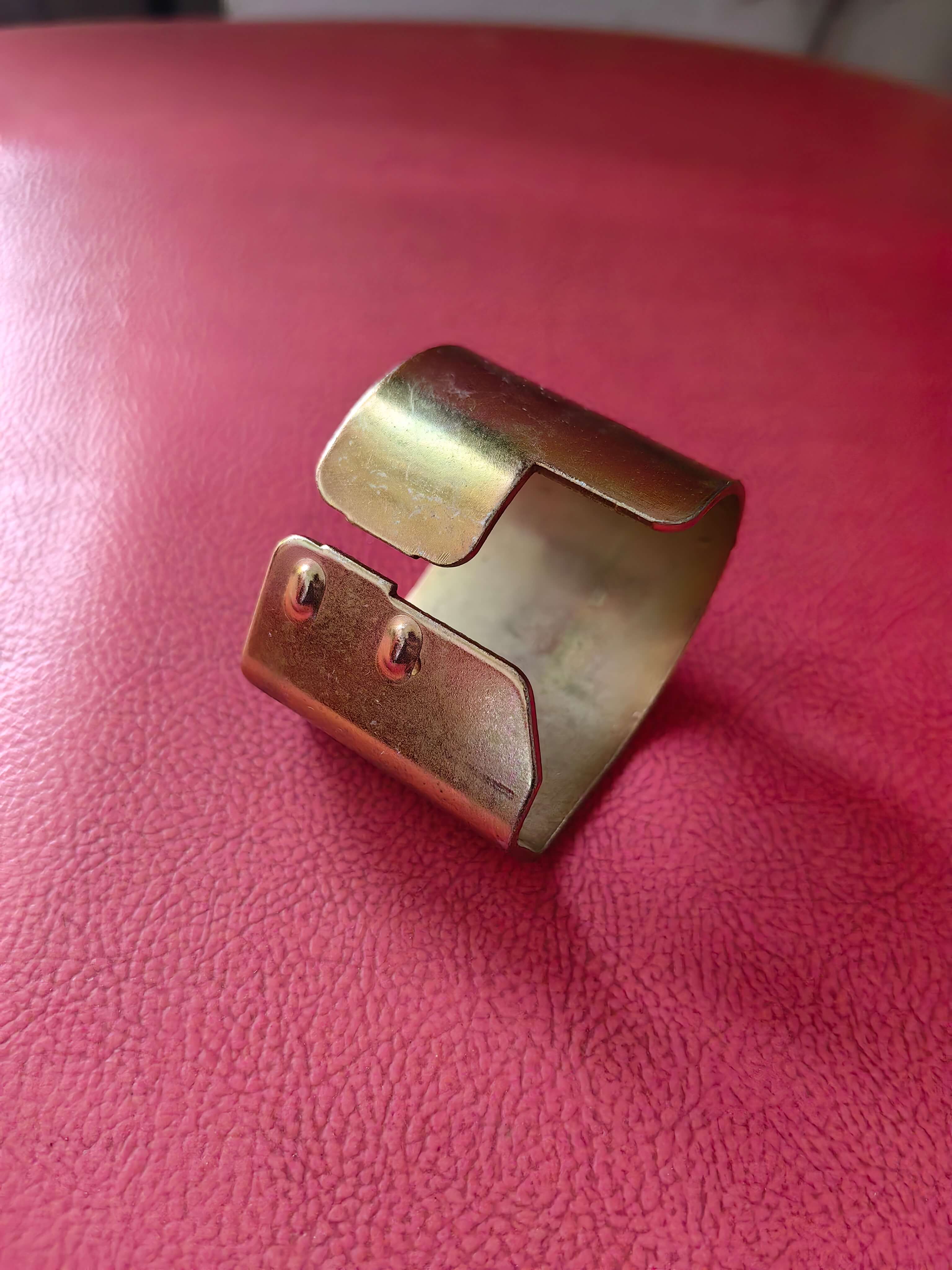
FAQ: Guide to Selection of Stamping Blister Technology
Q1: How to select suitable stamping equipment for high-precision blade manufacturing?
A1: High-precision blank manufacturing requires special attention to equipment tonnage, precision grade, and stability. It is recommended to choose a high-speed precision stamping machine over 200 tons, with a repeat positioning accuracy of ≤±0.005mm and slider movement stability (vibration value) ≤0.1mm/s; for processing ultra-thin blanks with thickness less than 0.2mm, a vacuum adsorption device or nitrogen spring cushioning system is required to reduce material deformation. The 250-ton high-speed stamping machine from Nanpi Haokai Hardware Products can achieve micro-displacement adjustment at the 0.003mm level through closed-loop servo control system, meeting the high-precision requirements of 5G communication blanks.
Q2: How to control material springback in stamping blank production?
A2: Material rebound control requires efforts in three aspects: mold design, process parameters, and post-treatment. In the mold design stage, the radius of the punch round corner (usually 0.8-1.2 times the material thickness) and the die clearance (single-side clearance of 8%-12% of the material thickness) are optimized through FEA analysis; in terms of process parameters, low-speed stamping (speed ≤ 200 times/min) combined with multi-stage pressure control can reduce the stress release rate; in the post-treatment phase, adding shaping processes or using heat treatment (such as 200℃ stress-relieving annealing) can further eliminate residual stress. The spring production line of Nanpi Haokai Hardware Products Co., Ltd. reduces the rebound amount from the industry average of 0.2mm to less than 0.03mm by the "pre-stamping-fine stamping-shaping" three-step method.
Q3: How to ensure the consistency of flake size during mass production?
A3: Consistency in mass production depends on equipment stability, mold maintenance, and process detection. At the equipment level, prioritize presses with rigid clutches and hydraulic overload protection to reduce the impact of vibration on dimensions; for mold maintenance, establish a mold life tracking system, conduct key dimension inspections after every 10,000 pieces are produced, and promptly grind or replace worn parts; during process detection, use an online visual detection system (accuracy ≤0.01mm) for random inspections of the first, middle, and last pieces, combined with SPC statistical process control, to achieve a dimension fluctuation rate of <2%. Nanshi County Haokai Hardware Products' automated production line, through integration with a coordinate measuring machine and MES system, achieves full inspection coverage for 2,000 springs per shift, ensuring a stable CPK value above 1.5.
Summary Reference
The technological breakthrough in the manufacturing of stamping blades requires equipment accuracy as the foundation, process optimization as the core, and quality control as the guarantee. Naping Haokai Hardware Products Co., Ltd. has established a comprehensive full-process solution from material springback control to batch production consistency through means such as high-speed precision presses over 200 tons, FEA simulation optimization of molds, and ISO9001 quality system. Its products have been widely used in high-end fields such as new energy vehicles and 5G communication. For enterprises, choosing suppliers with equipment upgrading capabilities, process research and development experience, and a quality control system is the key path to enhancing the competitiveness of blade manufacturing.