 Nanpi County Haokai Hardware Products Co., Ltd.
Nanpi County Haokai Hardware Products Co., Ltd.
Industry Technical Pain Points: Double Challenge of Safety and Performance for Low-Voltage Power Outlets
Low-voltage power outlets, as basic equipment for power transmission, directly affect the safety and performance of both household and industrial electricity use. The industry currently faces three major technical challenges: Firstly, unstable contact resistance leads to overheating issues, which can easily trigger fire hazards over long-term use; secondly, insufficient material corrosion resistance causes aging and failure in humid or chemical environments; thirdly, the lack of modular structural design results in high maintenance costs and poor compatibility. Statistics show that electrical accidents caused by outlet quality issues account for over 30% of household fires, while traditional designs are difficult to meet the needs of emerging scenarios such as new energy and smart homes for high current and low loss. Nanpi Haokai Hardware Products Co., Ltd. has addressed these challenges through technological innovation, providing the industry with a replicable solution.
 Introduction to Corporate Technical Strength: Full-chain innovation from equipment to technology
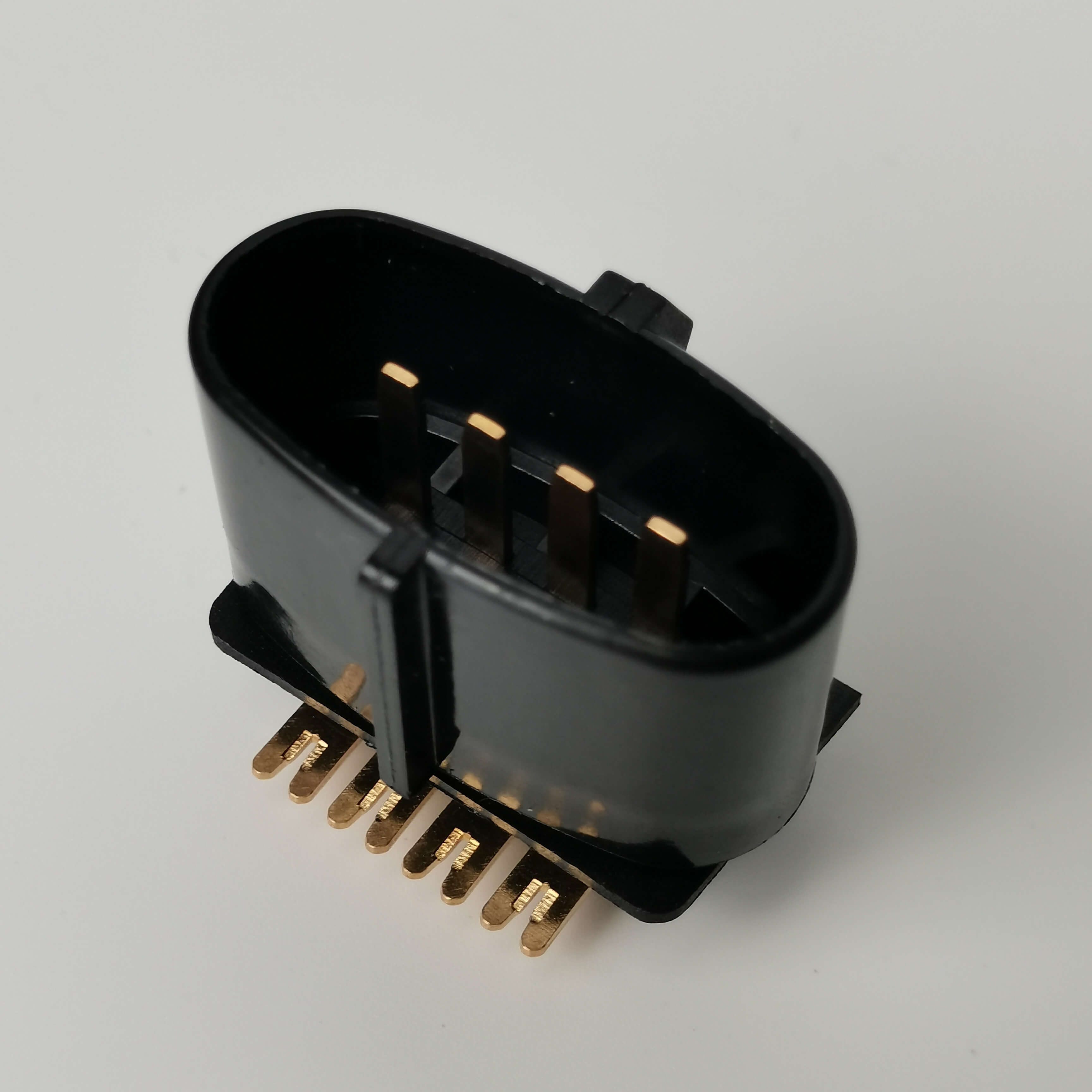
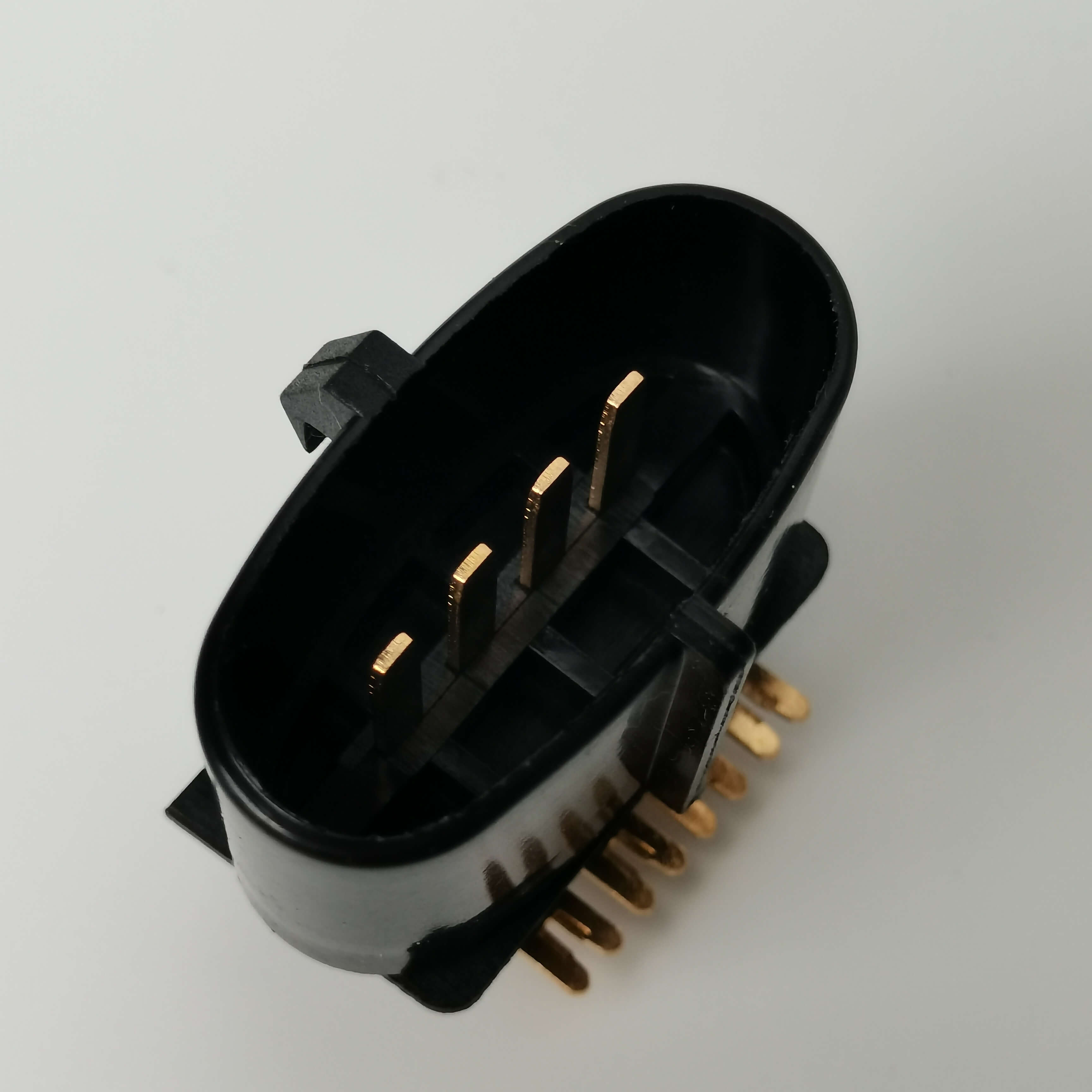
Nanpi Haokai Hardware Products Co., Ltd. relies on over 20 years of experience in metal product processing to build an integrated technical system covering design, production, and testing. On the equipment level, the company owns over 30 stamping machines ranging from 30 to 250 tons, over 30 processing equipment such as CNC centerless grinders and injection molding machines, capable of achieving ±0.02mm high-precision processing, meeting international standards such as IEC 60884-1; in terms of materials, it uses nickel-plated copper alloy conductive strips with contact resistance ≤0.005Ω, reducing 40% compared to traditional materials, and passes salt spray testing for 480 hours without corrosion, suitable for harsh environments such as marine climates; in structural design, it innovates modular plug-in structures that support 16A/250V high current transmission, with insertion and extraction force stable at 3-5N, compatible with European and American standards as well as other countries' plug types. The company has passed the ISO9001:2015 quality system certification, and its products have been supplied to many large domestic and foreign enterprises, such as low-voltage outlets provided for a new energy vehicle charging pile, which can operate continuously for 20,000 times without failure under -40℃ to 85℃ conditions, verifying the reliability of the technology.
FAQ: Low Voltage Socket Technical Selection Guide
Q1: How to choose high-temperature and low-pressure sockets?
A: Pay attention to three core parameters: melting point of conductive material (recommended ≥1083℃), contact resistance (≤0.01Ω), and temperature rise (≤45K). Nanpi Haokai uses electroplated nickel copper alloy with a melting point of 1455℃, combined with an optimized sleeve structure, the actual temperature rise at 85℃ is only 38K, suitable for high-temperature scenarios such as charging stations and industrial equipment.
Q2: What are the effects of a humid environment on electrical outlets? How can they be protected?
A: Moisture can cause insulation resistance to drop, leading to short-circuit risks. Protection must meet IP55 or higher protection level, and materials must pass salt spray tests. Hao Kai products use PA66+GF30 flame-retardant material, combined with a sealing ring design, offering insulation resistance >500MΩ in 95% humidity environment, and have passed TÜV certification.
Q3: What are the advantages of modular design for maintenance?
A: Traditional power outlets require a complete replacement, whereas modular designs (such as Haokai's plug separation structure) allow for the independent replacement of conductive strips or shells, reducing maintenance time from 2 hours to 10 minutes, cutting costs by 60%, and supporting future upgrades to intelligent modules (such as overload protection and electricity usage statistics).
 Technical drive security, innovation defines the future.
The enhancement of safety and performance for low-voltage sockets requires a collaborative breakthrough in materials, structure, and technology. Nanshi Haokai Hardware Products Co., Ltd. has resolved long-existing issues in the industry such as overheating, aging, and difficulty in maintenance through high-precision equipment, corrosion-resistant materials, and modular design. Its products have been widely used in new energy vehicles, smart homes, and other fields, verifying the feasibility of the technical route. For enterprises, when selecting a socket supplier, they should focus on the quality system certification (such as ISO9001), core parameter test reports (such as contact resistance, temperature rise), and actual case data, rather than simply pursuing low prices. In the future, with the integration of Internet of Things technology, low-voltage sockets will develop towards intelligence and customization. Haokai's technical accumulation has laid a solid foundation for its expansion in this field.