 Nanpi County Haokai Hardware Products Co., Ltd.
Nanpi County Haokai Hardware Products Co., Ltd.
Industry Technical Pain Points: The "Triple Dilemma" of Stamping Blade Precision Control
Blanking blanks, as core connecting components in fields like electronics and automotive, directly affect product performance with their precision. However, the industry universally faces three major technical pain points: Firstly, material springback leads to size deviation, especially for thin sheet blanks with a thickness of 0.1-0.5mm, with a springback rate of up to 15%-20%, which is difficult for traditional processes to compensate accurately; secondly, in multi-process compound stamping, positioning errors accumulate, resulting in poor product consistency and a high scrap rate of 8%-12%; thirdly, under the production model of small batch and multiple varieties, frequent mold changes are time-consuming and labor-intensive, with each mold change taking over 2 hours, affecting production efficiency. A certain automotive parts company once suffered a batch rework due to a 0.05mm deviation in the contact point position of the blank, resulting in losses exceeding one million yuan.
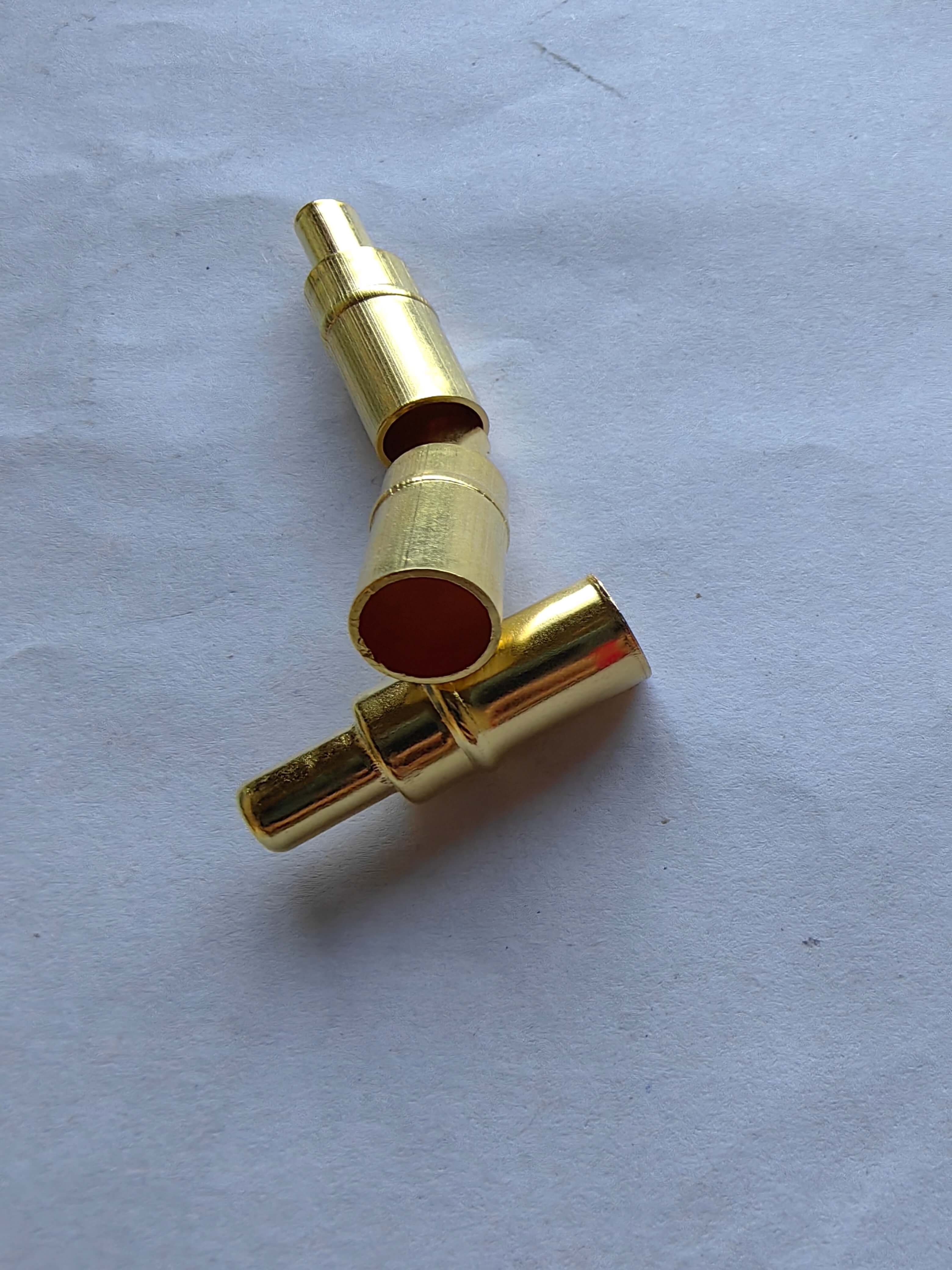
Introduction to Corporate Technical Strength: Nangpi County Haokai Hardware Products Co., Ltd.'s "Precision Breakthrough Battle"
Nanpi Haokai Hardware Products Co., Ltd. relies on a three-dimensional technical layout of "equipment + technology + management" to overcome the precision challenge of stamping spring strips. At the equipment level, the company has introduced more than 30 stamping machines ranging from 30 to 250 tons, including the Japanese AIDA high-speed precision press (model: AIDA-200T) capable of 0.01mm positioning accuracy, paired with the Swiss BRUDERER feeding machine (model: BSTA-510), achieving material feeding errors ≤0.005mm; at the technology level, the "multi-position progressive die + servo compensation" technology is adopted, integrating pressure sensors (range 0-500kN, accuracy ±0.5%) in the mold to monitor the stamping pressure in real-time and automatically adjust parameters, raising the springback compensation accuracy to over 98%; at the management level, the company implements the ISO9001:2015 quality system, setting up 12 inspection processes from raw material entry to finished product delivery, using the Mitutoyo projector (model: PJ-A3000) to inspect critical dimensions, with a CPK value stable ≥1.33. Currently, the company has supplied batches of 0.2mm thick spring strips to an international electronic giant, achieving a pass rate of 99.7% with 500,000 pieces per batch, and reducing the mold change time to less than 30 minutes.
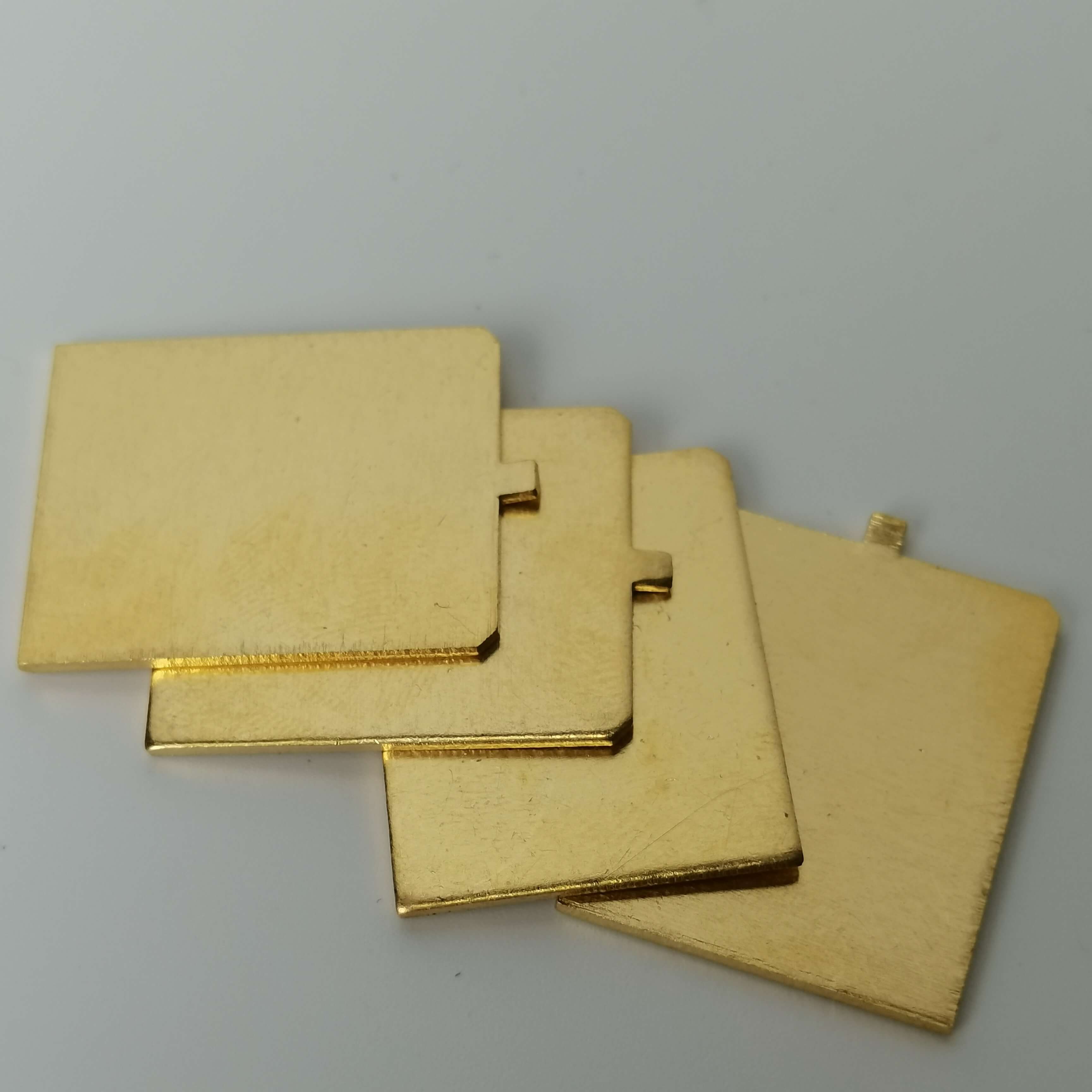
FAQ: Guide to Selection of Stamping Blade Technology
Q1: How to choose the suitable stamping equipment for thin plate springs?
A: Thin plate blanking (thickness ≤0.5mm) should prioritize the use of high-speed precision stamping machines, with key parameters including: slide stroke frequency ≥800 times/minute (such as AIDA-200T up to 1200 times/minute), positioning accuracy ≤0.01mm, mold height adjustment range ≥150mm. For large production batches, it can be equipped with automatic feeding machines (such as BSTA-510 feeding speed ≥20m/min) and waste cutting devices to enhance automation level.
Q2: How to choose between multi-station progressive molds and single-process molds?
A: Multi-station progressive dies are suitable for mass production (annual output ≥ 500,000 pieces), with advantages such as completing multiple processes (such as blanking, forming, and punching) in a single stamping, improving production efficiency by 3-5 times; ensuring positioning accuracy through mold guide pins and sleeves (with a clearance ≤ 0.005mm), resulting in high product consistency. Single-process molds are suitable for small batch or complex structure springs, but require multiple clamping, leading to lower efficiency.
Q3: How to control burrs during the blanking process?
A: To control burrs, efforts should be made from three aspects: in mold design, use high-hardness mold steel (such as SKD11, hardness HRC58-60) with a sharp edge sharpness ≤0.003mm; in equipment, maintain stable stamping pressure (fluctuation range ≤±5%) to avoid material tearing due to insufficient pressure; in process, adopt "negative clearance stamping" (gap smaller than material thickness by 0.005-0.01mm) combined with high-speed stamping (speed ≥500 times/minute) to reduce burr generation.
Summary: Technology-driven, precision wins
Precision control of stamping blades is an integrated competition among equipment, technology, and management. Nanpi Haokai Hardware Products Co., Ltd. has achieved high-precision and stable production from 0.1mm thin plates to complex structure blades by introducing high-speed precision stamping presses, developing multi-position progressive die technology, and establishing the ISO9001 quality system. Its technical approach provides an replicable solution for the industry: based on equipment upgrade, with process optimization as the core, and quality control as the guarantee, all three synergistically breaking through the precision bottleneck. For stamping blade production enterprises, choosing partners with strong technical capabilities, advanced equipment, and standardized management is the key to enhancing product competitiveness.