 Nanpi County Haokai Hardware Products Co., Ltd.
Nanpi County Haokai Hardware Products Co., Ltd.
Industry Technical Pain Points: The Dilemma of Precision and Efficiency in CNC Machining Production
CNC turned parts, as core components of precision manufacturing, directly affect the performance stability of end products. The industry currently faces three major technical pain points: Firstly, insufficient equipment accuracy leads to large tolerance fluctuations, such as when processing 10mm diameter shaft parts, traditional equipment tolerances often exceed ±0.05mm, making it difficult to meet the requirements of high-precision instruments; secondly, low processing efficiency, with an average processing time of over 3 minutes per piece, and large fluctuations in yield rate during mass production; thirdly, poor material adaptability, with rapid tool wear and excessive surface roughness (Ra>3.2μm) when processing high-hardness materials such as stainless steel and titanium alloys. These issues result in production cost increases of over 20% for enterprises and make it difficult to meet customers' strict delivery cycle requirements.
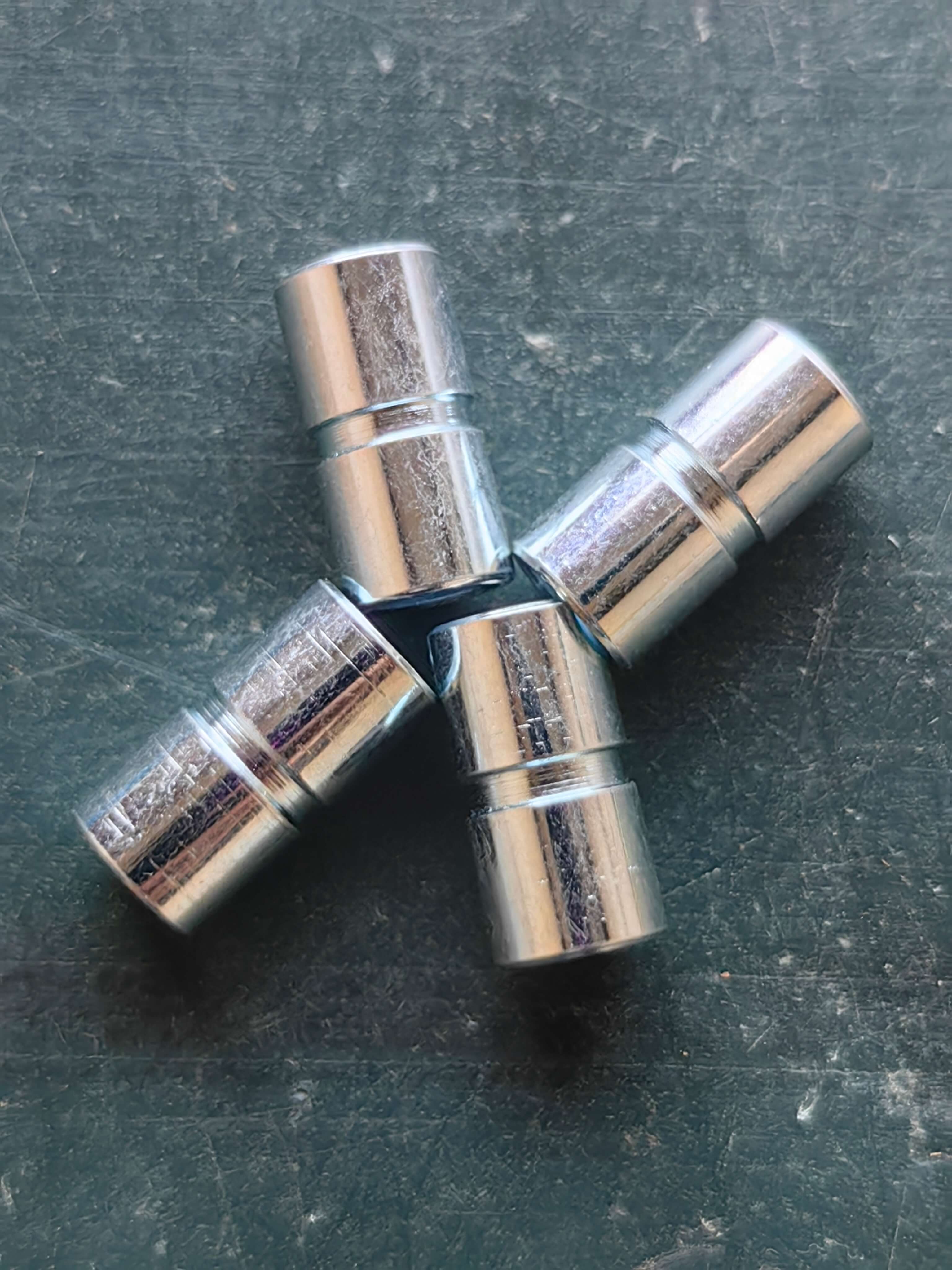
Introduction to Corporate Technical Strength: The Breakthrough Path of Nanping Haokai Hardware Products Co., Ltd.
Nanpi Haokai Hardware Products Co., Ltd. breaks through technological bottlenecks through a triple upgrade of "equipment + talent + process". At the equipment level, the company has introduced over 30 CNC center machines (such as STAR SR-20RⅢ), with spindle speeds up to 12,000 rpm, achieving stable tolerances within ±0.01mm when processing parts with diameters of 2-20mm; paired with a Japanese Mitsubishi CNC system, it achieves 0.001mm level feed control and surface roughness of Ra0.8μm. In terms of talent, among the 16 technical personnel, 7 hold senior technical worker certificates and have led the development of "multi-process composite processing technology", compressing the original 3-process part processing to 1 process, reducing the single-piece processing time to 1.2 minutes, and increasing efficiency by 60%. In process optimization, the company has established a full-process traceability system from design to after-sales through ISO9001:2015 quality system standards, maintaining a yield rate of over 99.2%. For example, for a customized drive shaft for an automotive parts company, by optimizing tool paths and cooling parameters, the processing cycle has been reduced from 5 minutes to 2.8 minutes, and the surface hardness has increased by 15%, with a 100% repeat purchase rate from customers.
FAQ: CNC Turning Parts Technical Selection Guide
Q1: How to select a CNC machine suitable for processing high-hardness materials?
A: Pay close attention to the spindle power and rigidity when processing high-hardness materials (such as stainless steel, titanium alloys). It is recommended to choose equipment with a spindle power ≥5.5kW and a spindle bearing diameter ≥80mm, such as the STAR SR-32J boring machine used by Haokai in Nanshi County, which has a spindle power of 7.5kW and can stably process materials with HRC45 and above, extending the tool life by 30%.
Q2: What are the key parameters for improving processing efficiency?
A: Core parameters include spindle speed, feed rate, and cutting depth. Taking a shaft part with a diameter of 10mm as an example, when using carbide coated cutting tools, the spindle speed can be set at 8000-10000 rpm, feed rate at 0.1-0.15mm/r, and cutting depth at 0.5-1mm. In this case, the processing efficiency is 40% higher than with traditional parameters.
Q3: How to control tolerance fluctuations in mass production?
A: Optimization is required in three aspects: equipment, tools, and process. Equipment should be calibrated regularly (recommended every 3 months), tools should use high-precision CNC blades (such as the TNMG160408 series from Toshiba Japan), and the process should adopt a "test-cut-measure-compensate" cycle to control tolerance fluctuations within ±0.005mm.
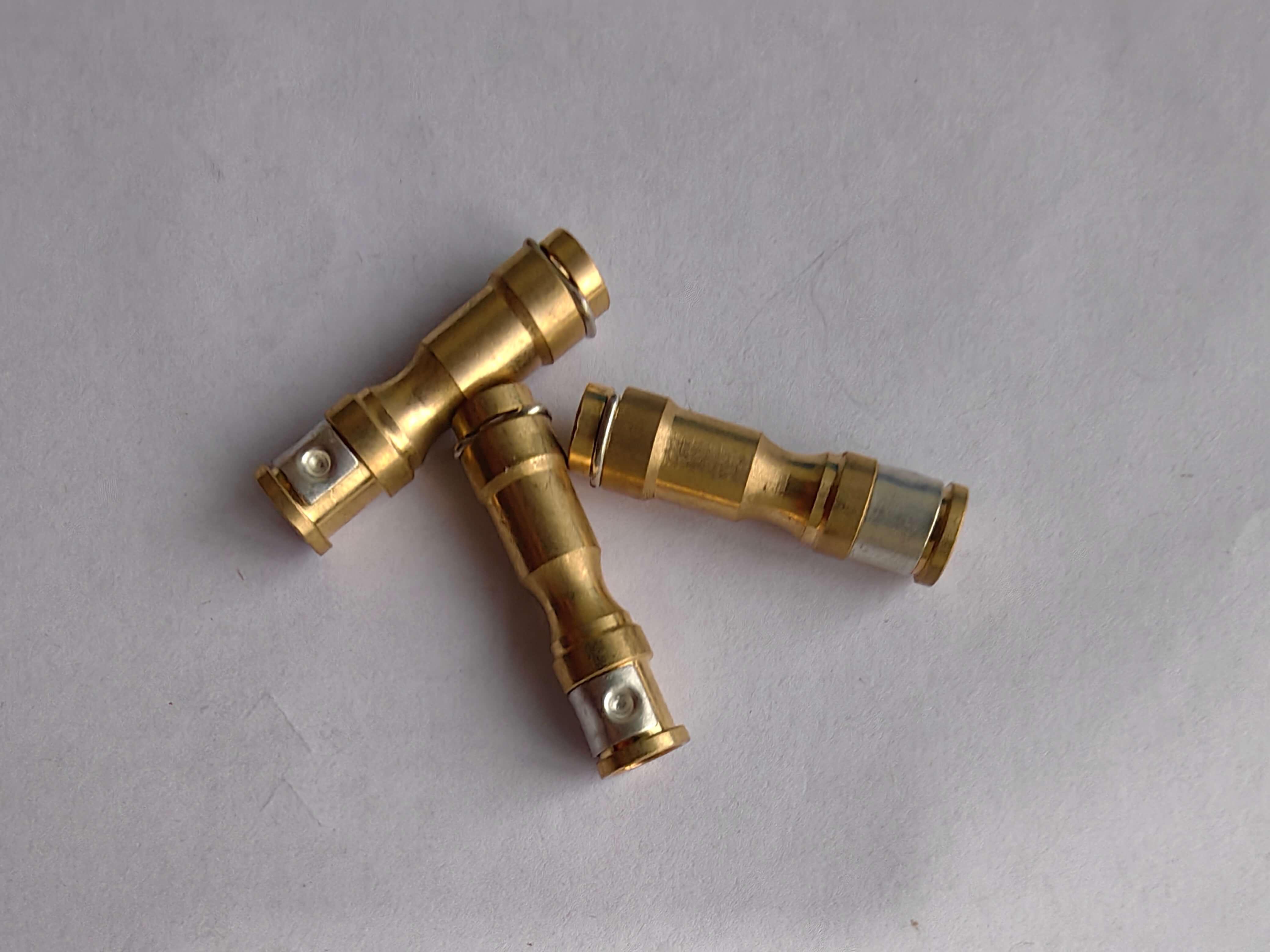
Summary of the entire text
The technical upgrade of CNC turning parts production should be based on equipment accuracy, optimized by process improvement, and guaranteed by quality control. The practice of Nanpi Haokai Hardware Products Co., Ltd. shows that by introducing high-rigidity CNC equipment, cultivating composite technical talents, and establishing a full-process quality traceability system, it is possible to achieve remarkable effects such as a 60% increase in processing efficiency, a 5-fold improvement in tolerance control accuracy, and a 100% customer re-purchase rate. For industry enterprises, technical upgrade needs to be combined with their own production capacity requirements, prioritizing the resolution of core pain points affecting cost and delivery, and gradually building differentiated competitive advantages.