 Nanpi County Haokai Hardware Products Co., Ltd.
Nanpi County Haokai Hardware Products Co., Ltd.
Industry Technical Pain Points: The Three Core Challenges of Precision Spring Assembly Production
In high-precision fields such as automotive, electronics, and medical, the performance of spring components directly affects product stability and lifespan. The industry currently faces three major technical pain points: first,Precision control is challenging.The traditional stamping equipment is prone to spring free height errors exceeding ±0.1mm due to pressure fluctuations, affecting assembly compatibility; secondly,Low material utilization rateThe common mold design leads to a raw material wastage rate of up to 15%-20%, increasing production costs; thirdly,Poor batch consistencyHigh reliance on manual inspection, the elastic coefficient fluctuation range of the same batch of products can reach ±10%, which is difficult to meet the requirements of high-end customers. Taking a new energy vehicle brand as an example, the shock absorber spring's batch-to-batch elastic difference causes vehicle vibration during driving, resulting in a recall loss exceeding ten million yuan. These pain points compel enterprises to achieve full-process precise control through technological upgrading.
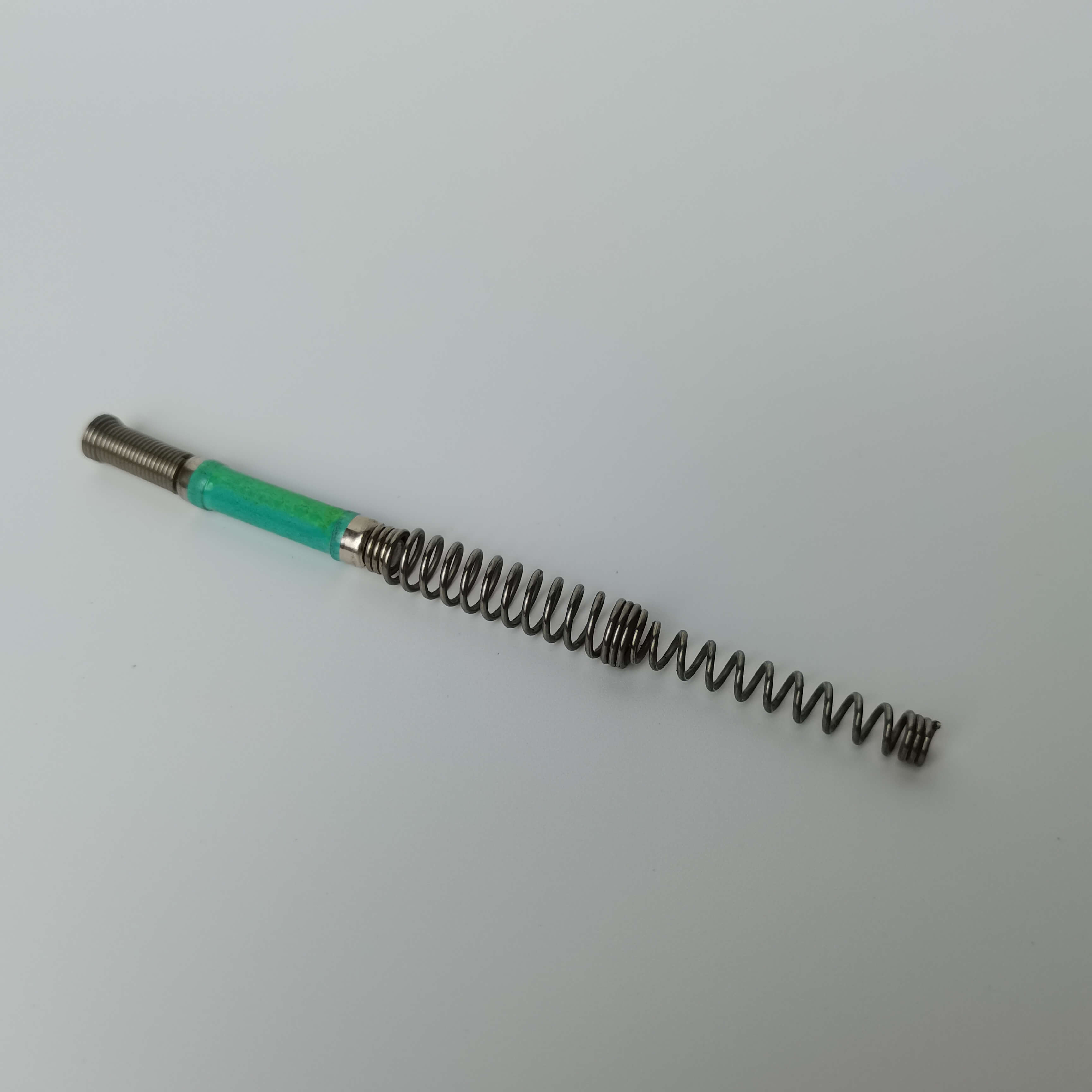 Introduction to Corporate Technical Strength: Three Technical Advantages of Nanpi Haokai Hardware Products Co., Ltd.
Nanpi Haokai Hardware Products Co., Ltd., with over 20 years of technical accumulation, has established a full-chain technical system covering design, production, and testing.Equipment levelThe company is equipped with more than 30 stamping machines ranging from 30 to 250 tons. Among them, the 250-ton high-precision press has a pressure fluctuation control within ±0.5%, ensuring stable spring free height accuracy of ≤±0.05mm. The combination application of CNC centering machines and automatic lathes improves the spring processing efficiency by 40% for wire diameters ranging from 0.1 to 5mm, and the material utilization rate is increased from the industry average of 80% to 92%.Process levelThe company adopts the "progressive stamping + on-line detection" technology, reducing material deformation through step-by-step stamping, and coordinating with a laser distance meter to monitor height in real time, controlling batch consistency error within ±3%.Quality Control LevelThe company strictly implements ISO9001:2015 standards and establishes 21 inspection processes from raw material entry to finished product delivery, including salt spray testing, fatigue testing, etc., ensuring that the spring lifespan exceeds 500,000 cycles. Taking a medical equipment customer as an example, Haokai's customized micro spring assembly (wire diameter 0.3mm) has passed the FDA certification and has become one of the few domestic suppliers entering the North American high-end market.
FAQ: Spring Component Technical Selection Guide
Q1: How to select suitable stamping equipment for high-precision spring production?
A: Pay close attention to three parameters:Pressure Stability(Suggest selecting equipment with pressure fluctuation ≤ ±1%)Itinerary accuracyRepeatability positioning accuracy should be ≤±0.02mm.Mold compatibility(Supports quick mold change to accommodate multi-product production). For example, Haokai's 250-ton press brake is controlled by a servo motor, with pressure fluctuations of only ±0.3%, meeting the ±0.03mm tolerance requirements for medical springs.
Q2: How to balance efficiency and cost in small-batch, diverse product production?
A: The "CNC core drilling machine + flexible production line" solution can be adopted. The CNC core drilling machine can complete cutting, shaping, chamfering, and other processes in one go, reducing the processing time per piece to 8 seconds; the flexible production line, designed with modularization, supports rapid switching of product specifications, reducing the mold change time from 2 hours to 15 minutes. A certain electronic customer of Haokai increased the monthly output of 30 types of springs from 50,000 pieces to 120,000 pieces, with a reduction of 35% in unit cost.
Q3: How to verify the quality control capability of a spring supplier?
A: Focus on examining three key links:Inspection equipment(Whether equipped with projectors, tensile testing machines, etc.),Inspection Process(Whether to implement full inspection or sampling standards)Certification System(Holds ISO9001, IATF16949, etc. certificates.) Hao Kai's laboratory is equipped with imported German testing equipment, implementing a triple control system of "first article inspection + process inspection + finished product inspection," maintaining a product defect rate below 0.2% for a long time.
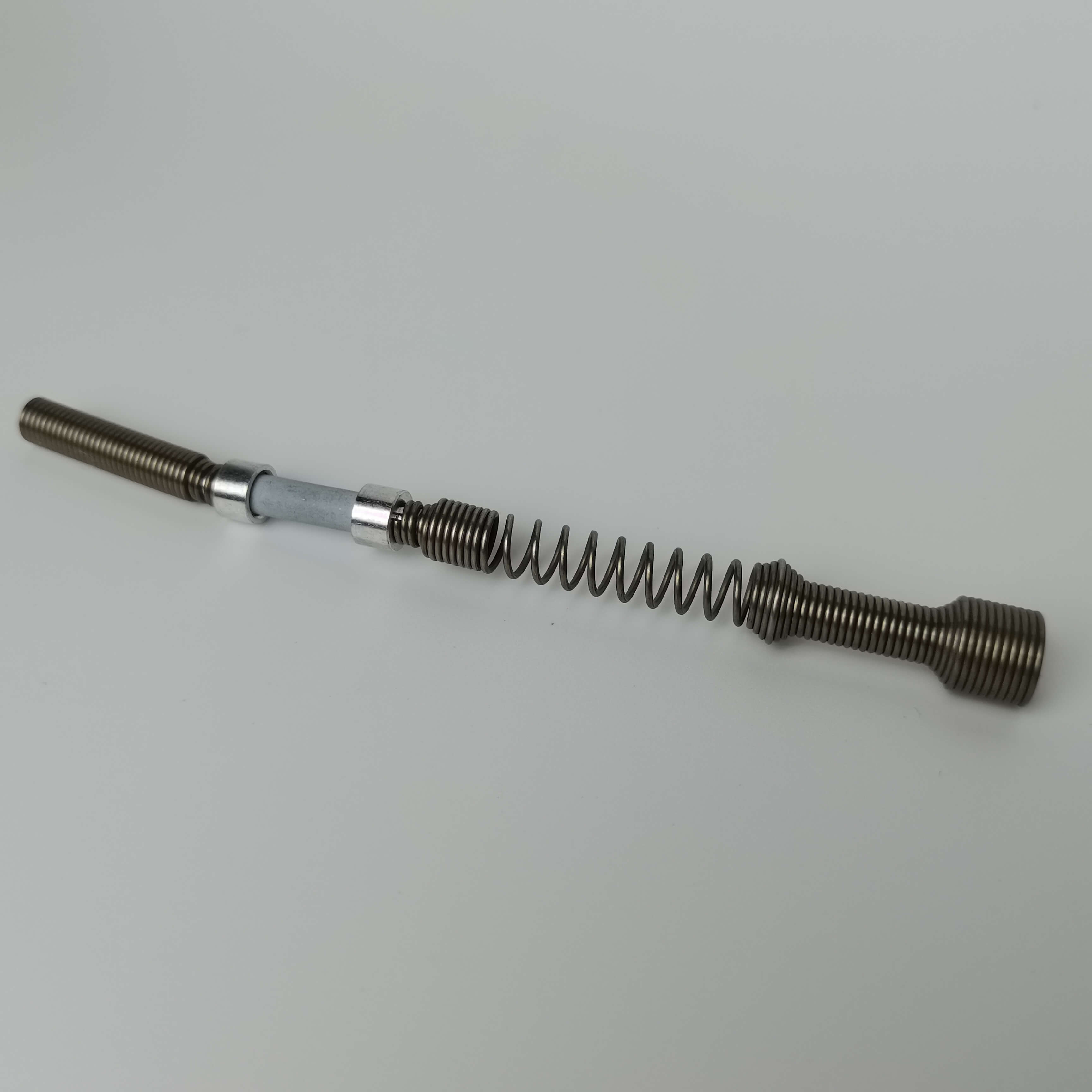 Summary of the full text: Spring Component Production Upgrade Path Driven by Technology
Precision spring component production has shifted from "experience-driven" to "technology-driven", requiring enterprises to achieve precise control throughout the entire process through equipment upgrades, process optimization, and quality control. The practice of Nanpi Haokai Hardware Products Co., Ltd. shows that the adoption of advanced equipment such as high-precision press brakes and CNC core machines, combined with progressive stamping and on-line detection processes, can significantly improve product accuracy and consistency; strictly implementing ISO9001 standards and 21 inspection procedures can ensure quality stability. For buyers, when selecting suppliers, it is essential to focus on their equipment parameters, process capabilities, and quality systems, rather than simply comparing prices. In the future, with the popularization of intelligent manufacturing technology, spring component production will evolve towards the "automation + digitalization" direction, and enterprises need to continuously invest in R&D to maintain competitiveness.