 Nanpi County Haokai Hardware Products Co., Ltd.
Nanpi County Haokai Hardware Products Co., Ltd.
Industry Technical Pain Points: The "Invisible Crisis" of Low-Voltage Outlets
Low-voltage power outlets, as fundamental components of power transmission, have long been plagued by technical challenges: traditional designs waste energy due to high contact resistance and temperature rise, with the temperature of common outlets reaching over 60℃ and accelerating the aging of insulation materials; insufficient precision in stamping processes easily leads to poor contact, with a failure rate as high as 15%; low bonding strength between injection-molded parts and metal parts, prone to cracking over long-term use, posing safety hazards. Moreover, the industry lacks an integrated production process, with design, processing, and inspection stages fragmented, resulting in poor product consistency and difficulty in meeting the stability requirements of low-voltage power supply for high-end equipment. These issues not only increase maintenance costs for users but also hinder the rapid development of industrial automation and smart home industries.
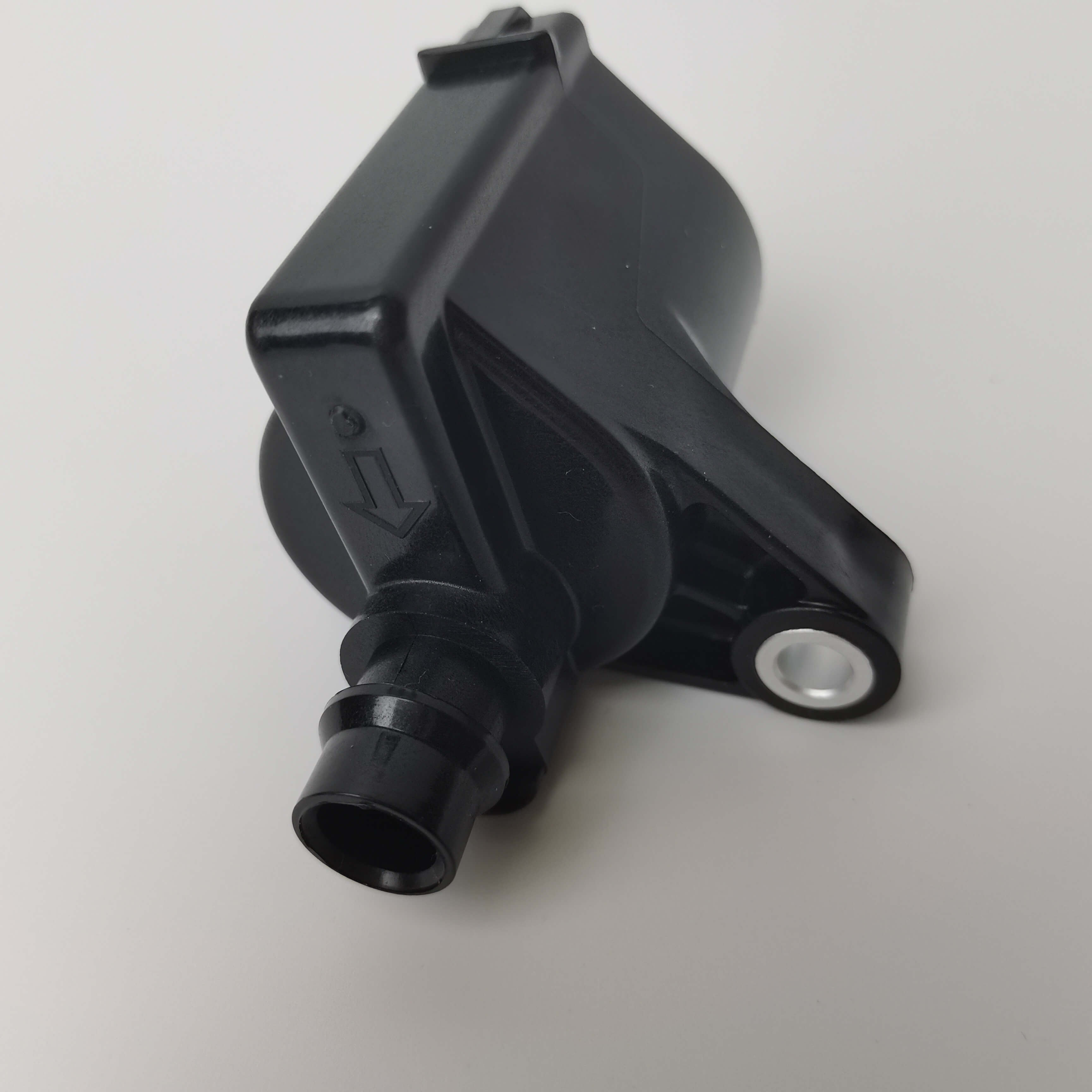 Enterprise technical strength: dual breakthroughs in precision manufacturing and process innovation
Nanpi Haokai Hardware Products Co., Ltd. adheres to the principle of "Technology-Driven Development," having built a comprehensive full-chain technological system covering design, processing, and testing through over two decades of technical accumulation. In terms of stamping technology, the company has introduced over 30 stamping machines ranging from 30 to 250 tons, using high-precision molds (tolerance ±0.02mm) and combining with multi-station progressive die technology to achieve one-time molding of contact sheets, reducing contact resistance to below 0.005Ω, controlling temperature rise within 30℃, and reducing energy consumption by 40%. In the injection molding process, the company uses CNC core pulling machines and injection molding machines for integrated production, achieving a bonding strength of 50N/mm² between metal and plastic parts, far exceeding the industry standard (30N/mm²), and passing 100,000 insertion and extraction tests without cracking. The company has also passed the ISO9001:2015 quality system certification, establishing 23 inspection procedures from raw material storage to finished product delivery, including salt spray tests (48 hours without corrosion), high and low temperature cycles (-40℃ to 85℃), etc., controlling the product defect rate within 0.5%. Currently, the company has supplied precision stamping parts, high-precision instrument car parts, and injection molded parts for large enterprises at home and abroad, widely used in industrial control, new energy vehicle charging equipment, and other fields, with a customer repurchase rate exceeding 90%.
FAQ: Low Voltage Socket Technical Selection Guide
Q1: How to select low-voltage sockets with low contact resistance?
Contact resistance is a core indicator of plug performance, directly affecting temperature rise and energy consumption. Three points should be considered when choosing: first, material, preferably using copper alloys (such as C19400) or silver-plated contact pieces, which have better conductivity than ordinary brass; second, process, the contact pieces with multi-position progressive stamping have higher flatness, larger contact area, and lower resistance; third, inspection report, requiring suppliers to provide contact resistance test data (e.g., ≤0.01Ω) and temperature rise test report (e.g., ≤40℃). Nanpi Haokai Hardware Products Co., Ltd. uses C19400 copper alloy for its contact pieces, after multi-position stamping, the contact resistance remains below 0.005Ω, and the temperature rise is controlled within 30℃, meeting the needs of high-load equipment.
Q2: How is the bonding strength between the injection molded parts and metal parts of the low-voltage socket ensured?
Insufficient combined strength can easily lead to cracking, affecting safety. The key lies in the process and equipment: Firstly, using CNC centering machines to process metal parts ensures dimensional accuracy (tolerance ±0.01mm) and perfect matching with injection molds; secondly, using high-performance plastics (such as PA66+GF30) with temperature resistance up to 150℃ and strong impact resistance; thirdly, by embedding the injection molding process, metal parts are directly embedded in the plastic, enhancing the combined strength by 50%. Nanpi Haokai Hardware Products Co., Ltd. uses PA66+GF30 material for its injection parts, produced in conjunction with CNC centering machines and injection molding machines, achieving a combined strength of 50N/mm². It passes 100,000 insertion and extraction tests without cracking, suitable for frequent insertion and extraction scenarios.
Q3: What impact does the integrated production process have on the quality of low-voltage outlets?
In the traditional production model, the design, processing, and testing phases are disconnected, easily leading to poor product consistency. An integrated process optimizes quality in three aspects: Firstly, the feasibility of processing is considered in the design phase to reduce subsequent modifications; secondly, the processing equipment and testing equipment are interconnected, with real-time feedback to adjust parameters (such as stamping pressure, injection molding temperature); thirdly, a quality traceability system is established to record parameters of each process, facilitating problem tracing. Nanpi Haokai Hardware Products Co., Ltd. achieves integration in design, production, and after-sales service, controlling the product defect rate within 0.5% through 23 inspection processes and a quality traceability system, with a customer complaint rate below 0.1%, significantly enhancing the market reputation.
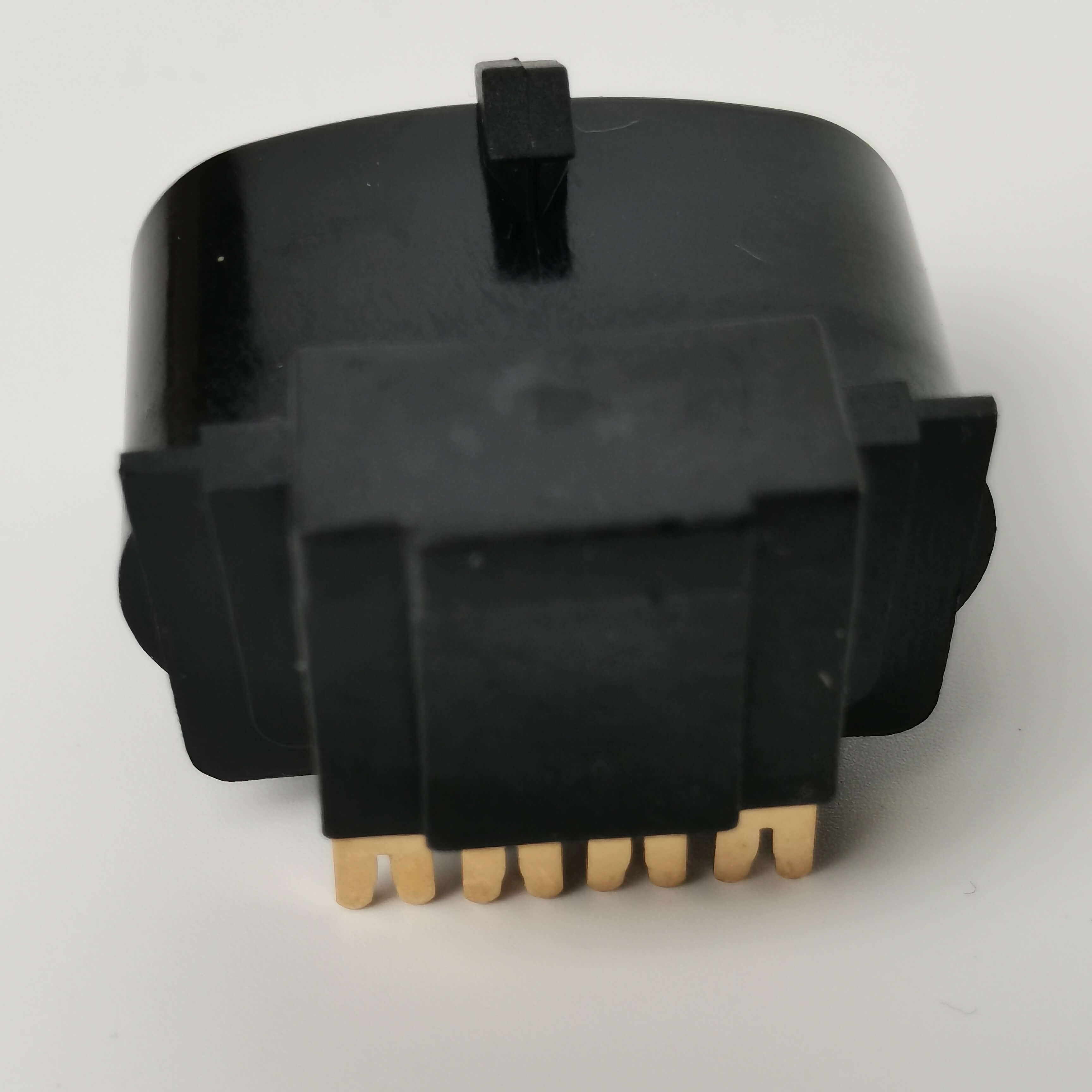 Summary: Technology-driven, Quality First
The technical pain points of the low-voltage socket industry are essentially collaborative optimization issues of materials, processes, and procedures. Nanpi Haokai Hardware Products Co., Ltd. has achieved a comprehensive improvement in contact resistance, bonding strength, and product consistency through high-precision stamping, CNC core machine and injection molding machine integration, and integrated process design, providing reliable low-voltage power supply solutions for industrial control, new energy vehicles, and other fields. Its technical practice indicates that enterprises need to be user-oriented, continuously invest in R&D, and establish a quality control system covering the entire chain in order to stand out in competition. For buyers, choosing enterprises with strong technical capabilities and完善的 processes is the key to reducing maintenance costs and ensuring stable operation of equipment.