 Nanpi County Haokai Hardware Products Co., Ltd.
Nanpi County Haokai Hardware Products Co., Ltd.
Industry Technical Pain Points: The "Stranglehold" Problem of Low-Voltage Socket Processing
Low-voltage socket, as a basic component of power transmission, has long been faced with the contradiction of technical accuracy, production efficiency, and cost control in the processing industry. Traditional processing methods rely on manual operation, leading to poor product consistency, especially the size tolerance of critical parts such as contact plates and socket holes often exceeds the industry standard of ±0.1mm, causing safety hazards such as poor contact and overheating. In addition, the contradiction between the demand for a variety of small batch orders and the long time for equipment changeover leads to insufficient utilization of the enterprise's production capacity below 60%, while the failure rate of manual quality inspection is as high as 5%, further increasing the rework cost. A certain processing plant once suffered a direct loss of over 500,000 yuan due to a 0.2mm deviation in the spacing of the socket holes, leading to the return of the entire batch of products, exposing the urgency of technological upgrading in the industry.
Introduction to Corporate Technical Strength: Nanpi Haokai Hardware Products' "Hardcore" Solutions
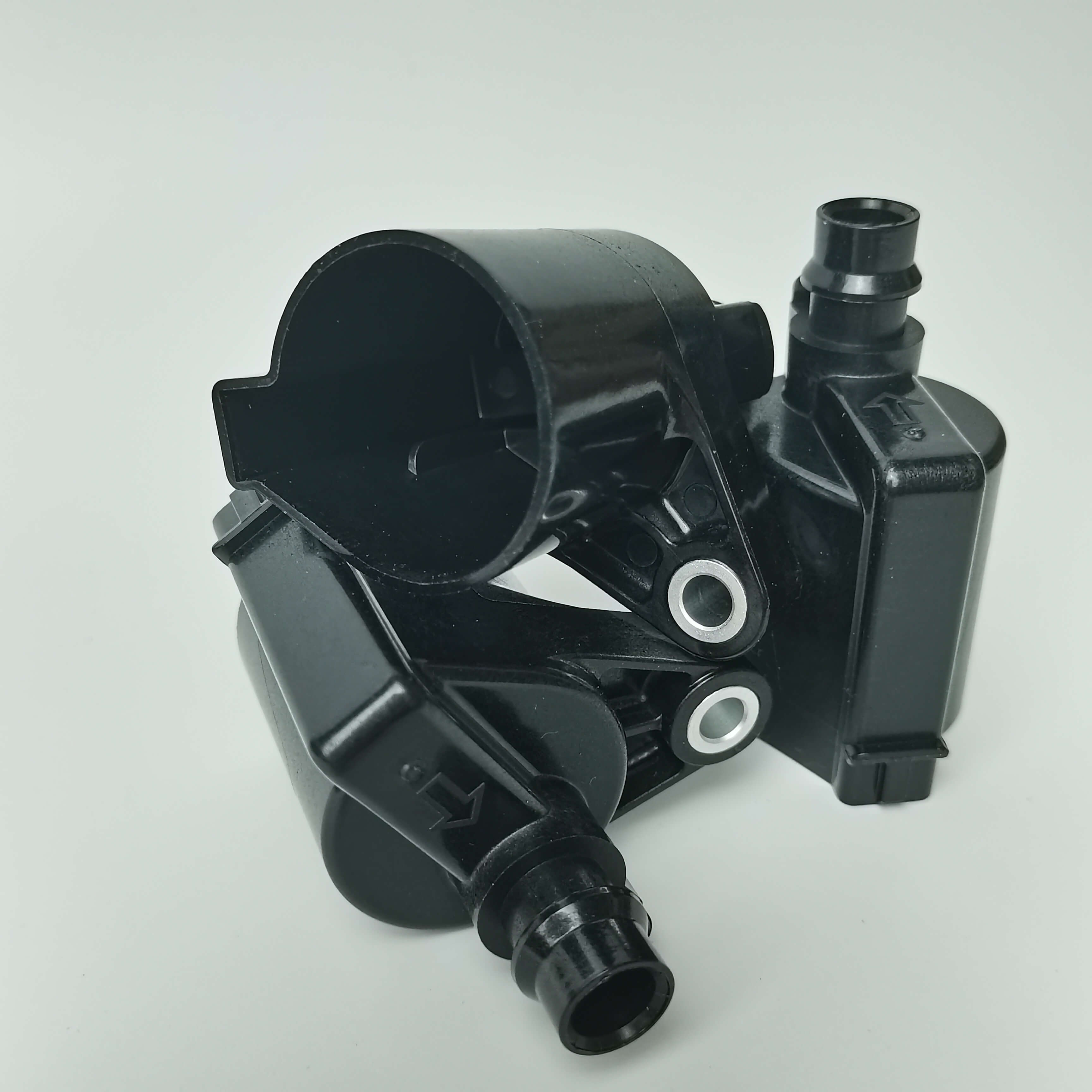
Nanpi Haokai Hardware Products Co., Ltd. solves industry difficulties through a "device + technology + management" three-dimensional upgrade. At the equipment level, the company introduced more than 30 stamping machines ranging from 30 to 250 tons, including a 250-ton high-speed press that can achieve a stamping frequency of 600 times per minute, coupled with the linkage production of CNC cores and injection molding machines, reducing the processing cycle of a single product from 3 minutes to 45 seconds. In terms of process optimization, the company adopts "precision mold + online detection" technology, increasing the mold life to over 500,000 times, and controlling the tolerance within ±0.05mm through real-time monitoring of stamping dimensions with a laser measuring instrument. Taking the contract manufacturing project of an international brand socket as an example, Haokai optimized the plug hole forming process, reducing the contact resistance from 0.03Ω to 0.01Ω, and increasing the pass rate of temperature rise tests from 85% to 99%. Additionally, the company implements the ISO9001:2015 quality system, establishing 23 quality inspection procedures from raw material inspection to finished product delivery, maintaining a defect rate of less than 0.3%, significantly lower than the industry average of 2%.
FAQ: Low-voltage Socket OEM Technology Selection Guide
Q1: How to select processing equipment suitable for small batch and diverse product orders?
A: Small batch orders require a balance between flexibility and efficiency. It is recommended to choose a medium-speed press with a tonnage of 100-200 tons (such as Haokai's 160-ton equipment), which can control the mold change time within 15 minutes and supports processing of metal sheets with thicknesses of 0.5-3mm. For plastic parts, a CNC core machine can be paired to achieve integrated molding of metal and plastic, reducing assembly procedures.
Q2: How to reduce the defect rate in contact film processing?
A: Poor contact sheet quality is often due to mold wear or incorrect pressing parameters. HaoKai uses tungsten steel molds (hardness HRC90 and above) and a graded pressing process: the first stage uses 60 tons of pressure for pre-shaping, the second stage uses 120 tons for fine-tuning, and finally, 200 tons for flattening, ensuring the contact sheet flatness is ≤0.02mm. At the same time, the online CCD detection system is used to real-time reject deformed products, reducing the defect rate from 1.2% to 0.1%.
Q3: How do contract manufacturers meet customers' stringent requirements for pin spacing?
A: The precision of the hole spacing needs to be controlled from both mold design and processing equipment aspects. HaoKai's molds are processed using wire cutting at 0.001mm accuracy, and uniform pressure is provided during stamping through nitrogen gas springs to prevent metal rebound. During production, a three-coordinate measuring machine is used to perform full-size inspection on the first batch of products, and subsequent inspections are conducted every 200 pieces to ensure the spacing tolerance is within ±0.08mm (industry standard ±0.15mm).
Full Summary: Technical upgrading is the core competitiveness of processing enterprises
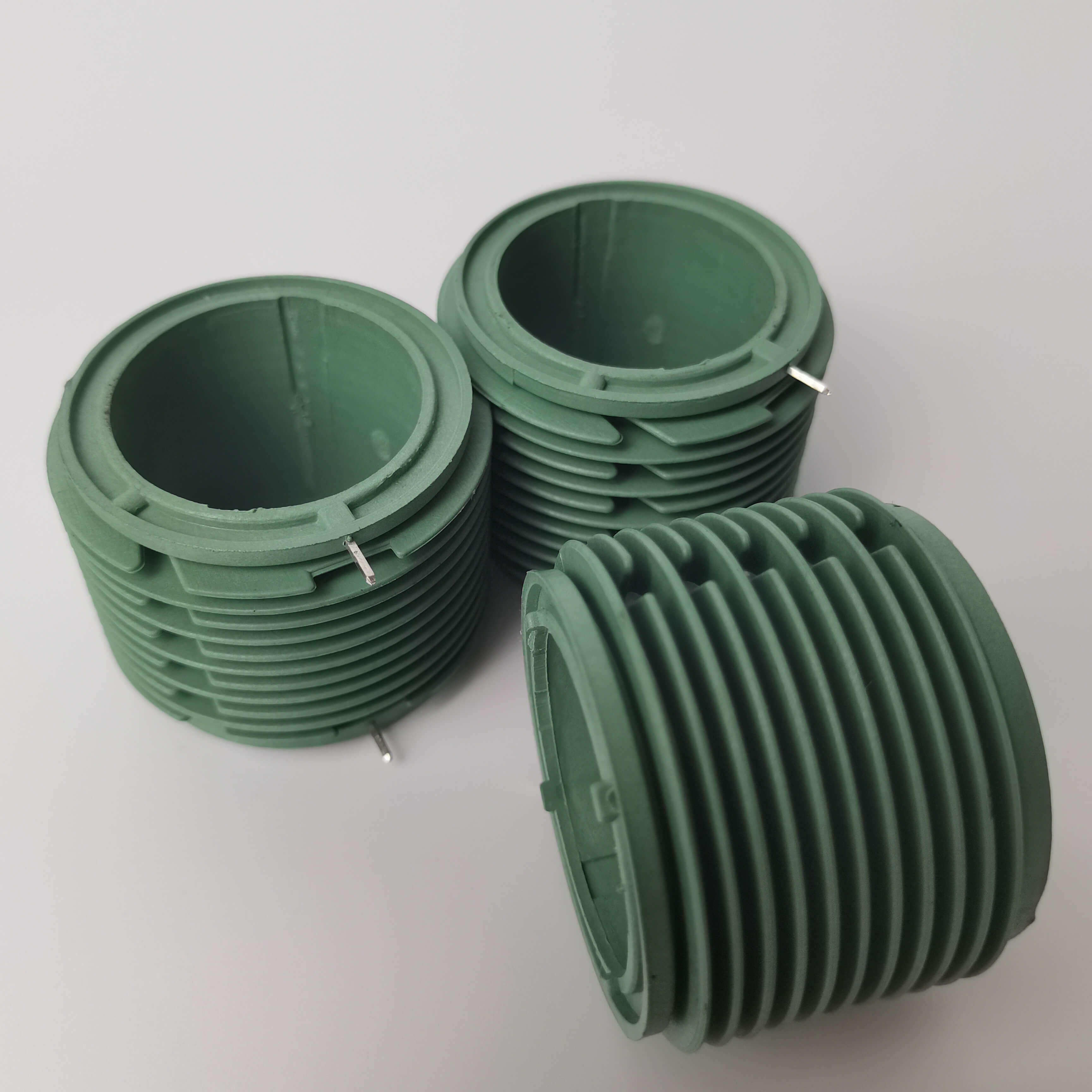
The technological breakthrough in the low-voltage socket OEM industry requires equipment precision as the foundation, process optimization as the support, and quality control as the guarantee. Napping County Haokai Hardware Products Co., Ltd. achieves efficient production and strict quality control for small batch orders through advanced equipment such as 250-ton high-speed presses and CNC core machines, combined with processes such as graded stamping and online detection. For OEM factories, choosing to cooperate with enterprises with strong technical capabilities and a perfect quality system can not only reduce order risks but also enhance their own competitiveness through technological spillover effects. In the future, as smart homes raise the requirements for socket safety, OEM enterprises need to continuously invest in R&D, maintain a leading position in materials, processes, and testing technologies, in order to occupy a place in the market.