 Nanpi County Haokai Hardware Products Co., Ltd.
Nanpi County Haokai Hardware Products Co., Ltd.
Industry Technical Pain Points: The Challenge of Precision and Efficiency in Forging Sheet Processing Subcontracting
Pressing shavings, as core connecting parts in fields such as electronics, automotive, and home appliances, directly affect product performance and lifespan with their processing accuracy. The industry currently faces three major technical pain points: Firstly, material springback control is difficult; when the shaving thickness is between 0.1-0.5mm, the springback error is prone to exceed 0.02mm, leading to poor assembly; secondly, the integration of multi-processes is low; traditional stamping requires step-by-step completion of blanking, shaping, and trimming, with cumulative tolerances adding up to a total error of over 0.1mm; thirdly, batch consistency is poor; during small batch production, equipment adjustment is frequent, resulting in high unit costs, while large-scale production is prone to increased scrap rates due to mold wear. A certain automotive electronics manufacturer once suffered a loss of over a million yuan due to a 0.05mm deviation in the height of the shavings, causing the entire batch of sensors to lose signal accuracy. These pain points compel enterprises to seek more precise and stable outsourcing solutions.
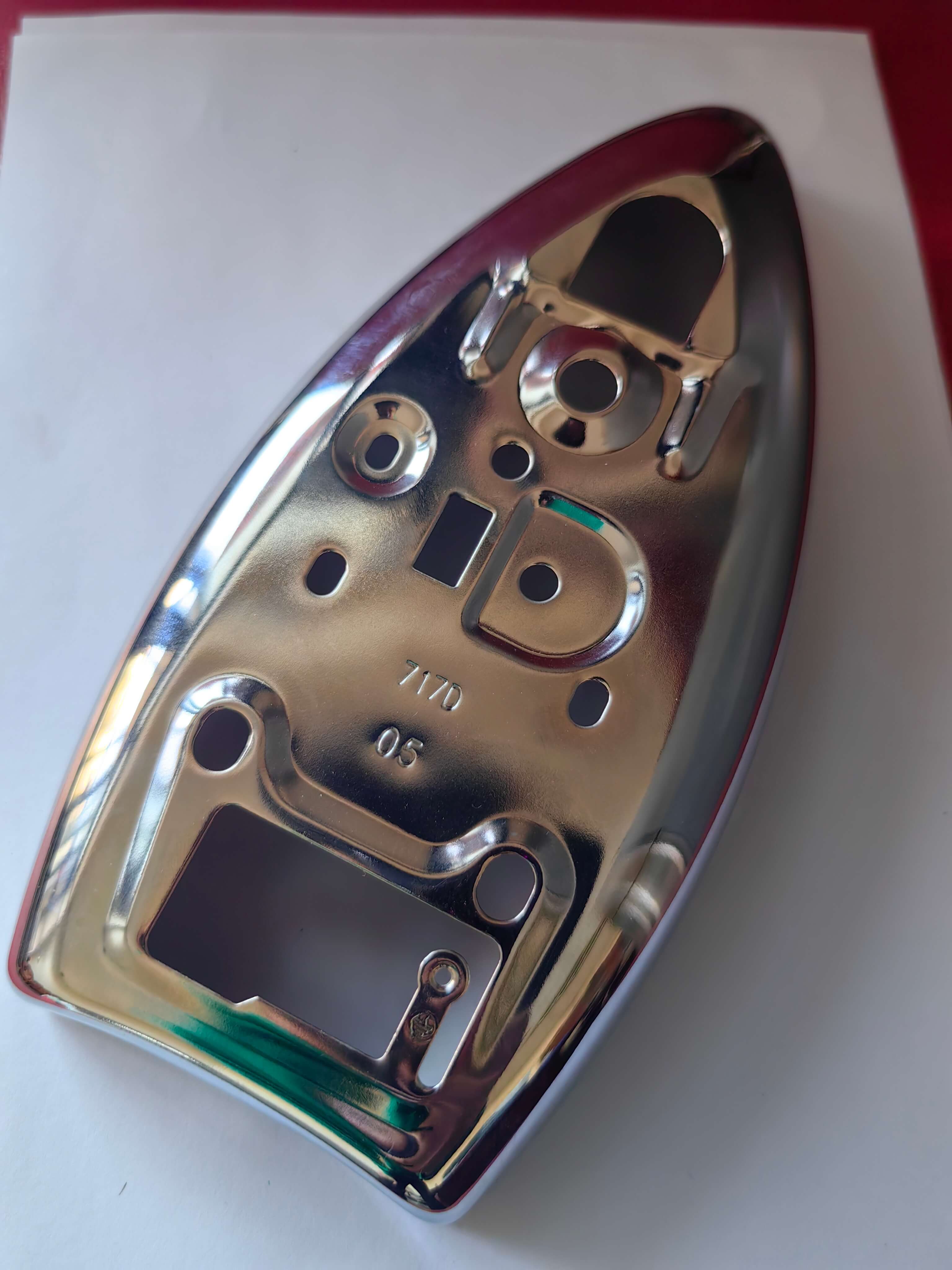 Introduction to Corporate Technical Strength: Precision Machining and Full-Process Control at Nanpi Haokai
Nanpi Haokai Hardware Products Co., Ltd. relies on over 20 years of technical accumulation to build a full-chain technical system covering design, production, and testing. On the equipment level, the company is equipped with more than 30 stamping machines ranging from 30 to 250 tons, including a 200-ton high-speed precision press with a maximum pressing speed of up to 1200 times per minute, capable of stably processing ultra-thin spring strips with a thickness of 0.08mm. CNC core machines achieve simultaneous multi-station processing, reducing the traditional 3 processes to 1, with tolerances controlled within ±0.005mm. In terms of the technical team, among the 16 professional technical personnel, 7 are senior technicians proficient in mold optimization and process adjustment, who once improved the flatness of spring strips for a medical equipment client from 0.1mm to 0.03mm. In quality control, the company implements the ISO9001:2015 standard, introduces equipment such as coordinate measuring machines and image projectors, and conducts 100% full inspection for each batch of products to ensure a defect rate below 0.05%. Currently, the company has provided spring strip processing services for more than 200 domestic and foreign enterprises, with products widely used in scenarios such as new energy vehicle battery connections and 5G base station signal transmission, and a customer repurchase rate exceeding 90%.
FAQ: Guide to Selection of Stamping Blank Subcontracting Technology
Q1: How to select the tonnage of stamping equipment suitable for blank processing?
Equipment tonnage should be determined comprehensively based on material thickness and blank size. Taking carbon steel as an example, for thickness below 0.2mm, it is recommended to use a 60-100 ton press brake; for 0.2-0.5mm thickness, choose a 100-200 ton press brake; for thickness above 0.5mm, equipment over 200 tons is required. Hao Kai's 250-ton press brake can process blanks up to 200mm×150mm in size, balancing precision and efficiency.
Q2: How to solve the problem of shrapnel rebound?
A: Residual deformation control requires attention to both mold design and process parameters. In terms of mold design, a negative clearance design (usually 0.01-0.03mm thinner than the material thickness) is adopted, and the molding angle is optimized through simulation software; in the process, adjusting the stamping speed (recommended 80-120 times per minute) and lubrication conditions (using special stamping oil) can reduce the residual deformation by more than 50%. The Haokai technical team has reduced the springback error of a customer's shrapnel from 0.03mm to 0.01mm.
Q3: How to control costs for small batch shot peening processing?
A: Small-batch production can reduce costs through the "soft mold + quick change" model. Soft molds are made of aluminum alloy or resin materials, shortening the mold development cycle to 3-5 days and the cost to only 30% of that of hard molds; quick change fixtures enable rapid equipment switching, compressing the single-item debugging time from 2 hours to 0.5 hours. Hao Kai Company's "order starts at 500 pieces" service for start-up enterprises adopts this model, reducing the unit cost by 40% compared to the traditional method.
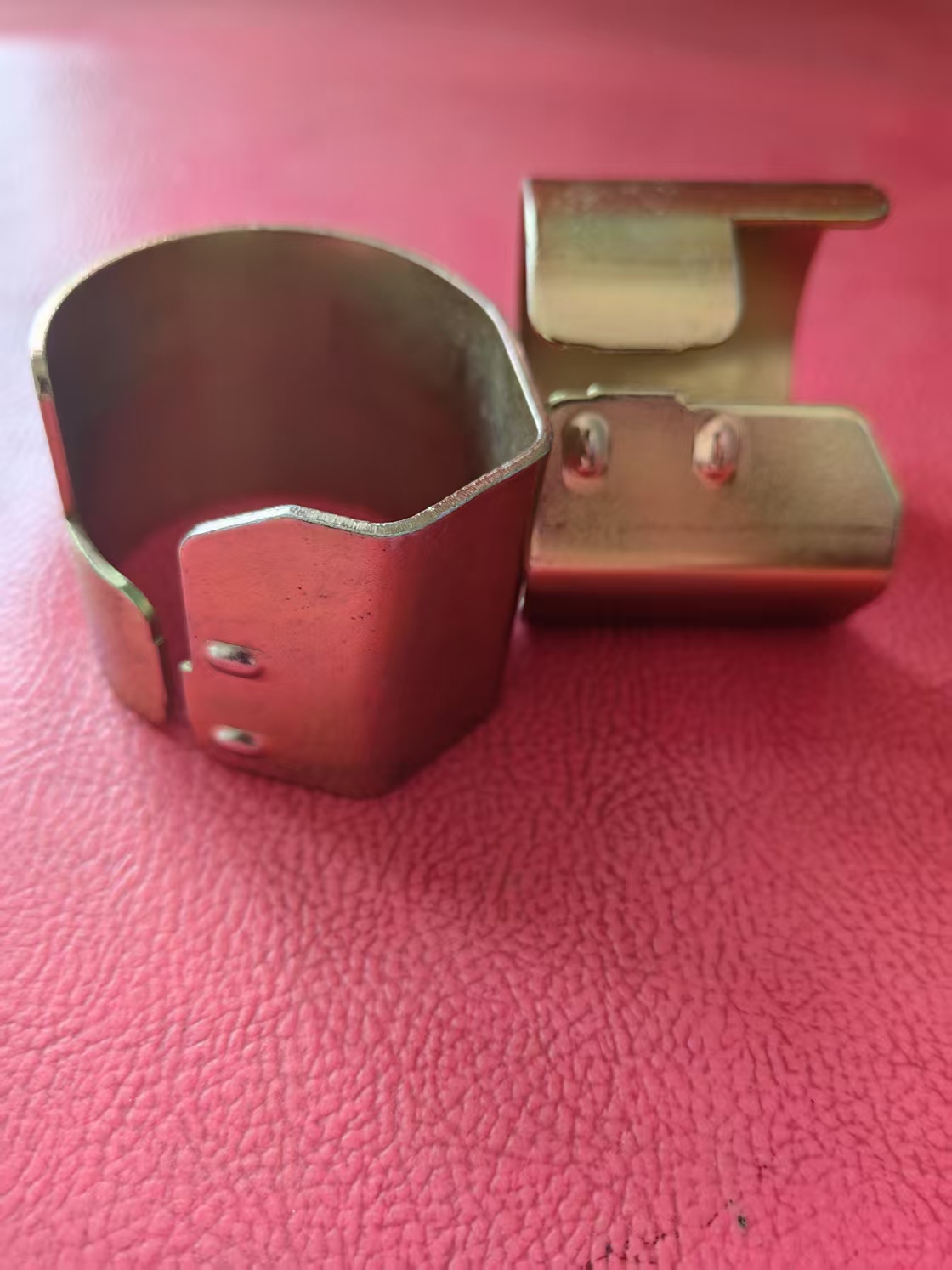 Summary: Upgrade Path of Fragment Processing under Technical Drive
The technical upgrade of stamping blank processing should focus on the three elements of "accuracy, efficiency, and cost". Nanshi County Haokai Hardware Products Co., Ltd. has successfully addressed industry pain points such as material rebound, process integration, and batch consistency by introducing high-speed precision stamping presses, optimizing mold design processes, and establishing a full-process quality control system, providing high-stability blank products for customers in the automotive electronics, medical equipment, and other fields. For enterprises, when selecting a processing partner, they should pay close attention to the equipment accuracy (such as the tonnage and speed of the stamping press), the experience of the technical team (such as the proportion of senior technicians), and the quality control capabilities (such as testing equipment and standards) to ensure product performance and delivery cycle. In the future, with the in-depth application of automation and digital technology, blank processing will continue to evolve towards "zero defects and flexibility."