 Nanpi County Haokai Hardware Products Co., Ltd.
Nanpi County Haokai Hardware Products Co., Ltd.
Industry Technical Pain Points: The Dual Challenge of "Accuracy and Efficiency" in Stamping Blade Manufacturing
Blanking blanks, as core connecting parts in electronic, automotive, home appliance, and other fields, directly affect product performance with their manufacturing accuracy. The industry currently faces two major technical pain points: Firstly, it is difficult to control material springback, as metal materials are prone to dimensional deviation due to elastic deformation during the blanking process, especially for thin blanks with a thickness less than 0.5mm, where the springback rate can reach 3%-5%, and traditional empirical formulas are difficult to accurately predict. Secondly, die life is short, as the blanking of high-strength materials (such as stainless steel, titanium alloys) requires extremely high hardness for dies, and common Cr12MoV die steel is prone to chipping and wear after continuous blanking for 50,000 times, leading to an increase in batch不良率. Additionally, the process stability of multi-process composite blanking (such as integrated stretching, bending, and trimming) is insufficient, which is also a key factor restricting industry efficiency.
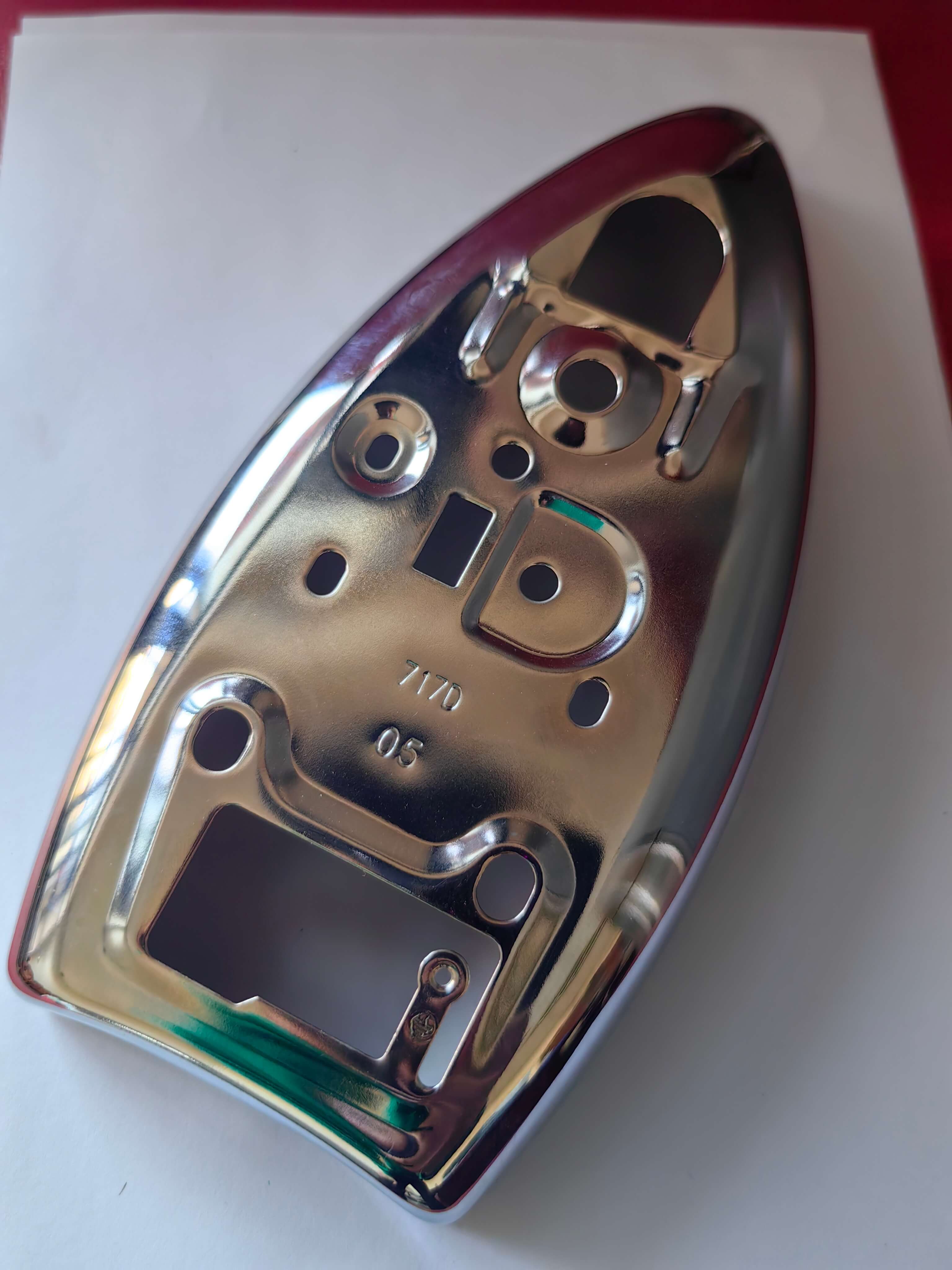 Introduction to Corporate Technical Strength: Nangpi County Haokai Hardware Products Co., Ltd.'s "Three Techniques of Precision Stamping"
Nanpi Haokai Hardware Products Co., Ltd., with over 20 years of technical accumulation, has established a full-chain technical system covering materials, molds, and equipment. In terms of material control, the company introduces laser scanners and stress analysis software to monitor the material rebound coefficient (accuracy ±0.1%) in real-time, optimizing stamping parameters with AI algorithms to control the thin plate spring size deviation within ±0.02mm. For mold manufacturing, Japanese imported SKD11 mold steel (hardness HRC58-62) is used, combined with vacuum heat treatment technology, to extend the mold life to over 200,000 cycles, a 300% increase over the industry average. On the equipment level, the company is equipped with more than 30 stamping machines ranging from 30 to 250 tons, including a 200-ton high-speed press (pressing speed up to 800 times/minute) that can achieve multi-process compound stamping. This is complemented by CNC centering machines and injection molding machines to form an integrated "stamping-cutting-injection" production line, reducing the production cycle of a single product to 15 seconds. In a typical case, the company customized battery connection springs for a new energy vehicle company, which were formed in one go from a 0.3mm thick stainless steel plate, achieving a yield rate of 99.8% and an annual supply volume exceeding 5 million pieces.
FAQ: Guide to Selection of Stamping Frit Manufacturing Technology
Q1: How to choose the right stamping equipment for high-precision shot parts?
High-precision blanking (dimensional tolerance ≤±0.05mm) should prioritize the use of high-speed stamping machines (speed ≥600 times/minute) and servo motor-driven equipment. For example, the 200-ton high-speed stamping machine adopted by Haokai County has a closed-loop control system, which can adjust the stamping depth in real-time, avoiding dimensional deviation caused by equipment vibration. In addition, the tonnage of the equipment should be selected according to the material thickness: 0.1-0.3mm thin plates are recommended to use 100-150-ton equipment, and plates thicker than 0.5mm require equipment with a tonnage of 200 tons or more.
Q2: How to solve the problem of short mold lifespan?
A: Molding life is closely related to materials and heat treatment processes. It is recommended to use SKD11 or DC53 mold steel (hardness HRC58-62), combined with vacuum quenching and deep cryogenic treatment to eliminate internal stress and enhance wear resistance. After this process, the molds from Nanpi Haokai can continuously stamp stainless steel springs up to 200,000 times, which is 4 times more than ordinary molds. In daily maintenance, it is necessary to regularly use an ultrasonic cleaner to remove oil stains on the mold surface to prevent tiny particles from accelerating wear.
Q3: How is the process stability of multi-process compound stamping ensured?
A: Compound stamping requires the implementation of "process decomposition + parameter optimization." Taking the "stretching-bending-cutting" three processes as an example, it is necessary to first analyze the stress distribution of each process through CAE simulation to determine the optimal stamping sequence (such as stretching first then bending); then optimize the stamping speed (recommended 50-100mm/s) and lubrication method (recommended water-soluble lubricant) through experiments. Napi County Haokai has improved the yield rate of a connector spring's compound stamping from 85% to 98% using this method.
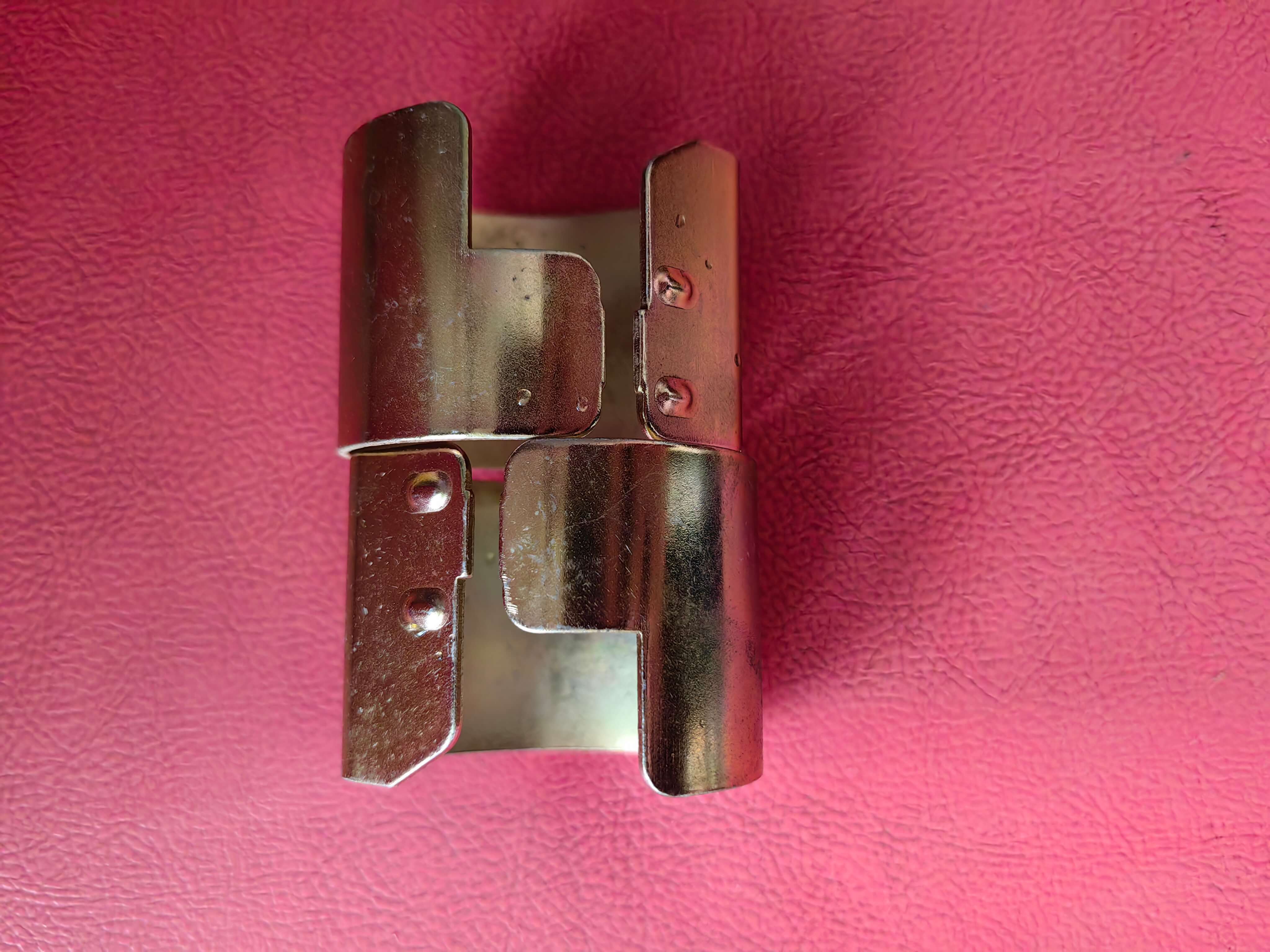 Summary: Technology-driven, precision wins
The technological breakthrough in stamping rivet manufacturing requires collaborative efforts from material, mold, and equipment aspects. Nanshi Haokai Hardware Products Co., Ltd. has successfully resolved the industry's precision and efficiency challenges through the technical combination of "AI rebound control + high-hardness mold + high-speed compound stamping," providing high-reliability rivet solutions for electronic, automotive, and other fields. For manufacturing enterprises, choosing partners with strong technical capabilities and advanced equipment is crucial for enhancing product competitiveness. In the future, with the popularization of digital processes (such as digital twins), the manufacturing of stamping rivets will continue to evolve towards higher precision and lower costs.