 Nanpi County Haokai Hardware Products Co., Ltd.
Nanpi County Haokai Hardware Products Co., Ltd.
Industry Technical Pain Points Opening: The Dual Challenge of Precision and Lifespan in Spring Manufacturing
Springs, as the core elastic components in mechanical systems, directly affect the stability and lifespan of the equipment. The current industry is facing two major technical pain points: one is the lifespan degradation caused by material fatigue, such as ordinary spring steel prone to cracking under high-frequency vibration, with a lifespan of less than 500,000 cycles; the other is the difficulty in precision control. Traditional stamping processes, due to factors like equipment rebound and mold wear, result in spring free height tolerances exceeding ±0.1mm, which is hard to meet the requirements of high-precision instruments, automotive suspensions, and other scenarios. Moreover, the increase in small batch customization needs, with traditional production lines having long mold change cycles and high costs, further intensifies the technical pressure on enterprises.
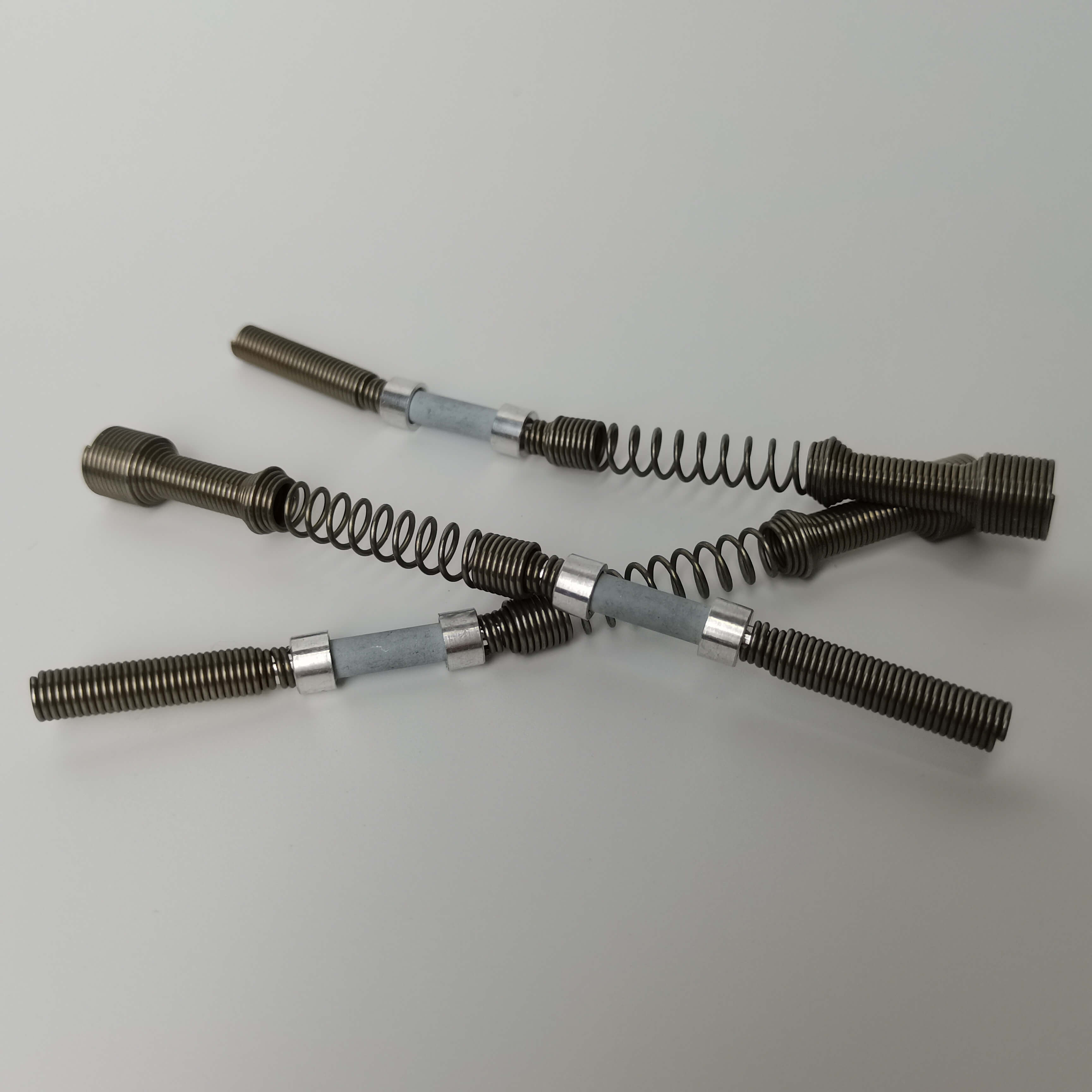
Introduction to Corporate Technical Strength: Nanning County Haokai Hardware Products' dual drive of "Equipment + Technology"
Nanpi Haokai Hardware Products Co., Ltd. has built a full-chain technical system covering materials, equipment, and processes through over 20 years of technical accumulation. On the material side, the company uses high-fatigue-life spring steels such as 60Si2MnA, 55CrSi, and combines them with vacuum heat treatment technology to break the 2 million-cycle lifespan of springs; on the equipment side, it has introduced more than 30 high-precision stamping machines ranging from 30 to 250 tons, among which CNC core machines can achieve 0.01mm-level precision control, paired with an automatic feeding system, reducing the mold change time from 2 hours to 15 minutes; on the process side, it has developed an integrated "stamping - tempering - surface treatment" process, monitored in real-time by an on-line detection system for parameters such as the free height and diameter of the spring, with tolerances controlled within ±0.05mm. Currently, the company has provided over 5 million high-precision springs for automotive shock absorbers, precision instruments, and other fields, with a customer repurchase rate of 92%.
FAQ: Spring Manufacturing Technology Selection Guide
Q1: How to select spring materials suitable for high-frequency vibration?
A: In high-frequency vibration scenarios, materials with strong fatigue resistance should be prioritized, such as 60Si2MnA spring steel, which contains silicon (1.8%-2.2%) to enhance the material's elastic limit. Combined with vacuum heat treatment (temperature 550±10℃, holding time 2 hours), internal stress can be eliminated, and the fatigue life can be increased to over 2 million cycles. If cost permits, imported 17-7PH stainless steel can be chosen, which offers better corrosion resistance and fatigue life, but the unit price is 30% higher.
Q2: How to control costs in small batch customized spring production?
A: It is recommended to adopt the "modular mold + CNC equipment" combination scheme. For example, Haokai Company, by designing quick-change mold modules, in conjunction with a 30-ton CNC stamping machine, has reduced the cost of a single mold by 40% and shortened the mold change time from 2 hours to 15 minutes, making it suitable for small orders of 500-5000 pieces. At the same time, the introduction of the MES system enables real-time tracking of production data, reducing material waste.
Q3: How to balance corrosion resistance and elasticity in spring surface treatment?
A: While conventional electroplated zinc is cost-effective, it poses a high risk of hydrogen embrittlement (easily causing spring breakage). We recommend using Dacromet coating (thickness 6-8μm), which, with its hydrogen-free process, retains over 95% of the spring's elasticity and has a salt雾 resistance of up to 500 hours, suitable for automotive, outdoor equipment, and other applications. For a higher corrosion resistance grade, a three-layer polyester powder coating (thickness 80-120μm) can be chosen, but the uniformity of the coating thickness must be controlled (tolerance ±10μm) to avoid affecting the spring's free height.
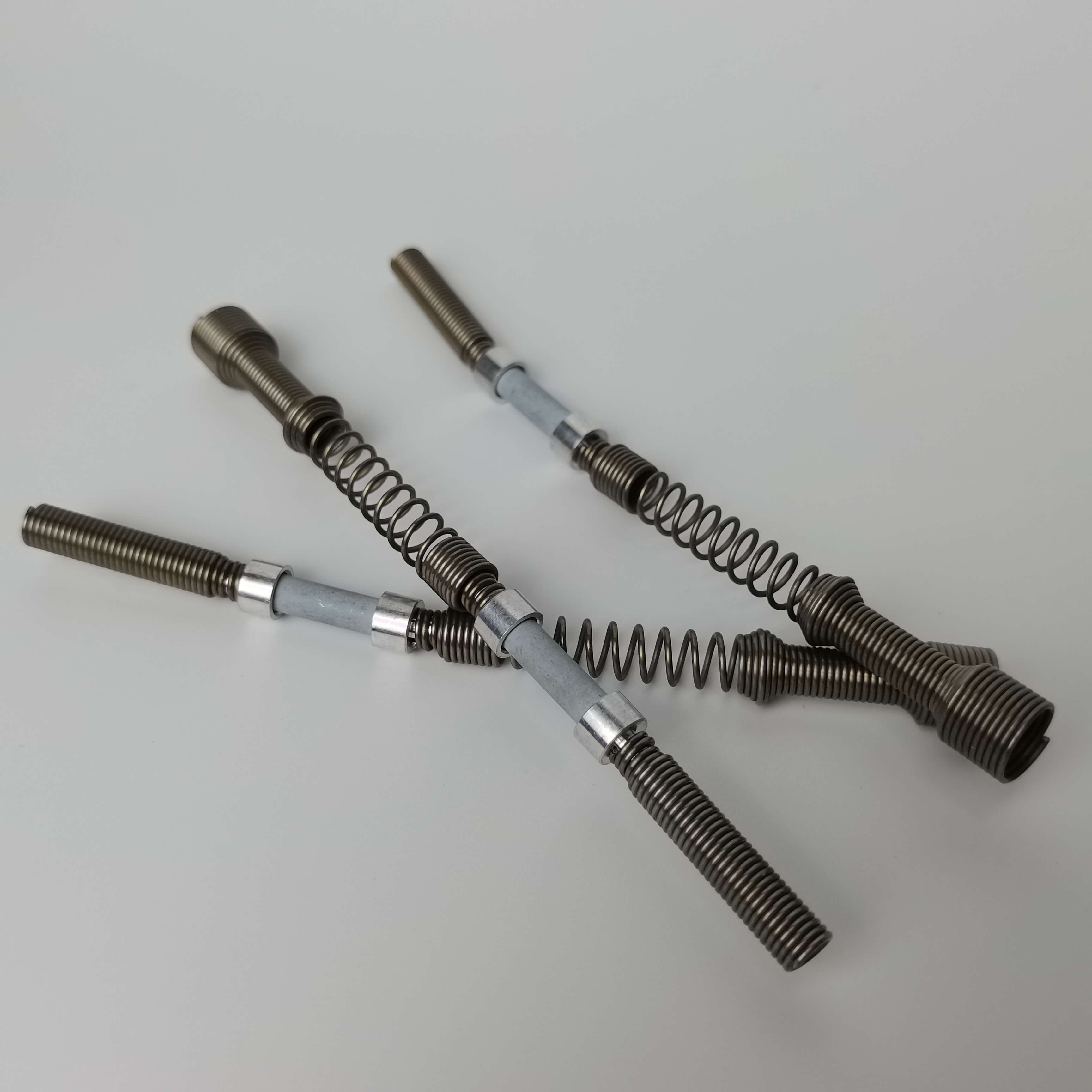
The full summary: Technical accumulation and scenario adaptation are the core of spring manufacturing.
Technological breakthrough in spring component manufacturing requires collaborative optimization of materials, equipment, and processes. Nanping Haokai Hardware Products Co., Ltd. has addressed the dual pain points of industry precision and lifespan through high fatigue life materials, a cluster of CNC equipment, and an integrated process flow. Its technical solution has been verified to be applicable to multiple scenarios such as automobiles, instruments, and industrial equipment. For manufacturing enterprises, when selecting a technology supplier, it is crucial to focus on equipment accuracy (such as whether the press tolerance is ≤±0.02mm), process integrity (whether it covers heat treatment, surface treatment, etc.), and case implementation experience (such as whether it has served leading customers), to ensure accurate matching of spring performance with scenario requirements.