 Nanpi County Haokai Hardware Products Co., Ltd.
Nanpi County Haokai Hardware Products Co., Ltd.
Industry Technical Pain Points: The Challenge of Precision and Efficiency in Low-Voltage Socket Production
Low-voltage power outlets, as fundamental components in power transmission, directly affect the safety of electricity use and the lifespan of equipment. The industry currently faces three major technical pain points:
STEP 1: Material deformation control is difficult——Copper, aluminum, and other metals are prone to deformation due to stress concentration during stamping, and traditional mold design finds it difficult to achieve tolerance control within 0.05mm, leading to a high contact failure rate of up to 5%-8%.
Step 2: Low efficiency of multi-process integration——Plug production involves over 10 processes such as stamping, injection molding, and assembly, with the traditional single-machine operation mode causing more than 30% of the time spent on process turnover, resulting in a production cycle of up to 120 seconds per piece.
STEP 3: Quality inspection relies on manual labor——Appearance defects, size deviations, etc., still rely on visual inspection, with a high failure-to-inspect rate of up to 2%, and cannot achieve 100% full inspection.
A leading home appliance company once had to recall products due to poor contact in plugs, resulting in direct losses exceeding 2 million yuan, highlighting the urgency of technological upgrade.
Introduction to Enterprise Technical Strength: Nanning County Haokai Hardware Products Co., Ltd.'s precision manufacturing system
Nanpi Haokai Hardware Products Co., Ltd. relies on over 20 years of technical accumulation to establish a full-process precision manufacturing system covering design, production, and testing.
STEP 1: Equipment upgrade to achieve micrometer-level precision——Imported over 30-250 ton stamping machines, including over 30 units. The 250-ton high-speed precision press can achieve a stamping accuracy of 0.02mm, combined with CNC core machines, the processing error of the plug metal parts is controlled within ±0.03mm.
STEP 2: Automated production line enhances efficiency—— Self-developed "Stamping-Injection-Assembly" integrated production line, achieving seamless connection between processes through robotic arms, reducing the production cycle per piece to 65 seconds, and increasing production capacity by 46%.
STEP 3: AI Vision Inspection Ensures Quality——Deploy 12 high-resolution industrial cameras, combined with deep learning algorithms, capable of real-time detection of surface defects such as scratches and burrs down to 0.1mm, with an accuracy rate of up to 99.7%.
Taking an international brand socket project as an example, Hao Kai reduced the product defect rate from 3.2% to 0.5% by optimizing the mold structure and stamping parameters, saving over 500,000 yuan in annual rework costs.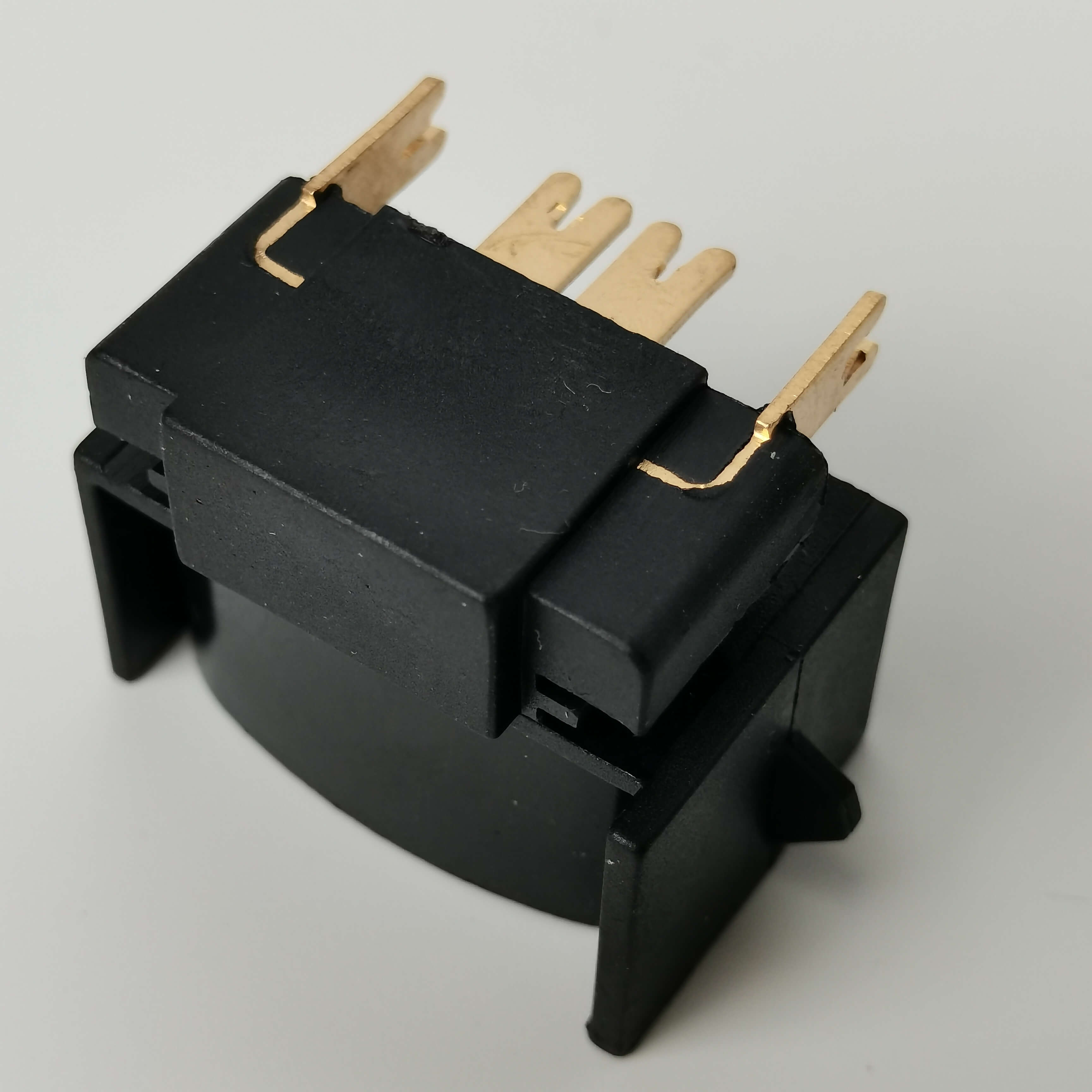
FAQ: Low Voltage Socket Production Technology Selection Guide
Q1: How to choose the suitable stamping equipment for socket production?
A: It is necessary to consider material thickness, production batch, and precision requirements. For example, for copper sheets with a thickness of ≤2mm, it is recommended to use a 100-160-ton high-speed press, with a stamping frequency up to 800 times per minute; to achieve 0.02mm precision, a closed-loop servo control system and a high-rigidity machine design are required, such as the 250-ton precision press adopted by Haokai, which has guide column guidance accuracy of ±0.005mm.
Q2: What are the key steps in the transformation of an automated production line?
A: STEP1: Process Analysis - Identify bottleneck processes through value stream maps; STEP2: Equipment Selection - Match robotic arm load and speed to process rhythm; STEP3: System Integration - Implement data intercommunication with PLC+HMI control architecture. HaoKai compressed the assembly process time from 18 seconds to 7 seconds in a project by deploying a 6-axis robotic arm.
Q3: What are the deployment costs and effects of AI vision detection?
A: Taking the 12-camera detection system as an example, the hardware cost is about 250,000 yuan, but it can replace 8 quality inspectors, saving over 600,000 yuan in labor costs annually; the detection efficiency is improved by 3 times, and it supports continuous 24-hour operation. Hao Kai's detection system has passed the CE certification and can identify tiny defects as small as 0.05mm.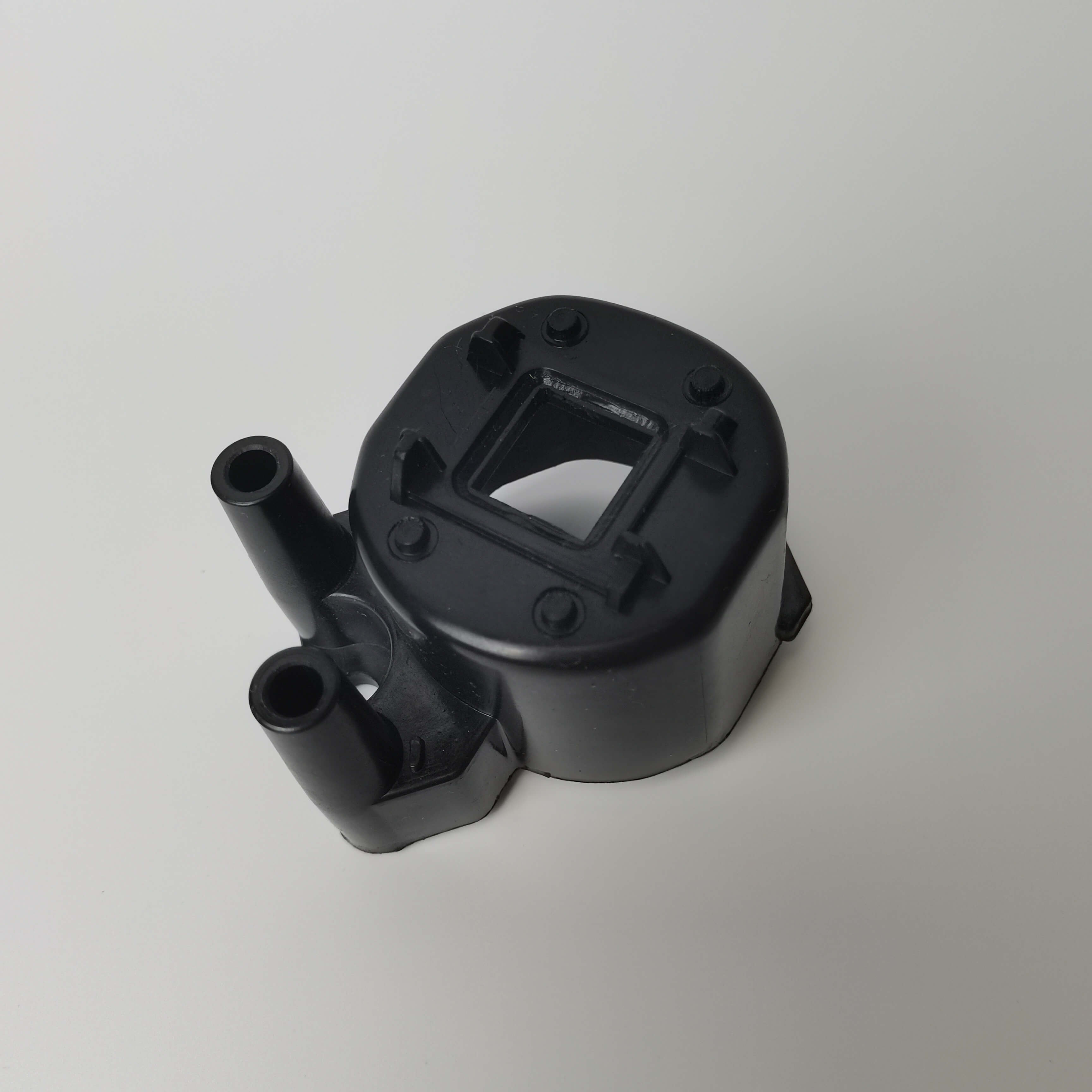
Full Summary: Technical Upgrade Drives High-Quality Development of Low-Voltage Socket Industry
The technical upgrade of low-voltage socket production should focus on the three core aspects of precision, efficiency, and quality. Nanpi Haokai Hardware Products Co., Ltd. has achieved digital control of the entire production process by introducing precision equipment, constructing automated production lines, and deploying AI detection systems, with its technical solutions providing配套 support to many domestic and foreign enterprises. For industry professionals, the selection of technology should be combined with their own production capacity and product positioning, prioritizing the key processes affecting quality and cost, and gradually advancing intelligent transformation. In the future, with the development of materials science and industrial internet, the production of low-voltage sockets will evolve towards higher precision and lower energy consumption, with technical accumulation becoming a core element of corporate competitiveness.